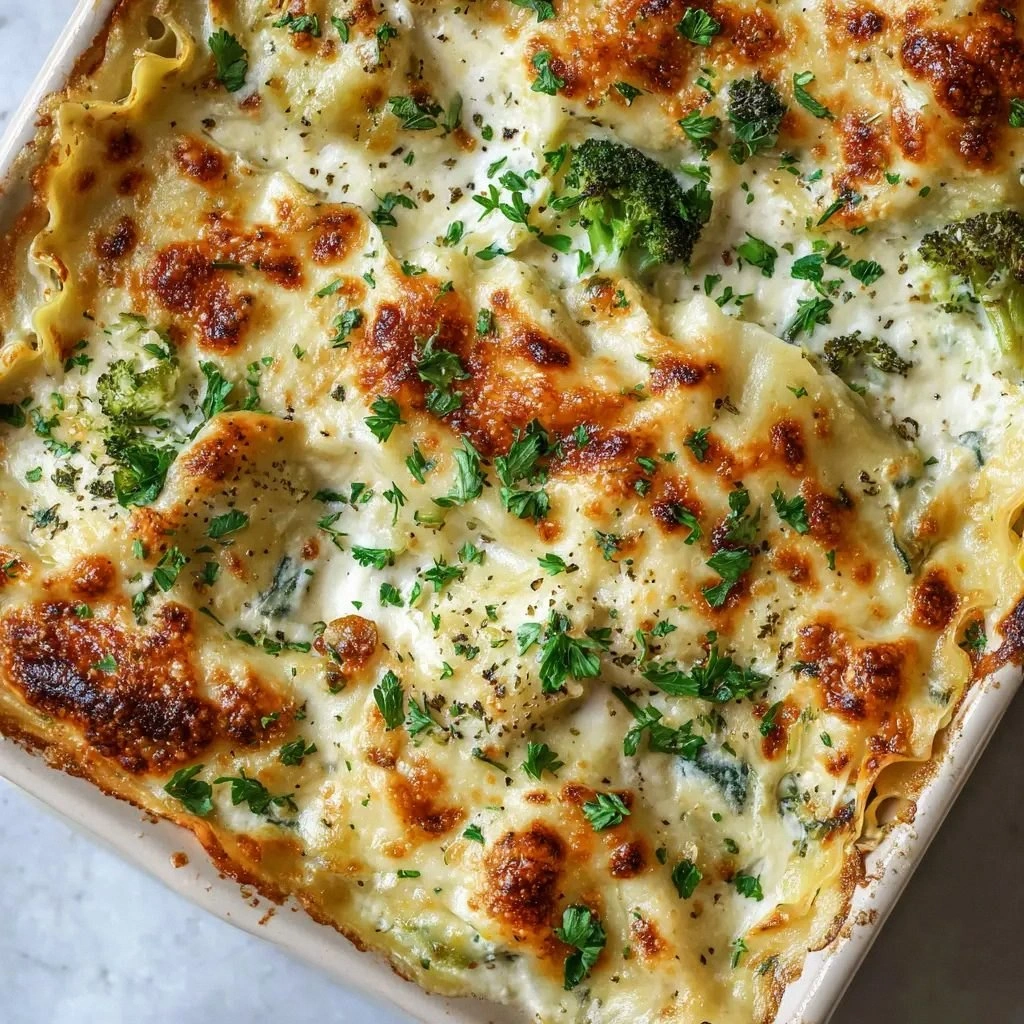
One of the tricks that sets this apart is the way we sauté the garlic and greens just before adding the sauce—this step unlocks a depth of flavor that you won't find in a standard recipe. Picture yourself pulling this out of the oven, the whole kitchen smelling incredible, the steam rising like a cloud of comfort. I’ll be honest—I've eaten half the batch before anyone else got to try it, and I still crave more. Stay with me here—this is worth it, because the next step is pure magic. Let me walk you through every single step—by the end, you'll wonder how you ever made it any other way.
When I first tried this recipe, I almost burned the sauce, but the buttery roux saved the day. The result was a sauce that glistened like a polished marble surface, and the cheese melted into a golden, bubbly crown. My friends who love a good lasagna were stunned, and I couldn't resist sharing the secret with them. This dish is not just a meal; it's a conversation starter that brings people together over the comfort of a warm, cheesy plate. And if you're still skeptical, remember that the next part will show you how to elevate the flavors even further.
What Makes This Version Stand Out
- Taste: The sauce is a silky blend of butter, flour, and whole milk that coats every noodle, then the cheeses melt into a creamy, slightly nutty finish. The fresh vegetables add a bright, crisp bite that balances the richness, turning each bite into a harmonious crescendo.
- Texture: The wavy noodles provide a gentle chew that holds the sauce, while the broccoli florets and zucchini ribbons offer a satisfying snap. The mozzarella and Parmesan create a gooey, golden crust that melts into a velvety finish.
- Simplicity: With just a handful of pantry staples and fresh veggies, you can assemble a gourmet lasagna in under an hour. No fancy equipment or complicated techniques are required—just love and a little patience.
- Unique Twist: The white sauce is thickened with a classic roux, giving it a velvety texture that’s a departure from the tomato‑based standard. Adding fresh spinach and broccoli inside the layers adds a nutritional punch without compromising flavor.
- Crowd‑Pleaser: Whether it’s a family dinner, a potluck, or a holiday gathering, this lasagna satisfies both kids and adults alike. The mild, cheesy profile is universally appealing, while the veggies keep it wholesome.
- Ingredient Quality: Fresh, high‑quality cheeses and vegetables elevate the dish, turning simple ingredients into a decadent experience. The use of whole milk instead of skim adds richness without extra calories.
- Make‑Ahead Potential: Assemble the lasagna a day before, refrigerate, and bake when ready. This flexibility makes it perfect for busy schedules and last‑minute entertaining.
Alright, let's break down exactly what goes into this masterpiece...
Inside the Ingredient List
The Flavor Base
Butter, the cornerstone of any sauce, melts into a rich base that carries the flour into a silky roux. The flour thickens the milk, creating a velvety white sauce that coats each noodle like a satin blanket. Garlic, when sautéed until golden, releases a sweet, aromatic note that lingers in every bite. Olive oil adds a fruity undertone, while salt and pepper balance the flavors, ensuring that nothing tastes flat or one‑dimensional. If you’re short on time, a pre‑made roux mix works, but the homemade version gives you that homemade comfort you crave.
The Texture Crew
Wavy lasagna noodles are the perfect canvas, their ridges holding the sauce and veggies in place. Mozzarella provides a creamy, stretchy melt that keeps the layers cohesive, while Parmesan adds a nutty sharpness that cuts through the richness. Fresh spinach leaves bring a subtle earthiness and a pop of color that elevates the dish’s visual appeal. Broccoli florets add crunch and a vitamin boost, and zucchini ribbons contribute a mild sweetness that balances the savory cheeses. Skipping any of these would leave the lasagna feeling incomplete—each component is essential for that “wow” factor.
The Unexpected Star
Fresh green parsley is more than a garnish; it adds a burst of herbal brightness that lifts the dish. Its bright green hue also signals freshness, making the lasagna look as good as it tastes. If you’re allergic or simply dislike parsley, a squeeze of lemon or a pinch of dried oregano can provide a similar lift. The parsley’s subtle bitterness cuts through the cheese’s heaviness, creating a balanced flavor profile that keeps the palate refreshed.
The Final Flourish
Adding a final drizzle of olive oil before baking gives the top a golden, crisp finish that’s hard to resist. The extra cheese on top creates a bubbly, golden crust that melts into a glossy sheen. A sprinkle of fresh parsley after baking adds a pop of color and a fresh finish. This finishing touch turns a good lasagna into a showstopper that looks as delicious as it tastes.
Everything's prepped? Good. Let's get into the real action...
The Method — Step by Step
- Preheat the oven to 375°F (190°C). Lightly grease a 9x13‑inch baking dish with a drizzle of olive oil to prevent sticking. Arrange the bottom layer of noodles, overlapping slightly to create a snug base. This first layer sets the stage for the sauce and ensures even cooking. Keep the dish warm while you prepare the rest of the layers.
- Bring a large pot of salted water to a rolling boil. Add the wavy lasagna noodles and cook for 8–10 minutes, or until they’re al dente. Drain and rinse under cold water to halt the cooking process; this stops them from becoming mushy during baking. Pat the noodles dry with a clean towel to remove excess moisture. This step is crucial for a firm, non‑sticky lasagna.
- In a medium saucepan, melt 4 tablespoons of butter over medium heat. Stir in 1/4 cup of all‑purpose flour and whisk for 1–2 minutes until the mixture turns a pale golden color, forming a roux. Gradually pour in 3 cups of whole milk, whisking continuously to keep the sauce smooth. Let the sauce simmer until it thickens, then add 1 teaspoon of kosher salt, 1/2 teaspoon of cracked black pepper, and 2 tablespoons of olive oil. This creates a rich, velvety white sauce that’s the heart of the lasagna.
- Add 3 cloves of minced garlic to the sauce and sauté until fragrant, about 30 seconds. Stir in 2.5 cups of shredded mozzarella and 1 cup of grated Parmesan until the cheeses melt into a creamy blend. The cheeses should form a glossy, slightly golden mixture that clings to the noodles. If the sauce becomes too thick, add a splash of milk to reach your desired consistency. This step ensures a melt that’s both indulgent and smooth.
- Fold in 2 cups of broccoli florets, 1 medium zucchini sliced into thin ribbons, and 5 ounces of fresh spinach leaves into the sauce. Stir until the vegetables are evenly coated and slightly wilted. The vegetables should retain a bright green hue and a pleasant crunch. This mixture adds nutrition and color, turning the dish into a vibrant, wholesome plate. Keep the mixture warm until you’re ready to assemble.
- Spread a thin layer of sauce over the bottom of the prepared dish. Arrange a layer of noodles, then spoon a generous amount of the veggie‑cheese mixture on top. Sprinkle a light dusting of Parmesan over the vegetables. Repeat the layers—noodles, sauce, veggies—until all components are used, finishing with a final layer of sauce and a generous topping of mozzarella and Parmesan. This layering technique ensures every bite is balanced and flavorful.
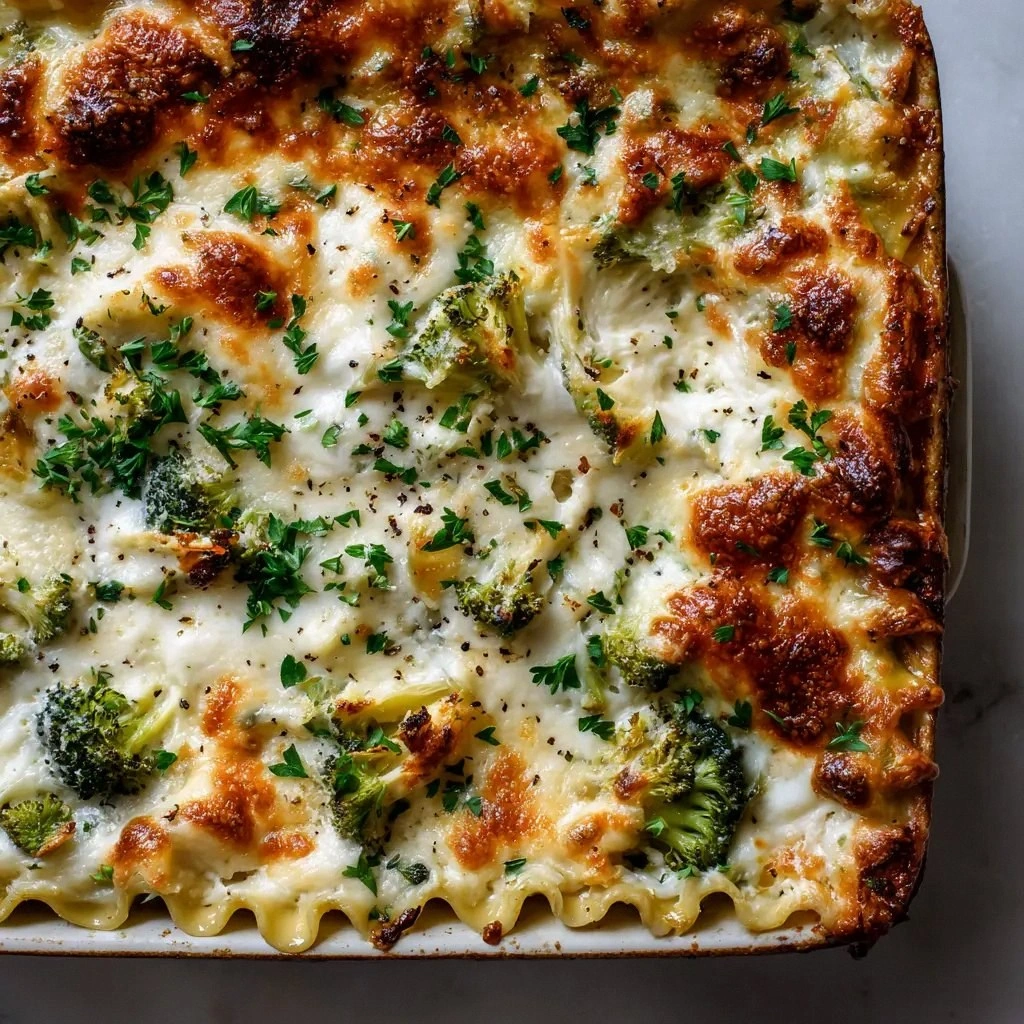
- Cover the dish with foil and bake for 25 minutes. Remove the foil, then bake for an additional 10–15 minutes until the top is golden and bubbly. The foil prevents the cheese from burning while the uncovered time creates a crisp, caramelized crust. Let the lasagna rest for 10 minutes before slicing; this allows the layers to set and makes serving easier. The aroma that fills your kitchen will have you craving the first bite.
- Garnish the finished lasagna with 2 tablespoons of fresh green parsley, chopped finely. Drizzle a little olive oil over the top for extra shine. Slice with a sharp knife to keep the layers intact. Serve hot, with a side of garlic bread if you’re feeling extra indulgent. The result is a creamy, veggie‑laden lasagna that feels like a comforting hug.
That’s it — you did it. But hold on, I've got a few more tricks that'll take this to another level...
Insider Tricks for Flawless Results
The Temperature Rule Nobody Follows
Many people bake at 400°F, but 375°F is the sweet spot that allows the cheese to melt evenly without scorching the bottom. This lower temperature also gives the sauce time to thicken gently, preventing a watery finish. I once baked at 400°F and the top turned a deep brown, leaving the center undercooked. Stick to 375°F for that perfect golden crust and a moist interior.
Why Your Nose Knows Best
Before you open the oven door, listen for the first pop of bubbling cheese; that’s your cue to pull it out. The scent of melted mozzarella is a reliable indicator that the lasagna is ready. If you’re unsure, slide a knife into the center; it should come out clean with a few moist crumbs. Trust your nose and taste buds, not the clock.
The 5-Minute Rest That Changes Everything
Letting the lasagna rest for 10 minutes after baking allows the layers to set, making slicing cleaner and preventing a mushy mess. During this rest, the residual heat continues to cook the vegetables, ensuring they’re tender but not overdone. I’ve had friends cut into a fresh lasagna only to find the cheese sticking to the knife; the rest solves this problem.
Use a Silicone Baking Mat
Placing a silicone mat on the baking dish keeps the sauce from sticking and makes cleanup a breeze. It also distributes heat evenly, preventing hot spots that can burn the top. I use it every time I bake lasagna; it’s a game‑changer that saves me from scrubbing the pan for hours.
Keep the Veggies Fresh
Don’t pre‑cook the broccoli or zucchini unless you’re short on time; raw veggies absorb the sauce’s flavors and retain crunch. If you do pre‑cook, do it briefly—just a quick blanch—to preserve color. Fresh veggies bring a bright, natural sweetness that balances the cheese’s richness.
Creative Twists and Variations
This recipe is a playground. Here are some of my favorite ways to switch things up:
Vegan Delight
Swap the butter and whole milk for a plant‑based butter and oat milk. Use a vegan mozzarella alternative and nutritional yeast for a cheesy flavor. Add chickpeas for protein and a hearty texture. The result is a creamy, dairy‑free lasagna that still feels indulgent.
Spicy Kick
Incorporate red pepper flakes into the sauce for a subtle heat. Add diced jalapeños to the veggie mix for a punchy bite. Finish with a drizzle of hot sauce before serving. This version is perfect for those who like their comfort food with a twist.
Herb‑Infused
Stir in fresh basil, oregano, or thyme into the sauce for a Mediterranean flair. Top the lasagna with chopped sun‑dried tomatoes for a sweet, savory burst. The herbs elevate the dish, making it feel like a gourmet creation.
Protein‑Packed
Add cooked ground turkey or crumbled sausage to the veggie layer for a protein boost. Sprinkle with extra Parmesan for a richer crust. This variation turns the lasagna into a filling main course that satisfies even the heartiest appetites.
Gluten‑Free
Use gluten‑free lasagna noodles and ensure your flour is also gluten‑free. Double‑check the cheese for gluten additives. The texture remains silky, and the flavors stay true to the original, making it accessible to everyone.
Storing and Bringing It Back to Life
Fridge Storage
Cool the lasagna to room temperature, then cover tightly with plastic wrap or aluminum foil. Store in the refrigerator for up to 3 days. The sauce may thicken slightly, but it will still taste fresh and creamy when reheated.
Freezer Friendly
Wrap the lasagna in foil and place it in a freezer‑safe container. It stays good for up to 2 months. When ready, thaw overnight in the fridge before reheating to maintain texture.
Best Reheating Method
Reheat in a 350°F oven for 20 minutes, or until warmed through. Add a splash of water or milk before covering with foil to keep the sauce moist. Let it rest for 5 minutes before serving; this restores the golden crust and ensures every bite is as delicious as the first.