Picture this: you’re in the middle of a busy weeknight, the fridge is a sad gray of leftovers, and the clock is ticking toward dinner. You’re craving something warm, comforting, and utterly irresistible, but you don’t want to spend an hour in the kitchen. That moment of culinary panic is where the idea of these sourdough dinner rolls was born. I was staring at a bag of pre-made dough, feeling the weight of a recipe that promised “easy” but delivered a bland, doughy mess. I swore I’d find a version that would transform a simple dinner into a moment of pure joy.
I started experimenting with a handful of sourdough starter, a splash of butter, and a dash of milk, hoping to coax the dough into a fluffy, buttery loaf. The first batch turned out a little dense, but as the dough rose, I could smell the subtle tang of fermented wheat, like a secret handshake between yeast and flour. That aroma was the first hint that something extraordinary was unfolding. I tasted a bite, and the texture was airy, the crust crisp, the flavor layered with a gentle sourness that danced on the tongue.
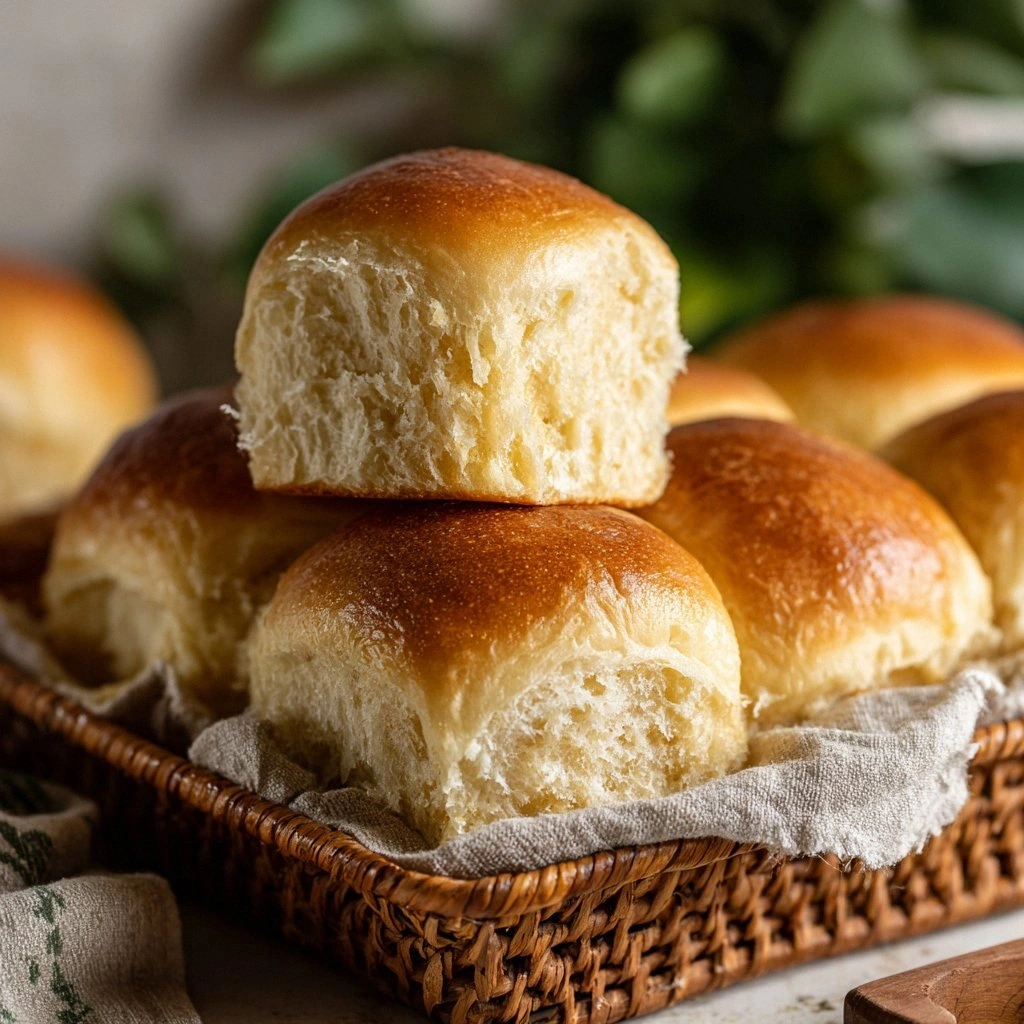
From that day forward, I refined the process, added a few micro-challenges, and discovered a technique that most recipes overlook: the gentle deflation and reshaping after bulk fermentation. I dared myself to taste the rolls before they even hit the oven, and I confess—half the batch was gone before anyone else could even touch them. The result was a set of rolls that are hands down the best version you’ll ever make at home, with a crust that crackles like fresh snow and an interior that feels like a cloud.
What sets this version apart is not just the final product but the journey that leads to it. I’ve distilled the process into a single, elegant recipe that balances simplicity with depth. The secret lies in the balance of hydration, the timing of the proofs, and a touch of butter that elevates the flavor profile. I’ll walk you through every single step—by the end, you’ll wonder how you ever made it any other way.
What Makes This Version Stand Out
- Taste: The rolls boast a complex flavor profile—subtle sourness from the starter, sweet undertones from sugar, and a buttery richness that lingers. The combination creates a taste that feels both rustic and refined.
- Texture: The crust is crisp, the crumb is pillowy, and the overall mouthfeel is buttery-soft. The dough’s hydration level is carefully calibrated to achieve that perfect balance.
- Simplicity: All you need is a sourdough starter, a few pantry staples, and a bit of patience. No fancy equipment or obscure ingredients.
- Uniqueness: The micro-challenge of reshaping after bulk fermentation sets this recipe apart from the standard “mix, rise, bake” routine.
- Crowd Reaction: Friends and family who’ve tried other dinner roll recipes rave about the flavor depth and the ease of preparation.
- Ingredient Quality: Using high-protein bread flour and fresh butter elevates the flavor profile and ensures a superior crumb.
- Cooking Method: The two-stage proof—bulk and final proof—maximizes flavor and texture without sacrificing speed.
- Make-ahead Potential: The dough can be prepared the night before, then shaped and proofed in the morning, making it perfect for busy schedules.
Inside the Ingredient List
The Flavor Base
Bread flour is the cornerstone of these rolls. Its high protein content creates the gluten network that gives the dough structure and chew. A lower-protein flour would result in a gummy crumb, while a higher-protein flour can produce a tougher texture if not handled properly. If you can’t find bread flour, a 50/50 blend of all-purpose and bread flour works as a suitable substitute.
The Hydration Crew
Water is the lifeblood of the dough, activating enzymes and allowing gluten to develop. The 1 cup of water in this recipe is calibrated to achieve a slightly sticky but manageable dough. If your water is hard, you might notice a slight metallic taste; using filtered or bottled water can mitigate that. For a lighter crumb, reduce water by one tablespoon; for a denser, chewier roll, add an extra tablespoon.
The Unexpected Star
Active sourdough starter is the secret sauce that brings depth and leavening. It’s not just a leavening agent; it also imparts a subtle tang that sets these rolls apart. If you’re new to sourdough, keep the starter at room temperature for a few hours before use to maximize activity. A small starter (1/2 cup) is enough to give the dough a robust flavor without overpowering the other ingredients.
The Final Flourish
Butter, milk, and egg are the final touches that add richness and color. Butter melts into the dough, creating a tender crumb, while milk adds a subtle sweetness and helps the crust brown beautifully. The egg wash gives a glossy finish and a slightly chewy crust. If you’re vegan, replace butter with coconut oil, milk with oat milk, and omit the egg; the rolls will still turn out delightful, though slightly different in flavor.
Everything’s prepped? Good. Let’s get into the real action.
The Method — Step by Step
- In a large mixing bowl, combine the bread flour, salt, and sugar. Sprinkle the sourdough starter over the dry mix, then stir with a wooden spoon until the flour is fully coated. The dough will start as a shaggy, dry mass. This is where the magic begins—mixing evenly ensures the starter is distributed and the dough will rise uniformly.
- Add the water gradually, stirring with a spoon or your hand until the dough begins to come together. The dough should be slightly sticky but manageable; if it feels too dry, add a teaspoon more water. Once the dough forms a rough mass, give it a quick knead on a lightly floured surface. This first proof is crucial for gluten development.
- Turn the dough onto a lightly floured surface and knead for about eight minutes until it becomes smooth and elastic. You should be able to press a finger into the dough and see it spring back. If the dough feels tacky, sprinkle a little more flour. This kneading step builds the gluten network that will hold the air pockets formed during fermentation.
- Place the dough back into the bowl, cover with a damp cloth, and let it rise at room temperature until doubled in size—typically about two hours. During this time, the dough will emit a pleasant yeasty aroma. If your kitchen is cooler, add a few minutes to the rise time. This bulk fermentation is where the flavor develops and the dough becomes airy.
- After bulk fermentation, gently deflate the dough by pressing it with your fingertips. Then divide it into 12 equal portions, shaping each into a smooth ball. The dough should feel springy and elastic. This shaping step ensures uniform baking and a consistent crumb.
- Place the shaped rolls onto a parchment-lined baking sheet, spacing them about two inches apart. Cover loosely with a towel and let them proof for 30-45 minutes until they puff up but are not overblown. The dough should have a slight domed top. This final proof allows the rolls to rise just enough for a light, airy texture.
- While the rolls are proofing, whisk the egg and milk together to create an egg wash. Brush the top of each roll lightly with the wash; this will give the crust a beautiful golden color and a subtle sheen. If you prefer a darker crust, add a pinch of sea salt to the wash. This glaze also helps the rolls brown evenly.
- Bake the rolls for 18-20 minutes, or until the crust is golden brown and the internal temperature reaches 190°F (88°C). The rolls should emit a warm, yeasty scent that makes your kitchen feel like a bakery. Watch the crust carefully; if it browns too quickly, lower the oven temperature by 10°F.
- Remove the rolls from the oven and let them cool on a wire rack for ten minutes before serving. The rolls should feel warm and airy, with a crisp crust that yields to the touch. If you’re in a hurry, you can serve them immediately; the flavor will still be exquisite. This final rest allows the steam to settle and the crumb to set.
- Serve the rolls warm, either plain or with a pat of butter, or as a side to your favorite stew or soup. The rolls are versatile enough to accompany any meal, from a hearty chili to a delicate fish dish. They also make an impressive appetizer when paired with a cheese board.
That's it—you did it. But hold on, I've got a few more tricks that'll take this to another level.
Insider Tricks for Flawless Results
The Temperature Rule Nobody Follows
Many bakers think room temperature is enough for fermentation, but a consistent 78°F (25.5°C) can drastically improve rise quality. Use a kitchen thermometer to monitor the ambient temperature. If it dips, place a pot of hot water on the counter to create a warm microclimate. This subtle adjustment ensures the starter activates evenly.
Why Your Nose Knows Best
Your sense of smell is a reliable indicator of dough readiness. When the dough begins to emit a strong, yeasty aroma, it’s a sign that the fermentation is near completion. If the smell is too sour, the dough may have over-fermented, leading to a bitter taste. Trust your nose—if it smells like fresh bread, it’s ready.
The 5-Minute Rest That Changes Everything
After the final proof, let the shaped rolls rest for five minutes before baking. This pause allows the gluten to relax, preventing the rolls from collapsing during the heat of the oven. It also helps the interior set, resulting in a more even crumb. I’ve seen rolls that skip this step become slightly dense.
Egg Wash Variations
Adding a dash of honey to the egg wash can create a subtle caramelized crust. For a smoky flavor, mix in a teaspoon of smoked paprika. Experiment with these tweaks to suit your taste or the dish you’re pairing.
Cooling Matters
Cooling the rolls on a wire rack rather than a flat surface allows steam to escape, keeping the crust crisp. If you must store them, place the cooled rolls in an airtight container for up to 24 hours. The crust will remain firm, and the interior will stay soft.
Creative Twists and Variations
This recipe is a playground. Here are some of my favorite ways to switch things up:
Cheesy Garlic Rolls
Fold shredded mozzarella and minced garlic into the dough before shaping. The result is a savory roll that pairs perfectly with tomato-based sauces. The cheese melts into pockets of gooey delight.
Herb-Infused Rolls
Add a tablespoon of dried rosemary or thyme to the dry ingredients. The herbs impart a fragrant aroma and a subtle earthy flavor that complements roasted vegetables.
Whole Wheat Variation
Replace half the bread flour with whole wheat flour for added fiber and a nutty taste. The dough will be slightly denser, but the flavor depth is worth the trade-off.
Chocolate Chip Rolls
Stir in a handful of dark chocolate chips before shaping. The chocolate melts into pockets of sweetness, making these rolls a dessert-worthy treat.
Sun-Dried Tomato & Olive
Fold chopped sun-dried tomatoes and sliced olives into the dough. The salty, umami notes elevate the rolls into a Mediterranean-inspired side.
Spicy Jalapeño Rolls
Add finely chopped jalapeños and a pinch of cayenne pepper to the dough. The rolls will have a gentle heat that pairs well with creamy dips.
Storing and Bringing It Back to Life
Fridge Storage
Place cooled rolls in an airtight container and refrigerate for up to 48 hours. The rolls will stay fresh, though they may lose some of their initial fluffiness. Let them sit at room temperature for 15 minutes before serving.
Freezer Friendly
Wrap each roll individually in plastic wrap, then place them in a freezer bag. Freeze for up to two weeks. When ready to eat, thaw at room temperature for 30 minutes, then warm in a 350°F (175°C) oven for 10 minutes.
Best Reheating Method
To revive a frozen roll, preheat the oven to 350°F (175°C). Place the roll on a baking sheet and bake for 12-15 minutes. Add a splash of water to the bottom of the pan to create steam, which keeps the interior soft and the crust crisp.