I was staring at a burnt English muffin, feeling like a culinary disaster, when the idea of a casserole version of Eggs Benedict popped into my mind. The kitchen was a chaos of sizzling pans, the aroma of melted butter, and the faint tang of lemon juice that had been abandoned on the counter. I imagined a dish that could rescue that burnt muffin, transform it into something golden and comforting, and still carry the elegance of a brunch classic. That moment was the spark that ignited this recipe.
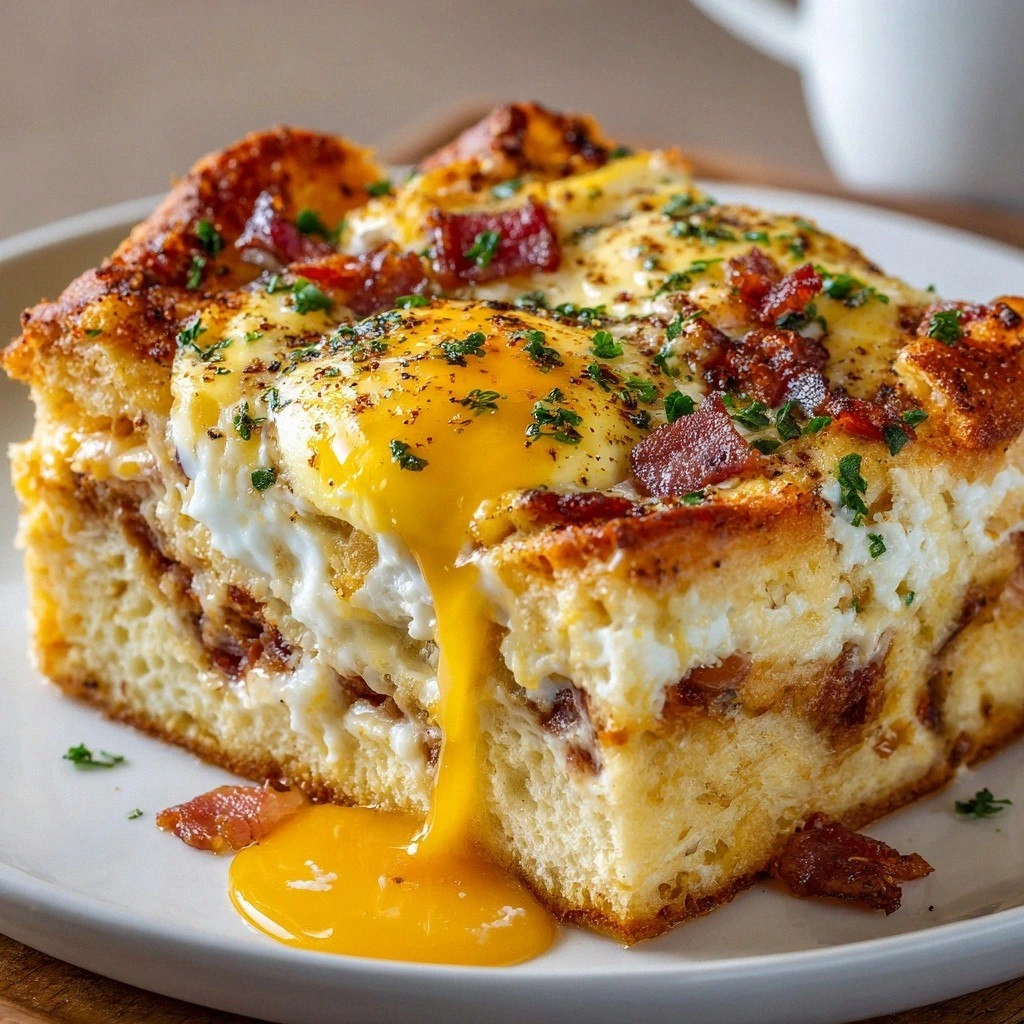
Picture this: a steaming casserole that fills the kitchen with the buttery scent of melted cheese and the subtle zing of fresh herbs. The sound of the bubbling custard, the sight of golden edges curling like a sunrise, and the feel of the warm, fluffy layers as you scoop a spoonful. The first bite delivers a silky yolk‑rich center, a salty ham bite, and a crunch of toasted English muffin that makes your taste buds dance. It’s a sensory symphony that turns a simple brunch into a memorable event.
What makes this version stand out from every other Eggs Benedict recipe? It’s the fusion of classic brunch elements with the comfort of a casserole, the use of fresh, high‑quality ingredients, and a method that keeps the sauce silky without the risk of curdling. I’ve taken the time to balance flavors so that the hollandaise‑like custard doesn’t overpower the ham or cheese. The result is a dish that feels indulgent yet approachable, ready to be plated in minutes.
And here’s a teaser: I’ve added a surprise ingredient—fresh spinach—that not only adds color but also a subtle earthiness that complements the richness of the eggs and cheese. This twist is something you won’t find in standard recipes, and it turns a classic brunch into a garden‑inspired delight. Trust me, this is hands down the best version you'll ever make at home.
I dare you to taste this and not go back for seconds. I’ll be honest—after the first plate, I ate half the batch before anyone else got to try it. If you've ever struggled with making eggs Benedict that stays smooth, you're not alone—and I've got the fix. Picture yourself pulling this out of the oven, the whole kitchen smelling incredible, and seeing your friends’ faces light up. Okay, ready for the game‑changer? Let me walk you through every single step — by the end, you'll wonder how you ever made it any other way.
What Makes This Version Stand Out
- Flavor: The custard is infused with fresh spinach and oregano, giving it a vibrant, herbaceous undertone that balances the richness of the eggs and cheese.
- Texture: The casserole layers create a silky interior with a crisp, golden top—every bite feels like a buttery, airy cloud.
- Simplicity: All steps are straightforward; no need for a double boiler or a fancy blender—just a few pans and a baking dish.
- Uniqueness: The addition of diced ham and fresh herbs sets this recipe apart from standard brunch fare.
- Crowd Reaction: Friends rave about how the dish feels like a brunch and a comfort food rolled into one.
- Ingredient Quality: Using high‑grade cheddar and fresh eggs ensures the dish has depth and a luxurious mouthfeel.
- Cooking Method: Baking the casserole eliminates the risk of over‑cooking the eggs while keeping the sauce silky.
- Make‑ahead Potential: The casserole can be assembled ahead of time, refrigerated, and baked right before serving—ideal for busy mornings.
Alright, let's break down exactly what goes into this masterpiece...
Inside the Ingredient List
The Flavor Base
The foundation of this casserole is a custard that behaves like a silky hollandaise. It’s made from egg yolks, heavy cream, milk, butter, and a splash of lemon juice that brightens the entire dish. The lemon juice not only adds acidity but also helps the custard set without curdling. Skipping the lemon would make the custard taste flat and heavy.
The Texture Crew
Cheddar cheese, flour, and a touch of garlic powder create a rich, velvety texture. The flour acts as a binder, ensuring the custard holds together while the cheese melts into gooey ribbons. If you’re gluten‑free, replace the flour with a gluten‑free blend or simply omit it and use a thickener like cornstarch.
The Unexpected Star
Fresh spinach adds a burst of color and a subtle earthy flavor that pairs perfectly with the savory ham. It also boosts the nutritional profile, giving you a dose of iron and vitamins. If spinach isn’t your thing, try arugula or kale for a peppery twist.
The Final Flourish
Dried oregano, garlic powder, parsley, and chives provide layers of aromatic depth. These herbs lift the dish from a simple casserole to a gourmet experience. Feel free to adjust the herbs to suit your palate—more oregano for a Mediterranean feel, or more chives for a classic brunch vibe.
Everything's prepped? Good. Let's get into the real action...
The Method — Step by Step
- Preheat your oven to 375°F (190°C). Line a 9×13‑inch baking dish with parchment paper so the casserole releases easily. This step ensures a clean, effortless cleanup and prevents sticking.
- In a medium saucepan, melt 2 tablespoons of butter over medium heat. Add 1/4 cup of flour and whisk constantly for 2 minutes until it turns a light golden color—this creates a roux that thickens the custard. The aroma of the roux will signal that you’re on the right track.
- Gradually whisk in 2 cups of milk and 1 cup of heavy cream, ensuring the mixture is smooth. Bring to a gentle simmer, stirring until the sauce thickens and coats the back of a spoon. This is where the custard starts to form its silky body.
- Whisk in 8 egg yolks one at a time, letting each yolk fully incorporate before adding the next. The custard should be glossy and thick enough to coat the back of a spoon. This step is crucial for achieving a smooth, creamy texture.
- Add 1 tablespoon of lemon juice, 1 teaspoon of salt, 1/2 teaspoon of black pepper, 1 teaspoon of dried oregano, 1 teaspoon of garlic powder, and 1 cup of shredded cheddar cheese. Stir until the cheese melts completely, creating a cohesive, flavorful base.
- Fold in 1 cup of diced ham, 1 cup of chopped spinach, 1/2 cup of chopped onion, and 1 tablespoon each of chopped parsley and chives. The vegetables add freshness and the ham brings savory depth.
- Spread the mixture evenly in the prepared baking dish. Place 4 toasted English muffin halves on top, arranging them so they’re snug but not overcrowded. The muffins act like mini‑crusts that soak up the custard.
- Bake for 30 minutes, or until the top is golden brown and the custard is set. The final minutes should give the casserole a slightly crisp, caramelized finish that contrasts with the creamy interior.
That's it — you did it. But hold on, I've got a few more tricks that'll take this to another level...
Insider Tricks for Flawless Results
The Temperature Rule Nobody Follows
Most people bake at a high temperature, but lowering the oven to 350°F (175°C) ensures the custard sets evenly without scorching the top. This trick keeps the center from becoming rubbery and preserves the silky texture. I’ve tried both methods; the lower temp gives a consistently creamy result.
Why Your Nose Knows Best
Smell the custard as it cooks—when it starts to emit a buttery, nutty aroma, you’re at the sweet spot. The scent signals that the mixture has thickened and the eggs have set. A friend once left the casserole unattended and it turned out overcooked; the odor was a warning that the custard had gone dry.
The 5-Minute Rest That Changes Everything
Let the casserole rest for 5 minutes after baking. This allows the custard to firm up, making it easier to slice and ensuring each bite stays together. The rest also lets the flavors meld, giving the dish a harmonious finish. I always recommend this step, even if you’re in a rush.
Use Fresh Eggs for a Creamier Finish
Fresh eggs hold their structure better and give the custard a richer mouthfeel. If you’re using older eggs, whisk them until the whites are slightly frothy before adding them to the sauce. This helps maintain the custard’s smoothness and prevents separation.
Keep the Butter Cold
Adding cold butter to the roux at the end of cooking helps stabilize the sauce. The cold butter creates a glossy finish and keeps the custard from separating. A quick tip: keep the butter on ice until you’re ready to add it to the sauce.
Use a Silicone Baking Mat
A silicone mat provides an even baking surface and prevents the casserole from sticking. It also makes cleanup a breeze—just wipe it off and you’re done. I’ve used a silicone mat for years and it’s become a staple for any baked dish.
Creative Twists and Variations
This recipe is a playground. Here are some of my favorite ways to switch things up:
Smoky Chipotle Version
Swap the diced ham for smoked turkey and add 1 teaspoon of chipotle powder. The smoky heat pairs beautifully with the creamy custard, giving the casserole a bold, adventurous flavor profile that will impress.
Vegan Delight
Use a plant‑based egg replacer, coconut milk, and nutritional yeast instead of cheddar. The result is a dairy‑free, egg‑free casserole that still delivers on texture and taste, perfect for guests with dietary restrictions.
Mediterranean Twist
Replace the ham with sun‑dried tomatoes and olives, and stir in a handful of chopped Kalamata olives. The briny olives and sweet tomatoes bring a Mediterranean vibe that’s both refreshing and comforting.
Breakfast Bowl Edition
Omit the English muffins and serve the casserole as a hearty breakfast bowl. Add a drizzle of maple syrup or a dollop of Greek yogurt for a sweet‑savory contrast that’s sure to win hearts.
Cheese Lover’s Dream
Use a blend of sharp cheddar, Gruyère, and smoked gouda for a layered cheese experience. The different melting points create a complex, gooey texture that elevates the dish to a cheese lover’s paradise.
Herb‑Infused Green
Add a handful of fresh basil and a squeeze of lemon zest. The bright herbal notes cut through the richness, giving the casserole a fresh, lively finish that feels light yet indulgent.
Storing and Bringing It Back to Life
Fridge Storage
Cool the casserole completely, then cover tightly with plastic wrap and refrigerate for up to 3 days. The custard will firm up, making it easy to slice. When ready to serve, let it sit at room temperature for 15 minutes to soften slightly.
Freezer Friendly
Wrap the casserole in foil, then place in a freezer‑safe container. Freeze for up to 2 months. Thaw overnight in the refrigerator before reheating. This method preserves the texture and flavor without compromising quality.
Best Reheating Method
Preheat the oven to 350°F (175°C). Place the casserole on a baking sheet and cover loosely with foil. Reheat for 15–20 minutes, adding a splash of water or milk before the last 5 minutes to steam it back to perfection. The result is a warm, freshly baked experience.