I still remember the day my apartment smelled like a carrot juice factory exploded. My roommate had dared me to make carrot soup from scratch, and I was drowning in orange peels, ginger shavings, and the sinking feeling that I had no clue what I was doing. Fast forward three hours: I was hunched over the stove, tasting what could only be described as a sad, watery orange disaster. The carrots were mushy, the ginger was either non-existent or punched me in the face, and my pride was somewhere on the floor next to my ladle. I swore off carrot soup forever—until a rainy Tuesday when I craved something warm, bright, and just spicy enough to make me forget the weather. I stalked the farmers' market, grabbed the gnarliest bunch of carrots I could find, and decided to craft the soup I wished I'd made that first time.
This version is the love child of that craving and my stubborn refusal to let a root vegetable defeat me again. We're talking silk-smooth texture, sunshine-bright color, and a heat that sneaks up on you like a plot twist. The ginger doesn't just whisper—it sings in three-part harmony with the carrots while coconut milk swoops in like a velvet curtain at the end of the show. Every spoonful feels like wrapping yourself in a hand-knit blanket while watching the leaves fall outside. And here's the kicker: it comes together in one pot in under forty-five minutes, which means you can go from hangry to heroic faster than you can say "delivery pizza."
Most recipes treat carrot ginger soup like a side character, adding a pinch of ginger as an afterthought and calling it a day. That's like hiring a jazz saxophonist and asking them to play whole notes only. We're cranking the dial until the ginger dances, then balancing that fire with creamy coconut so the spice doesn't bulldoze your taste buds. The result? A soup that tastes like someone distilled late-autumn sunshine into a bowl and added a chili flake confetti cannon. If you've ever struggled to get carrot soup that doesn't taste like baby food, you're not alone—and I've got the fix.
Let me walk you through every single step—by the end, you'll wonder how you ever made it any other way.
What Makes This Version Stand Out
- Flavor Depth: We roast half the carrots to concentrate sweetness while sautéing the rest for brightness, creating layers that taste like you simmered all day.
- Heat Control: Fresh ginger plus a whisper of cayenne means the spice blooms gradually, warming you long after you swallow instead of torching your tongue on contact.
- Texture Heaven: A high-speed blender plus a final coconut milk drizzle turns the soup into liquid velvet that coats your spoon like expensive house paint.
- One-Pot Wonder: Everything happens in a single Dutch oven, so you can Netflix-scroll while the carrots soften instead of babysitting multiple pans.
- Meal-Prep Gold: It thickens as it sits, so tomorrow's lunch tastes even more luxurious; just thin with broth when reheating and you're golden.
- Color Pop: We add carrots to the pot in stages, preserving that electric orange hue that makes people ask, "Wait, is there turmeric in this?"
- Diet-Friendly: Vegan, gluten-free, nut-free, and soy-free without trying, so you can serve it at the most allergen-complicated dinner party on earth.
- Fridge Alchemist: Leftovers transform into pasta sauce, grain-bowl drizzle, or even a cheeky bloody mary base—waste not, want not.
Alright, let's break down exactly what goes into this masterpiece...
Inside the Ingredient List
The Flavor Base
Carrots aren't just sweet orange sticks; they're sugar rockets waiting for launch. Choose the heftiest, darkest carrots you can find—those are the ones that spent extra time converting sunlight into candy. Six large carrots may sound like a crowd, but they shrink faster than your willpower at a bakery. We split them: half roasted until their edges caramelize into toasty marshmallow sweetness, the other half sautéed to keep that fresh garden snap alive in the final soup. Skip the baby carrots; they're just regular carrots whittled down and robbed of their flavorful outer layers.
The Heat Brigade
Fresh ginger is the Beyoncé of this performance—without it, you're just humming in the shower. One inch may seem modest, but micro-planed into fluffy snow, it disperses like aromatic confetti throughout the soup. The trick is adding it in two waves: first early to infuse the broth, then a final hit right before blending to keep that bright top note singing. Garlic plays backup harmony, two cloves minced so fine they melt into the oil and disappear, leaving only their savory echo. If you're out of fresh ginger, ground won't save you—run to the store or make something else.
The Texture Crew
Vegetable broth is the pool these carrots swim in, so pick one you'd happily drink straight. Watery canned stuff equals watery soup; imagine carrot tea and shudder. Four cups is the sweet spot between stew and sip, but keep an extra cup hot on the side for thinning. Coconut milk isn't negotiable—it's the silk slip that lets the soup glide across your tongue. Full-fat from the can, please; low-fat versions split when heated and taste like sunscreen.
The Seasoning Whisperers
Salt and pepper are the last defenders of flavor, added in tiny increments until the soup suddenly tastes like itself only louder. Start shy; you can always add more, but you can't un-salt the ocean. White pepper disappears visually while delivering gentle heat, or use black for speckled drama. A final squeeze of lime wakes everything up like a splash of cold water on a drowsy morning.
Everything's prepped? Good. Let's get into the real action...
The Method — Step by Step
- Crank your oven to 425°F and grab a rimmed baking sheet. Peel three of the carrots and slice them into half-inch coins; the uniformity matters here because we want them to roast, not incinerate while we wait for the fat boys to catch up. Toss these coins with a teaspoon of neutral oil and a pinch of salt—just enough to make them glisten like they've been swimming in a spa. Spread them in a single layer and slide the tray into the oven; set a timer for twenty minutes and forget them until the edges blister into mahogany freckles.
- While the oven works its magic, warm a heavy Dutch oven over medium heat. Dice the onion into polite, pea-sized cubes; no need for French perfection here, they're getting blended later anyway. Add a tablespoon of oil and the onions, stirring until they turn translucent and start making little whispery sounds at the edges. Drop in the minced garlic and half of the grated ginger; your kitchen will smell like you've been transported to a Thai beach at sunset.
- Peel and chop the remaining three carrots into rough chunks; think toddler-building-block size. Once the aromatics are soft and your house smells like you should open a restaurant, tumble in these raw carrots. Stir them around for five minutes so they pick up the golden onion flavor and develop tiny caramelized edges that will later deepen the soup's color.
- Pour in the vegetable broth, scraping the pot's bottom with your spoon to lift any stubborn brown bits—those are concentrated flavor bombs. Add the roasted carrots when they emerge from the oven, even if they're still sizzling; that hissing sound is the sound of sweet complexity jumping into the pool. Bring everything to a lively simmer, then drop the heat to low, cover, and let it bubble gently for fifteen minutes. The carrots should surrender to a fork like mashed potatoes at a family reunion.
- Remove the pot from heat and let it cool for five minutes; this prevents the next step from turning your blender into a pressure cooker. Ladle half the solids and liquid into your blender, add half the coconut milk, and secure the lid with a kitchen towel over the top vent. Start on low, then ramp to high for a full minute until the mixture looks like liquid velvet pantyhose. Transfer to a large bowl and repeat with the remaining soup; blending in batches ensures silk without splatter art on your ceiling.
- Rinse the Dutch oven, return the blended soup, and set it over the lowest flame. Whisk in the remaining coconut milk, the rest of the fresh ginger, and a pinch of cayenne if you want the heat to build like a slow-burn romance. Taste, then season with salt and pepper in micro-pinches, stirring and tasting again after each addition. The soup will thicken as it stands; loosen with hot broth until it pours like heavy cream from a pitcher.
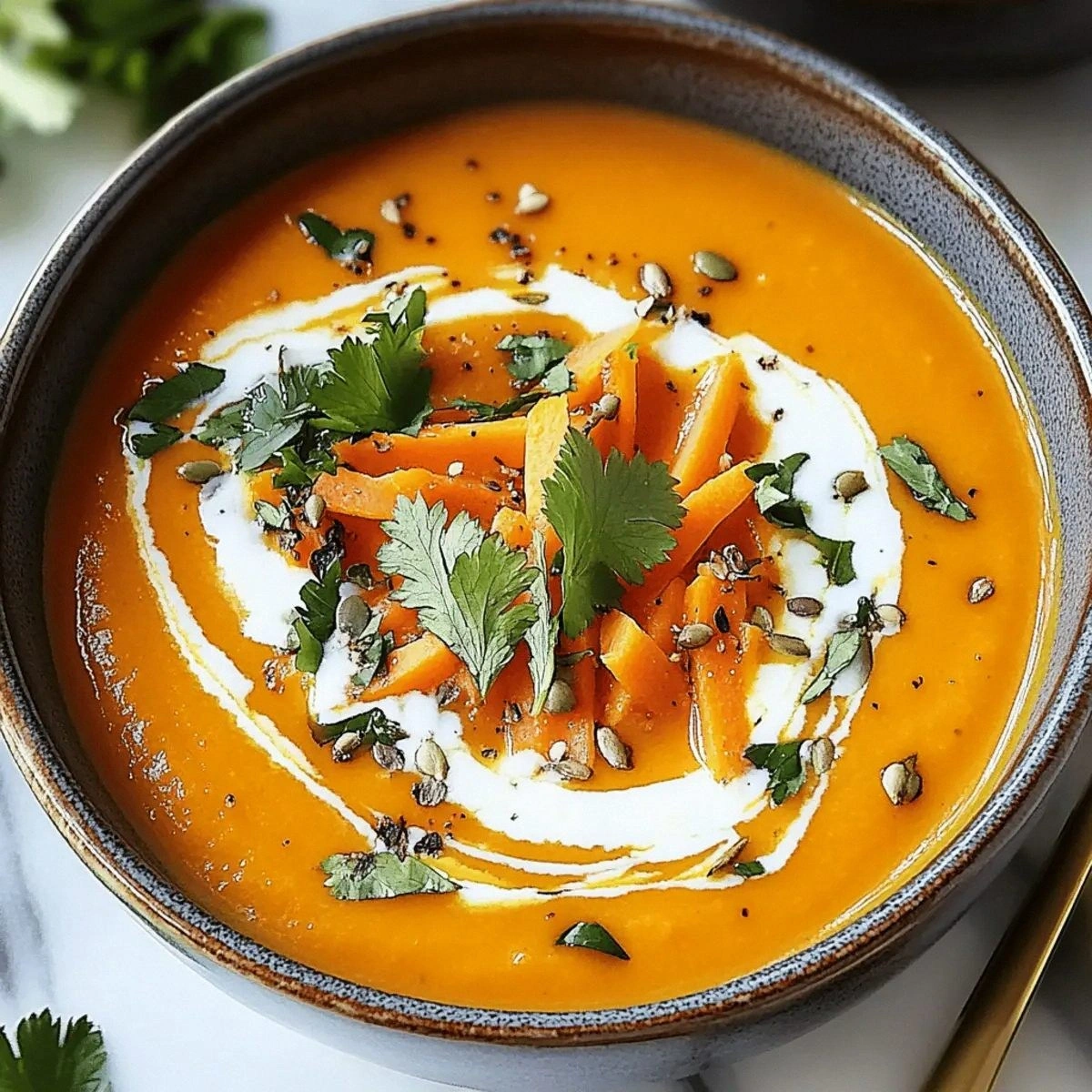
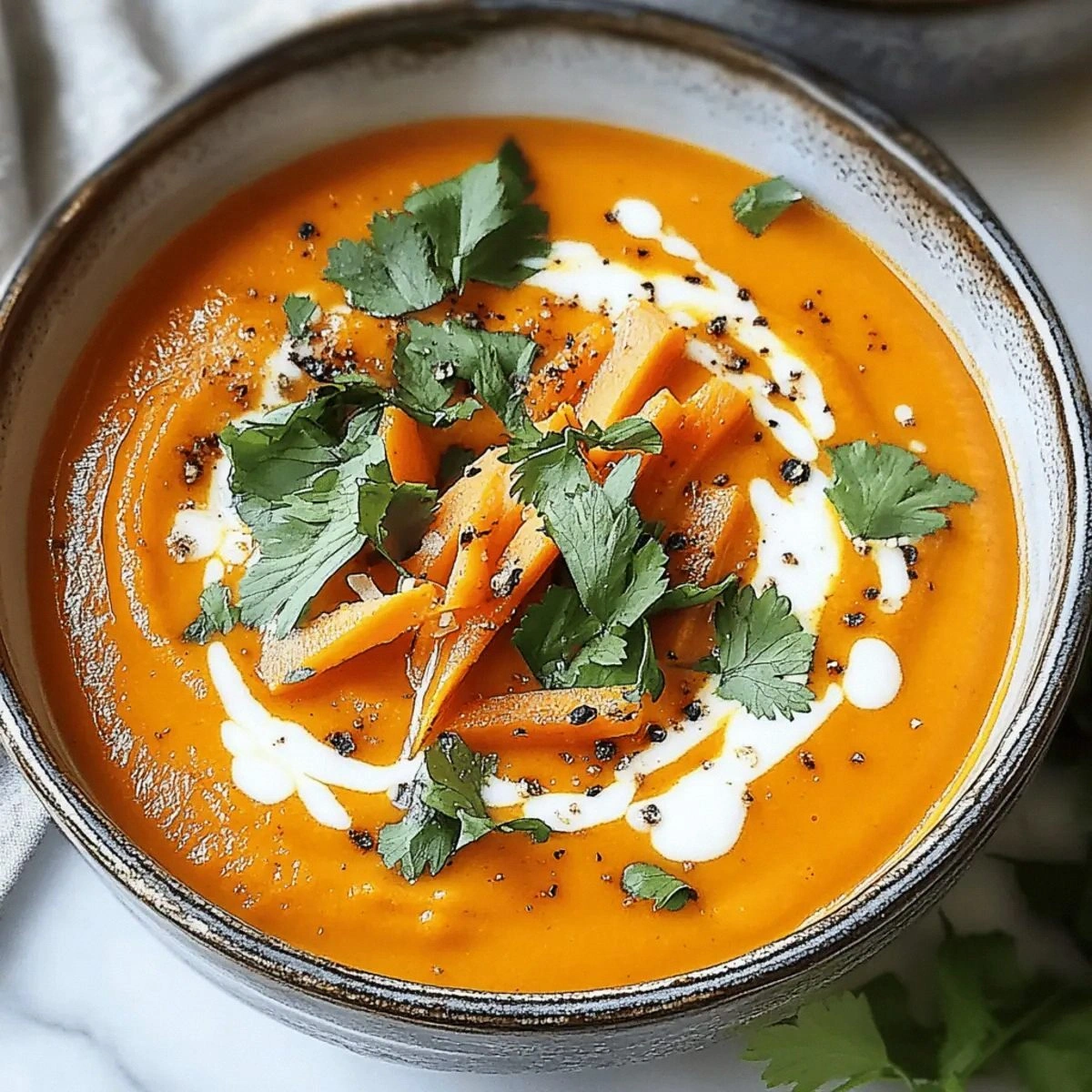
- Keep it warm over the lowest heat while you prep garnishes: toast pumpkin seeds in a dry pan until they pop like sesame, or swirl a ribbon of coconut milk on top for Instagram bragging rights. Serve in warmed bowls; cold porcelain will steal the heat faster than a pickpocket on the subway. Finish with a squeeze of lime and watch the color brighten like you slid the saturation bar in a photo app.
That's it—you did it. But hold on, I've got a few more tricks that'll take this to another level...
Insider Tricks for Flawless Results
The Temperature Rule Nobody Follows
Most people serve soup straight from the boil, but anything above 160°F numbs your taste buds faster than a dentist's shot. Let the soup rest off heat for five minutes before ladling; you'll suddenly taste the ginger's citrusy top notes and the carrots' honey-like sweetness that were hiding behind the steam. If you're reheating, warm gently over low, stirring often, and stop as soon as tiny bubbles form around the edge. Your tongue—and your guests—will thank you.
Why Your Nose Knows Best
Before salting, stick your nose right over the pot and inhale. If you smell raw carrot candy, it needs salt. If you smell chicken broth even though it's vegan, it's over-salted. The aroma should hit you like a tropical breeze with a ginger snap in its teeth. Trust your schnozz; it's picked up evolutionary tricks your conscious brain hasn't cataloged.
The 5-Minute Rest That Changes Everything
After blending, let the soup sit uncovered for five minutes before serving. This brief pause allows the ginger's spicy compounds to calm down and marry the coconut fat, turning harsh heat into a warm hug. Stir once more before ladling; you'll notice the color deepen to a sunset orange that makes people reach for their phones.
The Garnish Game-Changer
Reserve a few roasted carrot coins and sliver them into matchsticks. Float them on top with toasted coconut flakes and a drizzle of chili oil so each spoonful has a chewy, crunchy, creamy trio. Texture keeps your palate interested all the way to the bottom of the bowl, and people will think you attended culinary school in Thailand.
Creative Twists and Variations
This recipe is a playground. Here are some of my favorite ways to switch things up:
Thai Takeover
Swap the cayenne for a minced Thai bird chili and add a stalk of lemongrass while simmering. Finish with a splash of fish sauce (or soy for vegan) and a handful of chopped cilantro. Suddenly you're on a beach in Koh Samui, barefoot and blissful.
Carrot Cake in a Bowl
Stir in a pinch of cinnamon, nutmeg, and allspice, then top with candied pecans and a dollop of maple-sweetened coconut yogurt. It tastes like your favorite bakery but without the sugar coma.
Sweet Heat Moroccan
Add a teaspoon of harissa paste and a handful of golden raisins while the carrots simmer. Finish with toasted almonds and a squeeze of orange juice. The sweet-spicy-savory combo will have you booking flights to Marrakech.
Green Goddess Glow
Blend in a cup of fresh spinach at the very end; the color turns an electric green-orange that looks like a superhero's energy drink. Top with hemp seeds and diced avocado for a wellness-blogger vibe.
Smoky Carrot Bacon
Roast the carrots with a dusting of smoked paprika, then garnish with coconut flakes tossed in soy sauce and baked until crisp. You get all the bacon vibes without the pig.
Apple Orchard Edition
Add one peeled, diced apple to the pot while sautéing; it brightens the sweetness and gives the soup a subtle orchard perfume. Perfect for those first crisp October nights.
Storing and Bringing It Back to Life
Fridge Storage
Pour cooled soup into glass jars, leaving an inch of space at the top so it can expand like a comfy sweater. It'll keep for five days, but the color may dull slightly—just stir in a squeeze of citrus before serving to wake it back up. If it thickens to baby-food status, thin with vegetable broth or water until it pours like heavy cream.
Freezer Friendly
Ladle the soup into silicone muffin molds and freeze; once solid, pop out the pucks and store in a zip-top bag. Each puck is about half a cup, so you can reheat exactly what you need without thawing the whole batch. They'll keep for three months, but good luck letting them last that long.
Best Reheating Method
Thaw overnight in the fridge, then warm gently in a saucepan with a splash of water over medium-low heat, stirring often. Avoid the microwave if you can; it heats unevenly and can turn the coconut milk grainy. Once steaming, hit it with a fresh crack of pepper and a tiny pinch of salt to wake up the flavors.