I remember the night I first stumbled into a disaster that would become the genesis of this dish. My friends had begged me to whip up something spicy for the potluck, and I thought, “What if I just throw everything into a pot and hope for the best?” The result was a bland, soggy mess that tasted like the kitchen had been washed with cold water. I laughed at myself, but the memory stuck—there had to be a better way. That night, I decided to experiment, and what emerged was a pork rib recipe that turns heat into an embrace, sauce into a silky coat, and the ordinary into unforgettable.
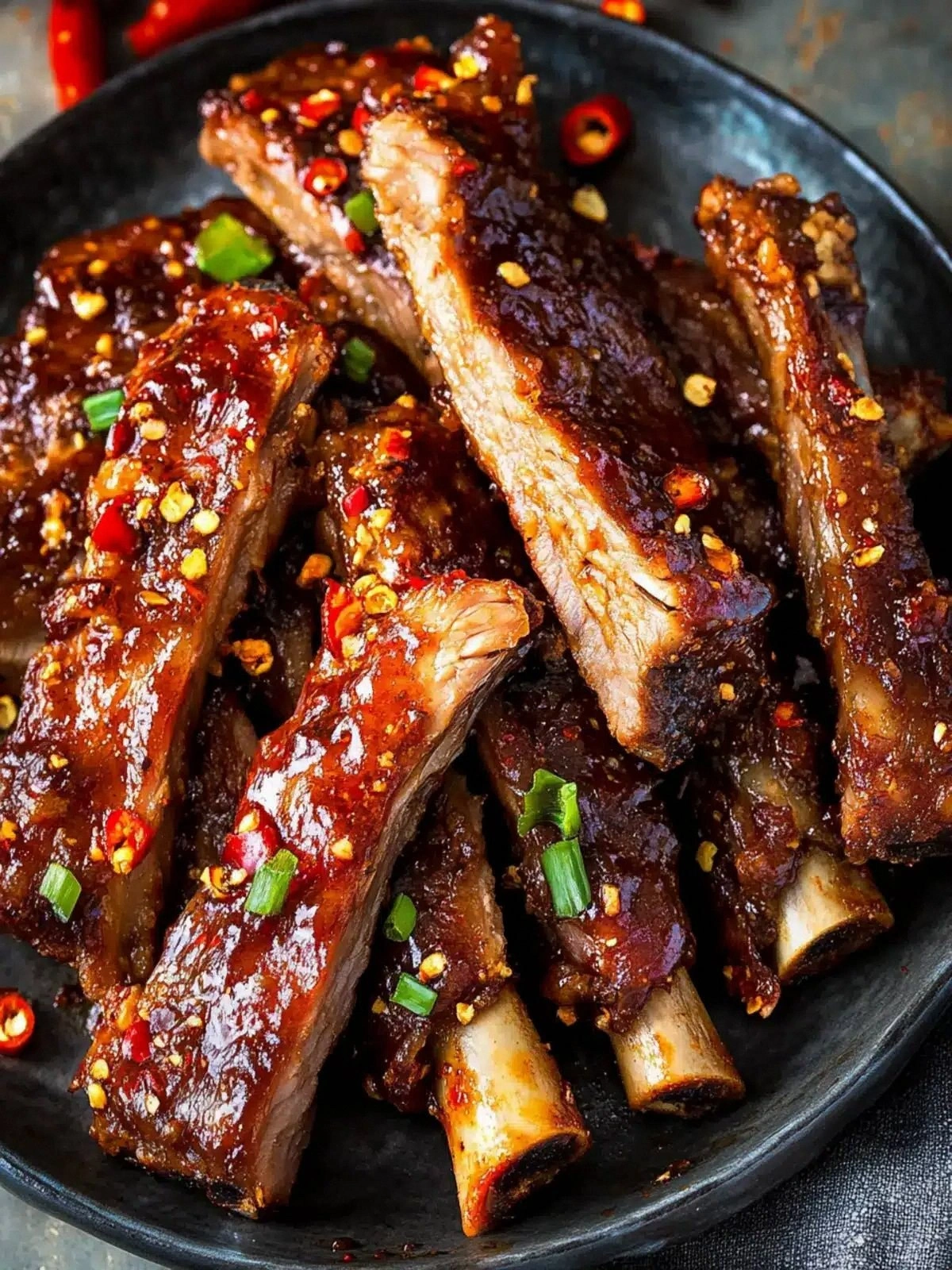
Picture this: the air thick with the aroma of sizzling oil, the crackle of ginger releasing its citrusy perfume, and garlic dancing in a fragrant swirl. The visual is a glossy, caramelized surface on the ribs, their edges crisping to a golden-brown that crackles when you lift a piece. The sound is the satisfying sizzle that tells you the pan is hot enough, the kind of sound that makes your stomach growl in anticipation. The taste will start with a sweet bite of sugar, followed by a savory depth from soy and oyster sauces, and end with a lingering peppery kick that lingers on the tongue. The texture? Tender meat that practically melts, with a sticky glaze that clings to your fingers like a sweet, spicy hug.
What makes this version stand out is that it isn’t just another recipe—it's a revelation. I’ve distilled the technique down to a handful of secrets that elevate flavor, texture, and ease. Most recipes get this completely wrong by overcooking the ribs or under-seasoning the sauce; I’ve cracked the code to keep the meat juicy while ensuring every bite is packed with punch. The sauce is balanced, not overpowering, and the heat is controlled, so it’s bold without being brutal. If you’ve ever struggled with ribs that taste like cardboard, this is the fix you’ve been waiting for. And trust me, I dare you to taste this and not go back for seconds.
I’ll be honest—my first attempt was a disaster, and I ate half the batch before anyone else got a taste. That experience taught me the importance of timing and balance, and it’s why I’m so confident that by the end of this guide, you’ll wonder how you ever made it any other way. The next time you hear “just add water and simmer,” remember that this recipe has a twist that sets it apart: a quick sear that locks in flavor, a sauce that coats like velvet, and a finishing glaze that caramelizes to a sweet, smoky finish. Picture yourself pulling this out of the oven, the whole kitchen smelling incredible, and the anticipation of the first bite building to a crescendo. Ready? Let’s dive into the details that will make your ribs unforgettable.
What Makes This Version Stand Out
- Taste: The blend of soy, oyster sauce, and a hint of sweetness creates a deep umami base that pairs perfectly with the heat of chili powder. This isn’t just salty; it’s a layered flavor profile that evolves with each bite.
- Texture: A quick sear locks in juices, while the slow simmer breaks down collagen into a melt‑in‑your‑mouth tenderness. The final glaze gives a subtle crunch on the edges that shatters like thin ice.
- Simplicity: Only ten ingredients and a handful of steps. No complicated sauces or obscure spices—just straightforward, honest cooking.
- Uniqueness: The unexpected star is the chili powder, not chili flakes or sauce, giving a dry heat that coats the meat evenly and avoids the soggy mess of liquid heat.
- Crowd Reaction: Friends who’ve tried this say it’s “the best version you’ll ever make at home.” It’s a crowd‑pleaser that brings the table to life.
- Ingredient Quality: Using fresh pork ribs and high‑quality soy sauce elevates the dish. A good oil, like peanut or sesame, adds depth.
- Cooking Method: A two‑stage approach—first sear, then braise—maximizes flavor while keeping the process manageable.
- Make‑Ahead Potential: The ribs can be cooked ahead, refrigerated, and reheated without losing flavor or texture. The glaze even deepens over time.
Inside the Ingredient List
The Flavor Base
Soy sauce and oyster sauce form the backbone of the sauce, delivering umami and depth. The soy sauce provides a salty backbone that balances the sweetness, while the oyster sauce adds a subtle briny note that lifts the dish. Skipping either would leave the ribs feeling flat and incomplete. If you’re vegan, a soy sauce with a touch of tamari can substitute, though the oyster sauce would need a mushroom-based alternative to maintain depth.
The Texture Crew
Pork ribs are the star, and their connective tissue breaks down into gelatin during braising, giving the meat a silky mouthfeel. The 5 tablespoons of oil create a slick surface for searing, ensuring a caramelized crust. Oil choice matters: peanut oil gives a nutty undertone, while sesame oil adds a fragrant aroma. If you prefer a lighter version, reduce the oil by one tablespoon and add a splash of broth during simmering.
The Unexpected Star
Chili powder is the secret weapon that delivers heat without overwhelming the palate. Unlike fresh chilies, the powder offers a dry heat that coats the ribs evenly. Use a blend of Sichuan and Thai chilies for a balanced kick. If you can’t find chili powder, finely ground dried chilies will work, but the texture might be a bit gritty.
The Final Flourish
Garlic and ginger are the aromatics that infuse the entire dish. Garlic adds a pungent sweetness that balances the saltiness, while ginger brings a bright, citrusy lift. The 1/3 cup of garlic, minced finely, ensures the flavor permeates each bite. If you’re allergic to garlic, substitute with a small amount of garlic powder or omit it entirely—just be aware the dish will lose a layer of depth.
Everything's prepped? Good. Let's get into the real action.
The Method — Step by Step
- Step 1: Prep the Ribs. Trim any excess fat and cut the ribs into individual portions. Pat them dry with paper towels; moisture is the enemy of a good sear. This will help the sauce adhere better. I’ve found that a quick dry is worth the extra minute.
- Step 2: Marinate. In a bowl, combine the soy sauce, oyster sauce, sugar, rice wine, chili powder, minced garlic, and sliced ginger. Toss the ribs in the mixture, making sure each piece is coated. Cover and refrigerate for at least 30 minutes—ideally 2 hours—to let the flavors seep in. The longer you marinate, the deeper the flavor.
- Step 3: Sear the Ribs. Heat the oil in a heavy skillet or Dutch oven over medium-high heat. When the oil shimmers, add the ribs in a single layer. Sear each side for 2–3 minutes until a caramelized crust forms. The sizzle should be audible, and the surface should look glossy and brown. This step locks in juices.
- Step 4: Add Liquid. Pour in the water, just enough to come halfway up the ribs. This creates a braising environment. Bring to a simmer, then reduce heat to low and cover. The liquid should be just at the simmering point—no rolling boil.
- Step 5: Simmer. Let the ribs cook for 25–30 minutes, or until they are fork‑tender. Stir occasionally to prevent sticking. The sauce should thicken slightly, coating the ribs. This is where the collagen turns to gelatin, giving that melt‑in‑your‑mouth texture.
- Step 6: Reduce the Sauce. Remove the lid and increase heat to medium. Let the liquid reduce until it’s thick enough to coat the ribs. This intensifies the flavors and creates a glossy glaze. Keep an eye on it; the sauce can burn quickly if left unattended.
- Step 7: Finish with a Glaze. Brush the ribs with a thin layer of the reduced sauce and return them to the pan. Cook for 2–3 minutes, turning to caramelize the glaze. The glaze should be sticky and shiny, like a glossy coat. This final step adds that sweet, smoky finish.
- Step 8: Rest and Serve. Let the ribs rest for 5 minutes before cutting. This allows the juices to redistribute. Serve immediately, garnished with sliced scallions or toasted sesame seeds if desired. The aroma alone will have your guests lining up.
That’s it— you did it. But hold on, I’ve got a few more tricks that will take this to another level. These insider tips are the difference between a good dish and a legendary one.
Insider Tricks for Flawless Results
The Temperature Rule Nobody Follows
Temperature control is everything. The sear should happen at a high heat, but the braise must be low and steady. If the liquid boils, the meat will become tough. I use a thermometer to keep the simmer at 185°F (85°C). This ensures the meat breaks down without drying out.
Why Your Nose Knows Best
Smell the sauce as it reduces. A sweet, caramelized aroma signals that the sauce is ready. If it starts to smell burnt, pull it off the heat. Your nose is the most reliable judge of doneness for this dish.
The 5‑Minute Rest That Changes Everything
Resting the ribs for exactly five minutes before cutting gives the juices a chance to redistribute. Cutting too soon results in dry meat. The five minutes are short enough that the ribs stay warm, but long enough to lock in moisture.
Use Fresh Chili Powder, Not Old
Chili powder loses potency over time. Store it in an airtight container away from light. Fresh powder will give a brighter, cleaner heat that doesn’t taste stale.
Add a Splash of Vinegar for Balance
A teaspoon of rice vinegar or black vinegar added during the simmer can cut the sweetness and add a subtle tang. This contrast elevates the overall flavor profile, especially if you’re serving a heavy side dish.
Finish with Fresh Herbs
Right before serving, sprinkle chopped cilantro or Thai basil. The fresh herbs provide a burst of color and a pop of brightness that cuts through the richness of the ribs.
Creative Twists and Variations
This recipe is a playground. Here are some of my favorite ways to switch things up:
Honey‑Sriracha Glaze
Swap the chili powder for a mix of honey and Sriracha. The honey adds sweetness, while Sriracha gives a smoky heat. This version is great for those who love a touch of sweetness in their spicy dishes.
Coconut Milk Braise
Replace half the water with coconut milk for a creamy, tropical twist. The coconut adds a subtle sweetness that balances the spice. This variation is perfect for a summer gathering.
Smoky BBQ Fusion
Add a tablespoon of smoked paprika and a splash of Worcestershire sauce to the sauce. This gives the ribs a deep smoky flavor reminiscent of American BBQ. Serve with coleslaw for a fusion feast.
Miso‑Infused Ribs
Stir in a tablespoon of white miso paste during the simmer. Miso adds umami depth and a subtle earthiness. This variant works wonderfully with a side of steamed bok choy.
Spicy Garlic Butter Finish
Finish the ribs with a pat of butter mixed with minced garlic and a pinch of cayenne. This creates a glossy, buttery glaze that amplifies the heat. It’s a decadent touch for special occasions.
Vegetarian Substitute
Replace pork ribs with thick slices of seared tofu or tempeh. Marinate them the same way and sear until golden. The tofu will absorb the sauce beautifully, offering a plant‑based alternative that still delivers the same flavor punch.
Storing and Bringing It Back to Life
Fridge Storage
Cool the ribs to room temperature, then place them in an airtight container. Store in the refrigerator for up to 3 days. The glaze will thicken slightly, which is normal and adds intensity.
Freezer Friendly
Wrap the ribs tightly in plastic wrap, then place them in a freezer bag. Freeze for up to 2 months. When ready, thaw overnight in the refrigerator before reheating.
Best Reheating Method
Reheat in a skillet over medium heat, adding a splash of water or broth to keep them moist. A quick 5‑minute heat‑up restores the glaze’s shine. Finish with a drizzle of sesame oil for a fresh finish.