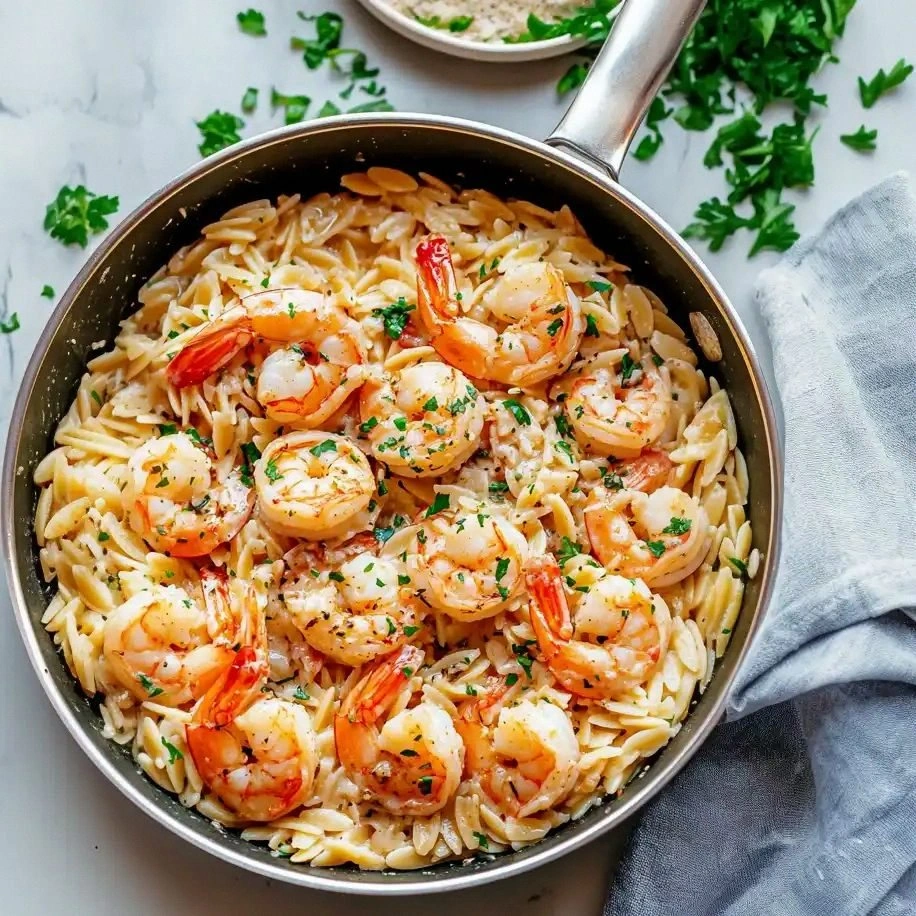
I still remember the night I tried to make a simple shrimp scampi and ended up with a kitchen that smelled like burnt garlic and a pan that looked like it had seen a war. I was craving that bright, buttery splash of flavor, and I thought, “Why not turn this into a masterpiece?” The result? A dish that practically sings in your mouth, where the shrimp are seared to a perfect pink and the sauce coats the orzo like velvet. That first bite was a revelation, and I knew I had to share the secret that made it so unforgettable.
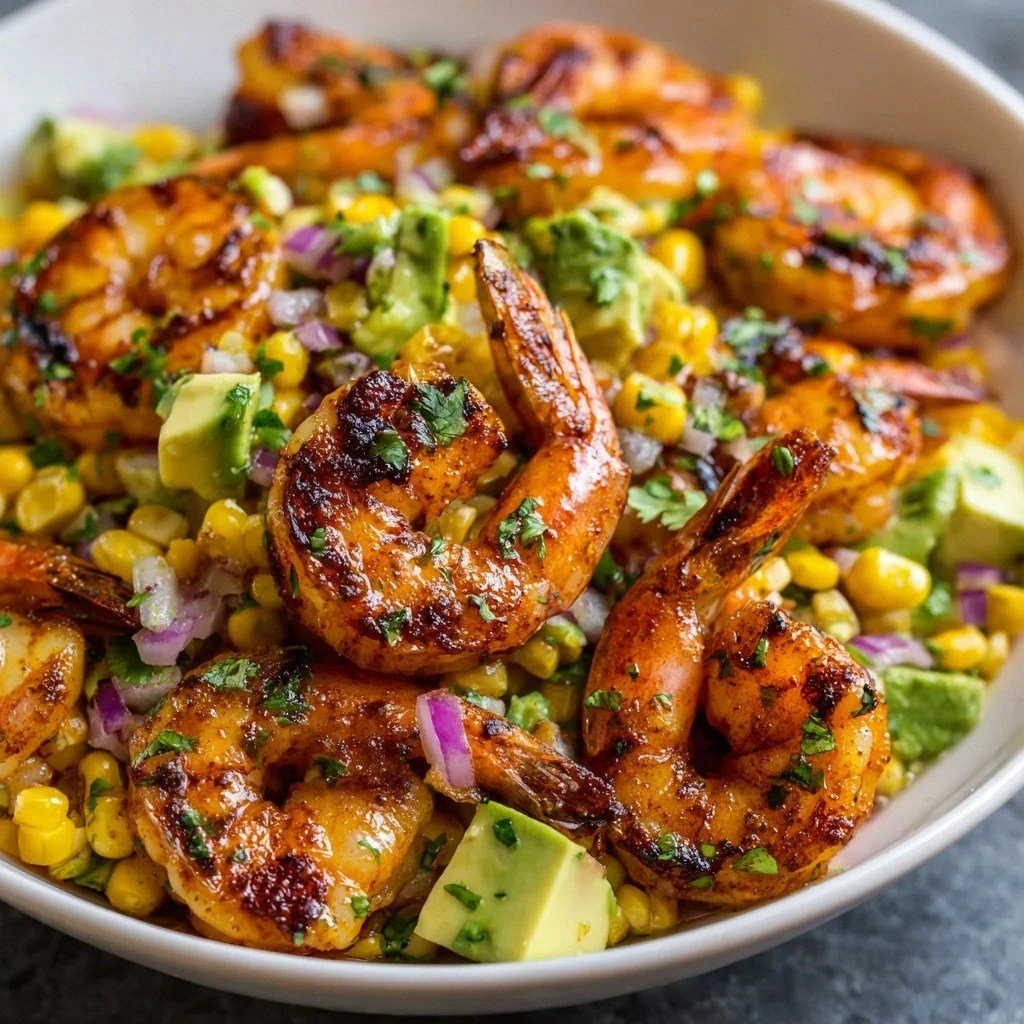
Picture this: a sizzling pan, the aroma of garlic and butter rising like a fragrant cloud, the sound of shrimp popping with a satisfying crack. The sight of bright green parsley dancing in the sauce, the texture of perfectly cooked orzo, and the taste of lemon brightening every bite—this is the kind of sensory fireworks that turns dinner into an event. I’ve tasted countless scampi recipes, but this version has a depth that feels like a well‑crafted symphony, not just a quick stir‑and‑serve. The secret? A few intentional tweaks that elevate every component.
I dare you to taste this and not go back for seconds. I’ll be honest—I ate half the batch before anyone else got to try it. Most recipes get this completely wrong by over‑cooking the shrimp or using too much oil, but here we preserve the shrimp’s natural sweetness while letting the butter and wine do the heavy lifting. The sauce is silky, the orzo is al dente, and the finish is a bright lemon kiss that lingers. By the end of this post, you’ll wonder how you ever made it any other way.
Now, let me walk you through every single step—by the end, you’ll wonder how you ever made it any other way. This isn’t just a recipe; it’s a lesson in balancing flavors, textures, and timing. Keep your eyes on the stove, your hands steady, and your palate ready for a culinary adventure that’s both approachable and impressive. Let’s dive in.
What Makes This Version Stand Out
- Flavor Brilliance: The combination of butter, olive oil, and white wine creates a sauce that’s both rich and balanced. The acidity of the wine cuts through the butter’s heaviness, while the garlic provides a punch that never overwhelms.
- Texture Harmony: The shrimp are seared just enough to develop a crisp exterior while remaining tender inside. The orzo remains al dente, offering a subtle chew that contrasts with the silky sauce.
- Speed & Simplicity: In under 30 minutes you’ll have a gourmet‑looking dish that feels effortless. The few ingredients mean fewer clean‑ups, but the flavor is no compromise.
- Ingredient Quality: Using fresh, high‑quality shrimp and fresh herbs makes all the difference. The dish is a showcase of what good ingredients can do when handled with care.
- Crowd‑Pleaser: Friends and family rave about the buttery garlic hit and the bright lemon finish. It’s a dish that works for a quick weeknight or a special dinner.
- Make‑Ahead Potential: You can prep the sauce and cook the orzo ahead of time; just reheat gently and the dish will still feel fresh.
- Versatility: The recipe adapts beautifully to substitutions—swap orzo for linguine, or use a different protein like scallops or chicken.
- Presentation: The final dish looks vibrant with a sprinkle of parsley and Parmesan, making it Instagram‑ready without any extra effort.
Alright, let's break down exactly what goes into this masterpiece…
Inside the Ingredient List
The Flavor Base
Butter & Olive Oil: The butter gives the sauce a luxurious mouthfeel, while the olive oil adds a subtle peppery depth that prevents the butter from becoming too heavy. If you’re looking for a lighter version, replace half the butter with more olive oil—your palate will still thank you. Skipping either would leave the sauce thin and bland, so keep both.
Garlic: Fresh cloves are the backbone of this dish. They provide a sharp, aromatic foundation that lifts the entire flavor profile. If you’re a garlic lover, feel free to double the amount; if you’re more sensitive, reduce to four cloves. The key is to sauté until golden, not browned, to avoid bitterness.
The Texture Crew
Orzo Pasta: This small, rice‑shaped pasta holds the sauce beautifully and offers a subtle chew. If you prefer a heartier texture, switch to small shells or even spaghetti. Cook the orzo al dente to prevent it from turning mushy when combined with the sauce.
Parmesan Cheese: Grated Parmesan adds a salty, nutty finish that balances the acidity of the lemon. A sprinkle on top before serving creates a slight crust that adds visual appeal and flavor contrast. If you’re lactose intolerant, a vegan parmesan can be used, though the flavor will differ slightly.
The Unexpected Star
White Wine: A dry white wine is the secret to achieving that silky sauce. It deglazes the pan, lifts the browned bits, and adds a subtle fruitiness that complements the shrimp. If you don’t have wine, a splash of chicken broth plus a dash of lemon juice can mimic the acidity.
Lemon Juice: The fresh lemon juice brightens the dish and provides a natural acidity that cuts through the richness. Use a fresh lemon rather than bottled for the best flavor. Be careful not to over‑squeeze; a good balance keeps the sauce from becoming too tart.
The Final Flourish
Red Pepper Flakes: A pinch of red pepper flakes adds a subtle heat that lifts the dish without overpowering it. If you’re heat‑averse, omit them entirely. Conversely, add more for a spicier kick, but remember the pepper will intensify as the dish cools.
Fresh Parsley: This herb brings a burst of color and a fresh, slightly peppery note that balances the buttery sauce. Use a generous handful, and sprinkle it on top just before serving for a pop of green. If parsley isn’t available, a pinch of dried basil can work as a substitute, though the flavor will shift.
Everything's prepped? Good. Let's get into the real action…
The Method — Step by Step
- Step 1: Prep the Shrimp - Rinse the shrimp under cold water, pat dry, and season with salt, pepper, and a light dusting of red pepper flakes. The seasoning should coat the shrimp evenly to create a flavorful crust when seared. While you do this, let the shrimp sit at room temperature for 5 minutes; this helps them cook more evenly. The aroma of the seasoned shrimp is already a promise of what’s to come.
- Step 2: Cook the Orzo - In a large pot, bring salted water to a boil and add the orzo. Stir occasionally to prevent sticking, and cook for 8–9 minutes until al dente. Drain the pasta, reserving a cup of the cooking liquid for later. Toss the drained orzo with a splash of olive oil to keep it from clumping; this also adds a subtle sheen.
- Step 3: Sear the Shrimp - Heat a large skillet over medium‑high heat and add 1 tablespoon of butter and 2 tablespoons of olive oil. Once the butter foams, add the shrimp in a single layer. Sear for 2 minutes on each side until they turn pink and develop a slight golden crust. Flip only once; this keeps the shrimp juicy. Remove the shrimp to a plate and set aside—watch the sizzle, it’s a sign the pan is hot enough.
- Step 4: Build the Sauce - In the same skillet, reduce the heat to medium and add the remaining butter and olive oil. Toss in the minced garlic and sauté until fragrant, about 30 seconds. Add the white wine, letting it reduce by half; this concentrates the flavor and eliminates the raw alcohol taste. The sauce should have a glossy sheen and a subtle aroma of citrus and herbs.
- Step 5: Finish the Sauce - Stir in the lemon juice, grated Parmesan, and a splash of reserved pasta water to loosen the sauce. The cheese should melt into a silky, velvety coating. If the sauce becomes too thick, add a bit more pasta water until it reaches your desired consistency. The sauce should cling to the back of a spoon, not slide off.
- Step 6: Combine Shrimp and Pasta - Return the seared shrimp to the skillet, tossing them gently into the sauce. Add the cooked orzo and stir to coat evenly. If the sauce seems thin, let it simmer for an extra minute to reduce further. The shrimp should be heated through, and the pasta should be glossy and flavorful.
- Step 7: Final Touches - Sprinkle fresh parsley over the top, giving the dish a bright, herbal note. Taste for seasoning, adding a pinch more salt or a squeeze of lemon if needed. The final plate should look vibrant and inviting, with a glossy sauce that glistens.
- Step 8: Serve Immediately - Plate the shrimp scampi over a bed of orzo, ensuring each forkful gets a generous amount of shrimp and sauce. Serve hot with a side of crusty bread to mop up any remaining sauce. The dish is at its peak when it’s fresh and steaming.
That's it — you did it. But hold on, I've got a few more tricks that'll take this to another level…
Insider Tricks for Flawless Results
The Temperature Rule Nobody Follows
Maintain a steady pan temperature. The shrimp need a hot surface to sear quickly, but the sauce requires a gentle simmer. Start with high heat for the shrimp, then reduce to medium for the sauce. If you’re not sure, test the pan by flicking a few drops of water; they should sizzle and evaporate almost instantly.
Why Your Nose Knows Best
Use your sense of smell to gauge doneness. The garlic should have a warm, nutty aroma, not a sharp, burnt smell. When the lemon juice hits the pan, you’ll hear a subtle hiss that signals the alcohol is evaporating. Trust the scent; it’s the quickest way to avoid overcooking.
The 5-Minute Rest That Changes Everything
Let the dish rest for five minutes. This allows the flavors to meld and the sauce to thicken slightly. While the dish rests, the shrimp will finish cooking in the residual heat, ensuring they stay tender. A quick rest also lets the pasta absorb any remaining sauce.
The Right Salt Balance
Season in stages. Add a pinch of salt to the shrimp first, then adjust after the sauce is finished. Over‑salting at the beginning can make the shrimp taste flat; a final seasoning tweak brings out the brightness.
The Sauce’s Secret Companion
Reserve pasta water. A splash of starchy water keeps the sauce silky and helps it cling to the pasta. If the sauce feels too thick, add a tablespoon at a time until it reaches the right consistency. The water also balances the acidity of the lemon.
Creative Twists and Variations
Scampi with a Mediterranean Twist
Swap the orzo for small shells and add a handful of sun‑dried tomatoes for a burst of umami. The shells hold the sauce beautifully, and the tomatoes add a chewy texture that contrasts with the shrimp’s softness. This version is perfect for a sunny afternoon gathering.
Crispy Coconut Shrimp Scampi
Coat the shrimp in a light coconut flour batter before searing for a tropical crunch. The coconut adds a sweet, nutty flavor that pairs wonderfully with the lemony sauce. Serve over rice to absorb the extra coconut aroma.
Vegan Scampi Delight
Replace shrimp with marinated tofu cubes and use coconut milk instead of butter. The tofu will absorb the sauce, and the coconut milk adds a creamy texture. Top with fresh basil for a green, herbaceous finish.
Pasta Swap: Fettuccine Flair
Use fettuccine for a broader canvas that holds the sauce like a blanket. The wide noodles allow for more shrimp per bite, creating a hearty, satisfying dish. It’s a great way to make the recipe feel more luxurious.
Spicy Sriracha Scampi
Add a tablespoon of sriracha to the sauce for a fiery kick. The heat will cut through the richness of the butter, creating a balanced, spicy-sweet profile. Pair with a cool cucumber salad to cool the palate.
Herb‑Infused Scampi
Swap parsley for a blend of fresh thyme, oregano, and basil. The herbs will give the dish a deeper, earthier aroma and flavor. This version is ideal for a rustic dinner party.
Storing and Bringing It Back to Life
Fridge Storage
Cool the dish completely before placing it in an airtight container. Store in the refrigerator for up to 2 days. The sauce may thicken slightly, so reheat gently with a splash of pasta water to restore its silky texture.
Freezer Friendly
If you want to freeze, separate the orzo from the shrimp and sauce. Freeze each component in a freezer‑safe bag. When ready to eat, thaw overnight and reheat in a skillet, adding a splash of water or broth to loosen the sauce.
Best Reheating Method
Reheat on low heat, stirring constantly, and add a tiny splash of water or lemon juice. This prevents the sauce from drying out and keeps the shrimp from becoming rubbery. Serve immediately for the best texture.