I was standing in my kitchen, a lone whisk in hand, watching the batter bubble like a volcano on a bad day. My friend had dared me to create the ultimate peanut butter cookie that would outshine every cookie shop’s offerings. I stared at the ingredients list, feeling a mix of excitement and dread. The kitchen lights flickered as I poured the last drop of maple syrup, and the air smelled like sweet promise. My hands trembled with anticipation, but I knew this would be the moment that turned a simple craving into culinary legend. I was about to prove that peanut butter could be both humble and heroic.
The sound of the spoon slapping the mixing bowl was a steady drumbeat, while the aroma of toasted oat flour and melted coconut oil filled the space between the cabinets. I could almost taste the buttery tang of the peanut butter rising from the batter, the maple syrup adding a glossy sheen that promised a caramelized finish. The texture of the dough felt silky, a contrast to the coarse crunch of the oat flour that would later give each cookie a satisfying bite. When I pressed a small mound onto the baking sheet, it left a faint indentation that would become a subtle signature of the cookie’s depth. The heat of the oven was a comforting hum, a promise that the batter would transform into something divine. Every sense was in sync, and the kitchen felt like a stage set for a culinary masterpiece.
What makes this version stand out is not just the ingredients but the philosophy behind them. The oat flour gives a wholesome crunch that keeps the cookies from turning into a greasy mess. Peanut butter is used in two distinct amounts: the first cup provides richness, while the quarter cup adds a subtle, almost buttery layer that melts into the dough. Dark chocolate chips are folded in for bursts of bittersweet intensity, and a half cup of dark chocolate creates a molten center that oozes when you bite into it. Maple syrup replaces refined sugar, giving a natural sweetness that pairs beautifully with the deep cocoa notes. Coconut oil keeps the dough tender, preventing the cookies from becoming too dry or crumbly. Vanilla extract ties all the flavors together with a warm, aromatic undertone that lingers long after the last bite.
I dare you to taste this and not go back for seconds. This is hands down the best version you'll ever make at home, and it will rewrite your expectations of what a peanut butter cookie can be. Picture yourself pulling this out of the oven, the whole kitchen smelling incredible, and the first bite releasing a symphony of sweet, nutty, and chocolatey flavors. The texture is a perfect balance—crispy edges that crackle like thin ice, a chewy center that holds its shape, and a melt-in-your-mouth finish that leaves a lingering peanut buttery aftertaste. If you've ever struggled with cookie dough that turns out too dry or too sweet, you're not alone—this recipe has the fix. Stay with me here—this is worth it.
What Makes This Version Stand Out
- Texture: The oat flour base creates a satisfying crunch that contrasts with the chewy, chocolate-filled center, preventing the cookie from becoming a soggy slab.
- Flavor: A double dose of peanut butter layers nutty richness, while maple syrup adds natural sweetness that balances the bitterness of dark chocolate.
- Healthier Choice: Replacing refined sugar with maple syrup and using oat flour keeps the cookie wholesome without compromising decadence.
- Chocolate Intensity: The combination of chocolate chips and a half cup of melted dark chocolate delivers a molten core that melts in your mouth.
- Moisture Control: Coconut oil keeps the dough tender, ensuring the cookies are soft inside while crisp on the edges.
- Make‑Ahead Potential: Once baked, these cookies stay fresh for a week when stored in an airtight container, making them perfect for parties or gifting.
- Versatility: The recipe is easily adjustable for dietary needs—swap oat flour for almond flour or use a sugar substitute for a lower-carb version.
Inside the Ingredient List
The Flavor Base
Oat flour is the cornerstone of this cookie, providing a subtle, slightly sweet flavor that complements the rich peanut butter. It also adds a pleasant chewiness that keeps the cookie from becoming too dense. If you’re allergic to oats, almond flour is a good alternative, though it will introduce a nuttier tone. Choosing a high‑protein oat flour can boost the nutritional profile, giving each bite a protein punch. Skipping oat flour entirely will result in a cookie that feels more like a butter cake than a cookie, losing that essential crunch.
The Texture Crew
Smooth peanut butter is used in two amounts: the first cup forms the backbone of the dough, giving it a buttery mouthfeel, while the quarter cup is folded in later to create a subtle, melt-in-your-mouth layer. Coconut oil acts as a tenderizer, keeping the cookie soft without adding extra sweetness. Maple syrup replaces refined sugar, providing natural sweetness and a caramelized finish when baked. Vanilla extract is the aromatic glue that ties all flavors together, giving depth without overpowering the peanut butter.
The Unexpected Star
Dark chocolate chips are the instant crowd-pleaser, popping with chocolate bursts in each bite. The half cup of dark chocolate, melted and folded in, creates a molten center that oozes when you bite. If you prefer a milder chocolate flavor, use milk chocolate chips and replace the melted dark chocolate with a smaller amount of white chocolate. A pinch of sea salt on top before baking can enhance the sweet and chocolate notes, creating a flavor contrast that’s hard to ignore. Skipping chocolate entirely will make the cookie less decadent, but the peanut butter will still shine.
The Final Flourish
The 1/4 teaspoon of salt is a critical seasoning that balances the sweetness and brings out the richness of the peanut butter. A tiny splash of water can be added if the dough feels too dry, ensuring a cohesive texture. The final touch of a light dusting of cocoa powder on top adds a visual pop and a subtle bitterness that complements the chocolate. If you’re feeling adventurous, a sprinkle of crushed sea salt after baking can add a crunchy, savory finish. Each of these elements works together to create a cookie that is both complex and comforting.
Everything's prepped? Good. Let's get into the real action.
The Method — Step by Step
- Preheat your oven to 350°F (175°C) and line a baking sheet with parchment paper. The parchment prevents sticking and ensures even browning. While the oven warms, gather all your ingredients, because timing is everything in cookie making. This is the moment of truth, so make sure you’re ready to move quickly.
- In a large bowl, whisk together the oat flour, salt, and maple syrup until the mixture is uniform. The maple syrup should coat the flour, turning the dry mixture into a thick paste. This step is crucial for achieving the right dough consistency; too dry and the cookies will crumble, too wet and they’ll spread too much. If the dough feels too sticky, add a tablespoon of oat flour to bring it together.
- Add the first cup of smooth peanut butter and melted coconut oil to the flour mixture. Stir with a rubber spatula until the dough becomes a smooth, cohesive ball. The peanut butter should be fully integrated, creating a rich, creamy base that will carry the chocolate later. Watch the dough change texture as the oils and butter blend in.
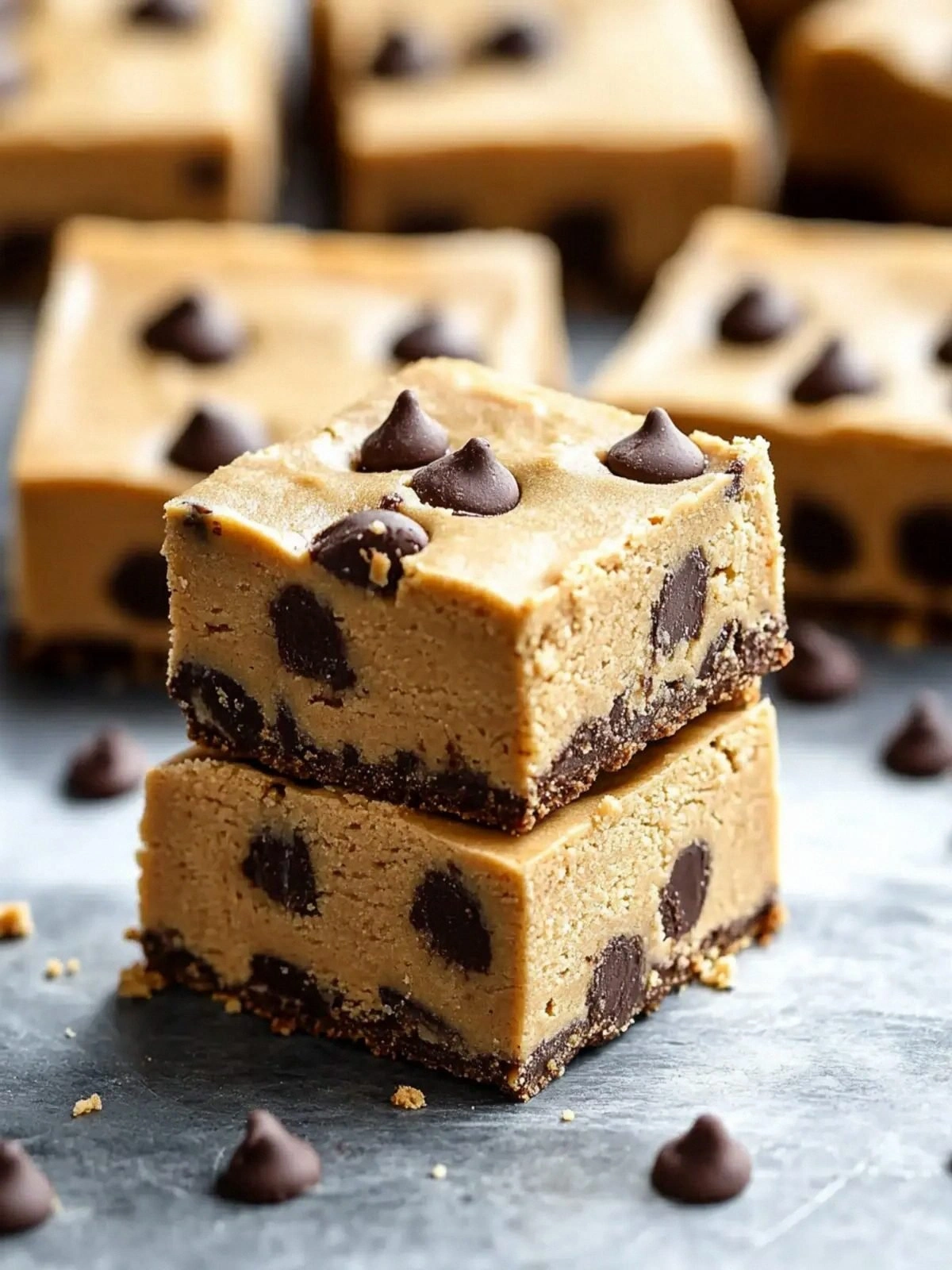
- Fold in the dark chocolate chips and the melted dark chocolate, ensuring an even distribution of chocolate throughout the dough. The chocolate chips give instant bursts of flavor, while the melted chocolate creates a molten center. This step is where the cookies truly start to feel decadent. If you prefer a less intense chocolate flavor, reduce the amount of melted chocolate.
- Using a tablespoon, scoop the dough onto the prepared baking sheet, spacing each mound about two inches apart. Press down lightly to flatten the top, as this will give the cookies a slightly even shape. The dough should hold its form without spreading too much, which is a sign it’s ready for the oven.
- Bake for 12–14 minutes, or until the edges turn golden brown and the tops look set. The cookies should still feel slightly soft in the center, as they will continue to set as they cool. This step requires close attention; if left too long, they’ll become too hard. Use a timer to keep track of the exact baking time.
- Remove the cookies from the oven and let them cool on the sheet for five minutes before transferring them to a wire rack. The cooling time on the sheet allows the cookies to set without cracking. Once on the rack, they’ll continue to firm up, giving them that perfect chewy center. This is where the magic happens, and the aroma will fill the kitchen.
- Let the cookies cool completely before serving. This final cooling step ensures the chocolate has fully set and the cookie texture is at its best. If you’re in a hurry, you can skip the cooling step, but you’ll miss out on the full flavor experience.
That's it — you did it. But hold on, I've got a few more tricks that'll take this to another level.
Insider Tricks for Flawless Results
The Temperature Rule Nobody Follows
Many bakers bake peanut butter cookies at a high temperature, but the secret to a chewy center is a slightly lower oven temperature. Keep the oven at 350°F (175°C) and bake for the recommended time. This prevents the cookies from drying out and keeps the chocolate molten. If you’re using a convection oven, reduce the temperature by 25°F to avoid overcooking.
Why Your Nose Knows Best
The aroma of peanut butter and chocolate is a powerful indicator of doneness. When the cookies smell toasty and the edges are golden, they’re ready. If you’re unsure, do a quick taste test on the edge; it should be crisp without a raw, doughy center. Your nose is a reliable tool that can save you from overbaked cookies.
The 5‑Minute Rest That Changes Everything
After baking, let the cookies rest on the sheet for exactly five minutes before moving them to a rack. This brief period allows the dough to set, preventing cracks and ensuring a uniform texture. Skipping this step often leads to cookies that crumble when you try to lift them from the pan.
The Secret to a Perfect Fold
When folding in the chocolate chips and melted chocolate, use a gentle, circular motion. This technique ensures an even distribution and avoids clumping. If the chocolate is too thick, warm it slightly in a microwave to make it easier to fold in.
The Moisture Balance Hack
If the dough feels too dry, add a tablespoon of oat milk or water. If it’s too sticky, sprinkle in a tablespoon of oat flour. The goal is a dough that holds together without being wet. This hack is especially useful if you’re using a different type of flour.
Creative Twists and Variations
This recipe is a playground. Here are some of my favorite ways to switch things up:
Salted Caramel Swirl
Add a swirl of salted caramel sauce to each cookie before baking. The caramel adds a buttery sweetness that pairs beautifully with the peanut butter and chocolate. It also creates a glossy finish that looks stunning on a plate.
Almond Joy Edition
Replace the oat flour with almond flour and add shredded coconut to the dough. Swap the dark chocolate chips for white chocolate chips for a sweeter, tropical flavor. This version is perfect for those who love the classic Almond Joy candy.
Coffee‑Infused Delight
Stir in a tablespoon of instant espresso powder into the dry mix. The coffee enhances the chocolate flavor and adds a subtle depth. This variant is ideal for coffee lovers who want a sweet treat that pairs with their morning brew.
Low‑Carb Twist
Use a low‑carb sweetener like erythritol and replace oat flour with coconut flour. Keep the rest of the ingredients the same for a keto‑friendly cookie that still satisfies the chocolate craving.
Nutty Crunch Upgrade
Add chopped roasted peanuts or cashews to the dough for an extra crunch. The nuts also add a nutty flavor that complements the peanut butter base. This variation is great for those who love a mix of textures.
Mint Chocolate Dream
Add a teaspoon of peppermint extract to the batter and fold in dark chocolate chips. The mint provides a refreshing contrast to the sweet, nutty cookie. Serve with a drizzle of melted dark chocolate for an extra indulgent touch.
Storing and Bringing It Back to Life
Fridge Storage
Store the cookies in an airtight container in the refrigerator for up to a week. The cold environment helps maintain the chewy center and prevents the chocolate from melting. Before serving, let them sit at room temperature for 10 minutes to soften slightly.
Freezer Friendly
Wrap each cookie individually in parchment paper and place them in a freezer bag. They can be frozen for up to three months. Thaw at room temperature for 20 minutes before enjoying. This method preserves flavor and texture, making it perfect for gift-giving.
Best Reheating Method
To reheat, preheat your oven to 300°F (150°C). Place the cookies on a baking sheet and warm for 5–7 minutes, or until the edges are crisp again. For a quick snack, microwave on a plate for 10–15 seconds. Add a tiny splash of water before reheating to create steam, which will bring back the cookies’ original tenderness.