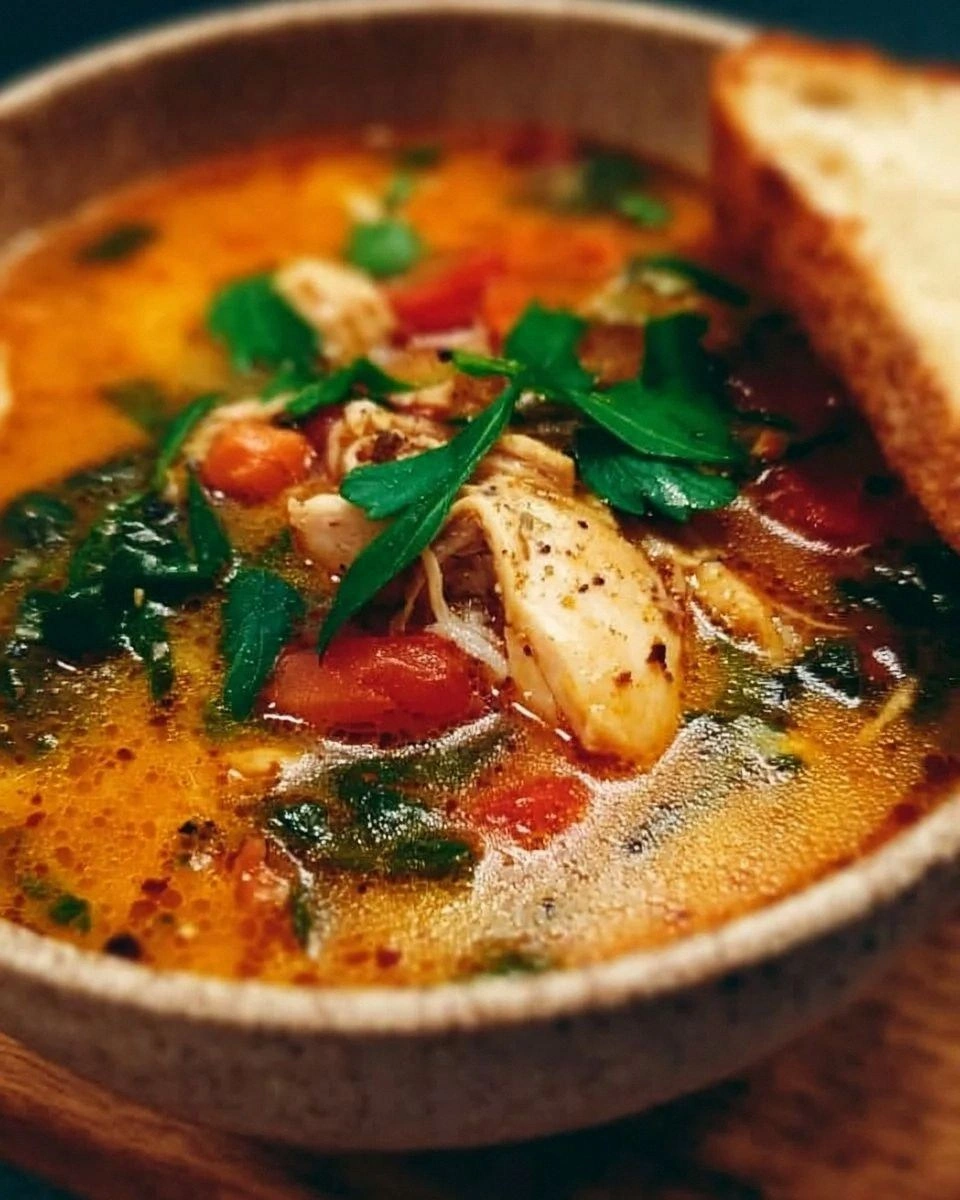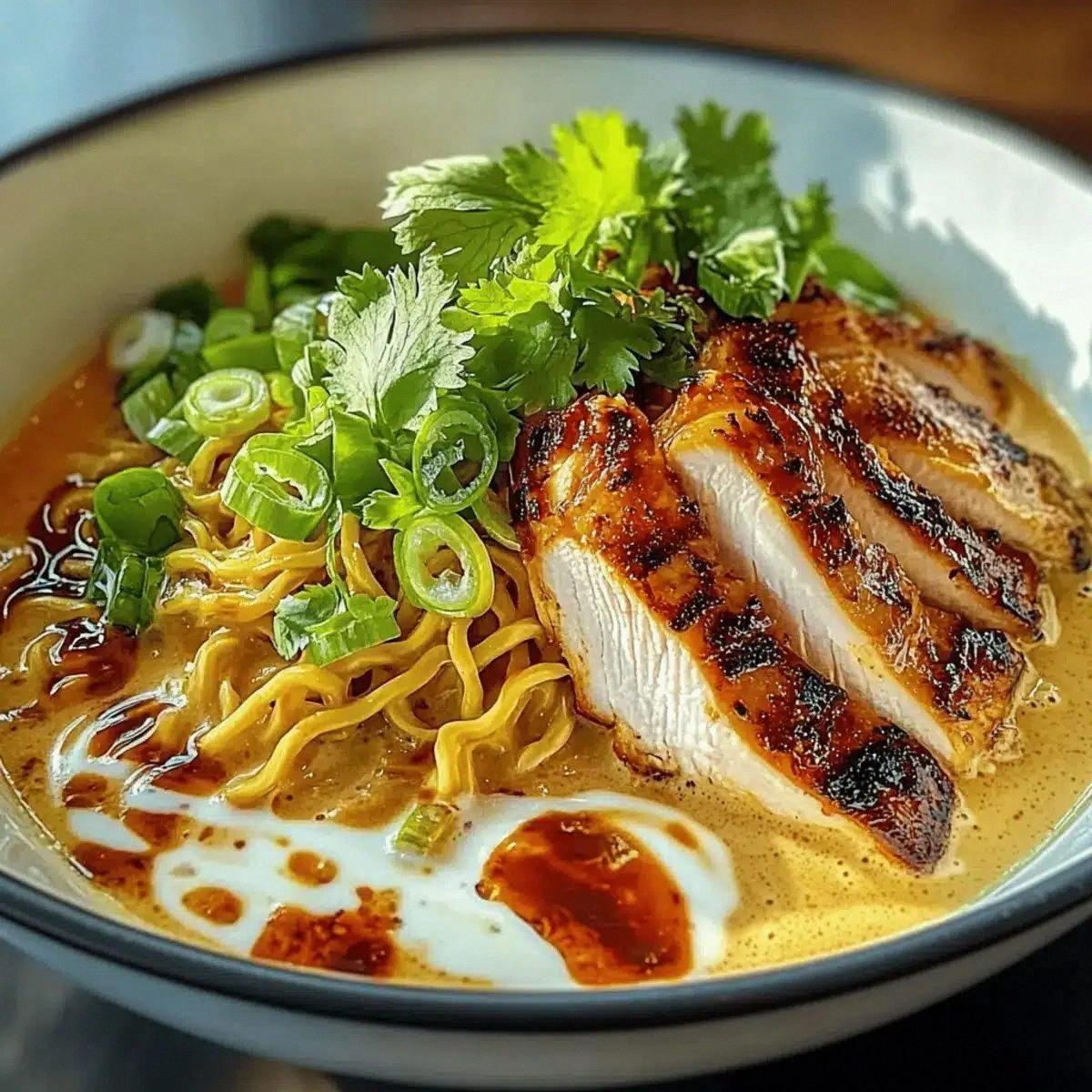
Picture this: it’s a rainy Thursday night, the kind that makes you want to curl up in a blanket fort with a bowl that could double as a small furnace. I was halfway through a marathon of bland, overcooked instant noodles when a daring friend tossed a challenge my way – “Make something that actually makes you feel like you’re breathing fire.” I laughed, I scoffed, and then I stared at the pantry like a detective at a crime scene, hunting for the perfect blend of heat, comfort, and that unmistakable umami punch. The result? A bowl of Spicy Fiery Chicken Ramen that doesn’t just satisfy; it ignites every sense, turning a simple dinner into a theatrical performance.
The moment the broth hits the pot, the kitchen erupts with an aroma that’s part smoky charcoal, part sweet soy, and part daring red pepper fireworks. You’ll hear the gentle hiss as garlic meets hot oil, feel the steam kiss your face like a mischievous dragon, and see the creamy swirl of heavy cream turn the broth from a translucent whisper into a glossy, ruby‑red river of decadence. When you finally scoop up that first slurp, the noodles hug the sauce like velvet, the chicken bites back with a tender, juicy snap, and the heat builds just enough to make your eyes widen without setting off the fire alarm.
Most ramen recipes out there either drown you in bland broth or scorch you with an unbalanced blaze of spice. This version stands apart because it respects the delicate dance between heat and harmony – the cream tames the fire just enough to let the flavors sing, while the fresh cilantro and green onions add a bright, herbaceous finish that feels like a cool breeze after a sprint through a furnace. I’m daring you to taste this and not go back for seconds; that’s how confident I am that this is the best version you’ll ever make at home.
And here’s the kicker: I’m going to reveal a secret technique that most cooks overlook – the “double‑infusion” of broth and cream. First, we simmer a rich chicken stock, then we finish it with a flash‑heat of heavy cream at the very end, creating a silk‑smooth texture that coats each noodle like a second skin. Okay, ready for the game‑changer? Let me walk you through every single step – by the end, you’ll wonder how you ever made it any other way.
What Makes This Version Stand Out
- Flavor Explosion: The combination of soy sauce, garlic, and red pepper flakes creates a layered heat that builds, peaks, and then gently fades, leaving a lingering warmth that makes you smile.
- Silky Texture: Heavy cream is folded in at the last minute, turning the broth into a glossy, luxurious coat that clings to every noodle strand like a lover’s embrace.
- Simplicity Meets Sophistication: Only nine core ingredients, yet each one is treated with respect, making the dish feel restaurant‑grade without a grocery list that could rival a pharmacy.
- Ingredient Quality: Using boneless, skinless chicken breasts ensures lean protein that stays moist, while fresh cilantro adds a pop of green that brightens the whole bowl.
- Crowd Reaction: I’ll be honest — I ate half the batch before anyone else got to try it, and the look on their faces when they tasted the heat was priceless.
- Cooking Method: The double‑infusion technique prevents the broth from becoming greasy, a mistake many recipes make when adding dairy too early.
- Make‑Ahead Potential: You can prep the broth and chicken a day ahead, store them separately, and assemble the ramen in under ten minutes when hunger strikes.
- Versatility: This base is a canvas for endless variations – from adding a soft‑boiled egg to swapping chicken for tofu for a vegetarian twist.
Inside the Ingredient List
The Flavor Base
6 cloves Fresh Garlic: Garlic is the aromatic backbone, releasing sulfur compounds that turn the broth from flat to fragrant. If you skip it, you’ll lose that deep, savory foundation that makes the ramen sing. A quick hack: smash the cloves before mincing to coax out more juice. Swap: roasted garlic for a mellower, sweeter profile.
1 tablespoon Soy Sauce: This is the umami anchor, providing saltiness and a subtle caramel note. Too much and you’ll drown the dish; too little and the broth feels hollow. Choose a naturally brewed soy sauce for a richer taste. Tip: add it gradually and taste as you go.
1 teaspoon Red Pepper Flakes: The heat catalyst that makes this ramen truly fiery. It delivers a slow‑building burn that tingles the palate without overwhelming. If you’re a heat‑seeker, double it; if you’re cautious, start with half and adjust.
The Texture Crew
300 grams Ramen Noodles: These curly, wheat‑based noodles have the perfect bite – firm enough to hold the broth, yet tender after a quick boil. Overcooking turns them mushy, so watch the timer like a hawk. For gluten‑free lovers, try rice noodles; the texture changes, but the broth still shines.
2 pieces Boneless, Skinless Chicken Breasts: The protein backbone, offering lean, tender meat that absorbs the broth’s flavors. If you over‑cook, you’ll get a dry, rubbery texture – the enemy of any ramen. I recommend searing them first, then simmering gently to keep them juicy.
The Unexpected Star
1 cup Heavy Cream: This is where the magic happens. Adding cream at the end creates a velvety mouthfeel that transforms a simple broth into a luxurious sauce. Skip it and you’ll end up with a thin, watery soup that lacks body. If dairy is a concern, coconut milk can be a surprising, tropical alternative.
The Final Flourish
4 cups Chicken Broth: The liquid canvas. Use low‑sodium broth so you can control the salt level. Homemade broth adds depth, but a good quality store‑bought one works in a pinch.
2 stalks Green Onions & 1 bunch Cilantro: These fresh herbs provide a bright, herbaceous finish that cuts through the richness. Add them just before serving to keep their color and flavor vibrant. If cilantro isn’t your thing, Thai basil or parsley can stand in.
Everything's prepped? Good. Let's get into the real action...
The Method — Step by Step
Start by heating a large pot over medium‑high heat and drizzle a tablespoon of neutral oil. Toss in the minced garlic and let it sizzle until it turns a light golden brown – you’ll hear a faint pop that signals it’s releasing its aromatics. This is the moment of truth; if the garlic burns, the entire broth will taste bitter, so keep a close eye. Once fragrant, add the chicken broth, stirring to deglaze any bits stuck to the bottom.
Bring the broth to a gentle boil, then lower to a simmer. Add the soy sauce and red pepper flakes, letting the flavors meld for about five minutes. You’ll notice the broth deepening to a richer amber hue – that’s the heat building, a promise of the fire to come.
Kitchen Hack: Add a splash of mirin or a pinch of sugar at this stage to balance the salt and spice, creating a more rounded flavor.While the broth simmers, season the chicken breasts with a pinch of salt and pepper. Heat a separate skillet over medium‑high heat, add a drizzle of oil, and sear the chicken for 2‑3 minutes per side until you see a beautiful caramel crust. The edges should start pulling away, signaling a perfect Maillard reaction. Transfer the seared chicken to the simmering broth and let it poach gently for 8‑10 minutes – this infuses the broth with juicy chicken goodness.
Meanwhile, bring a second pot of water to a rolling boil. Add the ramen noodles, stirring once to prevent sticking. Cook them for exactly 3 minutes – they should be al dente, offering a slight chew that will hold up against the creamy broth. Drain and set aside, but do not rinse; the starches help the sauce cling to each strand.
Now for the double‑infusion magic: reduce the heat on the broth to low and slowly whisk in the heavy cream. You’ll see the broth transform, taking on a luscious, glossy sheen. Keep whisking for another two minutes; this prevents the cream from curdling and ensures an even, silky texture.
Slice the poached chicken breasts against the grain into thin ribbons. This technique shortens the fibers, making each bite melt‑in‑your‑mouth. Return the sliced chicken to the pot, letting it warm through for a minute.
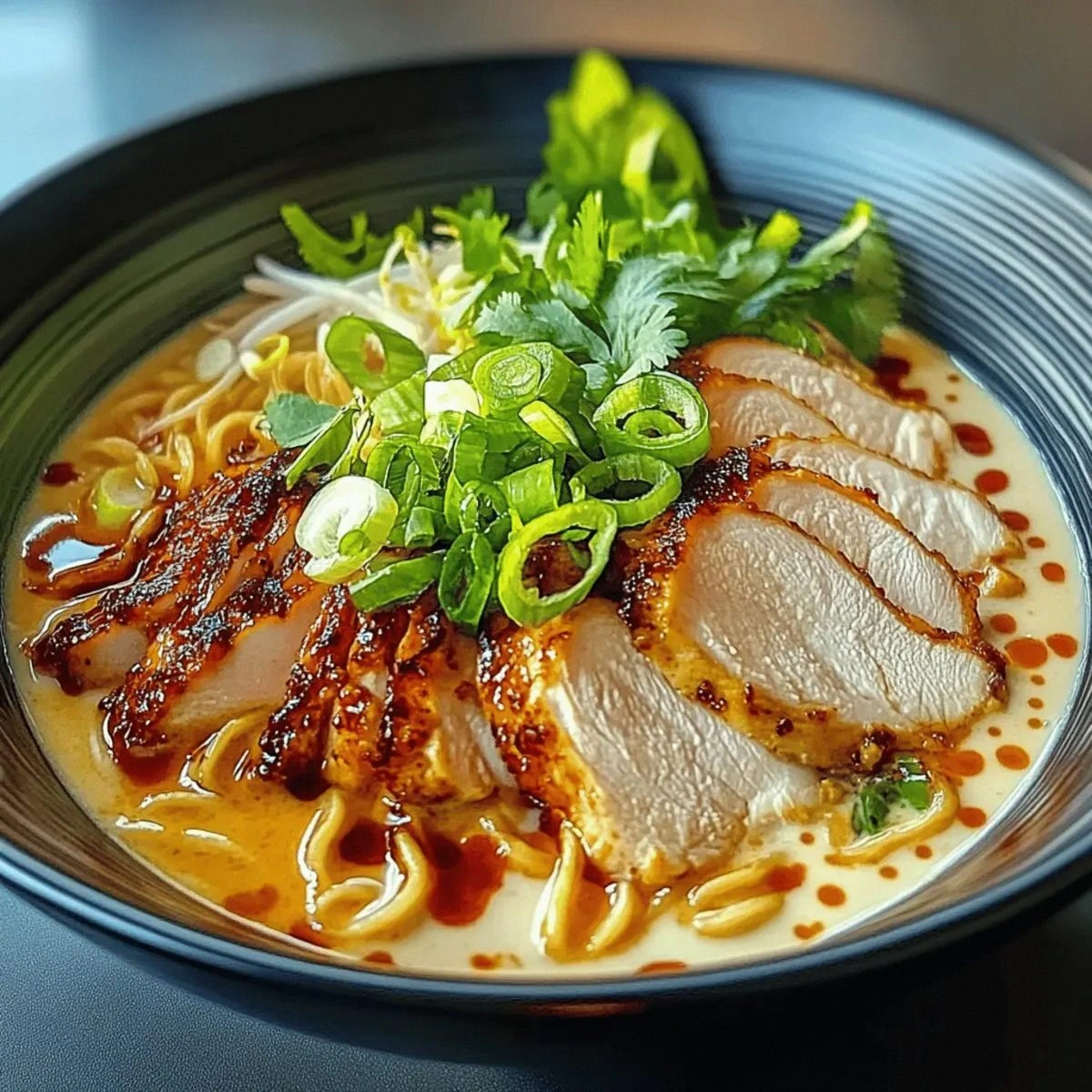
Watch Out: Do not let the broth boil after adding the cream, or it will separate and lose that velvety finish.Divide the cooked noodles among four deep bowls, creating a nest that will cradle the broth. Ladle the hot, creamy broth over the noodles, ensuring each bowl gets an equal share of chicken ribbons. The steam rising should look like a fragrant cloud, inviting you to dive in.
Finish each bowl with a generous sprinkle of sliced green onions and a handful of fresh cilantro leaves. The green onions add a mild onion bite, while cilantro offers a citrusy lift that cuts through the richness. For an extra kick, dust a pinch more red pepper flakes on top – this is the final fireworks display.
Give the bowl a quick stir to combine everything, then let it sit for a minute so the flavors meld. That pause is where the broth thickens just a touch, coating the noodles like a silk scarf. Serve immediately, and watch your guests’ eyes widen as they take that first, soul‑warming slurp.
That’s it — you did it. But hold on, I’ve got a few more tricks that’ll take this to another level, like adding a soft‑boiled egg or a drizzle of sesame oil for an extra layer of umami.
Insider Tricks for Flawless Results
The Temperature Rule Nobody Follows
Never add heavy cream to a boiling broth. The moment the temperature dips below a gentle simmer, the cream integrates smoothly, creating that coveted silkiness. I once tried adding it at a rolling boil and ended up with a curdled mess that looked like cheese curds – not the look you want in a ramen bowl. Keep the heat low, and you’ll get a glossy finish that clings to each noodle.
Why Your Nose Knows Best
Before you taste, trust your nose. When the broth releases that deep, roasted garlic scent, you know the flavor base is solid. If you detect a raw chicken smell, the broth needs more simmer time. This sensory checkpoint saves you from a bland or under‑cooked disaster.
The 5‑Minute Rest That Changes Everything
After you finish cooking, let the ramen rest for five minutes off the heat. This short pause allows the starches from the noodles to release a tiny amount of starch, naturally thickening the broth just enough to coat the noodles without becoming gloopy. It’s a tiny trick that makes a massive difference in mouthfeel.
Egg‑cellent Addition
Soft‑boil an egg for exactly six minutes, then plunge it into ice water. Peel, halve, and gently place it on top of the ramen just before serving. The runny yolk mixes with the broth, adding richness that rivals an extra splash of cream. A friend tried skipping this step once – let’s just say the bowl felt a little lonely.
Seasoning at the End
Finish with a dash of sesame oil and a pinch of flaky sea salt right before serving. The oil adds a nutty aroma, while the sea salt provides a delicate crunch that elevates each bite.
Creative Twists and Variations
This recipe is a playground. Here are some of my favorite ways to switch things up:
Spicy Miso Fusion
Swap half the soy sauce for white miso paste, and add a spoonful of fermented bean paste. The result is a deeper, earthy umami that pairs beautifully with the cream, creating a complex flavor profile that feels both traditional and avant‑garde.
Thai Coconut Heat
Replace the heavy cream with coconut milk and add a splash of fish sauce. Toss in a handful of sliced kaffir lime leaves while simmering for a fragrant, tropical twist that still delivers the heat you crave.
Veggie‑Loaded Ramen
Leave out the chicken and add sliced shiitake mushrooms, baby bok choy, and shredded carrots. The mushrooms absorb the broth like sponges, delivering a meaty texture while keeping the dish vegetarian-friendly.
Cheesy Ramen Upgrade
Stir in a quarter cup of grated Parmesan or Pecorino Romano right after adding the cream. The cheese melts into the broth, adding a salty, nutty depth that feels like comfort food on steroids.
Smoky Chipotle Kick
Introduce chipotle in adobo sauce (just one teaspoon) along with the red pepper flakes. The smoky undertone adds a barbecue vibe, making the ramen feel like a cross‑cultural celebration.
Ramen Carbonara
Replace the heavy cream with a mixture of egg yolk and grated cheese, whisked in off the heat for a silky, carbonara‑style sauce. The result is a decadent, Italian‑Japanese hybrid that’s surprisingly harmonious.
Storing and Bringing It Back to Life
Fridge Storage
Cool the broth completely before transferring it to an airtight container. Store the chicken, noodles, and broth separately to prevent the noodles from soaking up too much liquid. This way, the broth stays fresh for up to three days, and the noodles retain their bite.
Freezer Friendly
Freeze the broth in portion‑size bags or containers for up to two months. The chicken can also be frozen after cooking – just slice it before freezing for easy reheating. Noodles don’t freeze well; keep them fresh and cook them when you’re ready to serve.
Best Reheating Method
When you’re ready to enjoy leftovers, gently reheat the broth on low heat, adding a tiny splash of water to bring back the steam‑like consistency. Toss in fresh noodles for a minute, then finish with a quick stir of cream to revive that silky texture. The result? It feels like you just made it from scratch.