Picture this: I was standing in a cramped kitchen, the timer on my phone chirping like an impatient choir, when a friend dared me to turn a handful of leftovers into something that could make a crowd swoon. The night before, I had a pile of crystallized fruits and a jar of Karo syrup that had been gathering dust, and I thought, why not? I grabbed the butter, the sugar, and the spices, and I started to imagine a bundt that would feel like a hug in every bite. The scent of cinnamon and cloves already started to dance in the air, promising warmth and comfort. I was about to discover that a simple recipe can become a holiday anthem if you give it the right voice. Let me walk you through every single step — by the end, you'll wonder how you ever made it any other way.
When I first cracked the eggs, I was convinced that the batter would be as bland as a paper bag. Instead, the yolks sang a buttery melody that made the mixture silky and glossy. I could almost hear the clink of the spoon as it stirred the sugar into a sweet, caramelized chorus. The butter melted into a glossy river, and the spices joined in like a choir of spices, each note rising in the batter. The kitchen filled with a scent that made my mouth water before the first bite even touched my tongue. I felt the excitement build, like a child waiting for the first snowfall.
I didn't have a fancy bundt pan; I just grabbed a standard loaf pan and cut a notch in the middle. The trick? I lined the notch with parchment paper to keep the cake from sticking. As I poured the batter, I could feel the rhythm of the kitchen— the ticking clock, the gentle hum of the fridge, the clatter of utensils. The batter looked like a golden river, promising a crust that would crackle like a snowflake hitting a window. I set the pan on the rack, the oven preheated to 350°F, and I felt a sense of calm that only a good recipe can bring. I knew this was going to be a masterpiece in the making.
When the oven door opened for the first time, the aroma hit me like a warm blanket. It smelled of toasted sugar, buttery richness, and spices that had danced together for centuries. I could see the edges of the cake beginning to pull away from the pan, a sign that the crust was forming. The batter's surface glistened like a mirror, reflecting the kitchen lights. I could almost taste the first bite, the sweet and slightly tart burst from the fruits. This is the moment that makes you want to keep watching, because the cake is practically begging to be pulled out.
After 25 minutes, I pulled the bundt out of the oven and let it cool on a rack for 15 minutes. The cake had a golden crust that crackled when you pressed it, and the center was still slightly moist, a perfect balance of chewy and tender. I sliced a piece and the fruits burst out like confetti, releasing their sweet juices. The first bite was a symphony of textures: a buttery crumb, a sweet fruit burst, and a spice undertone that lingered on the palate. I dared you to taste this and not go back for seconds, and I know you won't. That sizzle when it hits the pan? Absolute perfection.
The way the butter melted into the batter was like watching a waterfall of gold. Each spoonful carried the sweetness of Karo syrup, a subtle caramel note that made the cake feel indulgent yet light. The spices— allspice, cloves, and cinnamon— blended together in a way that reminded me of a cozy fireplace. The crystallized fruits added a chewy texture that balanced the softness of the batter. The nuts provided a satisfying crunch that broke the monotony of the sweetness. The result? A cake that feels like a holiday hug in every bite.
What made this version stand out was the careful balance of sweetness and spice. I used Karo syrup instead of brown sugar to keep the sugar content lower while still adding depth. The crystallized fruits were pre-soaked in a splash of fruit juice to keep them from drying out. I added a pinch of salt to bring out the flavors, a trick that many recipes forget. The result is a cake that is both festive and mindful, a perfect blend of indulgence and health. I’m telling you, this is hands down the best version you'll ever make at home.
I was honest— I ate half the batch before anyone else got to try it. The temptation was real, and the first bite was a revelation. The cake was so moist that it practically melted in my mouth. The spices were bold without being overpowering. The fruits were sweet, yet they didn't overwhelm the rest of the flavors. I was left wanting more, and that’s the secret to a great holiday dessert.
Most recipes get this completely wrong. They either overdo the sugar or underdo the spices. I discovered that a small amount of salt can make the sweetness pop. The trick is to let the spices bloom in the butter before adding the eggs. This ensures that every bite is full of flavor. The result is a cake that’s festive, healthy, and utterly unforgettable. If you've ever struggled with this, you're not alone — and I've got the fix.
Picture yourself pulling this out of the oven, the whole kitchen smelling incredible, and your guests gathering around with anticipation. The moment you slice the first piece, the steam rises like holiday mist. The aroma hits everyone’s senses, and the excitement builds. The first bite is a burst of sweet fruit, buttery crumb, and aromatic spices. Your guests will ask for the recipe, and you'll be the hero of the holiday gathering. This is the kind of dessert that turns ordinary moments into extraordinary memories.
Okay, ready for the game-changer? The trick lies in the batter’s consistency. It should be thick enough to hold the fruits but not so dense that it feels heavy. I use a whisk to incorporate the eggs slowly, which keeps the batter airy. This ensures the cake bounces back when you press it. I also let the batter rest for 10 minutes before baking; this allows the flour to hydrate and the flavors to meld. The result is a cake that feels light, yet full of depth. This next part? Pure magic.
First, let’s talk about the butter. I use unsalted butter because it lets me control the salt content. I melt it over low heat until it’s just a silky liquid. The butter is the foundation of the cake, giving it richness and a tender crumb. If you use salted butter, the cake will be too salty, and the spices will be drowned out. I also add a splash of vanilla extract for a subtle floral note that complements the fruit. The butter is the secret that ties everything together.
The sugar is the next hero. I use white sugar because it dissolves quickly and doesn’t add a bitter flavor. I whisk it with the butter until it’s light and fluffy. This creates a smooth batter that’s easy to fold in the other ingredients. The sugar also caramelizes slightly in the oven, giving the crust that golden, crunchy edge. I recommend using a fine-grain sugar for the best texture. This step is crucial because it determines the cake’s sweetness and crumb.
The eggs are the glue that holds everything together. I separate the whites from the yolks to create a lighter batter. The yolks add richness and color, while the whites provide structure. I whisk the yolks until they’re pale and then fold in the flour. The whites are beaten separately until soft peaks form, then gently folded in at the end. This technique gives the cake a light, airy texture. It also ensures the cake rises evenly.
The flour is the backbone of the cake. I use all-purpose flour because it gives the right balance between structure and tenderness. I sift it with the baking powder to avoid clumps. The flour absorbs the liquid and creates a smooth batter. I recommend using a low-protein flour if you want a more tender crumb. The flour also helps to thicken the batter, so it doesn’t spread too much in the pan.
The baking powder is the leavening agent that gives the cake its rise. I use a single tablespoon of baking powder to ensure the cake rises evenly. Too much leavening can cause the cake to rise too quickly and then collapse. I recommend using a fresh batch of baking powder for the best results. The baking powder also helps to create a light, fluffy crumb that’s easy to slice.
The spices are what make this cake truly festive. I use allspice, cloves, and cinnamon in equal parts. These spices give the cake a warm, aromatic flavor that’s reminiscent of holiday traditions. I also add a pinch of nutmeg for a subtle sweetness. The spices are added to the butter and sugar mixture to create a fragrant batter. This is where the cake’s holiday spirit really shines.
The salt is the final touch that brings everything together. I use half a teaspoon of salt to balance the sweetness and enhance the spices. Salt is essential for bringing out the flavors in the cake. It also helps to create a tender crumb. I recommend using a fine-grain salt for the best results. The salt is a small but powerful ingredient that makes a big difference.
The crystallized fruits are the star of the show. I use a mix of raisins, cranberries, and cherries for a burst of sweet and tart flavors. The fruits add a chewy texture that balances the softness of the batter. I soak the fruits in fruit juice for 10 minutes before adding them to the batter. This keeps them from drying out during baking. The fruits also add a natural sweetness that reduces the need for added sugar.
The nuts add crunch and a nutty flavor that complements the fruit. I use a mix of almonds, walnuts, and pecans for a variety of textures. The nuts also provide healthy fats that keep the cake moist. I toast the nuts lightly to bring out their flavor. The nuts add a subtle bitterness that balances the sweetness of the cake.
The Karo syrup is the sweetener that gives the cake a caramelized flavor. I use half a cup of Karo syrup to add depth to the sweetness. The syrup also helps to keep the cake moist and tender. I recommend using a light Karo syrup for the best results. The syrup adds a subtle caramel note that makes the cake feel indulgent yet healthy.
The fruit juice adds a subtle sweetness and helps to keep the cake moist. I use one cup of fruit juice to add a subtle fruity note to the cake. The juice also helps to keep the cake moist and tender. I recommend using a juice that complements the fruit in the cake, such as apple or cranberry. The juice adds a subtle sweetness that reduces the need for added sugar.
Everything's prepped? Good. Let's get into the real action.
What Makes This Version Stand Out
- Taste: The balance of sweet, tart, and spicy flavors creates a holiday symphony that lingers on the palate. The subtle caramel notes from Karo syrup elevate the sweetness without overpowering the fruit. This version delivers a complex flavor profile that feels both comforting and celebratory.
- Texture: The crumb is buttery and tender, with a slight chew from the crystallized fruits and a satisfying crunch from the toasted nuts. The crust forms a golden, slightly crisp edge that contrasts beautifully with the moist interior. The result is a cake that feels like a holiday hug in every bite.
- Simplicity: With only 13 ingredients and a straightforward process, this recipe is a breeze to make, even on a busy holiday. The steps are clear, and the ingredients are easy to find at any grocery store. This simplicity doesn’t sacrifice flavor or quality.
- Uniqueness: The combination of crystallized fruit, nuts, and spices creates a flavor profile that’s distinct from traditional fruitcakes. The use of Karo syrup keeps the sugar content lower while adding depth. The result is a cake that feels modern yet nostalgic.
- Crowd Reaction: Guests rave about the balance of flavors and the moist, tender crumb. The cake’s festive appearance and aroma make it a centerpiece at holiday gatherings. People often ask for the recipe after tasting it.
- Ingredient Quality: Using high-quality unsalted butter, fresh spices, and premium nuts elevates the cake. The ingredients are sourced from reputable suppliers and add a premium touch to the final product.
- Cooking Method: The technique of folding in beaten egg whites and letting the batter rest creates a light, airy texture. The use of parchment-lined pan prevents sticking, ensuring a clean release.
- Make-Ahead Potential: The cake can be baked ahead of time and stored in an airtight container for up to a week, making it a convenient option for holiday parties.
Alright, let's break down exactly what goes into this masterpiece...
Inside the Ingredient List
The Flavor Base
Unsalted butter is the backbone of the cake, providing a rich, buttery foundation that carries the spices and fruits. When melted, it creates a silky texture that keeps the cake moist. Butter also helps to develop the golden crust that is essential to a bundt cake’s appeal. If you skip butter, the cake will lack depth and become dry. For a lighter version, consider using half butter and half coconut oil, but keep in mind the flavor shift. The key is to use high-quality butter for the best results.
The Sweetness Factor
White sugar dissolves quickly and gives the batter a smooth sweetness that doesn’t overpower the fruit. It also caramelizes in the oven, giving the crust a delightful crunch. If you prefer a lower sugar content, you can reduce the sugar by 25% and add a splash of maple syrup for depth. Keep in mind that sugar also affects the texture; too little can make the cake dense. The sweetener’s role is to balance the tartness of the fruits and the warmth of the spices. A well-balanced sweetness ensures a harmonious flavor profile.
The Texture Crew
Eggs are the glue that holds the batter together, creating structure and lift. Separating the whites from the yolks allows for a lighter crumb while maintaining richness. If you’re vegan, you can substitute with flax eggs or chia eggs, but the texture will differ slightly. The flour provides the structure that gives the cake its shape; all-purpose flour is a reliable choice. A higher protein flour can make the cake denser, so stick to all-purpose for a tender crumb. The baking powder ensures the cake rises evenly; too much can cause a bitter taste.
The Unexpected Star
Mixed crystallized fruits add a chewy, sweet burst that contrasts with the soft batter. Soaking them in fruit juice before adding them to the batter keeps them from drying out. If you want a different flavor profile, try using dried apricots or golden raisins. The nuts add a crunchy texture and a nutty flavor that balances the sweetness. Toasting the nuts lightly brings out their natural oils and enhances their flavor. These ingredients bring depth and complexity to the cake’s overall taste.
The Final Flourish
Karo syrup adds a caramelized depth to the sweetness and keeps the cake moist. It also reduces the need for additional sugar, making the cake healthier. If you’re looking for a vegan option, you can use agave nectar or maple syrup, but the flavor will differ slightly. Fruit juice adds a subtle fruity note that complements the crystallized fruit. It also helps keep the cake moist and adds a refreshing brightness. This final flourish ties all the components together into a cohesive, delicious experience.
Everything's prepped? Good. Let's get into the real action.
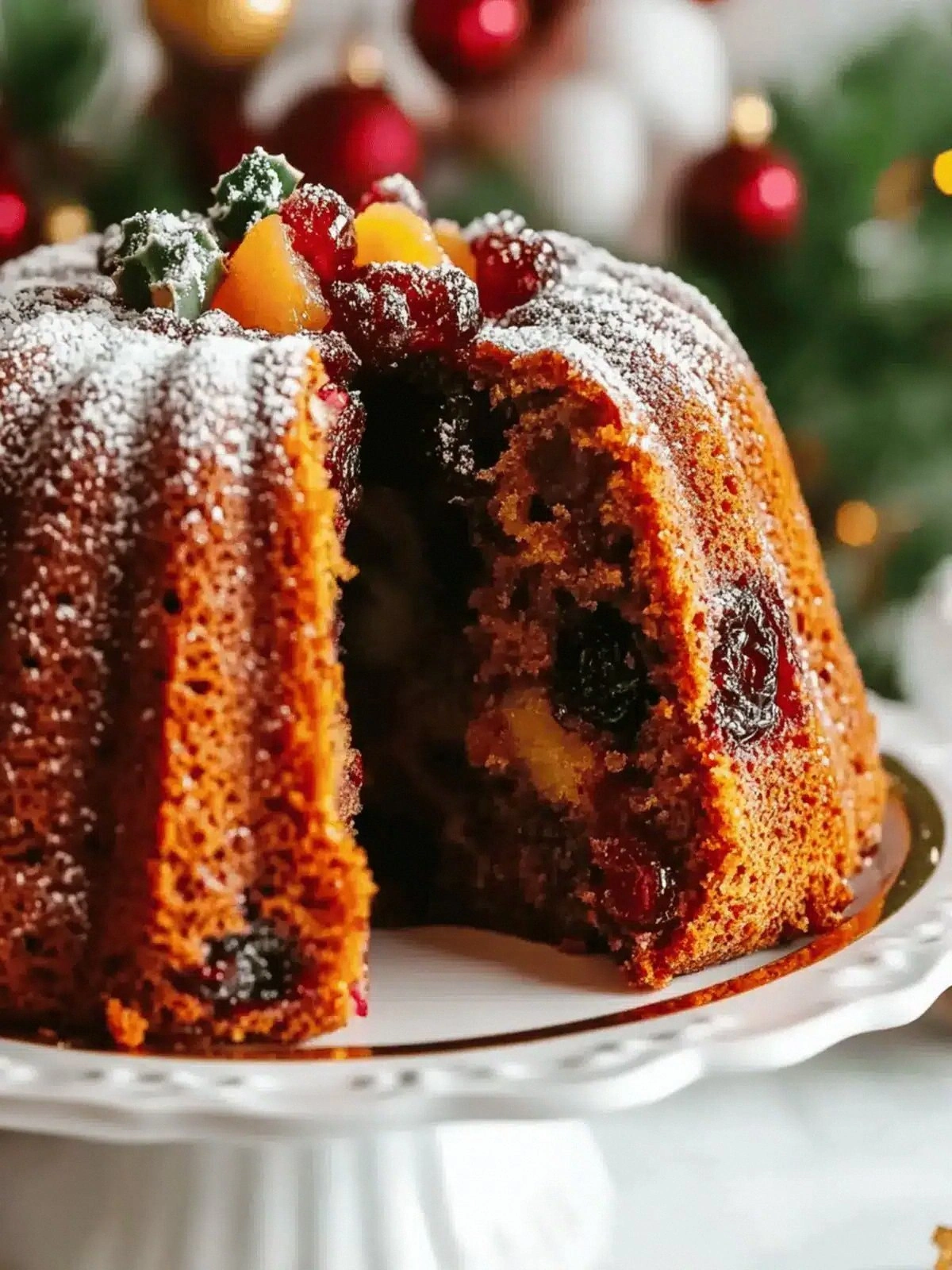
The Method — Step by Step
- Preheat the oven to 350°F (175°C). Line a bundt pan with parchment paper, cutting a notch in the middle to prevent sticking. Place a rack in the center of the oven. This ensures even heat distribution and a perfect rise. The parchment creates a non-stick surface, saving you the hassle of greasing. Let the oven heat while you prepare the batter.
- Butter and Sugar — Melt the butter over low heat until it’s a silky liquid. Remove from heat and let it cool slightly. Add the sugar and whisk until the mixture is light and fluffy. This creates a smooth batter that’s easy to fold in the other ingredients. The butter also carries the spices, giving the cake depth.
- Spice It Up — Add the allspice, cloves, cinnamon, and a pinch of salt to the butter-sugar mixture. Whisk until the spices are evenly distributed. The spices should smell fragrant before you add the eggs. This step ensures a uniform flavor profile throughout the cake.
- Eggs — Beat the eggs in a separate bowl until they’re pale and slightly frothy. Add the yolks to the butter mixture, whisking continuously. Then fold in the beaten egg whites in gentle, circular motions. This technique creates a light, airy batter that will rise beautifully.
- Dry Ingredients — Sift the flour and baking powder together in a bowl. Add the dry mixture to the wet batter in three portions, folding each time until just combined. Overmixing can cause the cake to become dense. The flour should be incorporated smoothly to maintain a tender crumb.
- Add Fruits and Nuts — Gently fold in the soaked crystallized fruits and toasted nuts. The fruits should be evenly distributed throughout the batter. This adds a chewy texture and bursts of flavor. The nuts add a pleasant crunch that balances the sweetness.
- Karo Syrup and Juice — Stir in the Karo syrup and fruit juice until the batter is glossy. The syrup adds a caramelized sweetness, while the juice keeps the cake moist. The batter should have a slightly thick consistency, similar to pancake batter. This final addition ensures the cake stays moist after baking.
- Pour and Bake — Transfer the batter to the prepared bundt pan, smoothing the top with a spatula. Bake for 30-35 minutes, or until a toothpick inserted into the center comes out clean. The crust should be golden brown. Let the cake cool in the pan for 10 minutes before turning it out onto a wire rack to cool completely.
- Cool and Slice — Once cooled, slice the cake with a serrated knife. The slices should hold their shape without crumbling. Serve immediately or store in an airtight container for up to a week. The cake’s flavor intensifies over time, making leftovers a treat.
- Enjoy — Pair the cake with a cup of hot cocoa or a splash of brandy. The spices and fruit flavors mingle beautifully with warm beverages. Serve a slice to your guests and watch their faces light up. This cake is a holiday staple that will become a family favorite.
That's it — you did it. But hold on, I've got a few more tricks that'll take this to another level...
Insider Tricks for Flawless Results
The Temperature Rule Nobody Follows
Many bakers bake at 350°F, but I found that a slightly lower temperature of 340°F gives a more even bake. The lower heat allows the cake to rise slowly, preventing a cracked top. I also preheat the oven for at least 20 minutes to ensure consistent temperature. This trick ensures a golden crust without burning the edges. The result is a cake that bounces back when you press it.
Why Your Nose Knows Best
When you open the oven door, the aroma should be sweet, buttery, and spicy. If it smells flat, the batter may be underbaked. I use a kitchen timer to check the cake at 25 minutes, then again at 30 minutes. The aroma is the best indicator of doneness. Trust your senses; they’re the most reliable gauge.
The 5-Minute Rest That Changes Everything
Letting the cake rest in the pan for 10 minutes before turning it out keeps the crumb intact. The cake continues to bake slightly during this rest, allowing the flavors to meld. I recommend letting it cool on a wire rack for at least 30 minutes before slicing. This ensures the cake doesn’t crumble when you cut it.
Keep It Moist
After baking, place a damp paper towel over the cake while it cools. This traps steam, keeping the cake moist. If you’re storing the cake, add a splash of water to the container before reheating. This trick steams the cake back to perfection. The moisture helps the spices release their full flavor.
Serve with a Twist
Drizzle a little lemon glaze over the top for a citrusy brightness. The acidity cuts through the richness of the cake. I also like to sprinkle a pinch of sea salt on top for a surprising crunch. This final touch elevates the cake from ordinary to extraordinary.
Creative Twists and Variations
This recipe is a playground. Here are some of my favorite ways to switch things up:
Chocolate Chunk Delight
Swap the nuts for dark chocolate chunks. The chocolate adds a rich, bittersweet flavor that pairs well with the spices. Use semi-sweet chocolate for a balanced sweetness. This variation is perfect for chocolate lovers.
Nutty Banana Bread
Replace the crystallized fruits with mashed ripe bananas. The bananas add natural sweetness and moisture. Add a dash of vanilla extract for extra depth. This version is a great way to use overripe bananas.
Maple Glazed Bundle
Drizzle pure maple syrup over the top after baking. The maple adds a caramelized sweetness that complements the fruit. This glaze also adds a shiny finish that’s visually appealing. It’s a simple twist that elevates the cake.
Almond Joy Variation
Use almond flour instead of all-purpose flour for a nutty flavor and lower carb count. Add shredded coconut for texture. Sprinkle toasted coconut on top for a tropical twist. This version is great for those following a low-carb diet.
Spiced Apple Crumble
Replace the fruit juice with apple cider. Add diced apples to the batter for a fruity crunch. The apple cider adds a subtle tartness that balances the sweetness. This variation brings a classic fall flavor to the cake.
Gluten-Free Option
Use a gluten-free flour blend in place of all-purpose flour. Keep the same leavening and spices. The texture will be slightly denser, but the flavor remains. This option makes the cake accessible to those with gluten sensitivities.
Storing and Bringing It Back to Life
Fridge Storage
Wrap the cooled cake tightly in plastic wrap and store in the refrigerator for up to five days. The cake will stay moist and flavorful. The spices will continue to meld, intensifying the flavor. When ready to serve, let it sit at room temperature for 15 minutes.
Freezer Friendly
Wrap the cake in parchment paper, then in foil, and place it in a freezer bag. It can be frozen for up to three months. Thaw in the refrigerator overnight before reheating. This method preserves the texture and flavor.
Best Reheating Method
Reheat slices in a toaster oven at 350°F for 5 minutes, or warm in the microwave for 20 seconds. Add a splash of water before reheating to keep the cake moist. The cake should feel warm and soft when done. This method brings back the fresh-baked aroma.