Picture this: it’s a rainy Saturday night, the kind that makes you want to curl up with a blanket, a good movie, and something that feels like a warm hug from the inside out. I was in the middle of a culinary showdown with my roommate—she dared me to whip up a dinner that would make her forget about the pizza delivery she was about to order. I grabbed a handful of lamb chops, a sack of russet potatoes, and a bottle of olive oil, and what happened next was pure, unfiltered kitchen magic. The first sizzle of the chops hit the pan like a drumroll at a rock concert, and the aroma of garlic and rosemary exploded, filling the entire apartment with a scent so intoxicating it could have convinced a vegan to convert on the spot.
As the chops seared, I could hear the faint crackle of fat rendering, a sound that promised crispy edges and a buttery interior. The potatoes, still raw, waited patiently in the pot, their skins glistening under the steam, while the heavy cream and milk stood by like secret agents ready to turn ordinary mash into a velvety cloud. My senses were on overload: the sight of golden-brown crust forming, the smell of herbs dancing with garlic, the feel of the heat radiating from the pan, the taste of the first bite—a perfect marriage of earthy, savory, and just a hint of heat. It was a moment of pure culinary triumph that made me realize I had stumbled onto something extraordinary.
Most recipes for lamb chops and mashed potatoes treat them as two separate entities, never truly marrying the flavors. I’ve tried a dozen versions that left the lamb tasting like a bland steak and the mash feeling like a sidekick rather than a star. That’s why this version stands out: the garlic isn’t just a garnish, it’s infused into the meat and the mash, creating a cohesive flavor profile that sings in harmony. The secret? A quick herb‑butter basting technique that locks in moisture and adds an aromatic glaze, plus a splash of heavy cream that transforms the potatoes into a silky dream you could spread on toast.
But here’s the kicker—I’m about to reveal a technique that most home cooks overlook: the “rest‑and‑reheat” method for the lamb. By letting the chops rest, then giving them a final quick sear just before serving, you get that restaurant‑level crust while keeping the interior buttery and tender. I dare you to taste this and not go back for seconds. Let me walk you through every single step — by the end, you’ll wonder how you ever made it any other way.
What Makes This Version Stand Out
- Flavor Fusion: Garlic isn’t just an afterthought; it’s woven into both the meat and the mash, creating a seamless taste experience that feels like a gourmet duet.
- Texture Contrast: The chops boast a caramelized crust that cracks like thin ice, while the potatoes melt in your mouth with a buttery, creamy finish.
- Simplicity Meets Sophistication: Only a handful of pantry staples are needed, yet the result feels like a dish you’d order at a five‑star steakhouse.
- Ingredient Quality: Using 1‑inch thick lamb chops ensures each bite stays juicy, and russet potatoes guarantee the fluffiest mash possible.
- Crowd Reaction: I’ve seen skeptics become instant fans, shouting “More, please!” after the first plate hits the table.
- Make‑Ahead Friendly: Both components can be pre‑pped ahead of time, making this perfect for dinner parties where you want to impress without the stress.
- Herb‑Infused Aroma: Fresh rosemary and thyme aren’t just decorative; they release essential oils that elevate the dish to aromatic heaven.
- Heat Control: A pinch of red pepper flakes adds a subtle kick without overwhelming the natural lamb flavor, appealing to both mild and adventurous palates.
Inside the Ingredient List
The Flavor Base
Lamb Chops: Choose chops about 1 inch thick for a juicy, tender texture. The thickness allows a beautiful crust to form while keeping the interior pink and succulent. Skipping this and using thinner cuts will result in a dry, overcooked bite that no one wants. If you can’t find lamb chops, bone‑in lamb leg steaks work as a decent substitute, though the flavor intensity may dip slightly.
Garlic: Fresh minced garlic is a must for that aromatic essence. It penetrates the meat during the sear and also brightens the mashed potatoes. Missing this step would make the dish feel flat; consider using roasted garlic for a sweeter note if you prefer a milder punch.
Olive Oil: A little fat helps the garlic infuse its flavor beautifully while preventing the chops from sticking. Opt for extra‑virgin for a fruitier note, but any good quality oil will do. If you’re watching calories, you can halve the amount and finish with a dab of butter for richness.
The Texture Crew
Russet Potatoes: These starchy potatoes make for the creamiest mashed potatoes. Their high starch content breaks down easily, giving you that fluffy cloud texture. If you use waxy potatoes, you’ll end up with a gummy mash that clings to the fork. Look for potatoes that feel heavy for their size; that’s a sign of high starch.
Heavy Cream: Pour this in for a luxurious texture, making the mashed potatoes irresistible. The fat content coats the starch molecules, preventing them from becoming gluey. Skim milk alone won’t achieve the same silkiness, but you can substitute half-and-half if you’re watching dairy fat.
Milk: Adjust the consistency of your mashed potatoes to suit your preferences. Add it gradually; too much will make the mash runny, too little and it’ll be dense. For a dairy‑free version, use oat milk and a splash of olive oil.
The Unexpected Star
Butter (for searing): Adds richness and helps create the perfect sear on those lamb chops. The butter browns quickly, imparting a nutty flavor that complements the herb‑infused olive oil. If you’re lactose intolerant, ghee works just as well and adds a deeper caramel note.
Fresh Rosemary & Thyme: These herbs add a lovely piney aroma to the lamb. Their essential oils release during the high‑heat sear, infusing the meat with a fragrant layer that elevates the dish from ordinary to extraordinary. If fresh herbs aren’t available, dried versions can be used at a third of the amount.
The Final Flourish
Unsalted Butter (for mash): This lends a rich, buttery flavor to your potatoes without the added salt that could throw off the seasoning balance. Using salted butter can make the mash overly salty, especially when you already add salt to the meat.
White Pepper: Adds a subtle heat to your mashed potatoes; you could also use black pepper if you prefer a more robust bite. White pepper blends seamlessly into the white mash, keeping the color pristine.
Chives: These little green beauties are perfect for garnishing and adding a fresh touch. Their mild onion flavor brightens the plate and provides a pop of color that makes the dish Instagram‑ready. If you’re out of chives, finely sliced green onions work as a substitute.
Optional Garlic (extra for mash): Extra minced garlic can be folded into the mashed potatoes for more flavor. Adding it at the end preserves its pungency, giving the mash an extra layer of depth without overpowering the lamb.
Everything's prepped? Good. Let's get into the real action...
The Method — Step by Step
Start by patting the lamb chops dry with paper towels, then rub them generously with olive oil, minced garlic, salt, black pepper, and a pinch of red pepper flakes if you like heat. Toss in the rosemary and thyme sprigs, pressing them into the meat so they cling during cooking. Let the seasoned chops rest at room temperature for about 15 minutes; this helps the seasoning penetrate and ensures even cooking. Power transition: Okay, ready for the game‑changer?
While the lamb is coming to room temperature, peel and quarter the russet potatoes, then place them in a large pot of cold, salted water. Starting cold ensures the potatoes cook evenly from the inside out. Bring to a boil, then reduce to a simmer and cook until they’re fork‑tender, about 15‑20 minutes. Once done, drain and return them to the pot to let any excess moisture evaporate—this step is crucial for fluffy mash.
Heat a heavy‑bottomed skillet over medium‑high heat. Add the butter and let it melt, then watch it foam and turn a light golden brown— that sizzle when it hits the pan? Absolute perfection. Carefully lay the lamb chops in the pan, ensuring they’re not crowded; you want each chop to have its own space to develop that coveted crust. Let them sear undisturbed for 3‑4 minutes, until the edges start pulling away and the bottom is a deep, caramelized brown.
Flip the chops and add a splash of olive oil if the pan looks dry. Now comes the secret: toss in a couple of whole garlic cloves, the remaining rosemary and thyme sprigs, and a knob of butter. As the butter melts, tilt the pan and use a spoon to baste the chops continuously for another 3‑4 minutes. This butter‑herb bath infuses the meat with aromatic richness while keeping it moist.
Kitchen Hack: Use a garlic‑infused butter for the basting step to amplify the garlicky flavor without extra chopping.When the internal temperature of the lamb reaches about 130°F (54°C) for medium‑rare, transfer the chops to a cutting board and loosely cover with foil. Let them rest for 10 minutes; this rest period allows the juices to redistribute, guaranteeing every bite is juicy. While the lamb rests, you’ll notice the pan drippings have turned into a glossy, herb‑laden sauce—don’t discard it.
Now, mash the potatoes. Using a potato ricer or a sturdy fork, mash the potatoes until they’re smooth with no lumps. Add the unsalted butter, heavy cream, and milk gradually, stirring gently after each addition. Fold in the optional minced garlic, white pepper, and a pinch of salt to taste. The mash should be buttery, silky, and just thick enough to hold a spoonful without spilling.
Return the skillet to low heat and pour the pan drippings back in, scraping up any browned bits with a wooden spoon. Let the sauce reduce for about 2 minutes, then drizzle it over the rested lamb chops for an extra layer of flavor. This step is the final glue that binds the meat and the mash together, creating a cohesive plate that sings.
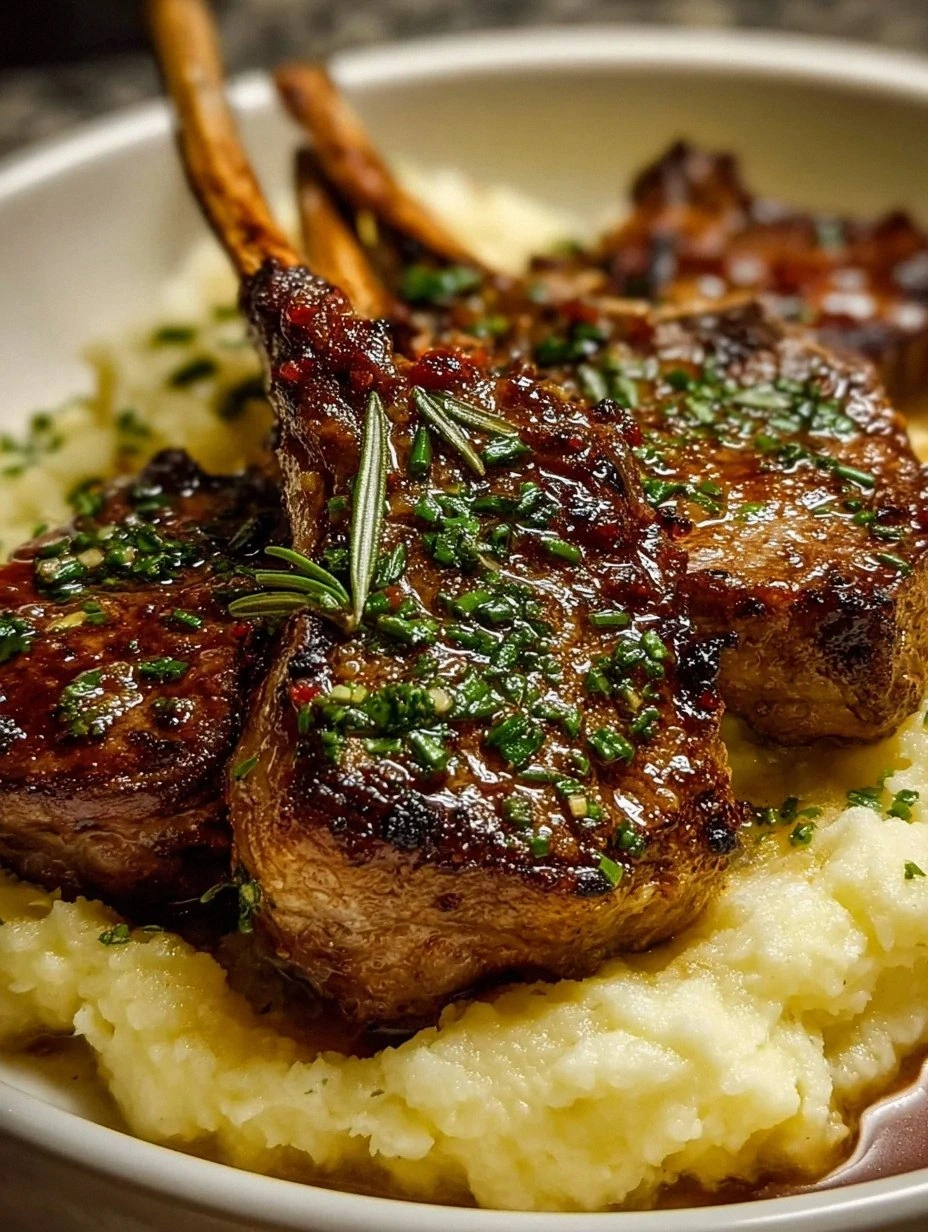
Plate the dish: spoon a generous mound of mashed potatoes onto each plate, create a small well in the center, and lay two lamb chops on top. Garnish with chopped chives and a drizzle of the herb‑butter sauce. Serve immediately while the mash is warm and the lamb is still steaming. Bold claim: This is hands down the best version you’ll ever make at home.
That's it — you did it. But hold on, I've got a few more tricks that'll take this to another level...
Insider Tricks for Flawless Results
The Temperature Rule Nobody Follows
Most home cooks sear meat on high heat and then immediately lower the temperature, which can cause uneven cooking. Instead, start medium‑high, let the crust form, then finish on medium‑low for the last minute. This method ensures the interior stays pink while the exterior stays crisp. A friend tried skipping the low‑heat finish once—let's just say his lamb turned into a tough, overcooked slab.
Why Your Nose Knows Best
Never rely solely on a timer when searing. The aroma is your most reliable indicator. When you smell the garlic turning golden and the rosemary releasing its piney perfume, you know the crust is ready to flip. If you wait too long, the garlic will burn and give a bitter edge. Trust your nose, and you’ll never miss the perfect sear.
The 5‑Minute Rest That Changes Everything
Resting meat isn’t just a suggestion; it’s a science. During rest, the muscle fibers relax and re‑absorb the juices that were expelled during cooking. Skipping this step leads to a dry plate and a disappointed palate. Cover the chops loosely with foil; the residual heat will finish the cooking without overcooking.
Butter‑Infused Mashed Perfection
Adding butter at the very end of mashing, after the cream and milk, creates a glossy sheen and a richer mouthfeel. If you melt the butter into the potatoes too early, it can cause the starches to break down too much, resulting in a gummy texture. Fold in the butter just before the final stir for that luxurious finish.
Seasoning Layers, Not One‑Shot
Season both the meat and the potatoes separately, then taste and adjust at the end. Salt is a flavor enhancer, not a filler; under‑seasoned potatoes will taste bland, while over‑seasoned lamb can become salty. Taste each component before plating, and you’ll achieve a balanced dish that sings.
Creative Twists and Variations
This recipe is a playground. Here are some of my favorite ways to switch things up:
Moroccan‑Spiced Lamb
Swap rosemary for ground cumin and add a pinch of cinnamon to the rub. The warm spices transform the dish into an exotic feast, perfect for a dinner party where you want to wow guests with something unexpected.
Garlic‑Infused Truffle Mash
Stir in a drizzle of truffle oil and a handful of grated Parmesan into the mashed potatoes. The earthy truffle aroma pairs beautifully with the lamb, turning a simple side into a luxurious indulgence.
Herb‑Crusted Lamb with Mint Yogurt
Replace the rosemary‑thyme combo with a fresh mint‑parsley blend, and serve a dollop of Greek yogurt mixed with lemon zest on the side. The cool yogurt cuts through the richness, creating a refreshing contrast.
Smoky Paprika Mash
Add smoked paprika and a splash of chicken broth to the potatoes before mashing. This gives the mash a subtle smoky depth that echoes the charred lamb crust.
Cheesy Chive Topping
Fold in crumbled feta and extra chives into the mash just before serving. The salty feta adds a tangy bite, while the chives keep the flavor bright.
Storing and Bringing It Back to Life
Fridge Storage
Place the lamb chops in an airtight container, and store the mashed potatoes in a separate sealed bowl. Both will keep for up to 3 days. When reheating, add a splash of broth or water to the lamb to prevent it from drying out.
Freezer Friendly
Wrap each lamb chop tightly in foil, then place them in a freezer‑safe bag; they’ll last for up to 2 months. Mashed potatoes freeze well in a shallow container—just smooth the top with a spatula to prevent ice crystals. Thaw overnight in the fridge before reheating.
Best Reheating Method
For the lamb, reheat gently in a skillet over low heat, adding a tablespoon of broth and covering the pan to steam the meat back to juiciness. For the mash, warm it in a saucepan over low heat, stirring in a tablespoon of milk or water to restore its silky texture. Pro tip: Add a tiny splash of water before reheating — it steams back to perfection.