When the kitchen lights flickered and the neighbor’s pizza delivery arrived early, I found myself staring at a bag of fresh squid that had been sitting in the fridge for days. I stared, then stared again, until the temptation was too strong to ignore. I decided to turn that forgotten treasure into something spectacular. The result? A plate of golden, crisp calamari that made my taste buds do a little happy dance.
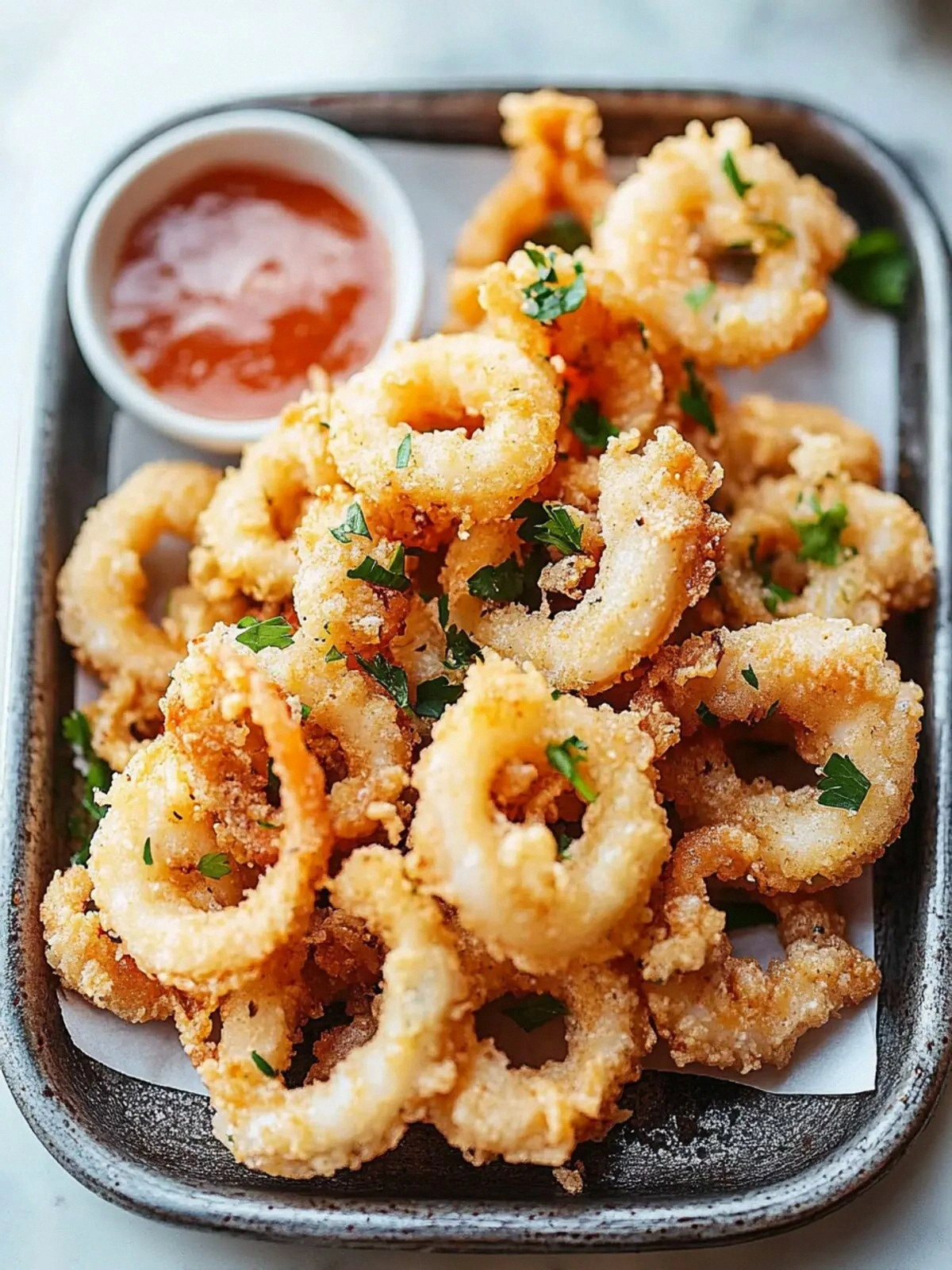
Picture the scene: a sizzling pan, a gentle hiss, and the aroma of fried batter rising like a cloud of caramelized promise. The sound is a low, comforting rumble that signals the transformation is underway. The visual cue is a golden ring, each edge crackling like a miniature fireworks display. The taste is a delicate balance of salty, peppery, and buttery, with a hint of cayenne that lingers long after the first bite. The feel is the satisfying snap of a crisp exterior giving way to a tender, almost buttery interior.
Most calamari recipes I’ve tried have ended up either soggy or overcooked. That’s because they either skip the batter or use the wrong oil temperature. I discovered that a simple batter of flour, cornstarch, and a dash of cayenne, combined with the right oil heat, can turn a humble seafood into a showstopper. The secret? The batter’s slight crunch and the oil’s precise temperature keep the calamari crisp and juicy.
And there’s a twist that will blow your mind: a splash of tomato sauce after frying, not before. This step coats the rings in a silky glaze that deepens the flavor and gives the dish a restaurant‑quality finish. I dare you to taste this and not go back for seconds. Let me walk you through every single step — by the end, you’ll wonder how you ever made it any other way.
What Makes This Version Stand Out
- Texture: The batter’s combination of flour and cornstarch creates a light, airy crunch that separates from the squid’s natural tenderness. This duality ensures every bite delivers a satisfying contrast. If you skip the cornstarch, the coating becomes heavy and clings to the seafood. The result is a less desirable mouthfeel that feels like a greasy blanket.
- Flavor: The cayenne pepper adds a subtle heat that lingers without overpowering the delicate squid. A pinch of salt balances the spice, while the tomato sauce adds a sweet, tangy glaze that coats the rings like velvet. Without the sauce, the dish would feel dry and underseasoned.
- Visual Appeal: The golden hue of the fried rings contrasts beautifully with the bright red of the tomato sauce and the fresh green of parsley. This visual pop makes the dish Instagram‑worthy and instantly appetizing. A plain, unglazed version would look bland and uninspired.
- Time Efficiency: From prep to plate, the entire process takes less than 45 minutes. The batter is ready in minutes, and the frying takes only a few minutes per batch. This speed makes it ideal for last‑minute entertaining.
- Make‑Ahead Friendly: You can fry the calamari ahead of time and reheat it in a skillet or oven, retaining most of the crunch. This feature makes it perfect for dinner parties or busy nights. A dish that requires fresh frying each time is less practical.
- Ingredient Quality: Using fresh, cleaned squid ensures the best texture and flavor. The recipe’s simplicity allows the natural sweetness of the seafood to shine through. Cheap, pre‑cut squid often contains added preservatives that detract from the experience.
Alright, let's break down exactly what goes into this masterpiece...
Inside the Ingredient List
The Flavor Base
At the heart of this recipe lies the simple yet powerful combination of egg, flour, cornstarch, salt, and cayenne pepper. The egg acts as a binder, ensuring the coating adheres smoothly to each ring. Flour provides the bulk of the batter, giving it structure, while cornstarch lightens the mix and adds a delicate crunch. Salt enhances every component, while cayenne pepper injects a subtle heat that lingers pleasantly. Skipping any of these would compromise the batter’s integrity and the overall flavor profile.
When selecting the egg, opt for a large, fresh egg to guarantee a stable emulsion. A runny yolk can cause the batter to become too thin, resulting in a soggy coating. The egg’s protein content also helps set the batter quickly during frying, preventing it from collapsing. If you’re allergic to eggs, you can substitute with a tablespoon of water or a plant‑based milk, though the texture will differ slightly.
The Texture Crew
Flour and cornstarch are the duo that gives the fried calamari its signature crunch. Flour, measured at four ounces, is roughly one cup, providing the batter’s bulk. Cornstarch, at two ounces, is about half a cup, and its fine, powdery nature ensures a light, airy coating. Together, they create a batter that’s neither too thick nor too thin, allowing the heat to penetrate just enough to crisp the exterior.
If you’re in a pinch and only have all‑purpose flour, you can still achieve a good crunch by adding a tablespoon of cornstarch. However, the batter will be slightly denser and may require a slightly higher oil temperature to achieve the same crispness. The key is to keep the mixture dry; a wet batter will cling to the squid and lose its crispness.
The Unexpected Star
Tomato sauce or pasta sauce is the final glaze that ties everything together. A cup of bottled sauce, whether it’s a classic marinara or a spicy arrabbiata, adds a sweet and tangy layer that coats each ring like velvet. The sauce also helps to lock in moisture, ensuring the squid remains juicy inside. If you prefer a lighter touch, you can thin the sauce with a splash of water or broth before tossing.
Choosing a sauce with a balanced flavor profile—neither too sweet nor too acidic—will enhance the overall taste. A sauce that’s too thick can weigh down the coating, while a sauce that’s too thin may not adhere well. A good rule of thumb is to simmer the sauce briefly before adding the fried calamari to reduce excess liquid and concentrate the flavor.
The Final Flourish
Fresh parsley, measured at one tablespoon, adds a burst of color and a hint of herbal freshness that cuts through the richness of the fried batter. The parsley also provides a subtle earthiness that balances the spice of cayenne. It’s best added after the calamari has finished cooking, as it keeps its bright green hue and fresh aroma.
Parsley can be substituted with cilantro or basil for a different flavor profile, but the green freshness is a hallmark of this dish. If you’re allergic to parsley, a pinch of dried oregano can provide a similar herbal note, though it won’t have the same visual appeal. The parsley’s role is both aesthetic and gustatory, making it an essential component.
Everything's prepped? Good. Let's get into the real action...
The Method — Step by Step
- First, rinse the cleaned squid under cold water and slice it into rings about one inch thick. Pat the rings dry with paper towels—this step is crucial to prevent the batter from becoming soggy. Place the rings in a shallow dish and set aside. The clean, dry surface ensures the batter will adhere properly. If you forget to dry them, the oil will splatter and the coating will not stick.
- In a medium bowl, whisk together the large egg, 4 ounces of all-purpose flour, 2 ounces of cornstarch, 1/8 teaspoon of salt, and 3 dashes of cayenne pepper until the mixture is smooth. The batter should be thick enough to coat the rings without dripping. If the mixture is too thin, add a teaspoon of flour or cornstarch. If it’s too thick, add a splash of water or milk. The batter should coat the rings evenly without pooling.
- Heat one cup of oil in a deep skillet or fryer to 350°F (175°C). Use a thermometer to ensure the oil reaches the correct temperature; if it’s too hot, the batter will burn before the squid cooks. If you don’t have a thermometer, test the oil by dropping a small piece of batter—if it sizzles immediately, the oil is ready. The oil should be hot enough to give a quick, crisp coating but not so hot that it scorches.
- Dip each ring into the batter, letting the excess drip back into the bowl. Gently set the coated rings on a plate and let them rest for about two minutes; this allows the coating to set slightly and adhere better during frying. The short rest period prevents the batter from sliding off when it hits the oil. If you rush this step, the rings may fall apart in the pan. Patience here pays off with a flawless crust.
- Carefully slide the battered rings into the hot oil in small batches, ensuring you don’t overcrowd the pan. Fry each batch for 3–4 minutes, turning once, until the rings are golden brown and the coating feels crisp to the touch. The smell should be a buttery, caramelized aroma that signals the batter is perfectly cooked. Avoid moving the rings too much; let them sear for a few seconds on each side. The key is even heat distribution.
- Transfer the fried rings onto a paper‑towel‑lined plate to drain excess oil. Sprinkle a pinch of salt over the hot rings to enhance flavor. The salt will also help the coating stay crisp by drawing out moisture. Let the rings rest for a minute to allow the oil to settle. This quick rest keeps the texture intact.
- While the rings are still warm, pour one cup of tomato sauce into a small saucepan and heat gently for two minutes. Add the fried rings to the sauce, tossing them lightly so each ring is coated. The sauce should be thick enough to cling to the rings but not runny. The warmth of the sauce will keep the rings juicy inside. This step adds depth and a glossy finish.
- Finish by sprinkling chopped parsley over the glazed rings for a burst of color and freshness. Serve immediately while the rings are still hot and crisp. Pair with lemon wedges for a zesty kick. If you prefer a milder flavor, omit the lemon and enjoy the sauce as is. This final touch elevates the dish from good to unforgettable.
- If you’re entertaining, arrange the rings on a platter with a drizzle of extra sauce for dipping. The visual presentation is as important as the flavor. Keep the platter warm by covering it loosely with foil or placing it over a low‑heat setting. This ensures each bite stays hot and crisp. Enjoy the applause of your guests as they devour the golden rings.
That's it — you did it. But hold on, I've got a few more tricks that'll take this to another level...
Insider Tricks for Flawless Results
The Temperature Rule Nobody Follows
Many home cooks think any hot oil will do, but the exact temperature is critical. At 350°F, the batter crisps without burning, and the squid cooks through quickly. If the oil is too hot, the batter will char before the squid is cooked. If it’s too cool, the coating absorbs oil and becomes greasy. Use a thermometer for consistent results.
Why Your Nose Knows Best
Before you start frying, smell the oil. If you detect a slight metallic scent, the oil has degraded and should be replaced. Fresh oil has a neutral smell that lets the batter’s flavor shine. A stale oil will leave an off‑taste that ruins the dish. Always use a clean, neutral oil like canola or grapeseed for the best flavor.
The 5-Minute Rest That Changes Everything
After frying, let the rings rest on paper towels for five minutes. This rest period allows excess oil to drain and the coating to set. Skipping this step can leave the rings greasy and soggy. The rest also gives the sauce time to thicken and adhere. A quick rest is a simple trick that makes a big difference.
Don't Skip the Egg
Some recipes omit the egg to make the batter lighter, but the egg is essential for binding. Without it, the coating will fall off during frying. The egg also adds a subtle richness that balances the acidity of the sauce. Even a single egg can transform the texture of the dish.
Keep the Rings Dry
Any moisture on the squid will cause the batter to become soggy and the oil to splatter. Pat the rings dry thoroughly before battering. If you’re in a hurry, use a clean towel or a paper towel. Dry rings ensure a crisp coating that stays intact.
Serve Immediately, or Reheat Properly
If you need to keep the rings warm, place them on a rack over a sheet pan and warm them at 200°F for 5 minutes. This method preserves the crispness better than microwaving. Avoid reheating in the oven at high temperatures, which can dry out the squid. The best approach is to reheat gently and serve hot.
Creative Twists and Variations
This recipe is a playground. Here are some of my favorite ways to switch things up:
Spicy Cajun Calamari
Swap the cayenne pepper for a Cajun seasoning blend and add a pinch of smoked paprika. The result is a smoky, spicy ring that pairs well with a cool yogurt dip. This version is perfect for those who love a bold kick.
Herb‑Infused Calamari
Incorporate dried oregano or thyme into the batter for a Mediterranean twist. The herbs infuse the coating with aromatic notes that complement the tomato sauce. Serve with a drizzle of olive oil for extra richness.
Cheesy Calamari
Sprinkle grated Parmesan over the rings before frying for a savory, cheesy crust. The cheese melts into the batter, creating a golden, crunchy shell. This variation is great for cheese lovers.
Asian‑Inspired Calamari
Replace the tomato sauce with a sweet chili sauce and add a splash of soy sauce. Garnish with sliced green onions and a sprinkle of sesame seeds. This fusion dish offers a sweet and umami explosion.
Vegan Calamari
Use a plant‑based egg substitute like aquafaba or a flaxseed‑egg mix. Replace the oil with a neutral‑flavored vegetable oil. The result is a vegan version that still delivers crisp, flavorful rings.
Calamari with Lemon‑Garlic Butter
After frying, toss the rings in a butter sauce made with minced garlic, lemon zest, and a splash of white wine. The buttery sauce coats the rings in a silky, fragrant glaze. This indulgent twist elevates the dish to a gourmet level.
Storing and Bringing It Back to Life
Fridge Storage
Store leftover fried calamari in an airtight container in the refrigerator for up to two days. Let the rings cool completely before sealing to prevent condensation. The crispness will slightly diminish, so reheat before serving.
Freezer Friendly
Freeze the rings in a single layer on a parchment‑lined tray for up to one month. Once frozen, transfer to a resealable bag. This method prevents the rings from sticking together and allows easy portioning.
Best Reheating Method
Reheat frozen rings in a skillet over medium heat, adding a splash of water to create steam. Cover for a minute, then uncover and let the rings crisp. The steam helps rehydrate the interior while the heat restores the exterior crunch. Finish with a light drizzle of sauce before serving.