Picture this: it’s a rainy Saturday, the kind of night that makes you crave comfort food that feels like a hug in a bowl. I was rummaging through my pantry, tossing out a half‑baked lasagna and a half‑sliced chicken breast, when a sudden craving for something silky, buttery, and downright decadent hit me. I remembered a friend’s kitchen mishap—she tried making alfredo with too much flour, and the sauce turned into a thick, clumpy mess that left her staring at the pot like a detective. That night, I decided to rewrite the rules and create a version that would make even the most skeptical of diners swoon.
I swear, the moment that first spoonful hit my palate, I was transported to a Michelin‑star kitchen where the sauce drapes over the fettuccine like a velvet blanket, and every bite feels like a soft, buttery kiss. The aroma is a symphony of nutmeg, garlic, and fresh Parmesan, while the texture is a perfect balance between silky cream and tender chicken. The taste is so rich that I dare you to finish one plate and not crave a second—yes, that’s a challenge. If you’ve ever made a boring, watery alfredo, you’re not alone, and I’ve got the fix that turns it into a showstopper.
What makes this version stand out? I’m not just talking about the ingredients; I’m talking about the technique that locks in flavor, the way the sauce emulsifies, the timing that ensures the pasta never sticks, and the subtle seasoning that elevates every bite. I’ve distilled years of trial and error into a single, foolproof recipe that delivers restaurant‑quality flavor at home. And trust me, the first bite will have you wondering how you ever settled for anything less.
Let me walk you through every single step—by the end, you’ll wonder how you ever made it any other way. I’ll share the secrets that most recipes gloss over, the small hacks that save time, and the sensory checkpoints that let you know exactly when each element is done. Get ready for a culinary adventure that’s as fun to make as it is to eat.
What Makes This Version Stand Out
- Flavor: The sauce is a harmony of creamy heavy cream, buttery richness, and a subtle nutmeg kick that elevates the dish beyond ordinary Alfredo.
- Texture: The fettuccine is cooked to al dente perfection, ensuring it holds the sauce without becoming mushy.
- Ease: With a single pan for the chicken and a quick sauce step, you’re looking at a streamlined process that even novice cooks can master.
- Ingredient Quality: Fresh Parmesan and unsalted butter give the sauce depth that canned cheeses simply can’t match.
- Crowd Reaction: This dish is a guaranteed hit at family dinners, potlucks, or when you need to impress guests on short notice.
- Make‑Ahead Potential: The sauce can be cooled and reheated without losing its silky texture, making it ideal for meal prep.
Inside the Ingredient List
The Flavor Base
The heavy cream and unsalted butter form the luxurious foundation of this sauce. The cream provides body and a slight sweetness, while the butter adds depth and a subtle gloss that makes every bite feel indulgent. Skipping either would strip the dish of its signature richness, leaving a thinner, less satisfying sauce. If you’re looking to cut a bit of fat, you can replace half the butter with Greek yogurt for a tangier twist, but the original version remains the gold standard.
The Texture Crew
The fettuccine is the canvas that holds the sauce. Cooking the pasta to al dente ensures it remains firm and can absorb the sauce without falling apart. Using a high‑quality pasta like De Cecco or Barilla gives you a better chew and a sturdier bite. If you’re in a hurry, a quick rinse in cold water after draining will stop the cooking process and keep the strands from sticking together.
The Unexpected Star
Nutmeg is the unsung hero that gives this Alfredo an aromatic lift. A pinch of freshly grated nutmeg adds a warm, slightly sweet undertone that balances the richness of the cream and butter. Many recipes overlook this spice, resulting in a flat flavor profile. If nutmeg isn’t on hand, a dash of cinnamon or a pinch of allspice can mimic the warmth, though the taste will differ slightly.
The Final Flourish
Fresh parsley is not just a garnish; it adds a bright, herbal note that cuts through the heaviness of the sauce. The parsley’s subtle bitterness balances the sweetness of the cream, creating a more rounded flavor. If you’re allergic or simply don’t have parsley, a handful of chopped chives or a squeeze of lemon juice can provide a similar brightening effect.
Everything’s prepped? Good. Let’s get into the real action.
The Method — Step by Step
- Step 1: Prep the Chicken. Season the chicken breasts with salt, pepper, and garlic powder. In a large skillet, heat the olive oil over medium‑high heat. Once the oil shimmers, add the chicken. Sear for 3–4 minutes on each side until golden brown and cooked through. Remove the chicken and set aside to rest; this prevents it from drying out when you slice it later. The sizzle here is the first hint that flavor is about to unfold.
- Step 2: Cook the Pasta. While the chicken rests, bring a large pot of salted water to a rolling boil. Add the fettuccine and cook for 9–10 minutes, or until al dente. Reserve a cup of pasta water before draining; it’s your secret weapon for adjusting sauce consistency.
- Step 3: Create the Sauce. In the same skillet that held the chicken, reduce heat to medium. Add the butter and let it melt, swirling until it turns a light golden hue. Then toss in the minced garlic, cooking for about 30 seconds until fragrant—watch for that perfect toasty aroma. Add the heavy cream, stirring to combine. Bring to a gentle simmer; the sauce should thicken slightly and develop a glossy sheen. This is the moment of truth—your sauce should feel silky and inviting.
- Step 4: Add the Parmesan. Lower the heat to medium‑low and stir in the freshly grated Parmesan. Let it melt into the sauce, creating a velvety coating that will cling to every strand. The Parmesan’s sharpness balances the cream’s sweetness, giving the dish a sophisticated depth. Keep stirring until the cheese is fully incorporated and the sauce is smooth.
- Step 5: Season and Finish. Sprinkle in the nutmeg and stir. Taste and adjust seasoning with more salt or pepper if needed. This step is crucial—too little salt and the dish will feel flat; too much, and it’ll taste like a bowl of soup. The nutmeg’s warmth should be subtle, not overpowering.
- Step 6: Combine Pasta and Sauce. Add the drained fettuccine to the skillet, tossing to coat each strand. If the sauce seems too thick, drizzle in a little reserved pasta water until it reaches your desired consistency. The pasta should be glossy and every strand should feel coated in the creamy sauce.
- Step 7: Slice the Chicken. While the pasta simmers, slice the rested chicken into thin strips. This ensures each bite has a juicy, tender protein component that contrasts with the creamy pasta.
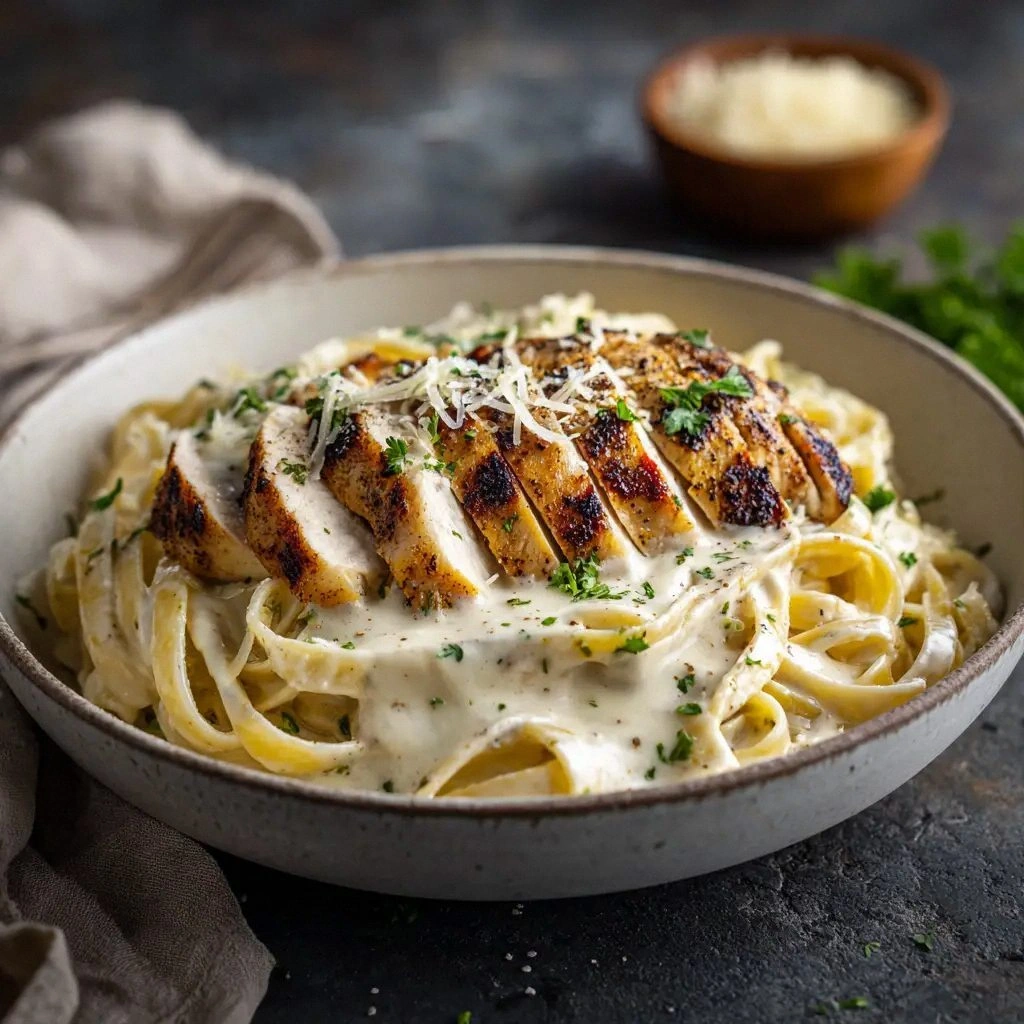
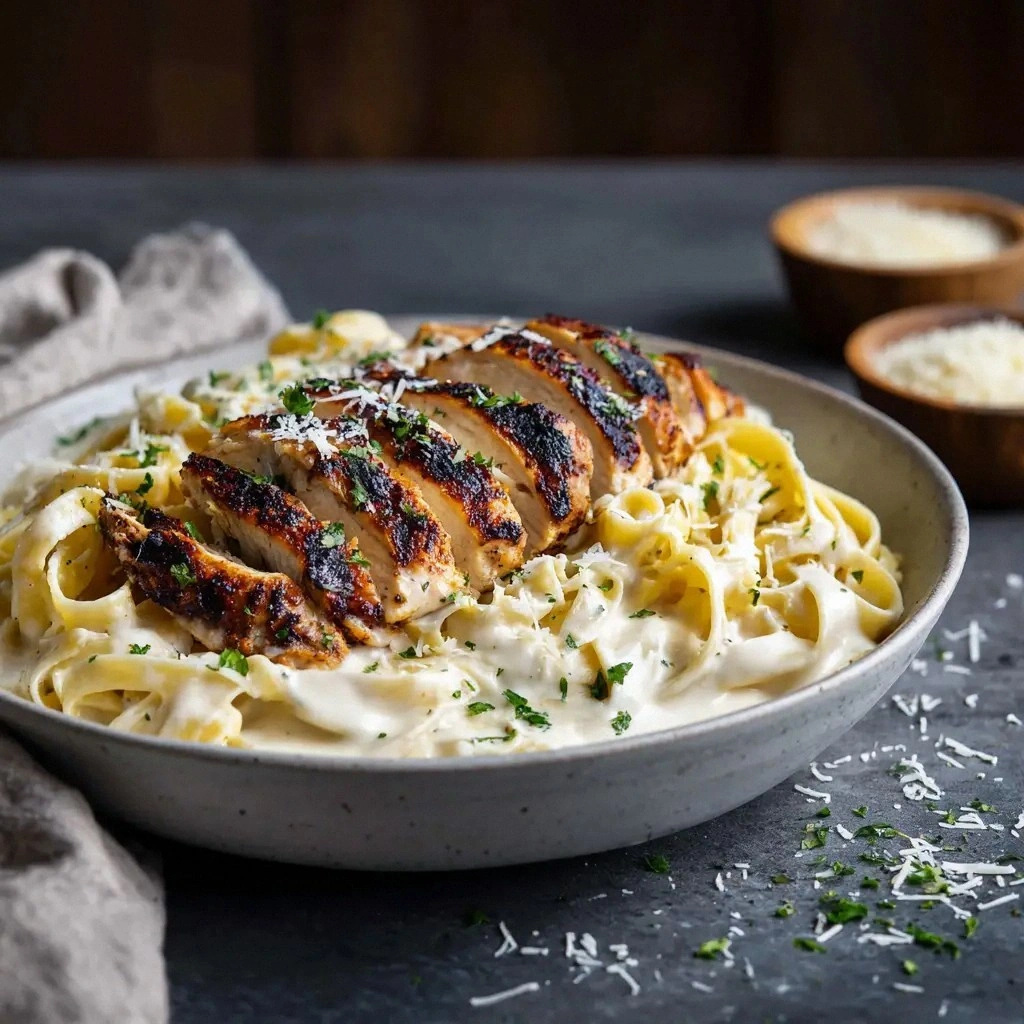
- Step 8: Plate and Garnish. Divide the pasta among plates, nestle the sliced chicken on top, and sprinkle fresh parsley. The bright green garnish adds a pop of color and a fresh burst that cuts through the richness. Serve immediately while it’s still warm and fragrant.
- Step 9: Enjoy. Take that first bite, let the sauce coat your tongue, and feel the comforting warmth spread. If you’re still hungry, I dare you to taste this and not go back for seconds. The combination of textures and flavors is that irresistible.
That’s it—you did it. But hold on, I've got a few more tricks that'll take this to another level. Stick around for insider tips that will keep your Alfredo silky, flavorful, and always restaurant‑grade.
Insider Tricks for Flawless Results
The Temperature Rule Nobody Follows
Cooking the pasta in salted water that’s already boiling ensures it cooks evenly and prevents sticking. Many people add pasta to cold water, which leads to uneven cooking and clumping. By letting the water reach a rolling boil before adding the pasta, you lock in the perfect al dente bite that holds the sauce.
Why Your Nose Knows Best
The aroma of garlic sizzling in butter is a natural cue that the flavor base is ready. If the smell turns slightly burnt, it means the garlic is overcooked. A fresh, fragrant garlic scent indicates the right timing—just enough to release its oils without turning bitter.
The 5‑Minute Rest That Changes Everything
Letting the cooked chicken rest for 5 minutes before slicing allows the juices to redistribute, keeping the meat moist. A friend once skipped this step and ended up with dry, stringy chicken that ruined the dish. The rest period is a simple but essential trick for maximum tenderness.
The Secret of a Thick, Emulsified Sauce
Adding the Parmesan slowly and stirring constantly ensures the cheese melts into the sauce without separating. If you add it all at once, the sauce may curdle. A steady, gentle heat keeps the mixture smooth and glossy.
The Quick Fix for a Clumpy Sauce
If your sauce accidentally thickens too much, whisk in a tablespoon of warm milk or pasta water to loosen it. The liquid’s starch content helps re‑emulsify the fats and keep the sauce silky. This quick fix can save a dish that would otherwise be ruined.
Creative Twists and Variations
This recipe is a playground. Here are some of my favorite ways to switch things up:
Pesto Alfredo Fusion
Swap the heavy cream for a handful of basil pesto. The green, herbaceous flavor pairs beautifully with the Parmesan, creating a vibrant, earthy alfredo that feels like a garden in a bowl.
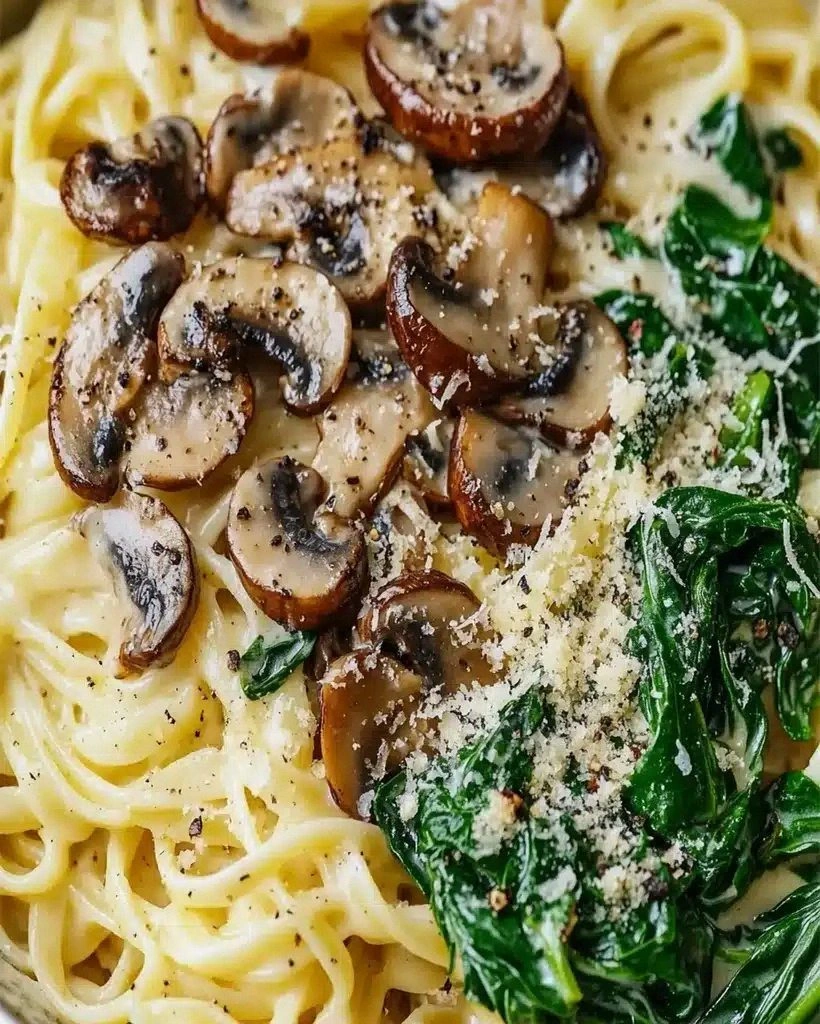
Mushroom Medley
Add sliced cremini or shiitake mushrooms to the skillet with the garlic. Their umami richness deepens the sauce, making it hearty enough for a vegetarian main dish.
Spicy Kick
Introduce a pinch of red pepper flakes or a dash of hot sauce when simmering the cream. The heat adds a lively contrast to the creamy base, making the dish exciting for spice lovers.
Seafood Twist
Replace chicken with shrimp or scallops. Sauté the seafood in the same pan after the garlic, letting it cook just until pink. The result is a luxurious seafood alfredo that’s perfect for special occasions.
Low‑Carb Version
Swap fettuccine for zucchini noodles or spaghetti squash. The sauce still clings beautifully, and the dish becomes a lighter, keto‑friendly option.
Cheese‑Heavy Delight
Add a tablespoon of Gorgonzola or blue cheese to the sauce for a sharp, tangy contrast that elevates the overall flavor profile.
Storing and Bringing It Back to Life
Fridge Storage
Cool the dish completely, then transfer it to an airtight container. Store in the refrigerator for up to 2 days. The sauce may thicken slightly, so a quick stir and a splash of milk can restore its silky texture.
Freezer Friendly
For longer storage, divide the pasta and sauce into separate containers. Freeze the sauce for up to 2 months; the pasta can be frozen for up to 1 month. When ready to eat, thaw overnight in the fridge, then reheat gently on the stove.
Best Reheating Method
Reheat on low heat, stirring frequently, and add a tiny splash of water or milk to keep the sauce from drying out. The gentle heat preserves the sauce’s creaminess and prevents the pasta from becoming mushy.