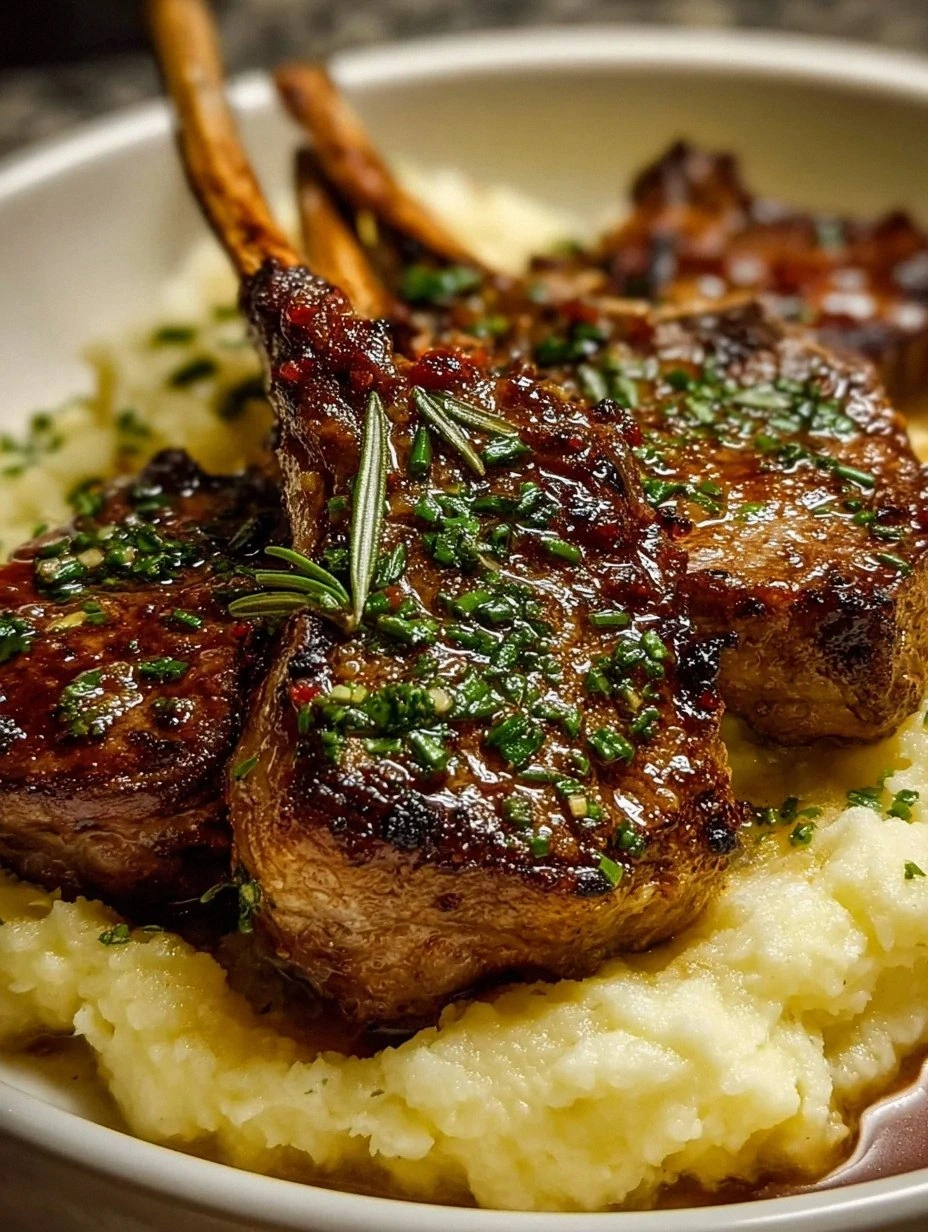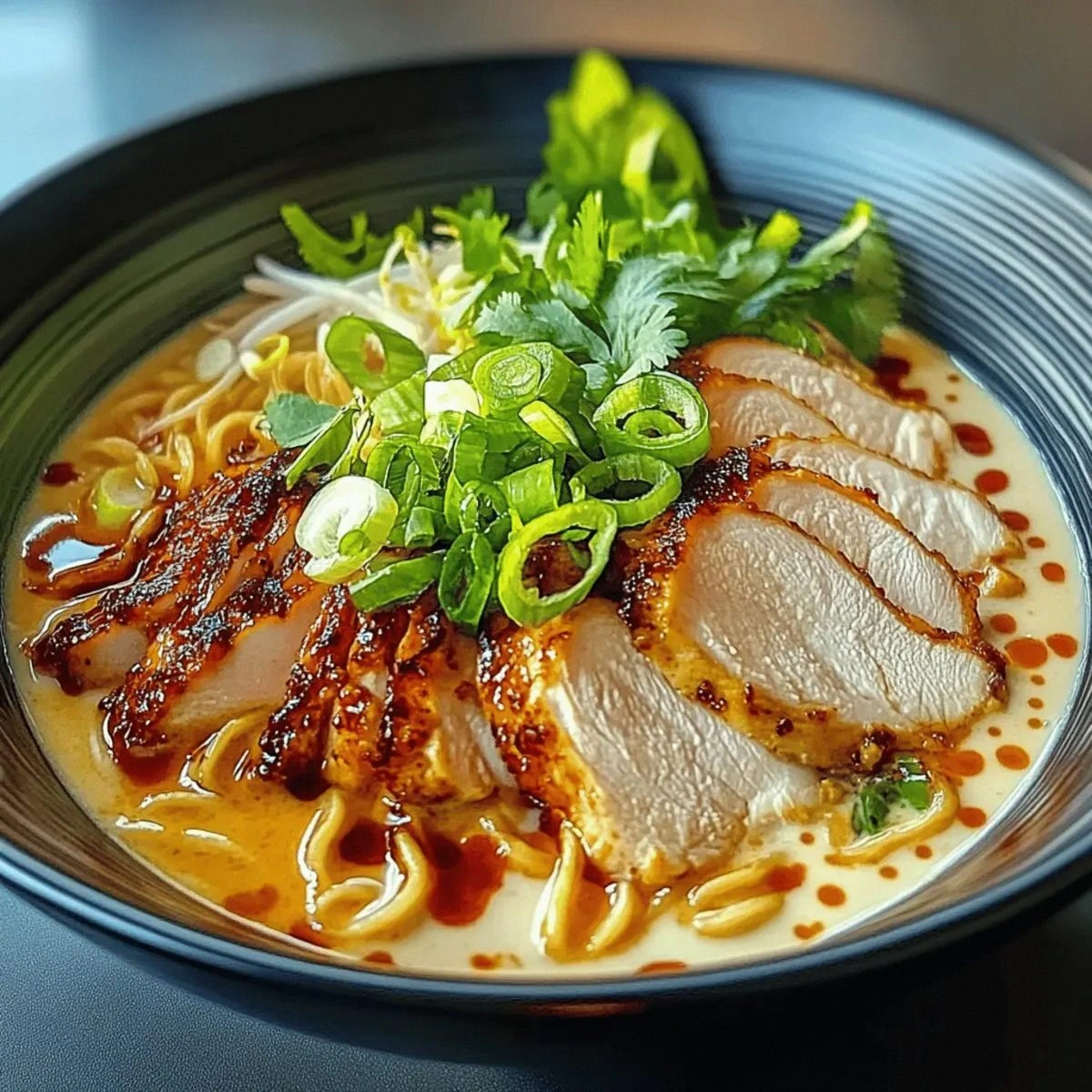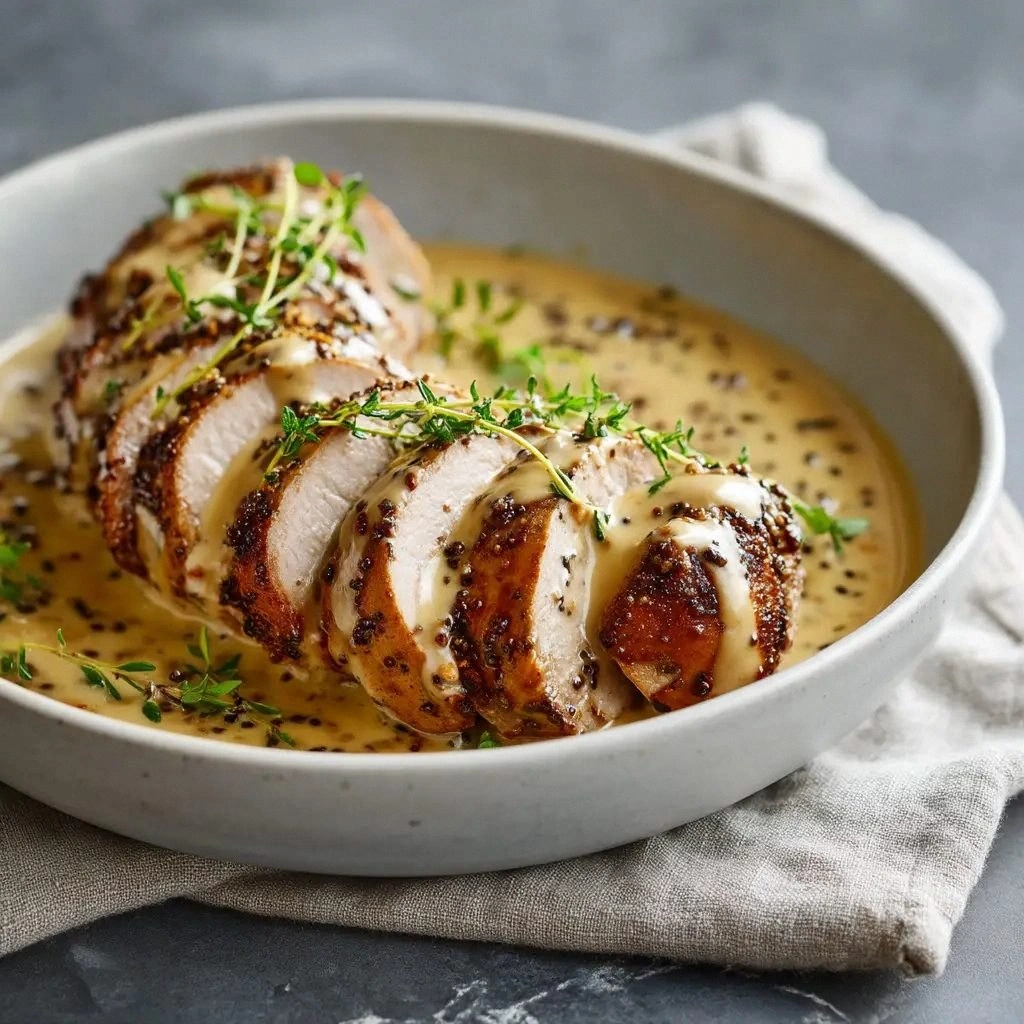
Picture this: I’m in a cramped apartment kitchen, the fridge is a relic of last week’s leftovers, and the clock is ticking. My friend texts, “I’m craving something that feels like a hug in a bowl.” I stare at the pantry, then at the pork tenderloin sitting in its plastic wrap, and I swear I heard a tiny voice say, “Why not make it unforgettable?” That moment of culinary desperation became the spark that lit up this recipe.
When the tenderloin hits the pan, the sizzle is like a drumroll, and the aroma that follows is a buttery, garlicky perfume that makes the whole apartment feel like a gourmet joint. I can taste the crisp crust, the melt-in-your-mouth center, and the creamy sauce that coats each bite like velvet. The dish feels like a comforting hug that also packs a punch of sophistication. It’s the kind of meal that turns an ordinary weekday into a celebration.
What makes this version stand out? It’s the harmony of textures—crisp edges, tender interior, silky sauce—combined with a flavor profile that leans into Dijon’s sharpness and cream’s richness. I’ve tweaked the classic recipe to eliminate the usual blandness that comes with over‑cooked pork. I’ve added a splash of white wine for acidity, a touch of fresh parsley for brightness, and a final swirl of cream that turns the sauce into a silky ribbon. The result? A dish that’s hands down the best version you’ll ever make at home.
And the kicker? I’ll be honest—after the first bite, I almost didn’t let anyone else try it. I dared you to taste this and not go back for seconds. Picture yourself pulling this out of the oven, the whole kitchen smelling incredible, and the plate looking like a masterpiece. Let me walk you through every single step—by the end, you’ll wonder how you ever made it any other way.
What Makes This Version Stand Out
- Flavor: The Dijon mustard gives a bright, tangy punch that cuts through the richness, while the wine adds depth and a subtle citrus note.
- Texture: A perfectly seared crust juxtaposed with a juicy center creates a mouthfeel that’s both satisfying and indulgent.
- Ease: Minimal prep time and a single pan make this dish a go-to for busy evenings.
- Versatility: Pair it with mashed potatoes, roasted veggies, or a light salad—each side complements the sauce’s creaminess.
- Crowd‑Pleaser: Guests rave about the balance of savory and creamy; it’s a hit at dinner parties and family gatherings alike.
- Ingredient Quality: Using a high‑quality pork tenderloin and fresh herbs elevates the entire dish.
- Make‑Ahead: The sauce can be prepped ahead of time and reheated without losing its silky texture.
- Presentation: The bright green parsley garnish gives a pop of color that makes the plate Instagram‑ready.
Alright, let’s break down exactly what goes into this masterpiece…
Inside the Ingredient List
The Flavor Base
The 1.25‑lb pork tenderloin is the star—choose a fresh, firm cut with a slight marbling for extra juiciness. A quick pat dry with paper towels ensures a beautiful brown crust. The 1 tbsp olive oil is the first layer of flavor; it helps the sear and adds a subtle fruity note. The 2 tbsp unsalted butter is added later to deepen the sauce and provide a silky mouthfeel.
The Texture Crew
The 1/2 tsp salt and 1/4 tsp black pepper season the meat and sauce, bringing out the natural flavors without overpowering them. The 1 shallot, finely minced, offers a sweet, oniony base that mellows into the sauce. The 3 cloves of garlic, minced or crushed, give a punchy aroma that lingers long after the dish is finished.
The Unexpected Star
That splash of 1/4 cup dry white wine is the secret ingredient that balances the richness of the cream and butter. It adds acidity and depth, preventing the dish from feeling heavy. A 3/4 cup low‑sodium chicken broth provides body and helps create a luscious sauce that clings to the pork.
The Final Flourish
The 2 tbsp Dijon mustard brings that unmistakable sharpness that cuts through the cream. The 1/2 cup heavy cream turns the sauce into a velvety ribbon that coats every bite. Finally, 2 tbsp fresh parsley, chopped, adds brightness and a pop of color that makes the dish look as good as it tastes.
Everything's prepped? Good. Let's get into the real action…
The Method — Step by Step
- Heat a large skillet over medium‑high heat and add the olive oil. Once the oil shimmers, place the pork tenderloin in the pan. Let it sear undisturbed for about 4–5 minutes until a golden crust forms. This step is crucial; the Maillard reaction creates the savory depth that defines the dish. Watch the sizzle—if the oil starts smoking, lower the heat slightly.
- Flip the pork and sear the other side for 4–5 minutes. Meanwhile, melt the butter in a separate saucepan over medium heat. Once melted, add the minced shallot and garlic, sautéing until the shallot turns translucent and the garlic releases its aroma. This aromatics base will form the foundation of your sauce.
- Deglaze the skillet with the white wine, scraping up all the browned bits from the bottom. Let the wine reduce by half, concentrating its flavor. The wine’s acidity will cut through the richness of the cream and butter, creating a balanced sauce.
- Add the chicken broth to the skillet, stirring to combine. Bring the mixture to a gentle simmer, then whisk in the Dijon mustard. The mustard’s acidity will brighten the sauce and help emulsify the butter and cream into a silky consistency.
- Reduce the heat to low and pour in the heavy cream. Stir until the sauce thickens slightly, coating the back of a spoon. This is the moment of truth; the sauce should be glossy and cling to the pork. If it’s too thin, let it simmer a bit longer.
- Return the pork to the skillet, spooning the sauce over it. Let it simmer for 5–7 minutes, allowing the meat to absorb the flavors. The pork should reach an internal temperature of 145°F (63°C). Once done, transfer the pork to a cutting board, tent it with foil, and let it rest for 5 minutes to redistribute juices.
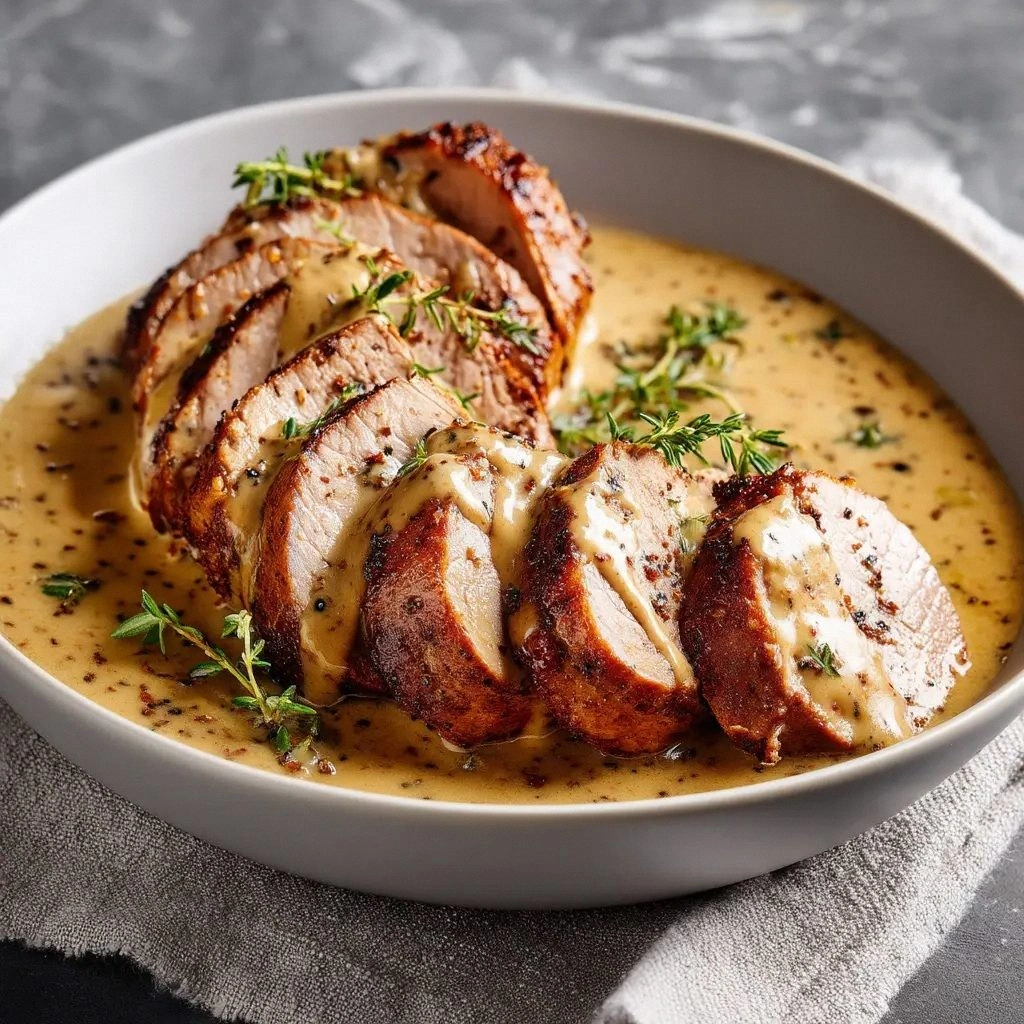
- Slice the pork into medallions, drizzle the remaining sauce over the slices, and garnish with fresh parsley. Plate the medallions on a warm dish to keep them juicy. Serve immediately with your favorite sides. The sauce’s silky texture should cling to each slice, delivering a burst of flavor with every bite.
That's it—you did it. But hold on, I've got a few more tricks that'll take this to another level…
Insider Tricks for Flawless Results
The Temperature Rule Nobody Follows
Many people think pork can be cooked to any temperature, but 145°F (63°C) is the sweet spot for tenderness and safety. Using a thermometer ensures you don’t overcook it, which would dry it out and ruin the sauce’s silky texture. I once tried a lower temperature and ended up with a rubbery center—lesson learned.
Why Your Nose Knows Best
Before you add the cream, pause and inhale the simmering sauce. If it smells slightly caramelized, you’re on track. A burnt scent means the sauce has over‑cooked, and you’ll need to add a splash of broth to salvage it. Trust your nose; it’s the ultimate judge of flavor.
The 5‑Minute Rest That Changes Everything
Letting the pork rest after cooking allows the juices to redistribute, ensuring every bite is moist. Skipping this step can leave the meat dry and the sauce clinging unevenly. I’ve seen people cut into the meat immediately, and the juices rush out like a waterfall—messy and dry.
Use Fresh Herbs, Not Dried
Fresh parsley adds brightness that dried herbs can’t match. The green color also makes the dish more visually appealing. If you’re out of parsley, a sprinkle of chopped chives works as a substitute but won’t give the same color pop.
Simmer Low, Not Boil
Keeping the sauce on a low simmer prevents it from separating. A rolling boil can cause the fat to rise to the surface, breaking the emulsion. If the sauce looks like it's starting to separate, reduce the heat and stir vigorously.
Creative Twists and Variations
This recipe is a playground. Here are some of my favorite ways to switch things up:
Smoky Chipotle Twist
Swap the Dijon mustard for a tablespoon of chipotle in adobo sauce and add a pinch of smoked paprika. The result is a smoky, slightly spicy sauce that pairs beautifully with a sweet potato mash.
Herb‑Infused Grilled Version
After searing, finish the pork on a pre‑heated grill for 3–4 minutes per side. Brush with a mixture of olive oil, lemon zest, and chopped rosemary for a fragrant, charred flavor.
Low‑Carb Coconut Cream Variation
Replace the heavy cream with coconut milk for a dairy‑free, low‑carb option. The coconut’s subtle sweetness balances the mustard’s sharpness, creating a tropical‑tinged sauce.
Vegetarian “Pork” Alternative
Use a firm tofu block, marinated in the same seasoning, and pan‑sear until golden. The sauce will cling beautifully, providing a hearty, plant‑based option.
Breakfast Brunch Edition
Serve sliced pork over fluffy scrambled eggs, topped with the creamy sauce and a sprinkle of chives. It’s a decadent twist on a classic breakfast dish.
Holiday Grape Pairing
Introduce a splash of red wine and a handful of fresh black grapes into the sauce for a festive twist that’s perfect for holiday gatherings.
Storing and Bringing It Back to Life
Fridge Storage
Store leftovers in an airtight container in the refrigerator for up to 3 days. The sauce will thicken slightly; reheat gently on low heat, whisking in a splash of water or broth to restore its silky texture.
Freezer Friendly
Cool the dish completely before transferring it to a freezer‑safe container. It can be frozen for up to 2 months. Thaw overnight in the refrigerator, then reheat as described above.
Best Reheating Method
Reheat in a saucepan over low heat, adding a tablespoon of water or broth to loosen the sauce. Stir frequently until heated through. Avoid microwaving, as it can cause the sauce to separate.