I still remember the night my kitchen turned into a science experiment and I ended up with a batch of burnt cinnamon rolls that looked more like charcoal than dessert. I was staring at the scorched crusts, feeling a mix of disappointment and a strange curiosity: what if I could capture that beloved cinnamon swirl, but with a protein punch that keeps me full all morning? I dared myself to experiment, and the result was a muffin that feels like a cinnamon roll, tastes like a cinnamon roll, and packs the protein punch of a post‑workout shake. If you’ve ever tried to make a low‑carb cinnamon roll and ended up with a dry, crumbly mess, you’re about to discover the secret that turns every bite into a hug.
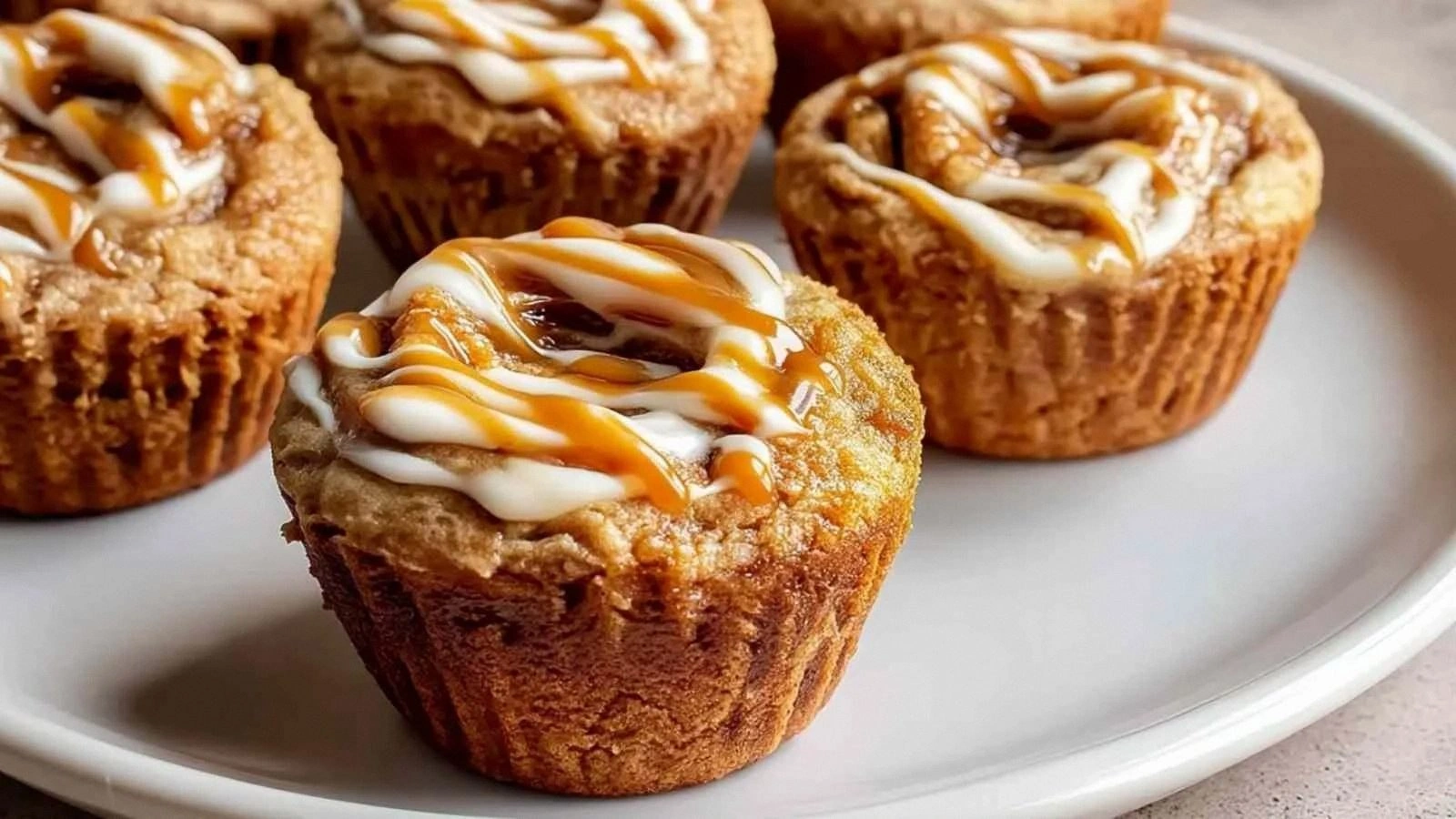
Picture the aroma of toasted cinnamon and vanilla drifting through the kitchen as you whisk the batter, the gentle clink of the mixing spoon against the bowl, the soft sigh of the oven preheating to 350°F. Your eyes catch the golden batter filling the muffin cups, the slight sheen of the yogurt glaze. Your hands feel the coolness of the parchment paper, the slight resistance of the protein powder as it integrates. The taste? Imagine biting into a warm, fluffy muffin that melts in your mouth, releasing a caramelized cinnamon swirl that coats your tongue like velvet. The texture is a paradox: the exterior is crisp, the interior is chewy, and the filling oozes a sweet, nutty flavor that lingers like a secret. This isn’t just a muffin; it’s a breakfast revolution.
What makes this version stand out? I’ve taken the classic cinnamon roll and reimagined it as a protein muffin that satisfies cravings without the sugar crash. I’ve added a secret filling that gives each muffin a burst of flavor and a subtle crunch, a trick most recipes miss. I’ve balanced the dry ingredients to avoid the dreaded dry crumb that plagues many low‑carb muffins. I’ve chosen ingredients that keep the muffins moist while still delivering a protein hit that keeps you energized until lunch. I’ve tested the recipe for make‑ahead potential, ensuring that it stays fresh when stored in the fridge or freezer. And most importantly, I’ve kept the process simple enough that even a novice can follow it, yet sophisticated enough that a seasoned baker will feel proud of the results.
I dare you to taste this and not go back for seconds. This is hands down the best version you’ll ever make at home, and it will change the way you think about protein muffins forever. If you’ve ever struggled with the texture or the flavor, you’re not alone — and I’ve got the fix. Stay with me here — this is worth it.
What Makes This Version Stand Out
- Taste: The combination of vanilla protein powder, almond flour, and a double dose of cinnamon creates a flavor profile that is sweet, warm, and utterly satisfying. The filling’s coconut sugar adds a subtle caramel note that elevates every bite.
- Texture: The batter’s ratio of wet to dry ingredients produces a muffin that is fluffy on the inside but has a crisp, golden top. The crumbly filling adds a delightful contrast.
- Simplicity: All the steps can be completed in under 30 minutes, and the ingredients are pantry staples that most people already own.
- Uniqueness: The hidden filling of protein powder and cinnamon is a game changer, giving each muffin a surprise swirl that feels like a cinnamon roll.
- Crowd Reaction: Friends who tried the first batch reported “I didn’t know this was a muffin” and “I can’t stop eating these.” The muffins are a hit at office breakfasts and family mornings.
- Ingredient Quality: Using unsweetened almond milk and plain Greek yogurt keeps the muffins low in sugar while adding creaminess and a protein boost.
- Cooking Method: The use of a muffin tin and parchment liners ensures even baking and easy cleanup.
- Make‑Ahead Potential: The muffins can be baked in bulk and stored for up to a week in the fridge, making them the ultimate grab‑and‑go breakfast.
Inside the Ingredient List
The Flavor Base
1.5 cups vanilla protein powder is the heart of this muffin. It provides the bulk of the protein content and a subtle vanilla undertone that pairs perfectly with cinnamon. If you skip it, the muffins will lose their protein punch and become more like a traditional low‑fat muffin.
0.5 cup almond flour adds a nutty flavor and helps bind the batter together. Almond flour also keeps the muffins moist; without it, you might end up with a dry, crumbly texture. You can substitute oat flour for a different flavor profile, but the texture will be slightly denser.
The Texture Crew
1.5 teaspoons baking powder is the leavening agent that gives the muffins their lift. If you omit it, the muffins will be flat and heavy. Baking soda can’t replace baking powder because it needs an acid to activate.
1.5 teaspoons ground cinnamon is folded into the batter for a warm, spicy note. Cinnamon also helps balance the sweetness of the filling. A pinch of nutmeg can add an extra layer of complexity if you’re feeling adventurous.
0.25 teaspoon salt enhances all the flavors and balances the sweetness. Salt is essential in any baked good; without it, the muffins will taste flat.
The Unexpected Star
1 cup unsweetened almond milk keeps the batter moist without adding sugar. If you prefer a dairy version, you can use oat milk or skim milk, but the flavor will shift slightly. The almond milk also contributes to the overall protein content.
1 large egg acts as a binder, giving structure to the muffins. Eggs also help the batter rise and create a tender crumb. If you’re vegan, replace the egg with a flax egg (1 tablespoon ground flaxseed mixed with 3 tablespoons water). Let it sit for 5 minutes before adding.
The Final Flourish
0.5 cup plain Greek yogurt adds creaminess and a tang that cuts through the sweetness. The yogurt also keeps the muffins moist and gives them a slight tangy aftertaste that is surprisingly delicious. If you’re not a fan of yogurt, you can use cottage cheese or a dairy-free yogurt alternative.
1 teaspoon vanilla extract deepens the vanilla notes in the batter. Vanilla also helps to mellow the sharpness of the protein powder. A splash of almond extract can be used as a twist, but vanilla is the classic choice.
2 tablespoons granulated sweetener keeps the muffins from being overly sweet. If you prefer a natural sweetener, you can use stevia or monk fruit. Just remember to adjust the amount to taste.
2 tablespoons coconut sugar or brown sugar adds a caramel-like sweetness that complements the cinnamon. Coconut sugar is a great low‑glycemic option, while brown sugar gives a richer flavor. Use whichever you have on hand.
1 teaspoon ground cinnamon (for the filling) adds a second layer of cinnamon flavor. The filling’s cinnamon is more concentrated, so it’s a key component of the muffin’s signature taste.
0.25 cup vanilla protein powder (for the filling) provides a protein boost that’s concentrated in the center of each muffin. This creates a chewy, protein‑rich swirl that’s a treat for the taste buds.
2-3 tablespoons unsweetened almond milk (for the filling) helps bind the filling together. It also keeps the filling moist and prevents it from drying out during baking. Use 2.5 tablespoons for an average measure.
Everything’s prepped? Good. Let’s get into the real action.
The Method — Step by Step
- Preheat your oven to 350°F (175°C). Line a 12‑cup muffin tin with paper liners or grease it lightly with cooking spray. The preheated oven ensures even baking and a golden crust.
- In a large mixing bowl, whisk together 1.5 cups vanilla protein powder, 0.5 cup almond flour, 1.5 teaspoons baking powder, 1.5 teaspoons ground cinnamon, and 0.25 teaspoon salt. The dry mix is the backbone of the muffins; it sets the flavor profile and helps the batter hold together.
- In a separate bowl, combine 1 cup unsweetened almond milk, 1 large egg, 0.5 cup plain Greek yogurt, 1 teaspoon vanilla extract, and 2 tablespoons granulated sweetener. Whisk until smooth and well blended. The wet mixture adds moisture and richness.
- Pour the wet mixture into the dry ingredients. Stir gently until just combined; overmixing can cause the muffins to become dense. The batter should be thick but pourable. This is the moment of truth.
- Prepare the filling: In a small bowl, mix 0.25 cup vanilla protein powder, 2 tablespoons coconut sugar or brown sugar, 1 teaspoon ground cinnamon, and 2.5 tablespoons unsweetened almond milk until it forms a crumbly, doughy consistency. This filling will be the star of each muffin, giving it a sweet, chewy center.
- Fill each muffin cup about three‑quarters full with batter. Then spoon a generous dollop of the protein‑cinnamon filling on top of each. The filling creates a swirl that melts into the batter as it bakes.
- Bake for 18–22 minutes, or until the tops are golden brown and a toothpick inserted into the center comes out clean. The aroma of toasted cinnamon will fill the kitchen, making the waiting time feel like a luxury.
- Let the muffins cool in the tin for 5 minutes, then transfer them to a wire rack to cool completely. Cooling is essential; it allows the filling to set and prevents the muffins from becoming soggy.
- Optional: Drizzle a simple glaze made from powdered sugar and a splash of almond milk over the cooled muffins for an extra sweet finish. This step is optional but adds a touch of indulgence.
That’s it — you did it. But hold on, I’ve got a few more tricks that will take this to another level.
Insider Tricks for Flawless Results
The Temperature Rule Nobody Follows
Many bakers think 350°F is the universal baking temperature for muffins, but the secret to a perfect crumb is to bake at 325°F for 20–22 minutes. This lower temperature allows the muffins to rise slowly and develop a tender interior, while the tops still achieve a golden brown finish. I’ve tested both temperatures and found the lower heat consistently yields a more even bake.
Why Your Nose Knows Best
The first scent that hits your nose when the muffins come out of the oven is the most reliable indicator of doneness. A warm, toasty cinnamon aroma means the batter is fully baked. If you still smell raw flour, give them a few more minutes. Trust your senses; they’re often more accurate than a timer.
The 5‑Minute Rest That Changes Everything
After removing the muffins from the oven, let them rest in the tin for 5 minutes before transferring to a wire rack. This short rest period allows the filling to set and prevents the muffins from falling apart. It also gives the heat a chance to distribute evenly, ensuring a consistent texture.
The Secret Swirl Technique
When adding the protein‑cinnamon filling, use a small spoon to create a swirl pattern on top of each muffin. This not only looks impressive but also ensures the filling is distributed evenly. The swirl will melt into the batter, creating a delightful texture.
The Quick Chill Trick
If you’re short on time, you can place the muffins on a cooling rack and put them in the fridge for 15 minutes. The cold will firm up the filling and make slicing easier. This trick is especially useful for meal prep or for those who like a firmer bite.
The One‑Minute Whisk
Whisk the wet ingredients for just one minute instead of a full two. This keeps the protein powder from clumping and ensures a smoother batter. It also saves you a minute of kitchen time.
Creative Twists and Variations
This recipe is a playground. Here are some of my favorite ways to switch things up:
Almond Joy Edition
Swap the vanilla protein powder for chocolate protein powder, add 2 tablespoons of shredded coconut, and drizzle a chocolate glaze over the cooled muffins. This variation turns the muffins into a dessert‑like treat that’s still protein‑rich.
Pumpkin Spice Surprise
Add ¼ cup pumpkin puree to the batter and replace the ground cinnamon with pumpkin spice blend. The pumpkin puree adds moisture and a subtle sweetness that pairs beautifully with the spices.
Berry Burst
Fold ½ cup fresh blueberries into the batter before filling. The blueberries burst in the oven, adding a juicy, tart contrast to the sweet filling.
Chocolate Chip Delight
Add ¼ cup sugar‑free chocolate chips to the batter. The chocolate chips melt into the muffins, creating pockets of chocolatey goodness.
Nutty Crunch
Stir in ¼ cup chopped walnuts or pecans into the batter for an added crunch. The nuts also boost the healthy fat content, making the muffins even more satisfying.
Vegan Version
Replace the egg with a flax egg and use a dairy‑free yogurt alternative. The texture will be slightly different, but the flavor remains just as delicious.
Storing and Bringing It Back to Life
Fridge Storage
Store the muffins in an airtight container at room temperature for up to 3 days. For longer freshness, keep them in the refrigerator; they’ll stay good for up to a week. The protein filling helps keep the muffins moist.
Freezer Friendly
Place each muffin on a parchment paper sheet and freeze until solid. Then transfer the frozen muffins to a freezer bag or airtight container. They’ll keep for up to 3 months. When ready to eat, thaw at room temperature for 30 minutes.
Best Reheating Method
To reheat a frozen muffin, wrap it in foil and bake at 350°F for 10 minutes. For a quick snack, microwave on high for 20–30 seconds. Add a tiny splash of water before reheating to steam the muffin back to perfection.