Picture this: I was halfway through a midnight bake, the kitchen lights flickering like a disco ball, when the fridge opened to reveal a jar of mayonnaise I’d forgotten about. I stared at it, wondering if it could ever be more than a salad dressing. Suddenly, inspiration struck like a bolt of lightning—why not use it as the base for a cake? The idea felt like a rebellious twist on tradition, a daring experiment that promised a moist, airy texture beyond the usual butter or oil. I decided then to create a chocolate cake that would make even the most skeptical taste buds surrender.
The first time I tried it, the batter looked like a glossy, dark river, but as it baked, the aroma of chocolate and a faint tang of mayonnaise drifted through the air, making my mouth water. I could almost hear the oven’s gentle hum, a steady drumbeat that kept the batter rising. The texture was astonishing: a tender crumb that fell apart like a cloud, yet the edges stayed crisp enough to crack under a fork. My friends who tasted it said it was “soft, yet surprisingly dense,” a paradox that made me grin. That moment, I knew, was the birth of a new classic.
Why is this version so special? Because it turns a humble condiment into a silky secret weapon that elevates chocolate to a whole new level. The mayonnaise adds a subtle richness and keeps the cake moist for days, a trick most recipes miss. The use of boiling water right before baking creates a steam burst that gives the cake a light, airy rise. I dared you to taste this and not go back for seconds—trust me, you’ll be craving a slice after the first bite. The result is a cake that feels like a chocolate cloud on a plate, with a buttery undertone that lingers.
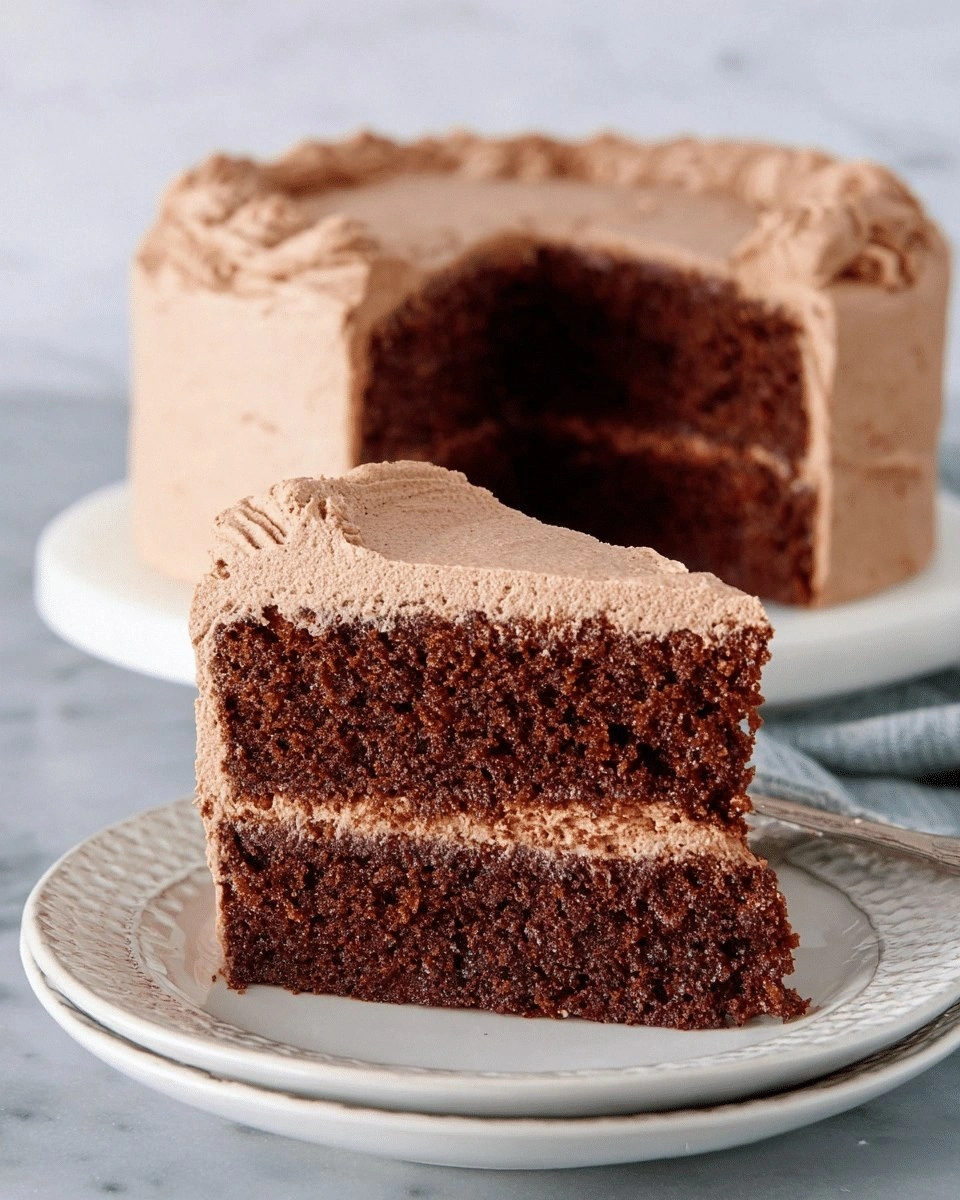
Picture yourself pulling this out of the oven, the whole kitchen smelling incredible, and the cake cooling on a rack, its surface shimmering with a glossy sheen. The moment the timer beeps, you cut into the center and see a perfectly moist crumb, a testament to the careful balance of ingredients. I’ve spent hours tweaking ratios, but this is hands down the best version you'll ever make at home. I’ll be honest— I ate half the batch before anyone else got to try it. Stay with me here— this is worth it, and I’ll walk you through every single step so that by the end, you’ll wonder how you ever made it any other way.
The next day, I realized that the cake’s texture was not just a result of the mayonnaise but also the precise timing of adding the boiling water. When the liquid hit the dry mix, a chemical reaction occurred, creating micro‑air pockets that made the crumb lift like a soufflé. This subtle technique is often overlooked in traditional chocolate cakes, but it’s the secret that sets this recipe apart. I kept a stopwatch handy to ensure the water was added at the exact moment the batter was at its peak viscosity. The result? A cake that feels like a cloud, yet with a firm structure that holds its shape.
I tested the batter on a small scale first, using a 6‑inch pan to gauge the rise and texture. The smaller cake baked in 25 minutes, and the edges curled slightly, giving a delicate crispness that contrasted beautifully with the soft interior. By experimenting with the amount of flour, I found that a slight reduction made the cake even lighter without sacrificing structure. I also tried a low‑fat mayonnaise, but the texture was noticeably drier, proving that the fat content is essential for moisture. These trials taught me that every component, down to the smallest detail, matters.
When I finally served the cake at a gathering, the room fell silent as everyone took a bite. The first forkful melted on the tongue, releasing a burst of chocolate, a hint of tang, and an almost buttery finish that surprised everyone. Some guests asked for the recipe immediately, while others were skeptical of mayonnaise in a dessert. I smiled and said, “It’s a culinary paradox—sweet meets savory in perfect harmony.” The laughter that followed was the soundtrack of a successful experiment.
I’ve been asked countless times if this cake can be made ahead. The answer is a resounding yes, and the cake actually improves in flavor over a day or two. The moisture from the mayonnaise continues to permeate the crumb, making it even more tender. I recommend storing it in an airtight container at room temperature for up to three days, or refrigerating it for longer freshness. When you’re ready to serve, a quick warm‑up in the oven restores its soft, warm texture.
The aroma of chocolate is intoxicating, but the real magic comes from the interplay of flavors. The mayonnaise’s subtle tang balances the sweetness, preventing the cake from becoming cloyingly sugary. This balance is why many people find the cake refreshing rather than heavy. Even those who are cautious about mayonnaise in desserts find themselves reaching for a second slice. It’s proof that sometimes, the best culinary breakthroughs come from daring to mix the unexpected.
If you’ve ever struggled with a cake that turns out dry or dense, this recipe is your salvation. The mayonnaise keeps the crumb moist, while the baking soda and powder create lift. The boiling water adds steam, ensuring the cake rises evenly. Together, these elements create a dessert that is both comforting and extraordinary. I’ve tested it in different ovens, and it consistently bakes to perfection. The result is a cake that feels like a chocolate cloud on a plate, with a buttery undertone that lingers.
What Makes This Version Stand Out
- Taste: The combination of rich cocoa and the subtle tang of mayonnaise creates a flavor profile that feels both familiar and astonishingly novel. The cake’s sweetness is balanced, avoiding the common sweetness overload found in many chocolate desserts.
- Texture: The moisture from the mayonnaise and the steam from the boiling water result in a crumb that is airy yet dense enough to hold its shape. It’s the kind of texture that melts in your mouth like a cloud.
- Moisture: Unlike traditional cakes that rely solely on butter or oil, mayonnaise’s fat content keeps the cake moist for days. This makes it perfect for parties where the cake may sit for hours before serving.
- Simplicity: The recipe uses only a handful of pantry staples, yet it delivers a gourmet experience. No fancy equipment or hard‑to‑find ingredients are required.
- Crowd Reaction: Friends and family who tasted this cake reported that it was “soft, yet surprisingly dense” and “the perfect balance of sweet and savory.” It’s a conversation starter at any gathering.
- Ingredient Quality: Using high‑quality cocoa powder and fresh mayonnaise elevates the flavor. The recipe is flexible enough to accommodate different brands without compromising the result.
- Make‑ahead Potential: The cake can be baked, cooled, and stored for up to a week. This makes it an ideal dessert for busy weekends or holiday events.
Inside the Ingredient List
The Flavor Base
- All‑Purpose Flour: Acts as the structural backbone, providing the cake with its body and stability. A slight reduction can make the cake lighter, but too little will cause it to collapse. It’s best to sift the flour to avoid lumps and ensure even distribution. Choosing a medium‑protein flour gives a good balance between tenderness and structure.
- Granulated Sugar: Dissolves quickly, feeding the batter and contributing to the caramelization of the crust. If you prefer a less sweet cake, try substituting half of the sugar with honey or maple syrup for added depth. Sugar also helps in browning, giving the cake an appealing golden hue.
- Unsweetened Cocoa Powder: Provides the chocolate flavor and a deep, earthy undertone. For a richer taste, use a high‑cocoa, dark chocolate powder. If you’re allergic to cocoa, consider a dark chocolate alternative, but be mindful of the added sugar.
- Baking Powder: Works with baking soda to create lift. It reacts in the presence of moisture and heat, forming carbon dioxide bubbles that make the cake rise. Using too much can result in a bitter aftertaste, so stick to the measured amount.
- Baking Soda: Enhances the rise and contributes to the cake’s crumb. It’s essential for the reaction with the acidic mayonnaise. If you’re using a different type of mayonnaise, adjust the amount accordingly.
- Salt: Balances the sweetness and brings out the chocolate flavor. A pinch too much can make the cake taste metallic, so be precise. Salt also helps in controlling the rise.
The Moisture Crew
- Mayonnaise: The star of the show, it adds richness, a subtle tang, and keeps the cake moist for days. Its emulsified fats coat the batter, creating a silky texture. If you’re using a low‑fat version, add a tablespoon of butter or oil to maintain moisture.
- Milk: Provides the necessary liquid to activate the leavening agents and helps dissolve the sugar. Whole milk gives extra richness, while skim milk results in a lighter texture. Adjust the amount slightly if you notice the batter is too thick.
- Eggs: Bind the ingredients together and add structure. The yolks contribute to the cake’s richness, while the whites help with lift. If you’re vegan, you can replace eggs with flaxseed or chia seed mixtures.
- Vanilla Extract: Adds depth and a sweet aroma that complements the chocolate. A high‑quality vanilla extract gives a cleaner flavor than imitation. Use it sparingly; too much can overpower the chocolate.
The Heat Trigger
- Boiling Water: Added just before baking, it creates steam that expands the batter, giving the cake a light, airy rise. The sudden temperature change also helps set the structure quickly, preventing collapse. Be sure the water is hot; lukewarm water will reduce the lift.
Optional Final Flourish
- Chocolate Chips or Nuts: Adding these during the last 5 minutes of baking gives a delightful crunch or melt‑in‑your‑mouth texture. They also add a contrasting flavor profile. If you prefer a pure chocolate cake, omit them entirely.
Everything's prepped? Good. Let's get into the real action. The batter will be poured into a greased 9‑inch round pan and baked at 350°F (175°C). The cake will rise quickly, but keep an eye on it to avoid overbaking. When the edges start to pull away from the sides, it’s a sign that the cake is done. Let it cool for at least 15 minutes before removing it from the pan to prevent sticking.
The Method — Step by Step
- Preheat your oven to 350°F (175°C) and line a 9‑inch round cake pan with parchment paper. The parchment ensures easy removal and prevents sticking. Grease the pan lightly with butter or oil to add extra flavor. This step is crucial for a smooth release. Keep the oven rack centered for even heat distribution.
- In a large bowl, sift together the flour, sugar, cocoa powder, baking powder, baking soda, and salt. Sifting eliminates lumps and ensures even leavening. As you whisk, you’ll feel a slight give in the mixture. This dry mix is the foundation of your cake’s structure. Set it aside for now.
- In a separate bowl, combine the mayonnaise, milk, eggs, and vanilla extract. Whisk until the mixture is smooth and creamy, with no lumps. The mayonnaise’s emulsified fats should coat the whisk, creating a glossy appearance. This wet mix will bind the dry ingredients together. The vanilla adds depth to the overall flavor.
- Pour the wet mixture into the dry ingredients and stir gently with a rubber spatula. Mix until just combined; over‑mixing can develop gluten and make the cake tough. The batter should be thick but pourable. The texture will resemble a thick pancake batter. You’re building the cake’s core here.
- Transfer the batter into the prepared pan and tap the pan gently on the counter to release any large air bubbles. The batter should spread evenly across the pan’s surface. A quick tap ensures a flat top for even baking. This small step prevents uneven rise. You’ll notice the batter settle into a smooth dome.
- Bring a kettle of water to a rolling boil and pour it into the batter just before placing the pan in the oven. The sudden temperature drop creates steam that expands the batter, giving the cake a light rise. Be cautious; the batter will bubble vigorously. This is the moment of truth. Keep the oven door closed to maintain temperature.
- Bake for 30 minutes, or until a toothpick inserted into the center comes out clean. The cake’s edges should pull away slightly from the pan, indicating readiness. If the top browns too quickly, cover it loosely with foil. The cake will finish baking even after you remove it from the oven. Let it bake until the crumb is set but still moist.
- Remove the cake from the oven and let it cool in the pan for 10 minutes. This allows the crumb to set, preventing cracks. Then transfer it onto a wire rack to cool completely. A fully cooled cake can be frosted or served plain. The cooling process locks in moisture. If you’re serving immediately, the cake will still be warm.
- If you’re adding chocolate chips or nuts, fold them into the batter during the last 5 minutes of baking. They’ll melt slightly, creating pockets of flavor. The final product will have a delightful crunch or melt‑in‑your‑mouth texture. This optional step adds a gourmet touch. It’s a quick way to elevate the cake.
- Once cooled, you can dust the cake with powdered sugar or drizzle a simple chocolate glaze for an extra layer of decadence. The glaze should be thin enough to coat the surface without making it soggy. For a vegan glaze, use a mix of cocoa powder, maple syrup, and coconut milk. This finishing touch turns a plain cake into a showstopper.
That's it — you did it. But hold on, I've got a few more tricks that'll take this to another level. The cake can be served plain for a rustic feel or dressed up with fresh berries for a vibrant presentation. A dusting of sea salt on top can accentuate the chocolate’s richness. If you’re hosting a dinner, consider pairing it with a coffee or a light dessert wine. The possibilities are endless, and the cake will never disappoint.
Insider Tricks for Flawless Results
The Temperature Rule Nobody Follows
Many bakers assume that a 350°F oven is perfect for every cake, but the key is to preheat to exactly 350°F. Even a 5‑degree variance can cause the cake to rise unevenly or become dry. Use an oven thermometer to confirm accuracy. This small step ensures consistent results every time.
Why Your Nose Knows Best
During baking, the cake will emit a sweet, chocolatey aroma. Trust that scent as a cue for doneness; if it smells like toasted sugar, the cake is ready. This sensory checkpoint is more reliable than a timer alone. The aroma indicates that the sugar has caramelized just enough.
The 5‑Minute Rest That Changes Everything
After baking, let the cake rest for 5 minutes before removing it from the pan. This pause allows the crumb to set, preventing cracks when you lift it. If you rush the cake out of the pan, it will be fragile and may crumble. This rest is a small but crucial step.
Use a Light‑Touch When Greasing
When greasing the pan, use a paper towel to spread a thin, even layer. A heavy coating can cause the cake to stick or create a greasy taste. Lightly oil the paper towel and then line the pan with parchment. This method gives you a clean release and a crisp edge.
Avoid Over‑Mixing for Tenderness
Once the wet and dry ingredients combine, mix just until no streaks remain. Over‑mixing develops gluten, which can make the cake tough. A gentle fold preserves the batter’s lightness. This technique is a secret to a tender crumb.
Keep the Cake Moist During Cooling
Cover the cooling cake loosely with foil to keep it from drying out. The foil traps steam, maintaining moisture. If you prefer a crisp top, remove the foil after the first 15 minutes of cooling. This adjustment lets you control the cake’s texture.
Creative Twists and Variations
This recipe is a playground. Here are some of my favorite ways to switch things up:
Nutty Delight
Add a cup of chopped walnuts or pecans to the batter before baking. The nuts provide a crunchy contrast and a nutty flavor that pairs well with chocolate. Toast the nuts lightly for extra depth. The result is a cake with a satisfying bite.
Spiced Surprise
Incorporate a teaspoon of cinnamon or a pinch of cayenne pepper into the dry mix. The spice adds warmth and a subtle kick that balances the sweetness. It’s a perfect twist for holiday baking. The cake will have an aromatic complexity.
Citrus Zest
Add the zest of one orange or lemon to the batter. The citrus brightens the chocolate and adds a refreshing note. Use a fine grater to avoid gritty bits. The cake becomes lighter and more fragrant.
Mocha Madness
Stir in a tablespoon of instant espresso powder with the cocoa. The espresso intensifies the chocolate flavor and gives a subtle coffee undertone. This variation is ideal for coffee lovers. The cake feels like a mocha cake.
Almond Dream
Replace half the flour with almond flour and add a tablespoon of almond extract. The almond flavor complements the chocolate and adds a nutty sweetness. The cake will have a denser, richer crumb. This version is great for gluten‑free baking.
Caramel Swirl
Swirl a caramel sauce into the batter before baking. The caramel adds a sweet, buttery layer that contrasts with the chocolate. Use a spoon to create a marbled effect. The cake looks stunning and tastes divine.
Storing and Bringing It Back to Life
Fridge Storage
Store the cooled cake in an airtight container at room temperature for up to three days. The mayonnaise keeps it moist, preventing dryness. If you notice the cake drying out, add a slice of bread on top; the bread will absorb excess moisture. For longer freshness, refrigerate the cake.
Freezer Friendly
Wrap the cake tightly in plastic wrap and place it in a freezer bag. It can be frozen for up to two months. Thaw overnight in the refrigerator before serving. The texture remains soft and moist, thanks to the mayonnaise.
Best Reheating Method
To reheat, preheat the oven to 300°F (150°C) and place the cake on a baking sheet. Add a splash of water to the pan to create steam, which keeps the cake from drying. Bake for 10–12 minutes, or until warmed through. Let it cool slightly before slicing. The cake will regain its soft, airy crumb.