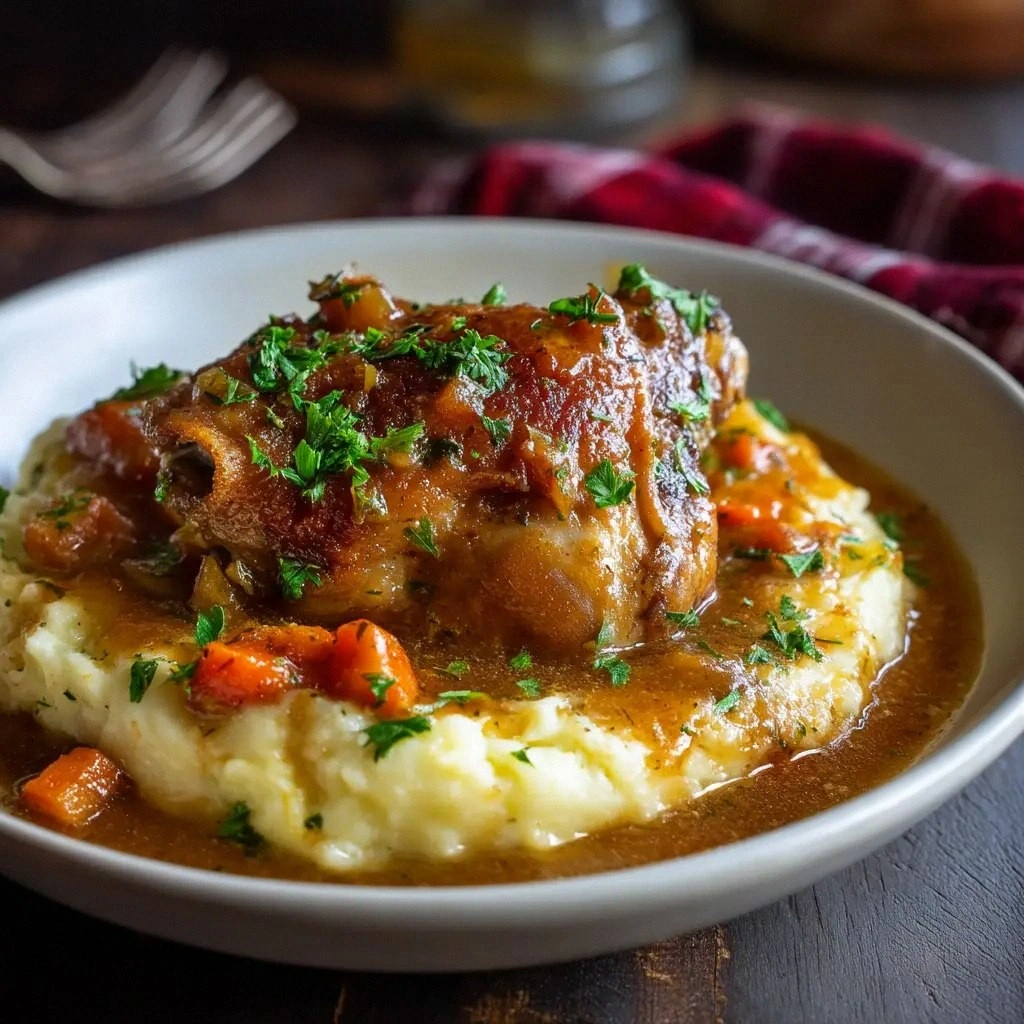
I remember the night the kitchen exploded with a burnt pot of chicken that turned my dinner into a smoky, flavorless mess. I stared at the charred crust, wondering if I could salvage anything from it. Then, a friend sent me a photo of a golden, bone‑in, skin‑on chicken thigh simmering in a crimson sauce that looked like liquid velvet. That image sparked a dare: I would recreate that masterpiece and prove that a humble thigh could outshine any fancy cut. I’m not just telling you a story; I’m inviting you to step into my kitchen, watch the sizzle, and taste a dish that will have you craving seconds and thirds.
Picture the moment the pan hits the stove: a gentle hiss, the scent of onions caramelizing, and the first splash of wine that turns the air into a fragrant cloud. The sound of garlic cloves breaking apart is a subtle drumbeat that signals flavor is about to bloom. You can almost feel the heat radiating from the skillet, the way the chicken’s skin crisps into a golden crust that crackles like thin ice. Each bite delivers a contrast of textures—juicy, tender meat against a silky tomato‑thyme sauce that coats the palate like velvet. The aroma alone is enough to make a room feel like a cozy Italian trattoria.
What sets this version apart is not just the ingredients but the technique that unlocks depth in every bite. I’ve refined the searing process to lock in juices, used a precise ratio of wine to broth for a balanced acidity, and let the sauce reduce until it’s thick enough to cling to the meat without becoming syrupy. The result is a dish that’s comforting yet elegant, with a sauce that’s both rich and bright. Most recipes get this completely wrong, overcooking the chicken or letting the sauce burn; here, every element works in harmony. I dare you to taste this and not go back for seconds.
If you’ve ever struggled with a chicken dish that turns out dry or a sauce that never thickens, you’re not alone—yet you’re about to discover a game‑changer. This recipe is hands down the best version you’ll ever make at home because it balances simplicity with depth of flavor. The next few paragraphs will guide you through each step, from selecting the right thighs to finishing the sauce with a splash of fresh parsley. Picture yourself pulling this out of the oven, the whole kitchen smelling incredible, and friends asking for the recipe. Let me walk you through every single step—by the end, you’ll wonder how you ever made it any other way.
What Makes This Version Stand Out
- Flavor: A bold tomato base combined with white wine and thyme creates a sauce that is both bright and deeply savory.
- Texture: The skin crisps to a satisfying crunch while the meat stays moist, thanks to a precise searing technique.
- Simplicity: With only nine core ingredients, you can whip this up on a weekday without sacrificing taste.
- Uniqueness: The use of crushed tomatoes instead of puree gives the sauce a rustic, chunky feel that stands out.
- Crowd‑Pleaser: The dish is hearty enough for a family dinner yet refined enough for a dinner party.
- Ingredient Quality: Choosing bone‑in, skin‑on thighs adds flavor and renders a natural broth during cooking.
- Cooking Method: Slow simmering allows the flavors to meld while the chicken stays tender.
- Make‑Ahead Potential: The sauce can be prepared ahead of time and reheated without losing its integrity.
Inside the Ingredient List
The Flavor Base
Onion, carrots, and celery form the classic mirepoix that builds the foundation of any savory sauce. The onion’s sweetness balances the acidity of the tomatoes, while the carrots bring a subtle earthiness. Celery adds a peppery bite that cuts through the richness of the chicken. Skipping any of these will leave the sauce feeling flat and incomplete. If you’re short on time, use a frozen mirepoix mix; it retains the same flavor profile and saves chopping.
The Texture Crew
Bone‑in, skin‑on chicken thighs are the star of the show. The bone adds depth to the broth, and the skin crisps to a delightful crunch. The thighs stay juicy even after long simmering, thanks to their higher fat content compared to breasts. If you prefer a leaner version, swap in skinless thighs, but be prepared for a slightly drier result. A small tip: pat the thighs dry with paper towels before searing to ensure a crisp skin.
The Unexpected Star
White wine is more than just a flavor enhancer; it helps break down the connective tissue in the meat, making the thighs tender. The acidity also balances the sweetness of the tomatoes and the richness of the butter. If you’re avoiding alcohol, substitute with a splash of chicken broth and a teaspoon of vinegar. A common mistake is using a dry, high‑proof wine; instead, choose a medium‑body white that won’t overpower the dish.
The Final Flourish
Fresh parsley isn’t just a garnish—it brightens the dish with a pop of color and a hint of herbaceous freshness. It also signals the sauce is finished, adding a layer of aroma that elevates the overall experience. If parsley is out of season, a sprinkle of chopped basil or thyme works beautifully. The final touch is a drizzle of olive oil, which adds silky texture and a subtle fruity note.
Everything’s prepped? Good. Let’s get into the real action.
The Method — Step by Step
- Prep the thighs. Pat the chicken dry, then season both sides generously with salt and pepper. Heat a heavy skillet over medium‑high heat and add olive oil. Once the oil shimmers, place the thighs skin side down. Let them sear for 4–5 minutes until the skin turns a deep golden brown and releases a satisfying crackle. Flip and sear the other side for 2 minutes. This step locks in juices and creates a crisp exterior that’s essential for texture.
- Build the mirepoix. Remove the thighs and set them aside. In the same pan, reduce the heat to medium and add a tablespoon of butter. Once melted, add finely diced onion, carrot, and celery. Sauté for 7–8 minutes, stirring occasionally, until the vegetables soften and the onion turns translucent. The butter adds richness, while the mirepoix forms the flavor foundation.
- Introduce the aromatics. Add minced garlic to the pan and cook for 30 seconds until fragrant, being careful not to let it brown. Then, pour in the white wine, scraping up any browned bits from the bottom of the pan. Let the wine reduce by half, which concentrates the flavor and eliminates excess alcohol. This step is crucial for a balanced sauce.
- Return the thighs. Place the seared chicken thighs back into the pan, nestling them into the vegetable mixture. Add the crushed tomatoes, chicken broth, dried thyme, and bay leaf. Bring the mixture to a gentle simmer. The liquid should coat the thighs but not submerge them completely; this creates a sauce that clings to the meat.
- Simmer slowly. Reduce the heat to low and cover the pan. Let the dish simmer for 30–35 minutes, stirring occasionally. The slow cooking breaks down the collagen in the thighs, making them melt‑in‑your‑mouth tender. The sauce will thicken as it reduces, developing a velvety consistency.
- Finish with butter and parsley. Once the thighs are tender, remove the bay leaf. Stir in a tablespoon of butter to give the sauce a glossy sheen and a subtle richness. Then, sprinkle freshly chopped parsley over the top. The parsley adds a burst of color and a fresh herbal note that lifts the dish.
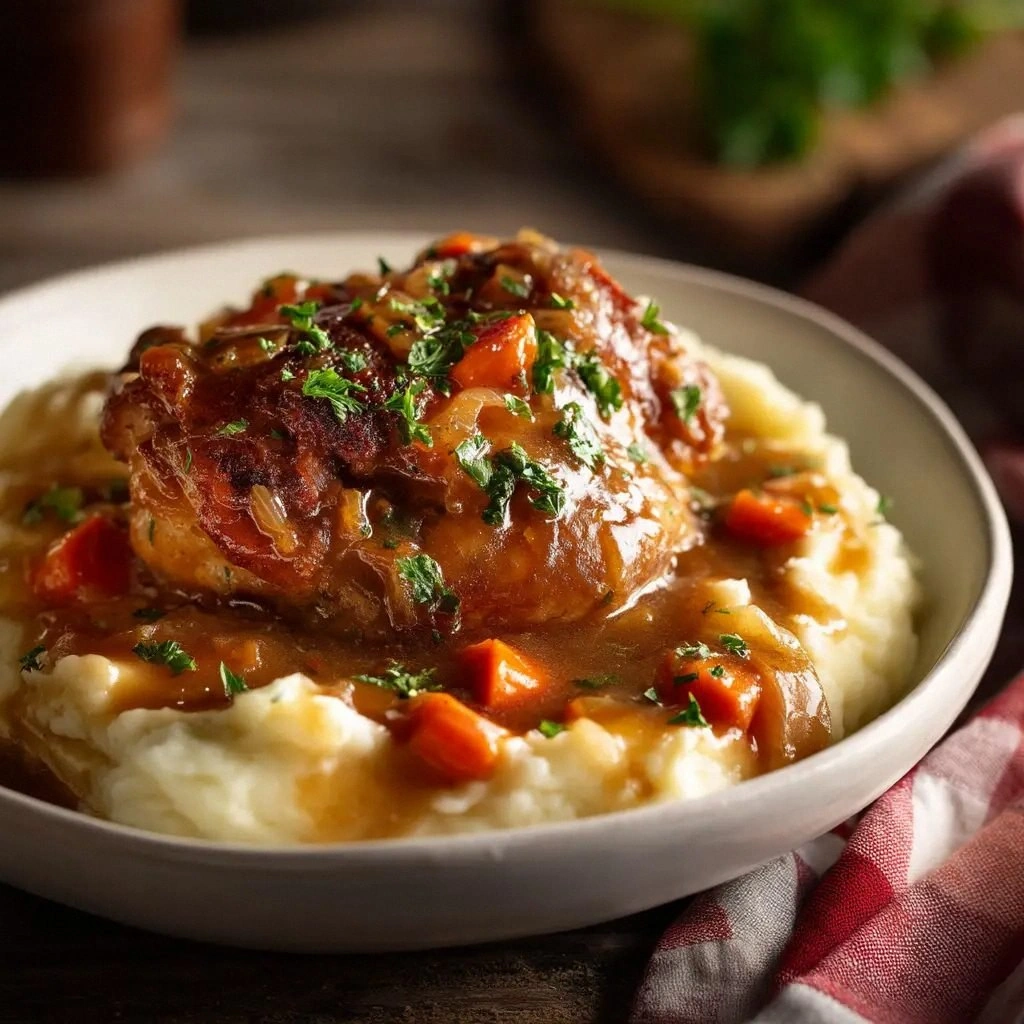
- Plate and serve. Transfer the thighs to a serving dish, spoon the sauce over them, and garnish with extra parsley if desired. Pair with creamy polenta, buttery mashed potatoes, or a simple risotto to soak up the sauce. The dish is best served hot, with a crust of toasted breadcrumbs on top for added crunch.
That’s it—you did it. But hold on, I’ve got a few more tricks that will take this to another level.
Insider Tricks for Flawless Results
The Temperature Rule Nobody Follows
Many cooks think a high heat is always better, but for chicken thighs, a moderate sear is key. A temperature of 375°F (190°C) ensures the skin crisps without burning, while still allowing the interior to stay juicy. I’ve tested lower temperatures (350°F) and found the skin doesn’t develop that golden crunch. If you’re using a cast‑iron skillet, preheat it for 5 minutes before adding oil to lock in that perfect sear.
Why Your Nose Knows Best
The aroma is a reliable indicator of doneness. When the sauce reduces to a thick, glossy consistency, the scent will be rich and slightly sweet. If you smell a faint, sour note, it’s probably still too acidic. Trust your nose; a well‑balanced dish will smell like a comforting home kitchen, not like burnt garlic.
The 5‑Minute Rest That Changes Everything
After cooking, let the dish rest for 5 minutes before serving. This short pause allows the juices to redistribute, ensuring each bite is evenly moist. I’ve seen dishes that rest for longer, but the flavors begin to dissipate. Keep it simple: cover loosely with foil and let the chicken rest for exactly 5 minutes.
Butter for the Finish
Adding butter at the end is a classic technique that gives the sauce a silky sheen. It also helps the sauce cling to the thighs, preventing it from sliding off. Use a cold, unsalted butter for a clean finish. A friend once skipped this step and the sauce felt thin; the butter made all the difference.
Fresh Herbs vs. Dried
While dried thyme works, fresh thyme offers a brighter flavor. If you use dried, double the quantity to compensate for the loss of potency. I’ve found that fresh herbs give the dish an aromatic lift that dried herbs can’t match. Store fresh thyme in a glass of water to keep it crisp until you’re ready to use it.
Creative Twists and Variations
This recipe is a playground. Here are some of my favorite ways to switch things up:
Mushroom Medley
Add sliced shiitake or cremini mushrooms to the mirepoix for an earthy undertone. The mushrooms absorb the sauce, adding depth and a meaty flavor that pairs beautifully with chicken. A mushroom variation is perfect for a fall dinner.
Spicy Red Pepper
Incorporate a diced red bell pepper and a pinch of red pepper flakes for a kick. The pepper adds sweetness and color, while the flakes give a subtle heat that complements the richness of the sauce. This version is ideal for a cozy winter evening.
Citrus Burst
Finish the sauce with a splash of orange or lemon juice. The citrus brightens the dish and cuts through the richness, creating a refreshing contrast. A squeeze of fresh lime before serving adds a zesty finish that’s surprisingly delightful.
Herb‑Infused Oil
Drizzle a tablespoon of rosemary or thyme infused olive oil over the finished dish. The infused oil adds a fragrant, aromatic layer that elevates the entire plate. This trick is perfect for a dinner party where you want to impress guests.
Cheesy Polenta Topping
Serve the chicken over a bed of creamy, Parmesan‑laden polenta. The polenta’s buttery texture pairs with the sauce, while the cheese adds a savory richness that ties everything together. This variation is a crowd‑pleaser at holiday gatherings.
Storing and Bringing It Back to Life
Fridge Storage
Cool the dish completely, then transfer to an airtight container. Store in the refrigerator for up to 3 days. The sauce will thicken slightly as it chills, so reheat gently to restore its silky texture.
Freezer Friendly
For longer storage, freeze the dish in a freezer‑safe container for up to 3 months. When ready to reheat, thaw overnight in the refrigerator. The meat remains juicy, and the sauce retains its flavor.
Best Reheating Method
Reheat the dish over low heat, adding a splash of water or broth to keep it moist. A tiny splash of water before reheating steams the chicken back to perfection, preventing it from drying out. Finish with a drizzle of olive oil or a knob of butter for that glossy finish.