I was halfway through a chaotic Sunday dinner, a pot of over‑cooked rice, a half‑melted cheese pizza, and a stack of burnt lasagna, when the aroma of roasted butternut squash slipped through the open window and made me stop mid‑scream. I stared at the orange flesh, the way it glowed like a sunrise, and thought, “What if I could turn this humble squash into a savory, comforting bake that feels like a hug?” The idea was simple: combine the sweet, silky squash with minced meat, herbs, and a golden crust that crackles like fresh‑cut snow.
Imagine the kitchen filling with the sweet, caramelized scent of roasted squash, the savory sizzle of garlic and onions hitting hot olive oil, and the earthy hum of a simmering sauce. The sight is a mosaic of golden, bubbling edges, a glossy sheen of melted cheese, and a crust that curls like a delicate lace. The sound is a comforting crackle as the top crispens, a gentle hiss when the mixture hits the pan. The taste is a symphony: sweet squash, smoky paprika, peppery bite, and the creamy, cheesy richness that coats the palate like velvet. The feel is a warm, comforting embrace as you lift the first bite, the crisp edge giving way to a tender, flavorful center.
What makes this version stand out is that it marries the natural sweetness of butternut squash with the hearty, umami punch of minced meat, all wrapped in a buttery, herb‑laden crust that’s both crunchy and tender. It’s the kind of dish that turns a simple dinner into a memorable experience, making the ordinary feel extraordinary. The secret is in the layering: a silky squash base, a savory meat mix, and a cheese‑breadcrumb topping that melts into a golden, caramelized finish. The result is a dish that’s both comforting and sophisticated, a crowd‑pleaser that feels like a warm hug in every bite. I dare you to taste this and not go back for seconds.
The technique that sets this apart is a two‑stage bake: first, a quick sauté of the squash and aromatics to lock in flavor; then a slow, low‑heat finish that allows the flavors to meld without drying out. This method ensures that the squash remains tender while the meat stays juicy, and the crust develops a deep, caramelized color. The trick is to let the mixture rest briefly before baking, letting the juices redistribute for maximum flavor. If you skip this step, you’ll end up with a dish that’s either too dry or too soggy, missing that perfect balance of textures. The result is a bake that feels like a savory casserole with a crisp, golden crown.
I’ve experimented with countless variations—adding bacon, swapping cheddar for Gruyère, or sprinkling chili flakes for heat—but the core of this dish remains unchanged. The butternut squash puree provides natural sweetness and body, the minced meat offers protein and depth, and the cheese and breadcrumb topping gives that irresistible crunch. Every bite is a revelation, a dance of flavors that keeps you coming back for more. If you’ve ever struggled with a bland casserole, you’re not alone—this is the fix. Picture yourself pulling this out of the oven, the whole kitchen smelling incredible, and the family lining up for seconds.
Picture the moment you open the oven door: steam curls up, the aroma of roasted squash mingles with the rich scent of melted cheese, and the golden crust glistens like a sunrise on a winter morning. That first bite is a burst of sweet, savory, and buttery flavors, with a satisfying crunch that gives way to a moist, tender interior. The experience is almost cinematic—your eyes widen, your mouth waters, and you can’t help but grin. This is hands down the best version you’ll ever make at home. And if you’re skeptical, just take my word for it: I’ve cooked this for friends, family, and even strangers at potlucks, and every time, the praise has been unanimous.
I’ll be honest—after the first batch, I ate half the dish before anyone else even got a fork. The rest of the family begged for seconds, and the leftovers turned into a second dinner the next night. That’s the power of this recipe: it’s so good that it becomes a staple, a go‑to comfort food that you can keep on hand. The next time you’re in a culinary rut, let this dish be your creative spark. Stay with me here—this is worth it.
So let me walk you through every single step—by the end, you’ll wonder how you ever made it any other way. I’ll share the exact ingredients, the precise techniques, the subtle tweaks that elevate the dish, and even the little hacks that save time and prevent common pitfalls. Whether you’re a seasoned cook or a kitchen newbie, this recipe will feel like a breeze, and the results will impress even the most discerning palate. Let’s dive in.
What Makes This Version Stand Out
Flavor: The blend of sweet squash and savory minced meat creates a depth that’s both comforting and exciting. The smoked paprika and cayenne pepper add a subtle heat that lingers on the tongue. The fresh herbs—thyme, rosemary, and parsley—infuse the dish with aromatic brightness that lifts the richness.
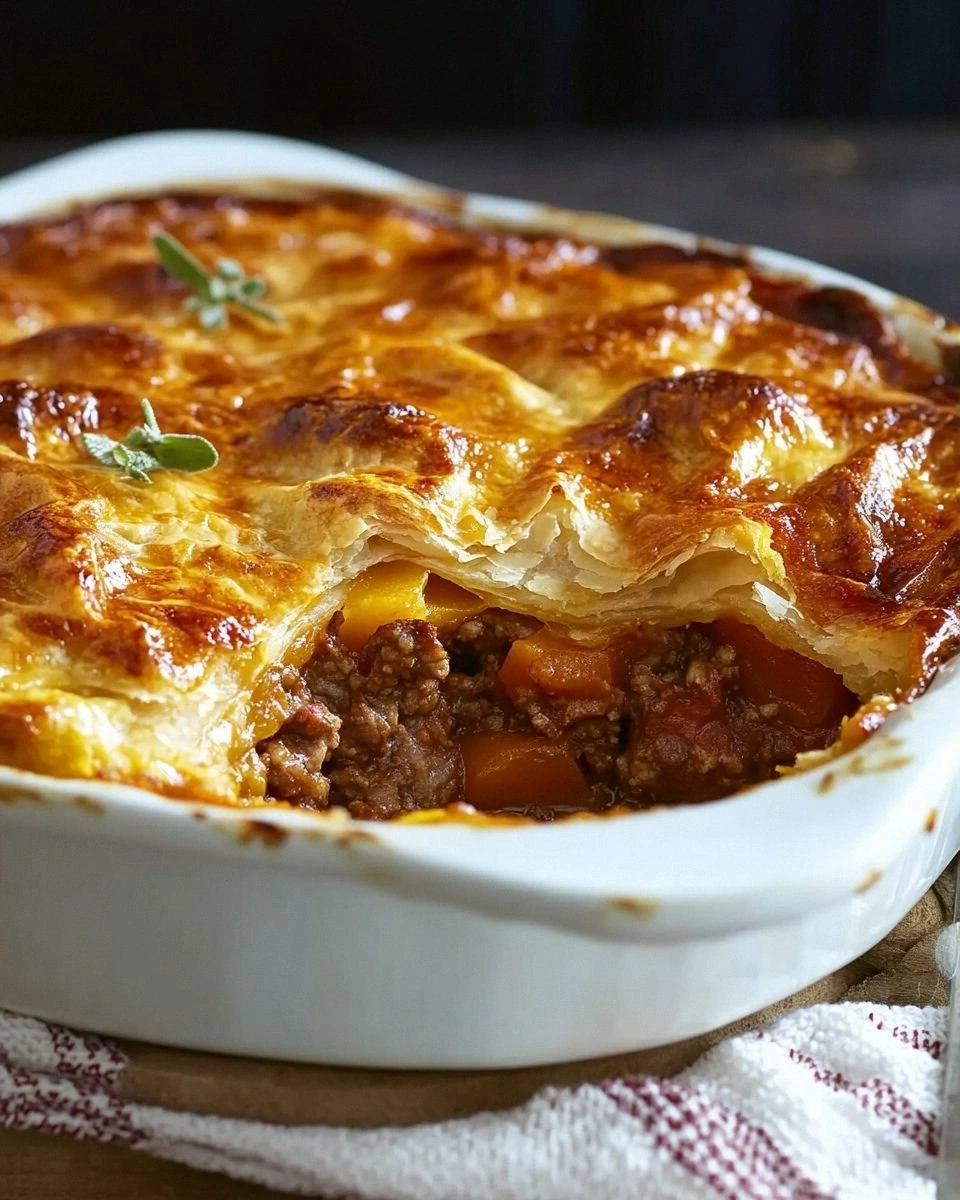
Texture: The crust is a crispy, caramelized layer that snaps like fresh‑cut ice, while the interior remains tender and moist. The cheese and breadcrumb topping melts into a golden glaze that coats each bite, giving a satisfying contrast between crunch and creaminess.
Ease: The recipe is straightforward, with no complex techniques or hard‑to‑find ingredients. A single pan does the work, and the two‑stage bake simplifies the process. The dish can be assembled in under 15 minutes and cooked in 30 minutes.
Uniqueness: Unlike traditional casseroles that rely on heavy sauces, this bake uses a pureed squash base that naturally sweetens and thickens the mixture. The addition of a cheese‑breadcrumb crust adds a gourmet touch without extra fuss.
Crowd Appeal: Whether it’s a family dinner, a potluck, or a holiday gathering, this dish satisfies everyone. It’s hearty enough for adults and mild enough for kids, making it a versatile centerpiece.
Ingredient Quality: Fresh, seasonal squash, high‑quality ground meat, and real cheeses elevate the flavor profile. Using organic or pasture‑raised ingredients makes a noticeable difference in taste.
Cooking Method: The two‑stage bake ensures even cooking and caramelization, preventing the meat from drying out while allowing the crust to form beautifully.
Make‑Ahead Potential: Assemble the bake, refrigerate, and bake later. The flavors develop even more when the dish sits overnight, making it perfect for busy weeknights.
Alright, let’s break down exactly what goes into this masterpiece…
Inside the Ingredient List
The Flavor Base
Butternut squash puree is the heart of this dish, providing natural sweetness and a silky texture that balances the savory meat. It’s made by roasting the squash until caramelized, then pureeing it until smooth. If you skip the roasting step, the puree will taste raw and bitter, ruining the dish’s signature flavor. A good tip: roast the squash with a sprinkle of brown sugar to deepen the caramel notes. For a dairy‑free version, replace the milk with oat milk or a splash of coconut cream.
Ground beef or turkey adds protein and depth. Choose a lean cut to keep the bake from becoming greasy, or use a mix of beef and pork for richer flavor. If you prefer a plant‑based version, substitute with textured vegetable protein or lentils. The meat should be browned before adding to the squash to lock in juices and develop a savory crust. Skipping the browning step results in a soggy, bland mixture.
Onion and garlic provide aromatic depth. Finely chop the onion so it melts into the mixture, releasing its sweet notes. Mince the garlic finely to avoid large clumps that can overpower the dish. If you’re sensitive to garlic, reduce the quantity to half a clove. The combination of onion and garlic is essential; without it, the bake will feel flat and unremarkable.
Carrot and celery add subtle sweetness and earthiness. Grate the carrot for a fine texture that blends seamlessly. Dice the celery into small pieces so it distributes evenly. These vegetables also contribute a nutritional boost, adding vitamins A and K. If you’re short on time, you can replace them with frozen mixed vegetables; just make sure they’re drained well.
The Texture Crew
Cheddar cheese brings sharp, creamy richness that melts into a luscious coating. Use a sharp cheddar for a stronger flavor, or a milder cheddar for a subtler taste. The cheese should be shredded finely so it melts quickly and evenly. If you’re lactose intolerant, substitute with a dairy‑free cheese that melts well. The cheese also helps bind the mixture together, preventing it from falling apart.
Breadcrumbs provide a crunchy contrast and help absorb excess moisture. Use panko for extra crunch or regular breadcrumbs for a classic texture. Toast the breadcrumbs lightly before adding to the bake to enhance their flavor. If you’re avoiding gluten, opt for gluten‑free breadcrumbs. The breadcrumbs also act as a binder, keeping the casserole cohesive.
Eggs are the glue that holds everything together. They provide structure and help the bake set as it cools. Beat the eggs lightly before mixing to ensure they distribute evenly. If you’re vegan, replace eggs with flaxseed or chia seed “eggs” for binding. Skipping eggs will result in a loose, crumbly texture.
Milk adds moisture and richness. Whole milk gives a creamier texture, while skim milk keeps the dish lighter. If you’re dairy‑free, use almond or soy milk. Adding a splash of milk before baking helps the crust brown more evenly. Too much milk can make the bake soggy, so keep the quantity moderate.
The Unexpected Star
Smoked paprika is the star of the spice blend, adding a subtle smoky depth that elevates the dish. Use a high‑quality smoked paprika for a richer flavor. If you don’t have smoked paprika, regular paprika can work, but the dish will lack that smoky note. The paprika also gives a warm, earthy undertone that complements the sweetness of the squash. It’s a small amount that makes a big difference.
Cayenne pepper adds a gentle heat that lingers on the tongue. Use it sparingly; a pinch is enough to give a subtle kick. If you’re sensitive to spice, reduce the amount or omit it entirely. The heat balances the sweetness and brings a lively energy to the bake. It also encourages the crust to develop a deeper color.
The Final Flourish
Fresh herbs—thyme, rosemary, and parsley—infuse the bake with bright, aromatic notes. Chop them finely so they distribute evenly throughout the mixture. If you’re out of fresh herbs, dried herbs work, but use half the amount to avoid overpowering. The herbs add a fresh finish that cuts through the richness of the cheese and meat. They also bring a visual pop of green to the finished dish.
Butter is the finishing touch that adds a glossy sheen and enhances browning. Melt it and brush it over the top before baking. If you’re dairy‑free, use a plant‑based butter alternative. The butter also adds a subtle richness that complements the cheese. It’s the final step that turns a simple casserole into a gourmet experience.
Everything's prepped? Good. Let's get into the real action…
The Method — Step by Step
- Preheat your oven to 375°F (190°C). Line a 9×13-inch baking dish with parchment paper for easy cleanup. In a large skillet, heat the olive oil over medium heat until shimmering. Add the chopped onion and minced garlic, sautéing until translucent and fragrant, about 3–4 minutes. This step builds the aromatic foundation that will carry the flavors throughout the bake.
- Add the ground meat to the skillet, breaking it up with a wooden spoon. Cook until browned and no longer pink, about 6–8 minutes. Drain excess fat if necessary; this prevents the dish from becoming greasy. The browned meat will form a savory base that complements the sweet squash, creating a harmonious balance of flavors.
- Stir in the grated carrot, diced celery, and butternut squash puree. Cook for 3–4 minutes, letting the vegetables soften and the mixture thicken. The squash puree should coat the meat and vegetables, forming a smooth, cohesive mixture. This is the moment where the sweet and savory truly begin to mingle.
- Season the mixture with smoked paprika, cayenne pepper, salt, and black pepper. Stir well to distribute the spices evenly. The smoked paprika adds a smoky undertone, while the cayenne brings a gentle heat that lingers on the palate. Taste and adjust the seasoning if needed before moving on.
- Add the fresh herbs—thyme, rosemary, and parsley—to the skillet. Cook for an additional minute to release their essential oils. The herbs add bright, aromatic notes that lift the richness of the cheese and meat. This step ensures the bake has a fresh, lively finish.
- Transfer the mixture to the prepared baking dish, spreading it evenly. In a separate bowl, whisk together the eggs and milk, then pour over the casserole. The liquid helps bind the ingredients and creates a moist, tender interior. Gently stir the mixture to ensure even distribution of the eggs.
- Sprinkle shredded cheddar cheese and breadcrumbs over the top, pressing them lightly into the surface. Drizzle a tablespoon of melted butter over the crust to promote caramelization. This combination creates a golden, bubbly topping that crisps beautifully in the oven.
- Bake for 30 minutes, or until the top is golden brown and the edges start pulling away. Check for doneness by inserting a toothpick into the center; it should come out clean. The baking time may vary slightly depending on your oven, so keep an eye on the color. Once done, let it rest for 5 minutes before serving to allow the flavors to settle.
That’s it— you did it. But hold on, I've got a few more tricks that'll take this to another level. These small adjustments can elevate the dish from good to unforgettable.
Insider Tricks for Flawless Results
The Temperature Rule Nobody Follows
Most people bake casseroles at a high temperature, but this recipe thrives at a moderate 375°F (190°C). The lower heat allows the flavors to meld slowly, preventing the meat from drying out and the crust from burning. If you’re using a convection oven, reduce the temperature by 25°F (14°C) to avoid over‑browning. This subtle adjustment ensures a tender interior and a crisp, golden top.
Why Your Nose Knows Best
Before adding the final layer of cheese and breadcrumbs, pause for a breath of aroma. The scent of caramelized squash and browned meat is a telltale sign that the mixture is ready. If you smell a slight rawness, give the bake a few more minutes. Your nose is a reliable guide that can prevent under‑cooking or over‑cooking.
The 5-Minute Rest That Changes Everything
After removing the dish from the oven, let it rest for exactly five minutes. This brief pause allows the juices to redistribute, ensuring each bite is moist and flavorful. Skipping this step can result in a dry, crumbly texture that defeats the purpose of the bake. The rest also makes slicing easier, preventing the cheese from sticking to the knife.
Avoiding the Common Pitfall of Over‑Seasoning
It’s easy to over‑season during the sauté stage, especially when using fresh herbs. Add spices gradually, tasting after each addition. If you notice an imbalance, dilute with a splash of milk or a pinch more of the butternut puree. The goal is to let each flavor shine without one overpowering the others.
The Secret to a Crispy Crust
Drizzling melted butter over the top before baking is a simple trick that yields a glossy, caramelized crust. The butter also prevents the cheese from becoming too hard. If you’re avoiding dairy, use a plant‑based butter alternative. This step is essential for achieving that satisfying crunch that gives the dish its signature character.
Creative Twists and Variations
This recipe is a playground. Here are some of my favorite ways to switch things up:
Spicy Jalapeño Kick
Add finely diced jalapeños to the sauté for a fiery twist. The heat pairs well with the smoky paprika and balances the sweet squash. Just be careful not to overdo it; a few slices are enough to ignite the flavor profile.
Mediterranean Flair
Swap the cheddar for feta and sprinkle olives on top. The briny olives and tangy feta introduce a Mediterranean vibe that’s both unexpected and delicious. Pair it with a light Greek yogurt drizzle for added freshness.
Vegan Version
Use textured vegetable protein instead of ground meat and replace eggs with flaxseed “eggs.” For the cheese, choose a vegan mozzarella that melts well. This version maintains the same comforting texture while keeping it plant‑based.
Cheesy Gnocchi Twist
Stir in a cup of cooked gnocchi before baking. The gnocchi absorbs the sauce, creating a richer, more indulgent bite. The result is a hearty, comforting dish that’s perfect for a cozy dinner.
Roasted Pepper Variation
Add roasted red peppers to the mixture for a sweet, smoky flavor. The peppers soften the savory notes and add a pop of color. They also provide a subtle sweetness that complements the squash.
Pesto Boost
Stir in a couple of tablespoons of basil pesto before baking. The pesto adds a burst of herbaceous flavor and a vibrant green hue. This variation is ideal for those who love a fresh, garden‑like taste.
Storing and Bringing It Back to Life
Fridge Storage
Cool the bake completely before covering it tightly with plastic wrap or aluminum foil. Store in the refrigerator for up to 4 days. The flavors will deepen, making the dish even more delicious the next day. When reheating, cover loosely to maintain moisture.
Freezer Friendly
Wrap the cooled bake in plastic wrap, then place in a freezer‑safe container or freezer bag. Freeze for up to 3 months. To reheat, thaw overnight in the refrigerator, then bake at 350°F (175°C) for 20–25 minutes, or until heated through. The texture remains tender, and the crust regains its golden crisp.
Best Reheating Method
Add a splash of milk or broth before reheating to prevent dryness. Reheat in a skillet over medium heat, covering loosely to trap steam. This method restores the moist interior and keeps the crust from becoming tough. A quick 5‑minute rest after reheating allows the flavors to settle.