I still remember the night I was trying to rescue my dinner from the brink of disaster. A half‑baked pita, a splash of pesto that had gone stale, and a handful of prosciutto that had turned into a rubbery snack. The kitchen smelled like burnt garlic and disappointment, and my friends were already asking, “What’s for dinner?” That moment turned into a dare: “I bet I can turn this mess into a gourmet masterpiece.” The challenge was set, and I was ready to prove that even a kitchen mishap can be the spark for a culinary triumph.
Picture the scene: a sizzling skillet, the aroma of fresh basil and oregano dancing in the air, and the sight of a golden, crisp pita turning into a pizza canvas. The sound of the butter popping is a cue that the magic is happening—an audible promise that the flavors are about to mingle. When the first slice of prosciutto lands, it crackles, releasing a salty perfume that mingles with the green, peppery notes of arugula. The texture shifts from soft to crunchy, and the whole kitchen is filled with the anticipation of that first bite.
What makes this version stand out from every other pizza recipe is the deliberate layering of textures and the bold, fresh flavors that play off one another. The whole wheat pita gives a hearty, nutty base that supports the richness of the burrata without drowning it. Pesto isn’t just a sauce; it’s a green, velvety coating that hugs every inch of the pita, while the prosciutto adds a savory, slightly smoky crunch that contrasts beautifully with the creamy cheese. The final flourish of arugula, asparagus, and a squeeze of lemon provides a bright, acidic counterpoint that lifts the dish, making it feel both indulgent and fresh.
I dare you to taste this and not go back for seconds. That’s the kind of confidence I bring to every recipe—because when you taste a pizza that balances buttery, tangy, and peppery notes, you’ll realize this is hands down the best version you’ll ever make at home. Picture yourself pulling this out of the oven, the whole kitchen smelling incredible, and the first bite delivering a burst of flavors that make you wonder how you ever lived without it. Let me walk you through every single step—by the end, you’ll wonder how you ever made it any other way.
What Makes This Version Stand Out
- Texture: The pita’s crisp edges shatter like thin ice, giving way to a tender interior that cradles the creamy burrata. The prosciutto’s slight chew adds a satisfying bite that contrasts with the softness of the cheese.
- Flavor Layering: Pesto coats the pita like velvet, while the prosciutto provides a salty, smoky counterpoint. The fresh arugula and asparagus introduce peppery brightness that cuts through the richness.
- Freshness: A squeeze of lemon and a drizzle of balsamic glaze inject acidity and sweetness, keeping the dish from feeling heavy.
- Ingredient Quality: Using Filippo Berio pesto ensures authentic Italian flavor, and the whole wheat pita adds a nutty undertone that complements the creamy burrata.
- Visual Appeal: The vibrant green of the pesto, the deep red of the prosciutto, and the bright white of the burrata create a feast for the eyes.
- Make‑Ahead Potential: Assemble the pita and prosciutto in advance; the pizza can be baked just before serving, making it perfect for parties.
- Versatility: This base works for brunch, dinner, or a crowd‑pleasing snack—just tweak the toppings to match the occasion.
Alright, let's break down exactly what goes into this masterpiece...
Inside the Ingredient List
The Flavor Base
Filippo Berio pesto is the heart of this pizza. Its basil, garlic, pine nuts, and Parmesan create a complex, herbaceous sauce that coats the pita like a silky blanket. The oil in the pesto keeps the pita moist without making it soggy. If you skip the pesto, you lose that aromatic foundation that ties all other flavors together. A good pesto should be thick enough to cling to the pita but not so thick that it clumps.
Whole wheat pita pockets bring a subtle nuttiness and a chewy texture that contrasts with the creamy burrata. They’re sturdy enough to hold the toppings without tearing, yet still tender enough to bite into. Choosing a high‑quality pita with a slightly toasted crust adds a pleasant crunch. If you can’t find whole wheat, a regular pita will work, but you’ll miss that extra depth of flavor. Remember to let the pitas sit at room temperature before baking—they’ll rise slightly, creating a light, airy interior.
Prosciutto adds a savory, slightly salty crunch that balances the richness of the burrata. Thinly sliced, it melts just enough to release its flavor but still retains a satisfying bite. The prosciutto’s smoky undertones echo the basil in the pesto, creating a harmonious taste profile. If you prefer a milder flavor, you can replace prosciutto with thinly sliced turkey or even a light smoked salmon for a different twist. The key is to keep the slices thin so they distribute evenly.
Fresh basil is a subtle yet essential touch. It adds a burst of green, peppery aroma that lifts the entire dish. Basil leaves can be torn into smaller pieces to release their essential oils. If you’re out of basil, a small handful of fresh oregano can substitute, but the flavor profile will shift slightly. Always taste the pesto before adding basil to ensure the balance isn’t tipped toward too much herbaceousness.
Balsamic glaze provides a sweet, tangy finish that cuts through the richness. Drizzle it over the finished pizza for a glossy, caramelized sheen. If you’re avoiding glaze, a splash of aged balsamic vinegar will do the trick, though it won’t offer the same glossy texture. The glaze adds a visual pop and a flavor punch that makes each bite feel luxurious.
The Texture Crew
Arugula brings a peppery bite that brightens the dish. Its leaves are slightly bitter, which balances the buttery burrata. Toss the arugula lightly with a squeeze of lemon to prevent wilting. If you’re looking for a milder pepper note, baby spinach can be used, but it won’t provide the same crunch.
Asparagus stalks add a crisp, vegetal crunch. Blanch them briefly before adding them to the pizza to keep their bright green color and to soften them just enough to prevent them from burning. The slight sweetness of asparagus complements the savory prosciutto and the tang of lemon. If asparagus is out of season, zucchini ribbons or roasted bell pepper strips can substitute while maintaining a similar texture.
Butter is the secret to achieving that golden, crispy crust. It melts into the pita’s surface, creating a delicate, flaky layer that holds the toppings together. Use unsalted butter to control the salt level, and consider adding a pinch of freshly ground pepper to enhance the flavor. If you prefer a dairy‑free option, a small amount of olive oil can replace the butter, but you’ll lose some of the buttery aroma.
Olive oil, though used sparingly, enhances the overall mouthfeel. A half tablespoon of extra‑virgin olive oil brushed over the pita before baking adds a subtle fruity note that complements the pesto. It also helps the pesto spread evenly without making the pita soggy. If you’re sensitive to oil, you can reduce the amount to a teaspoon, but be prepared for a slightly drier crust.
The burrata cheese is the star of the show. Its creamy, mozzarella-like interior contrasts beautifully with the crispy pita and the savory prosciutto. The cheese should be at room temperature before placing it on the pizza to allow it to melt evenly. If you’re craving a sharper flavor, you can sprinkle a little grated Parmesan on top of the burrata before baking.
The Unexpected Star
The half lemon is more than just a garnish; it’s a flavor enhancer. The acidity cuts through the richness of the burrata and balances the saltiness of the prosciutto. Squeeze the lemon over the finished pizza just before serving for a bright, citrusy finish. If you’re allergic to citrus, a splash of vinegar or a squeeze of lime can provide a similar acidic lift.
Fresh ground pepper adds a subtle heat that wakes up the palate. A light dusting of pepper after baking ensures the flavor doesn’t evaporate during cooking. Pepper pairs wonderfully with basil and pesto, creating a cohesive herbaceous profile. If you prefer a smoky flavor, a pinch of smoked paprika can substitute, but it will change the overall taste.
The Final Flourish
The balsamic glaze’s glossy sheen not only looks elegant but also adds a caramelized sweetness that lingers on the tongue. Drizzle it in a thin line across the pizza before serving to create a striking visual contrast. The glaze’s thickness also helps to lock in moisture, keeping the pizza from drying out. If you’re looking for a lower‑sugar option, a drizzle of aged balsamic vinegar can be used, though it won’t offer the same glossy finish.
The final touch of fresh basil, torn into small pieces, releases essential oils that perfume the pizza. The basil’s sweet, peppery aroma lifts the dish into the realm of gourmet. Sprinkle it over the pizza immediately after baking so the leaves wilt slightly but still retain their bright color. If basil is unavailable, a pinch of dried oregano can be used, but the aroma will be less vibrant.
Everything’s prepped? Good. Let’s get into the real action...
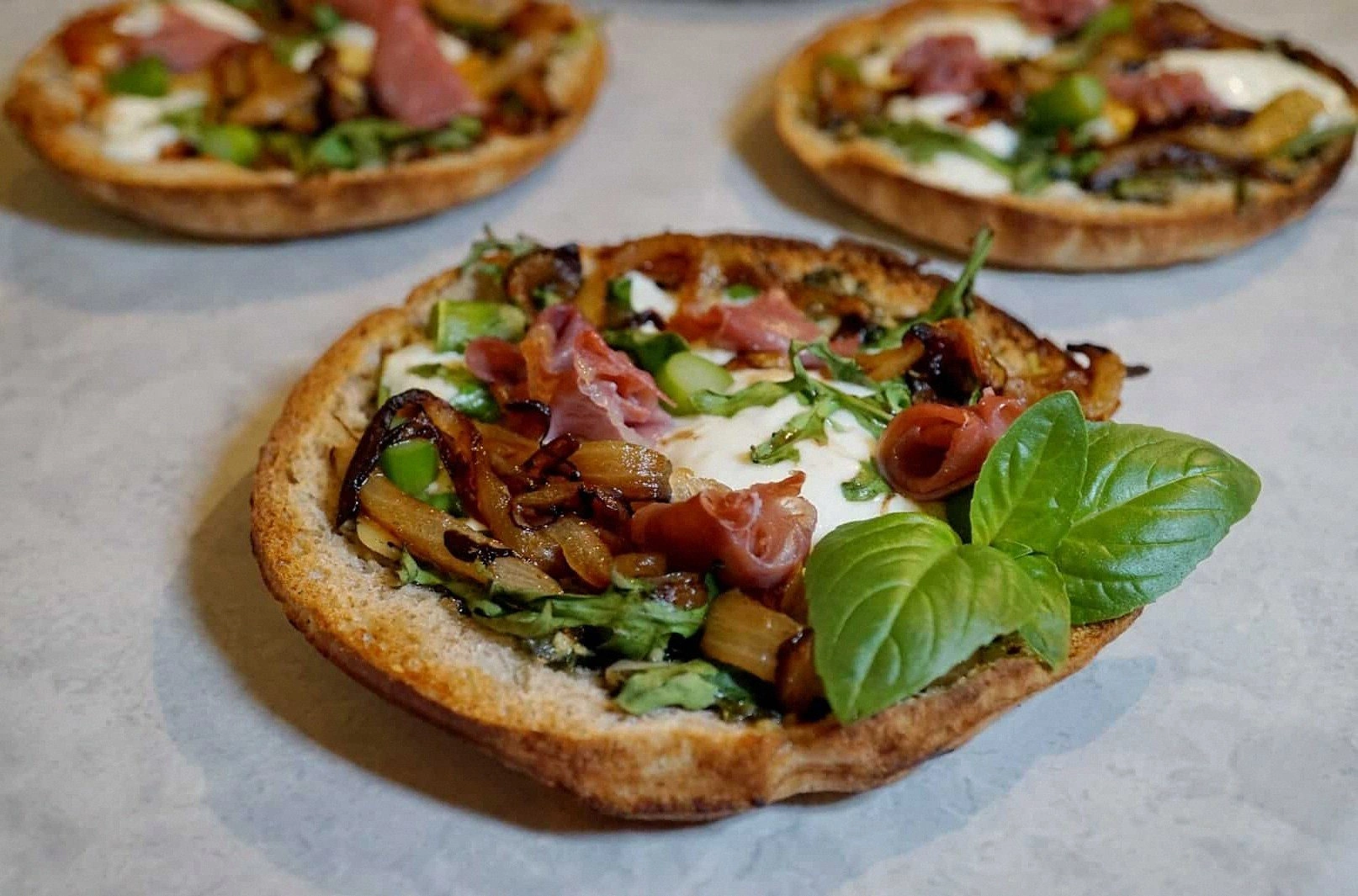
The Method — Step by Step
- Preheat the skillet: Heat a cast‑iron skillet over medium heat for 5 minutes. Add the butter and let it melt until it starts to bubble. The sizzling sound is your cue that the skillet is ready. If the butter burns, start over with a fresh pan. This step ensures a golden, flaky crust.
- Prepare the pita: While the skillet warms, lay each whole wheat pita flat on a clean surface. Brush the top with a light coat of olive oil. This coating prevents the pesto from soaking into the pita and keeps the crust crisp. Arrange the pitas in a single layer on a baking sheet.
- Spread the pesto: Using a spoon, spread a generous layer of pesto over each pita. The pesto should cover the surface evenly, leaving a small border for the crust. The basil’s aroma will fill the kitchen, and you’ll know you’re on the right track.
- Layer the prosciutto: Place the thinly sliced prosciutto over the pesto. Arrange the slices in a circular pattern so they overlap slightly, creating a marbled effect. The prosciutto’s saltiness will contrast beautifully with the creamy burrata.
- Add the burrata: Cut the burrata into bite‑size pieces and distribute them over the prosciutto. The cheese should be at room temperature for even melting. This step is the highlight—watch as the cheese begins to ooze and mingle with the pesto.
- Cook the pizza: Place the skillet over medium heat and slide the pizza into the pan. Cook for 4–5 minutes until the edges start to brown and the burrata is just beginning to melt. Flip the pizza carefully and cook the other side for another 4 minutes. The crust should be golden and the cheese should be bubbly.
- Add fresh toppings: Remove the pizza from heat and immediately scatter the blanched asparagus, arugula, and a squeeze of lemon over the top. The heat from the pizza will wilt the arugula slightly, preserving its peppery bite. The lemon’s acidity will brighten the dish.
- Finish with glaze and basil: Drizzle a thin line of balsamic glaze across the pizza and sprinkle fresh basil leaves. The glaze will caramelize slightly, adding a sweet, tangy finish. The basil’s aroma will lift the dish into a gourmet realm.
- Serve immediately: Slice the pizza into wedges and serve hot. The cheese should be oozy, the crust crisp, and the flavors balanced. Let your guests marvel at the beautiful contrast of textures and tastes.
That's it—you did it. But hold on, I've got a few more tricks that'll take this to another level...
Insider Tricks for Flawless Results
The Temperature Rule Nobody Follows
Most people bake pizza on a low heat, but a high, steady temperature is essential for that blistered crust. Preheat the skillet to a medium‑high setting before adding the pizza. The quick sear locks in moisture and creates a caramelized exterior. If you’re using a gas stove, let the flame be medium‑high for the first 2 minutes before reducing to medium.
Why Your Nose Knows Best
The aroma of butter and basil is your best indicator that the crust is done. When the scent hits your nose, the crust is golden and ready. A good rule of thumb is to lift the pizza slightly; if the underside is a deep amber and the top has a slight sheen, you’re ready to flip. Trust your nose—your taste buds will thank you.
The 5-Minute Rest That Changes Everything
Let the pizza rest for 5 minutes after baking. This short pause allows the cheese to set slightly, preventing it from sliding off when you cut. It also gives the flavors time to meld. During this rest, the pesto will thicken just enough to coat the crust without becoming watery.
The Prosciutto Timing Trick
Lay the prosciutto on the pizza just before you add the burrata. If you add it too early, it will dry out and lose its delicate texture. The brief exposure to heat will keep it slightly crisp while allowing the flavors to mingle.
The Lemon Finish
Squeeze fresh lemon over the pizza right before serving. The acidity not only brightens the dish but also helps cut through the richness of the burrata. A small pinch of lemon zest can add an extra layer of citrusy aroma.
The Final Touch of Basil
Tear fresh basil leaves just before serving. This releases essential oils, giving the pizza a fragrant finish. The basil’s peppery note balances the buttery crust and the sweet balsamic glaze, completing the flavor profile.
Creative Twists and Variations
This recipe is a playground. Here are some of my favorite ways to switch things up:
Mediterranean Twist
Swap the prosciutto for sliced sun‑dried tomatoes and add kalamata olives. The briny olives bring a savory depth, while the tomatoes add a sweet tang. This version is perfect for a summer lunch.
Vegan Version
Use a plant‑based pesto and replace the burrata with a vegan cream cheese blend. The basil and lemon still shine through, making it a flavorful, cruelty‑free option.
Spicy Kick
Add a handful of crushed red pepper flakes to the pesto before spreading it on the pita. The heat pairs well with the buttery crust and the mild burrata, creating a bold flavor profile.
Roasted Garlic Variation
Roast a head of garlic until caramelized and mash it into the pesto. The sweet, mellow garlic flavor enhances the overall richness and adds a comforting depth.
Breakfast Edition
Top the pizza with a fried egg before adding the burrata. The runny yolk acts as a sauce, while the egg adds protein. This is a hearty breakfast that feels like a brunch treat.
Cheese Lover’s Dream
Add a sprinkle of shredded mozzarella and a dash of grated Parmesan over the burrata. The extra cheeses melt into a gooey, cheesy layer that elevates the pizza to cheese heaven.
Storing and Bringing It Back to Life
Fridge Storage
Store leftover pizza in an airtight container in the refrigerator for up to 3 days. The crust may soften slightly, but the flavors remain intact. When you’re ready to eat, reheat in a skillet to crisp the edges.
Freezer Friendly
Wrap the pizza tightly in foil and place in a freezer bag. It can be frozen for up to 2 weeks. Thaw overnight in the refrigerator before reheating. This method preserves the texture and prevents freezer burn.
Best Reheating Method
Reheat the pizza in a preheated skillet over medium heat for 4 minutes on each side. Add a splash of water to the pan, cover, and let it steam for 30 seconds. This technique restores moisture to the cheese and keeps the crust crisp.