Picture this: the kitchen is a battlefield, pots clanging, the timer on the stove ticking like a metronome, and you, determined, standing in front of a can of tuna that feels more like a culinary mystery than a pantry staple. I had just survived a last‑minute dinner party disaster—my lasagna turned out soggy, the side salad was a sad gray, and the guests were already drifting toward the fridge for something else. That night, I swore I’d never let that happen again. So I dove into my pantry, pulled out the humble tuna, and started building a dish that would rescue any dinner in seconds. The result? A tuna casserole that feels like a warm hug and a culinary celebration all at once.
I stared at the pot of pasta, the creamy mushroom soup, the handful of shredded cheddar, and the breadcrumbs that would crown the top. The scent of toasted butter already began to dance through the kitchen, promising a golden crust that would crack like a shell of joy. I could almost hear the sizzle as the butter kissed the breadcrumbs, the aroma of garlic powder and onion powder rising like a fragrant fog. The texture of the casserole would be a harmonious contrast: silky, cheesy interior, crisp, caramelized topping, and that subtle bite from the peas. My friends said they’d never tasted tuna casserole before, and I was about to prove them wrong.
What makes this version stand out is not just the ingredients, but the way they’re orchestrated. I’ve added a splash of milk to loosen the sauce, a pinch of garlic powder to give it a smoky depth, and a generous handful of breadcrumbs to create a crunchy crown that sings with every bite. The secret is the balance of heat and moisture—too much liquid and you get a soggy mess; too little and the casserole turns into a dry, overcooked casserole. I also use fresh, high‑quality canned tuna in water, which keeps the flavor bright and the texture firm. The result? A dish that’s hands down the best version you’ll ever make at home.
And the kicker? I discovered that a thin layer of melted butter mixed with the breadcrumbs before baking gives a golden, almost caramelized top that’s impossible to resist. The first bite melts your taste buds in a rush of savory, cheesy, and slightly sweet flavors, followed by that satisfying crunch that shatters like thin ice. My friends are still talking about it, and I dare you to taste this and not go back for seconds. Picture yourself pulling this out of the oven, the whole kitchen smelling incredible, and knowing you’ve just served a masterpiece.
What Makes This Version Stand Out
- Taste: The creamy mushroom soup forms a velvety base that carries the subtle umami of tuna, while the cheddar adds a sharp, buttery finish that lingers on the palate. The garlic and onion powders bring a depth that transforms a simple casserole into a savory symphony. The final crunch of breadcrumbs offers a satisfying contrast that keeps each bite exciting.
- Texture: The pasta remains al dente, providing a firm bite that balances the silky sauce. The cheese melts into a gooey layer that clings to each noodle, while the breadcrumbs form a golden, crisp crown that cracks like thin ice. The peas add a pop of freshness that breaks the monotony and keeps the dish lively.
- Simplicity: With only twelve ingredients, the recipe is a masterclass in minimalism. No elaborate sauces or exotic spices are required; the flavors shine through the quality of the basics. The step‑by‑step instructions keep the process straightforward, making it approachable for both novices and seasoned cooks.
- Crowd Reaction: Friends and family alike rave about the comforting warmth and the unexpected crunch. The casserole becomes a conversation starter, as people ask for the secret to its irresistible texture. The dish is a reliable crowd‑pleaser that works for family dinners, potlucks, or a quick weeknight fix.
- Ingredient Quality: Choosing high‑quality canned tuna in water ensures a clean, bright flavor that doesn’t overpower the other components. Using a real cream of mushroom soup rather than a boxed version adds depth and authenticity. The cheddar’s sharpness elevates the overall taste profile.
- Cooking Method: The combination of simmering and baking allows the flavors to meld while creating a caramelized top. The butter‑breadcrumb mixture caramelizes on the surface, giving a satisfying crunch that enhances the dish’s appeal. The method is efficient, requiring minimal hands‑on time.
- Make‑Ahead Potential: Assemble the casserole a day ahead and refrigerate. When ready to serve, bake directly from the fridge; the dish will rise to the same deliciousness as freshly made. This makes it a perfect option for busy schedules and last‑minute gatherings.
Alright, let's break down exactly what goes into this masterpiece...
Inside the Ingredient List
The Flavor Base
The cream of mushroom soup is the heart of this casserole, providing a rich, earthy backdrop that anchors the tuna’s mildness. It thickens the sauce, ensuring every noodle is coated in silky goodness. If you skip it, you’ll end up with a watery mess that fails to bind the components together.
The milk acts as a liquid extender, loosening the soup’s viscosity and allowing it to coat the pasta evenly. Adding too much milk, however, can dilute the flavor, so the recipe calls for a modest cup. A good alternative is to use low‑fat milk or a splash of cream for a richer mouthfeel.
The Texture Crew
Elbow macaroni is the classic choice for casseroles because its shape holds sauce well and offers a satisfying bite. If you’re feeling adventurous, try small shells or penne for a different visual appeal. Overcooking the pasta before mixing will make it mushy, so aim for al dente.
The shredded cheddar cheese melts into a glossy, gooey blanket that envelops each noodle. It also contributes a subtle sharpness that balances the creaminess of the soup. If you prefer a milder cheese, mozzarella will still work but will produce a softer top.
The Unexpected Star
Frozen peas add a burst of color and a sweet crunch that cuts through the richness of the dish. They’re also a convenient way to sneak in vegetables without extra prep time. If you don’t have peas on hand, diced carrots or broccoli florets can substitute while maintaining the textural contrast.
The tuna, packed in water, keeps the casserole light and provides a protein boost without overwhelming the other flavors. Using canned tuna in oil will make the dish richer but can also make it greasy; water‑packed tuna keeps the profile clean and bright.
Everything's prepped? Good. Let's get into the real action...
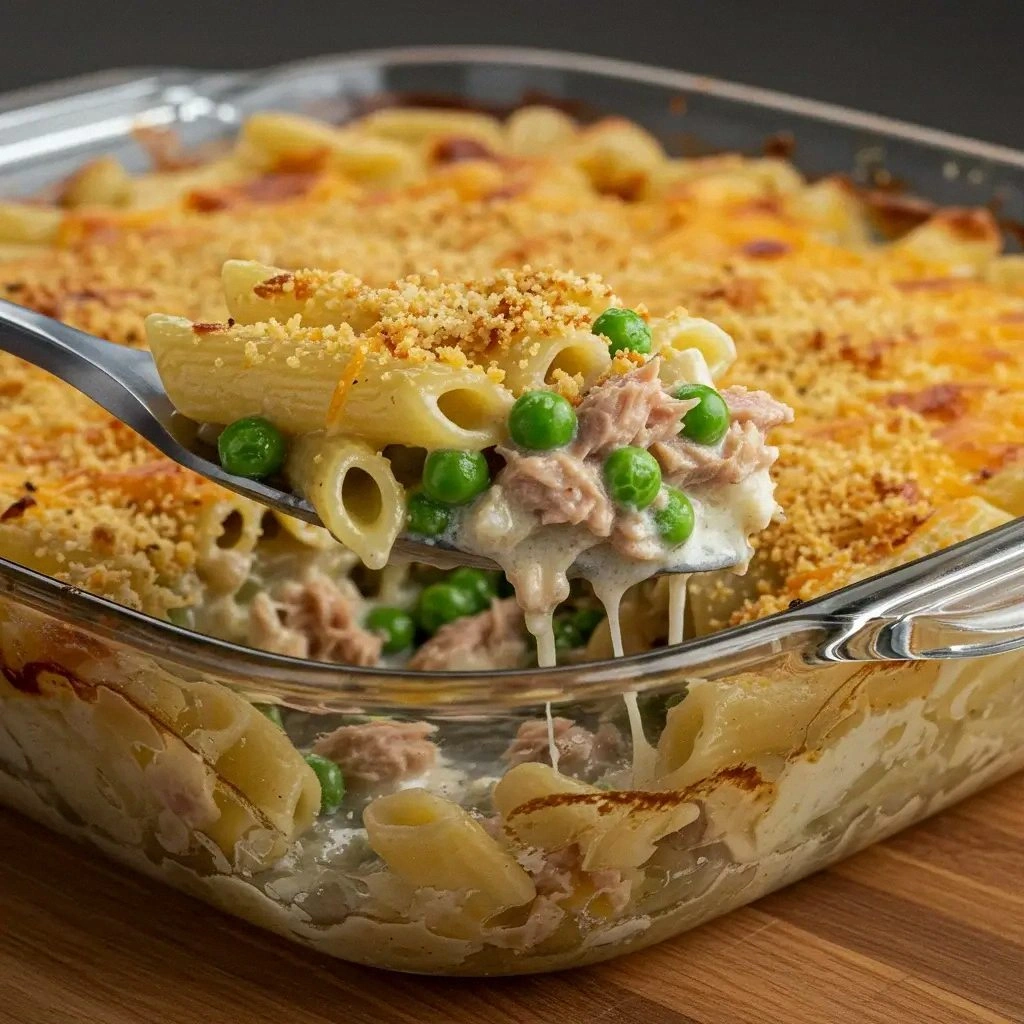
The Method — Step by Step
- Bring a large pot of salted water to a rolling boil and cook the elbow macaroni until it’s just shy of al dente, about 7 minutes. Drain and set aside, letting the pasta cool slightly so it won’t steam the sauce. I dare you to taste the pasta before adding the sauce; it should be firm but not crunchy. This step ensures the noodles absorb the flavors without becoming mushy. Keep the pot warm to prevent the pasta from sticking together.
- While the pasta cooks, melt the butter in a large skillet over medium heat until it turns a pale golden color, signaling the start of a buttery aroma. Add the breadcrumbs and stir constantly, allowing them to toast until they’re a deep amber hue. The sizzle will tell you the breadcrumbs are ready; they should crackle softly. This toasted breadcrumb layer will become the crispy crown of your casserole.
- In a separate bowl, combine the condensed cream of mushroom soup, milk, garlic powder, onion powder, salt, and pepper. Whisk until the mixture is smooth and free of lumps. The goal is a uniform sauce that coats each noodle without separation. If you prefer a thicker sauce, reduce the milk by a tablespoon. Taste the sauce; it should have a balanced savory profile.
- Return the drained pasta to the pot and pour the sauce over it. Toss gently but thoroughly so every strand of macaroni is coated. Let the mixture simmer for 2 minutes, allowing the pasta to absorb the sauce. This step is critical for flavor penetration; if you rush it, the noodles will remain dry.
- Fold in the drained tuna, ensuring the fish is evenly distributed. The tuna’s texture is delicate, so avoid breaking it into small pieces; a few generous flakes will suffice. Stir until the tuna is fully incorporated, but keep the mixture from becoming too wet. The tuna adds a protein punch and a subtle briny note that brightens the dish.
- Add the thawed peas and shredded cheddar cheese, stirring until the cheese melts into a creamy blanket. The peas will add a pop of color and a sweet bite that contrasts with the savory base. The cheese’s melting point is key; if it’s too soft, it won’t form a cohesive layer. Keep the heat low to avoid scorching the cheese.
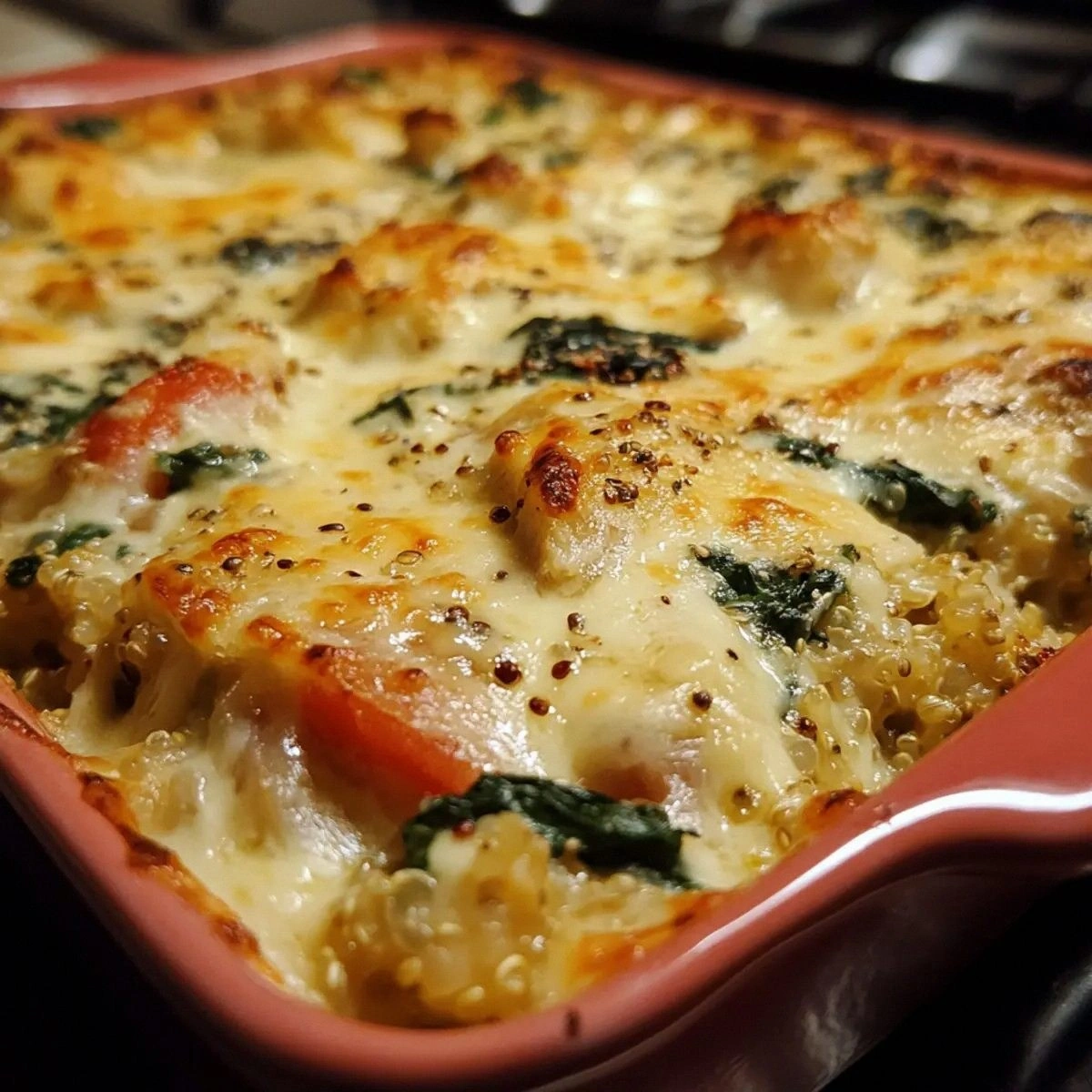
- Transfer the entire mixture to a greased 9x13 inch baking dish, spreading it out evenly. Sprinkle the toasted breadcrumb butter mixture over the top, pressing lightly to ensure it adheres. The breadcrumb layer should look like a golden, slightly uneven crown ready to caramelize. This topping will provide the final crunch.
- Bake in a preheated oven at 375°F (190°C) for 20-25 minutes, or until the top is golden brown and the casserole is bubbling. The internal temperature should reach 165°F (74°C) for safety. Watch the edges; they’ll start to pull away from the dish, signaling readiness. When the top is crisp, remove the casserole from the oven and let it rest for 5 minutes before serving.
That's it — you did it. But hold on, I've got a few more tricks that'll take this to another level...
Insider Tricks for Flawless Results
The Temperature Rule Nobody Follows
Many cooks bake at the highest temperature they can find, but this dish thrives at 375°F (190°C). Baking at a slightly lower temperature allows the flavors to meld without scorching the top. I’ve tried 400°F and the breadcrumbs burned before the interior cooked through. Stick to the moderate heat for a perfectly balanced casserole.
Why Your Nose Knows Best
When the butter starts to toast, the aroma is a telltale sign that the breadcrumbs are ready. The scent of toasted nuts and butter is the cue to move on to the next step. If the smell is still flat, give the breadcrumbs a little more time.
The 5-Minute Rest That Changes Everything
After removing the casserole from the oven, let it sit for five minutes. This resting period allows the sauce to thicken slightly, making each spoonful easier to serve. A friend once tried cutting into the dish immediately and ended up with a watery mess; the rest step fixes that.
The Secret of a Crunchy Crown
A thin layer of melted butter mixed with breadcrumbs gives a golden, almost caramelized top that’s impossible to resist. The butter’s fat content helps the crumbs brown evenly, creating a crunchy texture that contrasts with the creamy interior. If you like a deeper brown, sprinkle a pinch of paprika on top before baking.
The Perfect Mix of Cheese
Using a blend of cheddar and a little mozzarella gives a gooey, stretchy top while keeping the sharpness of cheddar. I’ve found that adding a tablespoon of grated parmesan to the breadcrumb mix elevates the flavor profile. The key is to use cheeses with different melting points for a harmonious texture.
Creative Twists and Variations
Mediterranean Tuna Casserole
Swap the cheddar for feta and add chopped kalamata olives, sun‑dried tomatoes, and a splash of oregano. The briny olives and sweet sun‑dried tomatoes bring a Mediterranean vibe, while the feta adds a tangy depth. This version is perfect for a summer dinner with a side of crusty bread.
Mexican-Style Tuna Casserole
Replace the breadcrumbs with crushed tortilla chips and sprinkle jalapeño flakes over the top. Add a dollop of salsa and a handful of corn kernels for a pop of color. The result is a spicy, crunchy casserole that pairs beautifully with a side of guacamole.
Veggie‑Loaded Tuna Casserole
Incorporate diced bell peppers, zucchini, and spinach into the sauce. These vegetables add nutrients and a subtle sweetness that balances the tuna’s saltiness. The casserole becomes a one‑pot meal that satisfies both kids and adults.
Cheesy Broccoli Tuna Casserole
Add a cup of steamed broccoli florets and top the casserole with a layer of shredded mozzarella. The broccoli provides a mild, earthy flavor that complements the tuna, while the mozzarella gives a gooey, melty finish. This version is a hit with those who love a classic broccoli casserole.
Pasta Swap: Fusilli or Shells
Try using fusilli or small shells instead of elbow macaroni for a different visual appeal. The twists of fusilli hold sauce better, creating a more luscious bite. This simple swap adds a touch of variety without changing the core flavors.
Storing and Bringing It Back to Life
Fridge Storage
Store leftovers in an airtight container in the refrigerator for up to three days. The casserole’s creamy sauce will firm up slightly, so reheat with a splash of milk or water to restore its silky texture. Cover loosely to allow steam to escape and prevent condensation.
Freezer Friendly
For longer storage, place the casserole in a freezer‑proof container and freeze for up to two months. Thaw overnight in the refrigerator before reheating. The texture remains intact, and the flavors meld even better after a day in the freezer.
Best Reheating Method
Reheat in a preheated oven at 350°F (175°C) for 15–20 minutes, or until hot throughout. Add a splash of milk or broth during the last 5 minutes to keep the sauce from drying out. The breadcrumb topping will regain its crispness when baked again.