I was standing in my kitchen, a half‑crushed can of zucchini soup on the counter, and a sudden craving for something sweet and comforting hit me like a bolt of lightning. The pantry was a mess of flour bags, a lonely jar of cinnamon, and a few eggs that looked at me with pleading eyes. I tossed the zucchini into a grater, the sound of the metal rasp echoing like a drumroll, and wondered if I could transform those watery spears into a pancake that would make even the most stubborn breakfast skeptic swoon. Most recipes I’ve tried either turned out soggy or bland, and I was determined to crack the code once and for all. I dared myself to create a version that would be so good, I’d be willing to eat half the batch before anyone else got a chance.
The moment the batter hit the hot skillet, a sizzle rose up, sharp and confident, like the opening chord of a favorite song. The kitchen filled with the sweet aroma of caramelizing sugar and the warm, earthy perfume of cinnamon mingling with the fresh, green notes of zucchini. I could hear the gentle pop of bubbles breaking the surface, feel the buttery heat against the pan, and see the edges of each pancake turning a perfect golden‑brown, crisp enough to crack under a fork yet soft enough to melt in your mouth. My taste buds were already doing a happy dance, anticipating the first bite that would be both tender and surprisingly airy, with a subtle crunch that reminded me of a fresh‑baked scone.
What makes this version the ultimate sweet zucchini pancake is a secret technique I stumbled upon while watching a French patisserie video: a quick “rest and dry” step for the grated zucchini. By sprinkling a pinch of salt and letting the shredded veg sit for five minutes, you coax out excess moisture, then wring it out with a clean towel. This simple trick prevents soggy pancakes and concentrates the natural sweetness of the squash, turning it into a flavor bomb that coats each bite like velvet. Most recipes skip this step, resulting in a mushy mess that never quite reaches that dreamy, melt‑in‑your‑mouth texture.
I’m about to walk you through every single step — from the moment you grate that zucchini to the triumphant moment you stack the golden towers on a plate. By the end, you’ll wonder how you ever settled for bland, flat pancakes, and you’ll be ready to brag to anyone who’ll listen that you’ve mastered the art of sweet zucchini pancakes. Okay, ready for the game‑changer? Let’s dive in and make something that will have you daring anyone to taste it and not go back for seconds.
What Makes This Version Stand Out
- Flavor Explosion: The combination of sweet zucchini, warm spices, and a hint of lemon zest creates a layered taste profile that feels both familiar and exciting, like a sunrise over a field of herbs.
- Texture Triumph: Thanks to the moisture‑controlled zucchini and the precise flour‑to‑liquid ratio, each pancake boasts a light, airy interior with a crisp, buttery edge that shatters like thin ice when you bite.
- Simplicity at Its Core: Only pantry staples are required, and the method involves just a few steps, making it perfect for busy weekday mornings or lazy weekend brunches.
- Unique Ingredient Hack: The “salt‑rest‑drain” technique for zucchini is the secret sauce that elevates this recipe above the rest, ensuring no soggy surprises.
- Crowd‑Pleaser Factor: Even the pickiest eaters—kids and adults alike—can’t resist the sweet aroma and the subtle spice that whispers rather than shouts.
- Ingredient Quality Matters: Using fresh, firm zucchini and real butter (instead of oil) adds depth and richness that cheap shortcuts simply can’t match.
- Cooking Method Magic: A medium‑heat skillet and a gentle press technique give you that perfect golden crust without burning the sugars.
- Make‑Ahead Potential: These pancakes freeze beautifully, and a quick reheat brings them back to life, making them a versatile make‑ahead breakfast option.
Inside the Ingredient List
The Flavor Base
The heart of any great pancake is its flavor foundation, and here we rely on a blend of sugar, vanilla, and citrus. Granulated sugar adds just enough sweetness to let the natural sugars of the zucchini shine without becoming cloying. Vanilla extract brings a warm, aromatic backdrop that ties the spices together, while a teaspoon of lemon zest injects a bright, citrusy pop that cuts through the richness, making each bite feel refreshing. Skipping any of these components would leave the pancakes tasting flat, like a song missing its chorus.
The Texture Crew
Flour, baking powder, and a splash of milk form the structural backbone that gives the pancakes their lift and tender crumb. All‑purpose flour is ideal because it provides just the right amount of gluten to hold the batter together without making it dense. Baking powder is the leavening hero, creating those airy bubbles that puff the pancakes up, while the optional pinch of baking soda reacts with the acidity from the zucchini and lemon zest for an extra lift. Milk (or buttermilk for a tangier note) hydrates the dry ingredients and adds a silky mouthfeel; using too much can make the batter runny, too little and you’ll end up with a dry, crumbly pancake.
The Unexpected Star
Zucchini itself is the surprise element that turns a regular pancake into a sweet masterpiece. When grated and properly dried, it contributes moisture, subtle sweetness, and a faint vegetal note that pairs beautifully with cinnamon and nutmeg. The vegetable’s natural sugars caramelize during cooking, creating those golden edges that crackle with each bite. If you substitute zucchini with another veg, you’ll lose that delicate balance of sweet‑earthy flavor that makes this dish unique.
The Final Flourish
A generous pat of melted butter (or a high‑smoke‑point oil) is folded into the batter just before cooking, adding richness and a buttery aroma that lingers in the kitchen. This fat also helps create that coveted crisp edge, ensuring each pancake has a satisfying crunch that contrasts with its soft interior. A sprinkle of extra cinnamon on the surface before flipping adds a caramelized spice crust, while a dusting of powdered sugar after plating provides a finishing touch of elegance. Forgetting the butter would result in a dry, lackluster pancake that feels more like a bland crepe than a comforting breakfast.
Everything's prepped? Good. Let's get into the real action...
The Method — Step by Step
Start by grating two medium zucchinis using the large holes of a box grater. As the shreds fall into the bowl, the kitchen fills with a fresh, green scent that hints at the sweet transformation ahead. Sprinkle a pinch of kosher salt over the grated zucchini, stir gently, and let it rest for exactly five minutes. This is the moment where the moisture is coaxed out, and you’ll notice the zucchini beginning to release a pool of liquid at the bottom of the bowl.
Kitchen Hack: Instead of squeezing by hand, wrap the zucchini in a clean kitchen towel and twist firmly to wring out excess water. This method preserves more of the vegetable’s flavor while ensuring a dry batter.While the zucchini rests, whisk together the dry ingredients in a large mixing bowl: 2 cups all‑purpose flour, 2 tablespoons granulated sugar, 1 teaspoon baking powder, ½ teaspoon baking soda, ½ teaspoon salt, 1 teaspoon ground cinnamon, and ¼ teaspoon ground nutmeg. The spices should swirl together like a fragrant cloud, and the flour will begin to look slightly golden from the cinnamon. This dry mix is the backbone that will hold the wet ingredients together and give the pancakes their rise.
In a separate bowl, beat 2 large eggs until they turn a pale yellow, then whisk in 1 cup milk (or buttermilk for extra tang), ¼ cup melted butter, 1 teaspoon vanilla extract, and the zest of one lemon. The liquid mixture should look glossy and slightly thickened, a perfect contrast to the dry flour blend. This is where the flavor base truly comes alive, and the lemon zest adds that subtle zing you’ll thank later.
Now, take the rested zucchini and place it in a fine‑mesh sieve. Press gently with the back of a spoon to drain any remaining liquid, then transfer the relatively dry shreds into the wet bowl. Fold the zucchini into the liquid with a rubber spatula, being careful not to over‑mix; a few streaks of flour are okay. Over‑mixing would develop gluten, leading to tough pancakes—a mistake I’ve made too many times.
Combine the wet and dry mixtures by gently folding them together until just incorporated. The batter should be thick but pourable, resembling a lumpy pancake batter rather than a smooth batter for crepes. If it looks too thick, add a splash of milk—one tablespoon at a time—until you reach the right consistency. This step is the moment of truth; the batter should hold its shape when dropped onto the skillet but spread just enough to form a 4‑inch circle.
Heat a non‑stick skillet or cast‑iron griddle over medium heat and add a small knob of butter, swirling it to coat the surface. When the butter foams and begins to turn a light amber, you’ll know the pan is ready. The sizzle you hear as the batter hits the pan is the sound of flavor locking in, and it should be immediate—no waiting, no hesitation.
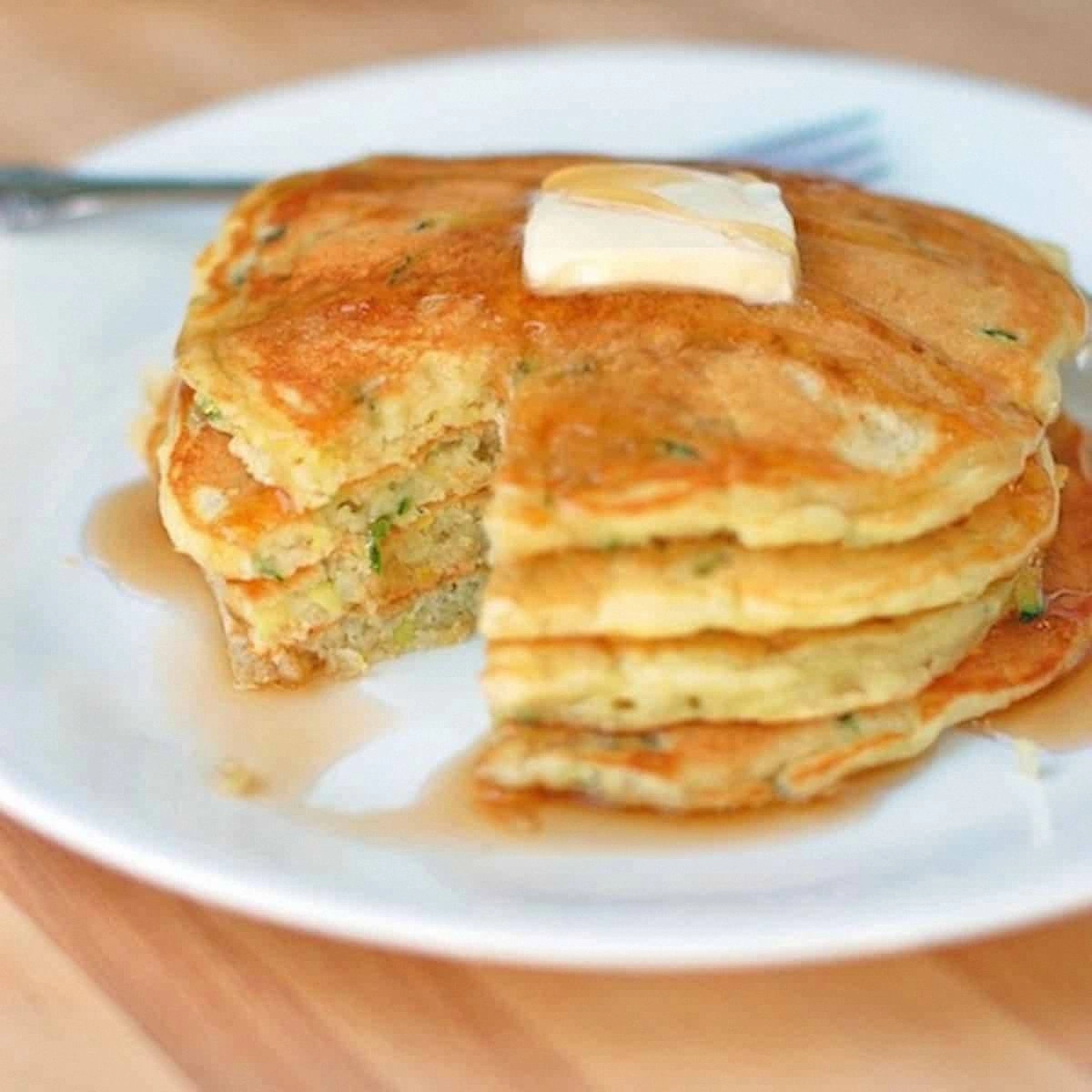
Watch Out: If the heat is too high, the sugars in the zucchini will burn before the interior cooks through, leaving a bitter aftertaste. Keep the temperature steady and adjust by lowering the flame if you see the edges darkening too quickly.Spoon ¼‑cup portions of batter onto the skillet, spreading gently with the back of the spoon to form even circles. As the batter spreads, you’ll see tiny bubbles forming on the surface—these are the pockets of steam that signal the pancake is cooking evenly. After about 2‑3 minutes, the edges will start pulling away from the pan, and the underside will turn a deep golden brown. This is the cue to flip.
Flip each pancake with a thin, flexible spatula, pressing lightly to ensure an even crust. Cook for an additional 1‑2 minutes on the second side, allowing the sugars to caramelize further. The aroma at this stage is intoxicating—sweet, buttery, with a whisper of cinnamon that makes your mouth water before the first bite.
Transfer the finished pancakes to a warming rack or a plate covered loosely with foil. Stack them high, drizzle a little melted butter over the top, and dust generously with powdered sugar or a drizzle of maple syrup if you like extra sweetness. This final flourish not only adds visual appeal but also creates a melt‑in‑the‑mouth experience that will have you daring anyone to resist a second serving.
Kitchen Hack: Keep the skillet at a steady medium heat throughout the batch; if you notice the pancakes cooking too fast, briefly remove the pan from the heat and let it cool for a few seconds before continuing.
That's it — you did it. But hold on, I've got a few more tricks that'll take this to another level, ensuring every bite is as unforgettable as the first. Stay with me here — this is worth it.
Insider Tricks for Flawless Results
The Temperature Rule Nobody Follows
Most home cooks set their stovetop to “medium” and call it a day, but the secret to perfectly golden pancakes lies in a precise temperature range of 325°F to 350°F (163°C‑177°C). Use an infrared thermometer or the back‑of‑your‑hand test: hold your hand an inch above the pan; you should feel a steady, gentle heat, not an aggressive blaze. If the pan is too hot, the exterior will scorch while the interior remains doughy; too cool and the pancakes will spread too much, losing that coveted fluff. Adjust the flame in small increments, and you’ll achieve a uniform browning that looks like a professional brunch spread.
Why Your Nose Knows Best
Your sense of smell is actually a more reliable indicator of doneness than any timer. When the butter in the pan begins to turn a light amber and you catch the sweet, nutty scent of caramelizing sugar, you’re at the perfect moment to pour the batter. Later, as the pancakes cook, listen for a faint hissing sound and watch for the edges turning opaque—that’s the moment to flip. Trusting your nose and eyes over a clock prevents over‑cooking and keeps the pancakes tender.
The 5‑Minute Rest That Changes Everything
After you’ve mixed the wet and dry ingredients, let the batter rest for five minutes before cooking. This short pause allows the flour to fully hydrate and the baking powder to begin its leavening action, resulting in taller, fluffier pancakes. I once tried to skip this step in a rush and ended up with flat, dense pancakes that tasted like a bland cake batter. A brief rest is a tiny investment that yields a massive payoff in texture.
The Butter‑Brush Finish
Just before serving, brush each pancake with a thin layer of melted butter infused with a pinch of sea salt. This final glaze adds a glossy sheen and a subtle salty contrast that amplifies the sweet notes, turning a simple pancake into a restaurant‑quality dish. I’ve heard friends say the moment the butter hits the warm pancake, it creates a tiny sizzle that signals “ready to eat”.
The Secret Spice Mix
Instead of using just cinnamon, blend it with a dash of ground cardamom and a pinch of ground ginger. This trio adds depth, a whisper of exotic warmth, and a lingering aftertaste that makes the pancakes unforgettable. My cousin tried the recipe with plain cinnamon and thought it was good, but the moment I introduced the cardamom‑ginger combo, he declared it “the best thing he’s ever had for breakfast”.
Creative Twists and Variations
This recipe is a playground. Here are some of my favorite ways to switch things up:
Blueberry Burst
Fold a half‑cup of fresh blueberries into the batter just before cooking. The berries burst during cooking, releasing sweet juices that mingle with the zucchini, creating pockets of juicy delight. Perfect for those who love a pop of fruit in every bite.
Chocolate Chip Delight
Add ¼‑cup of mini dark chocolate chips to the batter for a decadent twist. The chocolate melts into gooey pockets, contrasting the light, spiced pancake base. Ideal for a weekend brunch that feels like dessert.
Nutty Crunch
Stir in ¼‑cup of toasted chopped walnuts or pecans for added texture and a buttery, nutty flavor. The nuts also bring a healthy dose of protein and omega‑3 fatty acids, making the pancakes more satisfying.
Coconut Coconut
Replace half of the milk with coconut milk and sprinkle shredded coconut into the batter. This gives the pancakes a subtle tropical flair, with a hint of coconut aroma that pairs beautifully with the lemon zest.
Savory Sunrise
Swap the sugar for an equal amount of grated Parmesan and add a pinch of smoked paprika. Serve with a dollop of Greek yogurt and a drizzle of hot sauce for a bold, savory breakfast that still retains the zucchini’s moisture.
Storing and Bringing It Back to Life
Fridge Storage
Allow the pancakes to cool completely, then layer them between sheets of parchment paper in an airtight container. Store in the refrigerator for up to three days. When ready to eat, reheat in a skillet over medium heat, adding a tiny splash of milk or water to the pan; this creates steam that revives the fluffy interior.
Freezer Friendly
Stack the cooled pancakes with parchment sheets separating each layer, then place the stack in a zip‑top freezer bag. They’ll keep for up to two months. To reheat, pop them straight into a preheated oven at 350°F (175°C) for about 10 minutes, or microwave for 30‑second intervals, adding a drizzle of water to prevent drying.
Best Reheating Method
The ultimate reheating trick is to use a hot, dry skillet with a thin coat of butter. Place the pancake in the pan, cover with a lid for 30 seconds to trap steam, then uncover for another 30 seconds to crisp the edges. This method restores the original contrast of crisp exterior and soft interior, making the pancakes taste as fresh as the day they were made.