Picture this: a rainy Thursday night, the kind that makes you crave comfort food so badly you can practically taste the hug it’ll give you. I was staring at a wilted box of lasagna noodles, wondering if I should settle for the same old soggy layers or embark on a culinary gamble. That’s when a half‑finished spaghetti squash, rescued from the fridge after a botched attempt at “spaghetti squash spaghetti,” whispered, “Let’s get weird.” I answered with a bold, “Challenge accepted.”
The kitchen instantly transformed into a battlefield of aromas. The sharp sting of garlic hitting hot olive oil, the sweet, caramelized scent of roasted squash flesh, and the tangy, herb‑laden perfume of simmering marinara collided like a rock concert in my nostrils. I could hear the squash’s skin crackle as it baked, feel the heat radiating from the oven door, and see the vibrant orange interior glimmer like sunrise through a window. My taste buds were already doing a happy dance, and my stomach was growling the bass line.
Most lasagna recipes cling to pasta sheets like a clingy ex—predictable, heavy, and a little bit boring. This version? It flips the script. By swapping traditional noodles for the natural “noodles” of spaghetti squash, we cut carbs, add a buttery sweetness, and give each bite a light, airy texture that still holds up to hearty sauce and cheese. The secret? A quick flash‑roast that gives the squash a slightly caramelized edge, ensuring every bite has that coveted crunch‑to‑soft contrast that most baked dishes lack.
And just when you think you’ve seen all the tricks, I’ll introduce a splash of ricotta‑egg mixture that acts like a culinary glue, binding the layers without drowning them. It’s the kind of hack that makes you wonder why no one thought of it before. I dare you to taste this and not go back for seconds; I promise you’ll be begging for the recipe again and again.
Let me walk you through every single step — by the end, you’ll wonder how you ever made it any other way.
What Makes This Version Stand Out
- Texture: The squash’s strands are tender yet firm, offering a bite that mimics traditional pasta without the chewiness that can turn soggy.
- Flavor Fusion: The natural sweetness of the squash balances the acidity of the marinara, creating a harmony that feels like a well‑orchestrated duet.
- Lightness: With far fewer carbs and a lower calorie count, you can indulge without the post‑meal slump that usually follows a heavy lasagna.
- Simplicity: Fewer steps than a classic lasagna—no boiling noodles, no drying sheets—just roast, assemble, and bake.
- Crowd‑Pleaser: Even the most skeptical meat‑and‑potatoes crowd can’t resist the melty cheese and aromatic herbs.
- Ingredient Quality: Using a ripe, firm spaghetti squash guarantees that the “noodles” stay distinct and don’t turn mushy.
- Cooking Method: The two‑stage bake (roast then assemble) locks in flavor and prevents sogginess.
- Make‑Ahead Potential: Assemble the boats ahead of time, refrigerate, and pop them in the oven when you’re ready to eat.
Alright, let's break down exactly what goes into this masterpiece...
Inside the Ingredient List
The Flavor Base
First up, the marinara sauce. A good sauce is the soul of any lasagna, and here it’s the bridge between the sweet squash and the savory meat. I use a store‑bought marinara with a hint of garlic, but a homemade version with crushed tomatoes, a splash of red wine, and a pinch of sugar will elevate the dish to restaurant quality. Skipping the sauce? You’ll end up with dry, flavorless boats that no one wants to touch.
The Texture Crew
Spaghetti squash is the star of the show. Choose a squash that feels heavy for its size and has a firm, bright orange flesh—this indicates maturity and low moisture, which means the strands won’t turn into mush. If you’re in a pinch, a butternut squash can substitute, though it will give a sweeter, denser bite. Remember, the goal is a slight bite that mimics al dente pasta.
The Unexpected Star
Ricotta mixed with an egg creates a creamy binder that holds everything together without making the dish soggy. The egg acts like a culinary cement, ensuring the cheese layers don’t slide off when you cut into the boat. If you’re vegan, blend silken tofu with a dash of nutritional yeast and a sprinkle of turmeric for color; the texture changes, but the binding power remains.
The Final Flourish
Fresh herbs—basil and oregano—bring brightness that cuts through the richness of the cheese and meat. Freshly chopped basil added at the end of baking preserves its aromatic punch, while dried oregano in the sauce builds depth. A pinch of smoked paprika in the meat mixture adds a subtle smoky whisper that makes every bite unforgettable.
Everything's prepped? Good. Let's get into the real action...
The Method — Step by Step
Preheat your oven to 425°F (220°C). While the oven warms, slice the spaghetti squash in half lengthwise and scoop out the seeds. Drizzle each half with olive oil, sprinkle with salt and pepper, and place cut‑side down on a parchment‑lined baking sheet. Roast for 25‑30 minutes until the flesh is fork‑tender and the edges start to caramelize. That sizzle when it hits the pan? Absolute perfection.
While the squash is roasting, heat a large skillet over medium heat and add a splash of olive oil. Toss in finely diced onion and minced garlic; sauté until the onion turns translucent and the garlic releases a fragrant, buttery aroma. This is the moment of truth—if the garlic burns, you’ve just introduced bitterness into the entire dish.
Increase the heat to medium‑high and crumble in the ground beef and Italian sausage. Break the meat apart with a wooden spoon, letting it brown evenly. When the meat releases its juices and starts to develop a deep, caramelized crust, season with salt, pepper, dried oregano, and a pinch of smoked paprika. The meat should be nicely browned, not just cooked through—that’s where flavor lives.
Pour the marinara sauce into the skillet, stirring to combine with the meat. Reduce the heat to low and let the sauce simmer for 10‑12 minutes, allowing the flavors to meld. Stir occasionally; you’ll notice the sauce thickening and the scent becoming richer, like a symphony building to its crescendo.
While the sauce simmers, prepare the ricotta mixture. In a medium bowl, combine ricotta cheese, one beaten egg, half of the shredded mozzarella, half of the grated parmesan, and the chopped fresh basil. Mix until smooth. This creamy blend will coat the squash strands, preventing them from soaking up too much sauce.
Remove the roasted squash halves from the oven and let them cool for a few minutes. Using a fork, gently pull the flesh apart into strands, leaving a thin border of flesh attached to the skin—this acts as a natural “boat” that holds everything together. Transfer the strands into a large mixing bowl and toss with half of the ricotta mixture, ensuring every strand is coated like velvet.
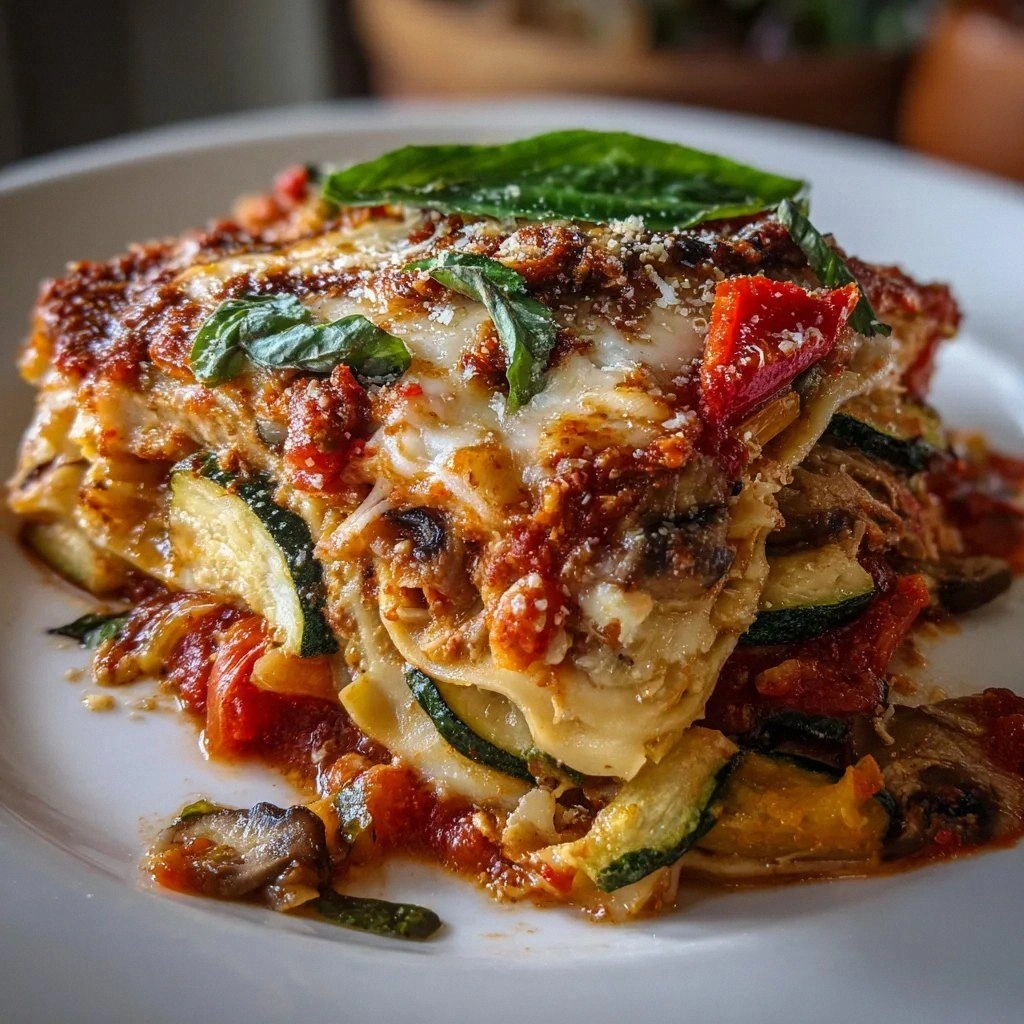
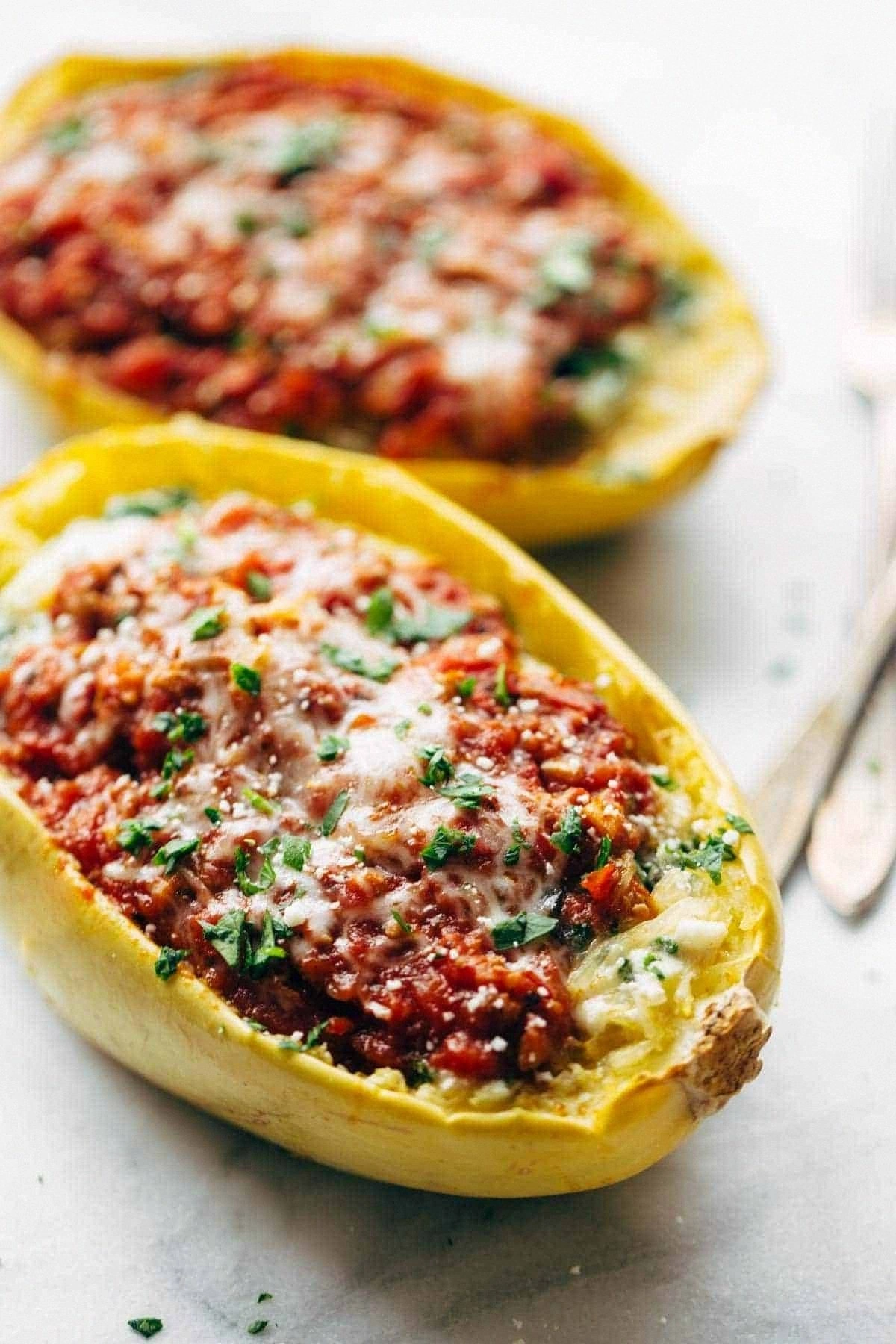
Now comes assembly. Spoon a generous layer of the meat‑marinara sauce into each squash half, spreading it evenly. Top the sauce with the ricotta‑coated squash strands, then drizzle the remaining meat sauce over the top. Sprinkle the remaining mozzarella and parmesan cheeses across the surface, creating a golden, bubbly crown.
Return the assembled boats to the oven, lowering the temperature to 375°F (190°C). Bake for 20‑25 minutes, or until the cheese is melted, bubbling, and the top has turned a beautiful amber. You’ll see the edges of the squash pulling away from the skin—a visual cue that the interior is perfectly cooked.
Remove the boats from the oven and let them rest for five minutes. This short pause allows the cheese to set, making slicing cleaner. Garnish with a final sprinkle of fresh basil and a drizzle of extra‑virgin olive oil. Picture yourself pulling this out of the oven, the whole kitchen smelling incredible… and that’s exactly the moment you’ll want to capture on camera.
That's it — you did it. But hold on, I've got a few more tricks that'll take this to another level...
Insider Tricks for Flawless Results
The Temperature Rule Nobody Follows
Most home cooks bake lasagna at a steady 350°F, but the two‑stage temperature here is crucial. Starting high (425°F) caramelizes the squash, while the lower finish (375°F) ensures the cheese melts evenly without drying out. Trust me, the contrast between a caramelized edge and a creamy interior is what makes this dish unforgettable.
Why Your Nose Knows Best
Never underestimate the power of scent as a cooking thermometer. When the meat sauce starts to smell like a rich, herb‑infused broth with a hint of sweetness, you know the flavors have melded. If the aroma is flat, give it a few more minutes; the depth will develop.
The 5‑Minute Rest That Changes Everything
Allowing the assembled boats to rest after baking lets the cheese set and the sauces thicken slightly. Skipping this step results in a watery plate where the sauce pools at the bottom. A short rest also makes slicing cleaner—no more messy, cheese‑splattered forks.
Cheese Ratio Magic
Using a 2:1 ratio of mozzarella to parmesan yields a stretchy, gooey melt with a sharp finish. If you love a sharper bite, increase the parmesan by a quarter cup; just remember it will brown faster, so watch the broil stage closely.
Spice Layering Secrets
Adding a pinch of red pepper flakes to the meat sauce early on gives a gentle heat that builds as the sauce reduces. For a deeper, smoky undertone, incorporate a dash of liquid smoke or smoked salt at the very end of the simmer. My friend tried skipping the smoked paprika once—let’s just say the dish felt a little too “plain Jane.”
Creative Twists and Variations
This recipe is a playground. Here are some of my favorite ways to switch things up:
Meat‑Free Marvel
Swap the ground beef and sausage for a hearty mix of lentils, chopped mushrooms, and smoked tempeh. The umami from mushrooms mimics meat, while lentils add protein and a pleasant bite. Even vegans will rave at the texture.
Spicy Southwest
Introduce chipotle peppers in adobo sauce to the marinara, and replace Italian sausage with chorizo. Top with a dollop of cilantro‑lime crema after baking. This version turns the classic Italian comfort into a bold, smoky fiesta.
Four‑Cheese Fantasy
Blend ricotta with mascarpone and a splash of heavy cream, then sprinkle gorgonzola and provolone alongside mozzarella. The result is a luxuriously creamy interior with a tangy bite—perfect for cheese lovers who crave decadence.
Herb‑Infused Crunch
Before roasting, coat the squash halves with a mixture of panko breadcrumbs, grated parmesan, and finely chopped rosemary. This creates a crispy crown that shatters like thin ice when you bite into it.
Seasonal Harvest
During fall, fold in roasted butternut squash cubes and a pinch of nutmeg into the ricotta mixture. The sweet, nutty notes complement the marinara, making the dish feel autumnal without overwhelming the core flavors.
Protein‑Packed Power
Add a scoop of cooked quinoa or farro into the meat sauce for extra texture and protein. This not only boosts the nutritional profile but also adds a pleasant chew that contrasts nicely with the squash strands.
Storing and Bringing It Back to Life
Fridge Storage
Allow the boats to cool completely, then place each half in an airtight container. They’ll keep fresh for up to three days. When reheating, cover with foil and microwave for 2‑3 minutes, then finish under the broiler for a minute to restore the crispy top.
Freezer Friendly
Assemble the boats, but don’t bake them. Wrap each half tightly in plastic wrap followed by aluminum foil. Freeze for up to two months. To serve, thaw overnight in the refrigerator, then bake at 375°F for 25‑30 minutes, adding a splash of water to the pan to create steam and prevent drying.
Best Reheating Method
For the ultimate revival, preheat your oven to 350°F, place the leftovers on a baking sheet, and add a teaspoon of water around the edges. Cover loosely with foil and heat for 15‑20 minutes, then remove the foil for the last five minutes to re‑crisp the cheese. The water creates a gentle steam that brings the squash strands back to their fluffy glory.