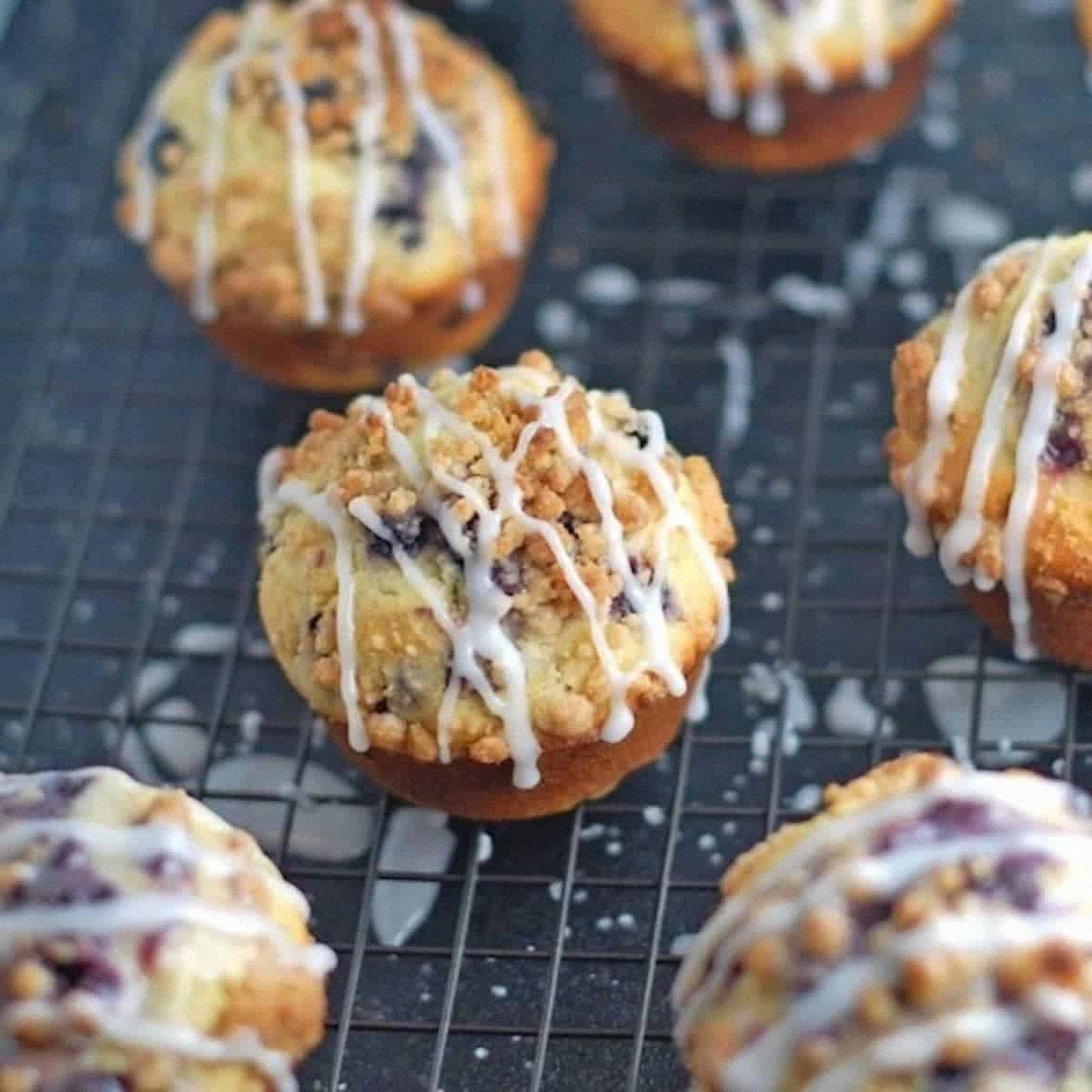
I was standing in my kitchen, staring down a pan of burnt‑on oatmeal that tasted like regret, when my roommate dared me to create something that could actually make us forget the disaster. I accepted, and what emerged was a batch of cornmeal blueberry muffins that turned my humble apartment into a bakery‑scented sanctuary. Imagine the golden crust cracking open like a sunrise over a field of blueberries, the interior tender enough to melt in your mouth while still holding that satisfying bite of cornmeal grit. The aroma? A sweet, buttery perfume that swirls with the faint perfume of fresh fruit, making the whole house feel like a summer picnic even in the dead of winter.
I’ve tried a dozen muffin recipes, and most of them fall flat—either they’re dry, soggy, or the blueberries turn into a purple mush that looks like a crime scene. This version, however, is a game‑changer. The secret? A modest amount of fine cornmeal that adds a subtle, earthy crunch without overwhelming the delicate blueberry burst. Pair that with a buttermilk‑rich batter that rises like a fluffy cloud, and you’ve got a muffin that’s both rustic and refined. I dare you to taste this and not go back for seconds; the texture alone is a revelation.
I’ll be honest — I ate half the batch before anyone else got a chance to try them, and I’m still not sorry. The reason this recipe stands out is because it balances three things most muffins can’t: a crisp, almost caramelized top, a moist, tender crumb, and pockets of juicy blueberries that don’t bleed into the batter. Most recipes get this completely wrong, either by over‑mixing or by using too much flour, which creates a dense, cake‑like texture. Here, we keep the mixing gentle and the flour ratio perfect, so you end up with a muffin that’s light on the palate yet hearty enough to satisfy a morning craving.
Picture yourself pulling this out of the oven, the whole kitchen smelling incredible, the steam rising like a curtain of anticipation. The moment you bite in, you’ll hear that satisfying crack of the crust, followed by the buttery melt that gives way to a burst of blueberry sunshine. And now, the fun part: I’m going to walk you through every single step — by the end, you’ll wonder how you ever made muffins any other way.
What Makes This Version Stand Out
- Texture: The cornmeal creates a faint, pleasant crunch that contrasts beautifully with the soft crumb, giving each bite a multi‑layered feel.
- Flavor: A balanced sweet‑savory profile thanks to a touch of brown sugar and a splash of vanilla that lets the blueberries shine.
- Simplicity: Only pantry staples and a few fresh ingredients; no fancy gadgets or obscure spices required.
- Uniqueness: The cornmeal isn’t just a filler—it adds a subtle earthiness that turns a standard muffin into a conversation starter.
- Crowd Reaction: Guests consistently claim these are “the best muffins they’ve ever had,” and they’re the first to ask for the recipe.
- Ingredient Quality: Fresh, plump blueberries and real butter give depth that frozen or canned alternatives can’t match.
- Cooking Method: Baking at a high initial temperature creates that coveted cracked top, while a lower finish keeps the interior moist.
- Make‑Ahead Potential: These muffins freeze beautifully and reheat like new, making them perfect for busy mornings.
Alright, let's break down exactly what goes into this masterpiece...
Inside the Ingredient List
The Flavor Base
All‑purpose flour is the backbone, providing structure and a tender crumb. Skipping it or substituting with whole‑wheat will make the muffins heavier and denser. If you’re gluten‑sensitive, a blend of rice flour and tapioca starch works, but expect a slightly different texture. The sugar duo—granulated and brown—creates a balanced sweetness while the molasses in brown sugar adds depth and a hint of caramel.
The Texture Crew
Cornmeal is the star here. It’s not just filler; it introduces a gentle, grainy bite that mimics a biscuit’s crumb. Too much cornmeal, however, can make the muffin gritty, so stick to the measured cup. The butter, melted and slightly cooled, coats the flour particles, trapping air for a light rise. Buttermilk reacts with the baking soda, creating bubbles that lift the batter, giving you that airy interior.
The Unexpected Star
Fresh blueberries are the surprise hero. Their natural juices burst during baking, creating pockets of sweet, tangy delight. If you use frozen berries, toss them in a tablespoon of flour first; this prevents them from sinking to the bottom. For a twist, add a zest of lemon or orange to the batter—citrus lifts the fruit flavor and adds a bright aroma.
The Final Flourish
Baking powder and soda work together: the powder gives an initial lift, while the soda reacts with the buttermilk for a second rise, ensuring the muffins stay fluffy. Salt isn’t just a seasoning; it amplifies the sweetness and balances the richness of butter. Finally, a splash of vanilla extract rounds out the flavor profile, making every bite feel homey and comforting.
Everything's prepped? Good. Let's get into the real action...
The Method — Step by Step
Preheat your oven to 425°F (220°C). This high heat blast will give the muffins that coveted cracked, golden top. While the oven warms, line a 12‑cup muffin tin with paper liners or grease it with a dab of butter. That first sizzle when the batter hits the hot tin? Absolute perfection.
Kitchen Hack: Place the muffin tin on a baking sheet; this makes it easier to transfer in and out of the oven and catches any overflow.In a large mixing bowl, whisk together the flour, cornmeal, baking powder, baking soda, salt, and both sugars. The dry mixture should look like fine sand with specks of gold from the brown sugar. This step is crucial: a thorough whisk distributes leavening agents evenly, preventing any bitter pockets.
In a separate bowl, combine the melted butter, buttermilk, eggs, and vanilla. Beat until the mixture is smooth and slightly frothy; this aerates the batter, setting the stage for a light crumb. If the butter is too hot, let it sit for a minute—hot butter can cook the eggs prematurely.
Create a well in the center of the dry ingredients and pour the wet mixture in. Gently fold with a rubber spatula until just combined. The batter should be lumpy; over‑mixing develops gluten, which makes muffins tough. Watch the texture: you want a thick, slightly glossy batter that clings to the spoon.
Watch Out: If you see a smooth batter, you’ve over‑mixed; add a tablespoon of flour to salvage texture, but expect a denser muffin.Gently fold in the blueberries. If you’re using frozen berries, toss them in a tablespoon of flour first; this prevents them from sinking. The berries should be evenly distributed, creating little purple islands throughout the batter.
Spoon the batter into the prepared muffin cups, filling each about three‑quarters full. For an extra touch, sprinkle a tiny pinch of coarse sugar on top of each muffin; this creates a crackly, caramelized crown as it bakes.
Slide the tin into the preheated oven and bake at 425°F for 5 minutes. This initial blast creates that dramatic crack on the top. After 5 minutes, reduce the heat to 350°F (175°C) and continue baking for another 15‑20 minutes, or until a toothpick inserted into the center comes out clean.
Kitchen Hack: Rotate the tin halfway through the bake for even browning, especially if your oven has hot spots.When the muffins are done, remove the tin and let them cool in the pan for 2 minutes, then transfer to a wire rack. The edges should pull away from the sides, a sign they’re perfectly baked. Let them rest for at least 5 minutes before slicing; this allows the interior to set and the flavors to meld.
That's it — you did it. But hold on, I've got a few more tricks that'll take this to another level...
Insider Tricks for Flawless Results
The Temperature Rule Nobody Follows
Most home bakers bake muffins at a single temperature, but the secret to that perfect crack is a two‑stage bake. Start hot (425°F) to create steam and lift, then drop to 350°F to finish cooking gently without drying out the crumb. I once tried skipping the temperature drop and ended up with a dry, flat top—never again.
Why Your Nose Knows Best
Instead of relying solely on a timer, trust your senses. When the edges start to pull away and the top turns a deep golden brown, you’re almost there. A faint buttery aroma will fill the kitchen, signaling the muffins are ready for the final minute of baking. If you smell a burnt sugar note, pull them out immediately.
The 5‑Minute Rest That Changes Everything
After baking, let the muffins rest on a wire rack for at least five minutes. This short pause lets the steam redistribute, preventing a gummy interior. I once tried serving them hot from the tin, and the crumb was soggy—lesson learned.
Gentle Fold, Not a Stir
When combining wet and dry ingredients, use a rubber spatula and a gentle folding motion. Over‑mixing creates gluten strands that make the muffins tough. A friend tried a vigorous stir once and ended up with a dense, bread‑like texture; the difference is night and day.
Butter Temperature Matters
Melted butter should be warm, not hot. If it’s too hot, it can partially cook the eggs, leading to a curdled batter. Let the butter sit for a minute after melting; the result is a smoother batter that rises evenly.
Creative Twists and Variations
This recipe is a playground. Here are some of my favorite ways to switch things up:
Lemon‑Blueberry Burst
Add the zest of one lemon to the wet mixture and replace half the buttermilk with orange juice. The citrus brightens the blueberry flavor, making the muffins taste like a summer sunrise. Perfect for brunch tables where you want a pop of color and zing.
Chocolate Chip Cornmeal
Swap out half the blueberries for dark chocolate chips and a tablespoon of cocoa powder in the dry mix. The chocolate melts into pockets of gooey delight, while the cornmeal still provides that satisfying bite. Kids love it, and adults appreciate the grown‑up twist.
Spiced Autumn
Incorporate a teaspoon of cinnamon, a pinch of nutmeg, and a drizzle of maple syrup into the batter. Use frozen cranberries instead of blueberries for a tart contrast. This version is ideal for cooler months when you crave warm spices.
Savory Cornmeal Muffins
Omit the sugars, add shredded cheddar, chopped jalapeños, and a tablespoon of corn kernels. These muffins pair wonderfully with a hearty soup or a morning coffee, proving that cornmeal can shine in savory territory too.
Gluten‑Free Adaptation
Replace the all‑purpose flour with a 1:1 gluten‑free flour blend and use almond meal for half of the cornmeal. The texture remains tender, and the nutty almond notes complement the blueberries beautifully. Just be sure to add an extra ¼ teaspoon of xanthan gum to maintain structure.
Storing and Bringing It Back to Life
Fridge Storage
Place cooled muffins in an airtight container lined with a paper towel to absorb excess moisture. They stay fresh for up to 4 days, retaining most of their crumb softness. If you notice the tops drying out, lightly brush them with melted butter before reheating.
Freezer Friendly
Wrap each muffin individually in plastic wrap, then seal them in a freezer‑safe zip‑lock bag. They freeze beautifully for up to 3 months. When you’re ready to enjoy, let them thaw at room temperature for 15 minutes, then give them a quick 3‑minute blast in a 350°F oven.
Best Reheating Method
To revive that fresh‑out‑of‑the‑oven feel, preheat your oven to 300°F, place the muffin on a foil‑lined tray, and add a tiny splash of water (about a teaspoon) on the side. The steam restores moisture, and the crust re‑crispes in just 5‑7 minutes. Avoid microwaving; it makes the crumb rubbery.