I was standing in my kitchen, staring at a pan of boiled spaghetti that looked like a sad, limp tumbleweed, when my roommate burst in with a daring grin: “Bet you can’t turn that into something that’ll make us both weep with joy.” I laughed, but deep down I knew the challenge was real. I grabbed a bag of frozen shrimp, a lemon that smelled like sunshine, and a bottle of white wine that promised a tiny party in the pan. The moment the garlic hit the oil, the whole apartment filled with a perfume so intoxicating it could have coaxed a statue to weep. The sizzle was like a tiny fireworks show, each pop a promise that something spectacular was about to happen.
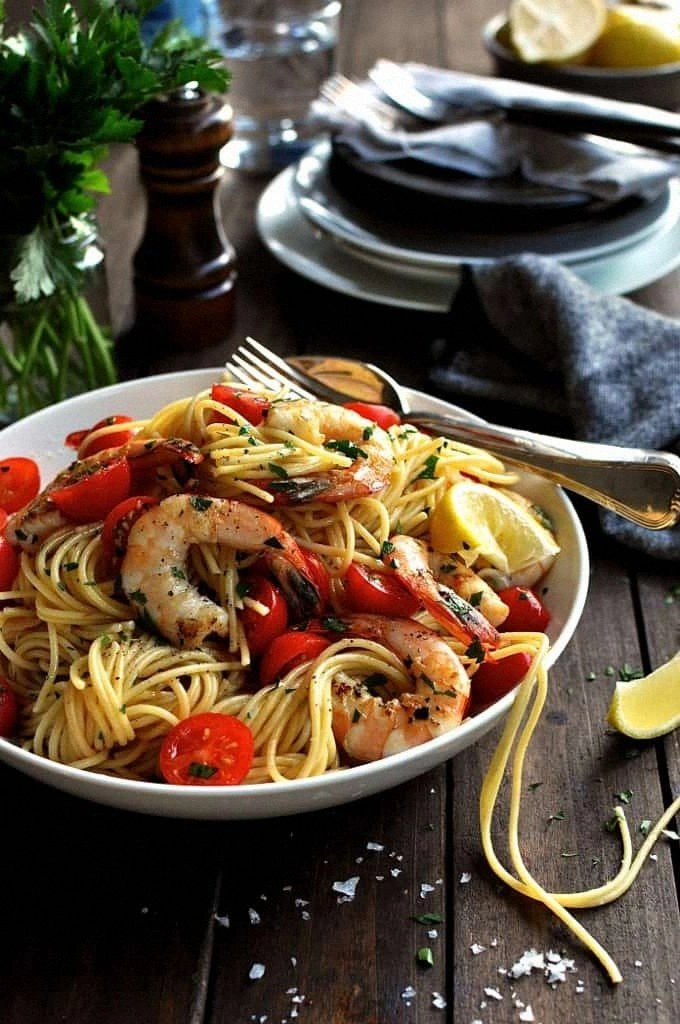
Picture this: a steaming bowl of al dente spaghetti, each strand glistening with a sauce that coats it like velvet, dotted with plump, pink shrimp that have just been kissed by a buttery, lemony glaze. The cherry tomatoes burst open, releasing a sweet tang that dances with the subtle heat of dried chili flakes. A sprinkle of fresh parsley adds a garden‑fresh crunch, while the lemon zest lifts the whole dish into a bright, sun‑kissed realm. Every bite is a symphony—a crisp snap of pasta, a buttery slide of shrimp, a zing of citrus that makes your taste buds do a little happy dance.
Most recipes get this completely wrong. They either drown the shrimp in a heavy cream sauce, or they over‑cook the pasta until it’s a mushy mess. I’ve been there, staring at a plate that looks like a culinary crime scene, wondering why the flavors never quite click. The secret? A balance of stock, wine, and that essential splash of pasta cooking water that turns the sauce into a silky, glossy dream. This version leans on that magic, using a light broth and just enough acidity to keep everything bright without overwhelming the delicate seafood.
And now for the twist you didn’t see coming: a dash of extra virgin olive oil added at the very end, just before plating. This isn’t just for shine; it creates a luxurious mouthfeel that makes the sauce cling to each noodle like a lover’s embrace. I dare you to taste this and not go back for seconds. Let me walk you through every single step — by the end, you’ll wonder how you ever made it any other way.
What Makes This Version Stand Out
- Taste: The lemon‑wine broth brings a bright, tangy depth that makes the shrimp sing while the pasta stays perfectly al dente.
- Texture: A buttery finish from the final olive oil drizzle gives the sauce a silk‑smooth coat that clings to every strand.
- Simplicity: Only a handful of pantry staples, yet the flavor profile feels like a five‑star restaurant dish.
- Uniqueness: The combination of chicken or fish stock with white wine creates a layered umami that most recipes miss.
- Crowd Reaction: Expect spontaneous applause at the dinner table—people will actually ask for the recipe before the first bite.
- Ingredient Quality: Fresh, large shrimp (or prawns) provide a juicy bite that cheap frozen alternatives can’t match.
- Cooking Method: The staged deglazing technique ensures no flavor is left behind in the pan.
- Make‑Ahead Potential: The sauce can be pre‑reduced and stored, making weeknight prep a breeze.
Inside the Ingredient List
The Flavor Base
Garlic is the aromatic backbone of this dish. Two cloves, minced finely, release a sweet, nutty scent when they hit hot oil, creating a foundation that the shrimp will later lean on. If you skip the garlic, the sauce loses its depth and feels flat—like a song without a bass line. A good swap is shallots, which add a milder, sweeter note, but keep the garlic for that authentic punch.
The Texture Crew
Large shrimp (about 1 lb / 500g) are the star. Their firm yet tender flesh holds up to the quick sauté, ensuring they stay juicy. Overcooking them turns them rubbery, a culinary nightmare. If you can’t find shrimp, prawns work perfectly—just watch the size, as they can be larger and need a slightly longer sear.
The Unexpected Star
White wine is the secret weapon. The ½ cup you’ll add after deglazing lifts the broth’s flavor, adding a subtle fruitiness that pairs beautifully with lemon. Use a dry, crisp wine—nothing too sweet, or the sauce will become cloying. No wine? Substitute with an equal amount of extra chicken stock and a splash of apple cider vinegar for acidity.
The Final Flourish
Fresh parsley and lemon zest are added at the very end. The parsley brings a fresh, herbaceous brightness that cuts through the richness, while the zest adds an aromatic punch that makes the dish sing. If you’re out of parsley, try fresh basil for a sweeter twist, but keep the lemon zest for that essential citrus spark.
Everything's prepped? Good. Let's get into the real action...
The Method — Step by Step
Start by bringing a large pot of salted water to a rolling boil. Add the spaghetti and cook until it’s just shy of al dente—about 8 minutes. Remember, the pasta will finish cooking in the sauce, so you want a slight bite. Drain, reserving ¾ cup of the cooking water, and set the pasta aside.
Watch Out: Over‑salting the water will make the sauce too salty later; a good rule is 1 tablespoon of salt per 4 liters of water.While the pasta cooks, heat 2 tbsp of extra virgin olive oil in a large, deep skillet over medium‑high heat. Add the 2 minced garlic cloves, letting them sizzle for about 30 seconds until fragrant but not browned. This is the moment of truth—if the garlic starts to turn brown, you’ve gone too far, and the sauce will taste bitter.
Add the shrimp (or prawns) to the pan in a single layer. Sear for 1‑2 minutes per side, just until they turn a vivid pink and start to curl. Do not crowd the pan; if needed, work in batches. The sizzling sound should remind you of a seaside grill, each pop a tiny celebration.
Deglaze the pan with the ½ cup of white wine, scraping up any browned bits from the bottom. Let it reduce by half, which should take about 2‑3 minutes. This step adds depth—those caramelized bits are flavor gold.
Stir in 1 cup of chicken or fish stock, the ½ cup of water, and the ½ cup of white wine you set aside earlier. Bring to a gentle simmer, then add the sliced ½ onion and the 1 ½ punnets of cherry tomatoes, halved. Let everything bubble together for 5 minutes, allowing the tomatoes to soften and release their juices.
Kitchen Hack: Toss a pinch of sugar with the tomatoes to balance acidity and bring out their natural sweetness.Add the cooked spaghetti directly into the skillet, tossing to coat each strand. Pour in the reserved pasta cooking water—start with ¼ cup, and add more if the sauce looks too thick. The starch in the water will bind everything together, creating that silky, clingy texture.
Season with 2 tsp dried chili flakes, a generous pinch of salt, and freshly cracked black pepper. Grate the zest of one large lemon over the top, then squeeze the juice for that bright, citrus punch. The sauce should now be glossy, coating the pasta like a satin sheet.
Finish with a drizzle of 3 tbsp extra virgin olive oil, and fold in 3 tbsp freshly chopped parsley. Toss everything together one last time, letting the heat of the pan gently toast the parsley without wilting it completely. This final touch adds a buttery richness that makes the dish unforgettable.
Plate the pasta in shallow bowls, garnish with extra lemon wedges and a sprinkle of fresh parsley for color. Serve immediately, and watch as your guests’ eyes widen at the aroma. That sizzle when it hits the pan? Absolute perfection.
That's it — you did it. But hold on, I've got a few more tricks that'll take this to another level...
Insider Tricks for Flawless Results
The Temperature Rule Nobody Follows
Keep the heat medium‑low once the stock is in. A high flame will evaporate the liquid too fast, leaving a dry pan and a bitter taste. By maintaining a gentle simmer, you let the flavors meld slowly, creating a sauce that’s both rich and balanced. I once tried a high‑heat finish and ended up with a burnt undertone—trust me, the subtle heat is the secret.
Why Your Nose Knows Best
Before you add the lemon juice, pause and inhale the aroma of the sauce. If you smell a hint of caramelized garlic and a whisper of wine, you’re ready. If the scent is flat, let it simmer a minute longer. Your nose is a better judge than any timer—if it smells good, it’s ready.
The 5‑Minute Rest That Changes Everything
After plating, let the pasta sit for five minutes. This rest allows the starches to re‑absorb some of the sauce, making each bite silkier. I used to serve it immediately and noticed the sauce sliding off the noodles—now I always give it that brief pause.
The Garlic‑Oil Infusion
After sautéing the garlic, add a splash of extra virgin olive oil and let it sit off the heat for a minute. This creates a fragrant oil that you can drizzle over the final dish for an extra layer of flavor. A friend tried skipping this step and complained the garlic taste was too sharp.
The “Pasta Water” Miracle
Never underestimate the power of that starchy water. It acts like a natural thickener and glue, binding the sauce to the pasta. If you forget to reserve it, the dish will feel loose, like sauce on a cold night—nothing sticks.
Creative Twists and Variations
This recipe is a playground. Here are some of my favorite ways to switch things up:
Spicy Sriracha Kick
Add a tablespoon of sriracha to the sauce before the final olive oil drizzle. The heat pairs beautifully with the lemon, creating a sweet‑heat balance that will wow any spice lover.
Creamy Avocado Twist
Blend half an avocado with the reserved pasta water for a creamy, green sauce. It adds a buttery texture without dairy, and the avocado’s mild flavor lets the shrimp shine.
Mediterranean Olive Burst
Stir in a handful of sliced Kalamata olives and a pinch of oregano during the simmer stage. The briny olives complement the lemon and add a Mediterranean flair.
Herb Garden Mix
Swap parsley for a mix of fresh basil, thyme, and mint. Each herb adds its own aroma, turning the dish into a fragrant bouquet.
Smoky Paprika Version
Add a teaspoon of smoked paprika with the chili flakes. The smoky undertone deepens the flavor, making it perfect for cooler evenings.
Storing and Bringing It Back to Life
Fridge Storage
Allow the pasta to cool to room temperature, then transfer to an airtight container. It will keep fresh for up to 3 days. Reheat gently on the stove with a splash of water to revive the sauce.
Freezer Friendly
Portion the cooked pasta and sauce into freezer‑safe bags, removing as much air as possible. Freeze for up to 2 months. Thaw overnight in the fridge, then finish on the stove with a drizzle of olive oil.
Best Reheating Method
Place the leftovers in a skillet over low heat, add a tiny splash of water or stock, and stir until the sauce glistens again. This steam‑revival technique keeps the pasta from drying out.