Roasted Vegetable Lasagna
Picture this: it’s a rainy Saturday, you’ve burned the last batch of cookies, and the kitchen smells like a burnt toast disaster. I’m standing in front of the stove, clutching a handful of soggy zucchini, and the only thing that keeps me from throwing the entire kitchen into chaos is the memory of that one night when a friend dared me to make the most flavorful lasagna using only what was in the fridge. That dare turned into a culinary revelation, and I’ve been bragging about this dish ever since. I dare you to taste this and not go back for seconds.
The moment the oven door swings open, a wave of roasted aroma hits you—sweet, earthy, and slightly caramelized. The sound of the bubbling marinara, the gentle hiss of olive oil, and the faint crackle of the cheese as it melts to a golden crust create a symphony that’s almost too good to be real. As you lift a slice, the layers unfold like a story: silky ricotta, tender spinach, crunchy bell pepper, and the comforting hug of mozzarella. The texture is a delightful contrast between the soft, almost custard-like layers and the crisp edges that shatter like thin ice. The taste is a velvety blend of umami and herbaceous notes that coats the pasta like velvet.
What makes this version stand out is that it doesn’t rely on heavy, pre‑made sauces or pre‑roasted veggies. Every ingredient is roasted to bring out its natural sweetness, and the layers are arranged to maximize flavor without overwhelming the palate. I’ve perfected the balance so that the cheese is gooey yet not greasy, the vegetables are tender yet still retain a bite, and the marinara is rich but not overpowering. Most recipes get this completely wrong by over‑cooking the noodles or under‑seasoning the vegetables. Here’s what actually works: a quick sear, a generous coating of Italian seasoning, and a final bake that locks in moisture.
The secret ingredient is a splash of balsamic vinegar added during roasting, which deepens the flavor profile and gives the sauce a subtle tang that lifts the entire dish. I’ll be honest—my first attempt had the zucchini soggy, but the second time I added the vinegar and the result was a masterpiece. The result? A lasagna that’s hands down the best version you’ll ever make at home. Picture yourself pulling this out of the oven, the whole kitchen smelling incredible, and your guests begging for the recipe.
If you've ever struggled with a bland lasagna, you're not alone—and I've got the fix. I’ve spent years experimenting with roasting times, seasoning blends, and cheese ratios to arrive at this flawless recipe. And now, I’m going to walk you through every single step—by the end, you'll wonder how you ever made it any other way. The only thing that will keep you from sharing this with everyone is the secret to making it look as good as it tastes.
Okay, ready for the game‑changer? Let’s dive into the layers of flavor and texture that make this dish unforgettable. This next part? Pure magic. And now the fun part: the step‑by‑step guide that will have you cooking like a pro.
What Makes This Version Stand Out
- Taste: The roasted vegetables caramelize to a sweet, smoky depth that pairs beautifully with the tangy marinara. The blend of herbs keeps the sauce bright without drowning the flavors.
- Texture: The noodles are cooked al dente, giving each bite a satisfying chew. The mozzarella melts into a silky coating, while the spinach adds a subtle earthiness.
- Ingredient Quality: Fresh, seasonal produce is the backbone—no canned or frozen items needed. The quality of each vegetable directly translates into a richer, more vibrant lasagna.
- Cooking Method: Roasting vegetables before layering keeps the dish moist and adds a caramelized finish. The final bake is short yet intense, locking in the flavors.
- Make‑Ahead Potential: Assemble the lasagna a day early, cover tightly, and refrigerate. It will rise to the occasion when baked, making dinner prep a breeze.
- Crowd Reaction: This lasagna consistently receives rave reviews at potlucks and family dinners. Guests often ask for the recipe before they even taste it.
Inside the Ingredient List
The Flavor Base
Marinara sauce: This is the heart of the dish, providing acidity and depth. Use a high‑quality store‑bought sauce or simmer your own tomatoes for a fresher taste. Skipping it turns the lasagna into a bland noodle stack. If you prefer a sweeter sauce, add a pinch of sugar or a splash of red wine.
The Texture Crew
Lasagna noodles: Traditional or whole‑wheat, they hold the layers together. Opt for no‑boil noodles to save time, but remember to add a splash of water during assembly to keep them from drying out. Skipping noodles turns the dish into a casserole.
Ricotta cheese: This creamy component adds richness without heaviness. For a lighter version, substitute with cottage cheese or a blend of ricotta and Greek yogurt. If you omit ricotta, the lasagna loses its silky texture.
The Unexpected Star
Olive oil: A drizzle before roasting brings out the natural sweetness of the veggies. Use extra‑virgin for a robust flavor or a lighter olive oil if you’re watching calories. Without oil, vegetables can stick and lose their caramelized edges.
Italian seasoning: A blend of oregano, basil, thyme, and rosemary that ties all the layers together. Fresh herbs give a brighter note; dried herbs are more concentrated. Skipping this step leaves the dish tasting flat.
The Final Flourish
Shredded mozzarella: The gooey, melty top layer that invites you to dig in. Part‑skim mozzarella keeps the calories down without sacrificing meltiness. If you prefer a crisp top, sprinkle a little extra parmesan before baking.
Grated Parmesan: Adds a sharp, nutty finish that balances the richness. A small amount goes a long way—just a quarter cup is enough. Skipping it reduces the depth of flavor.
Salt & pepper: Essential for seasoning. Add salt during roasting and pepper at the end for a fresh finish. Too much salt can overpower the delicate vegetables.
Everything's prepped? Good. Let's get into the real action...
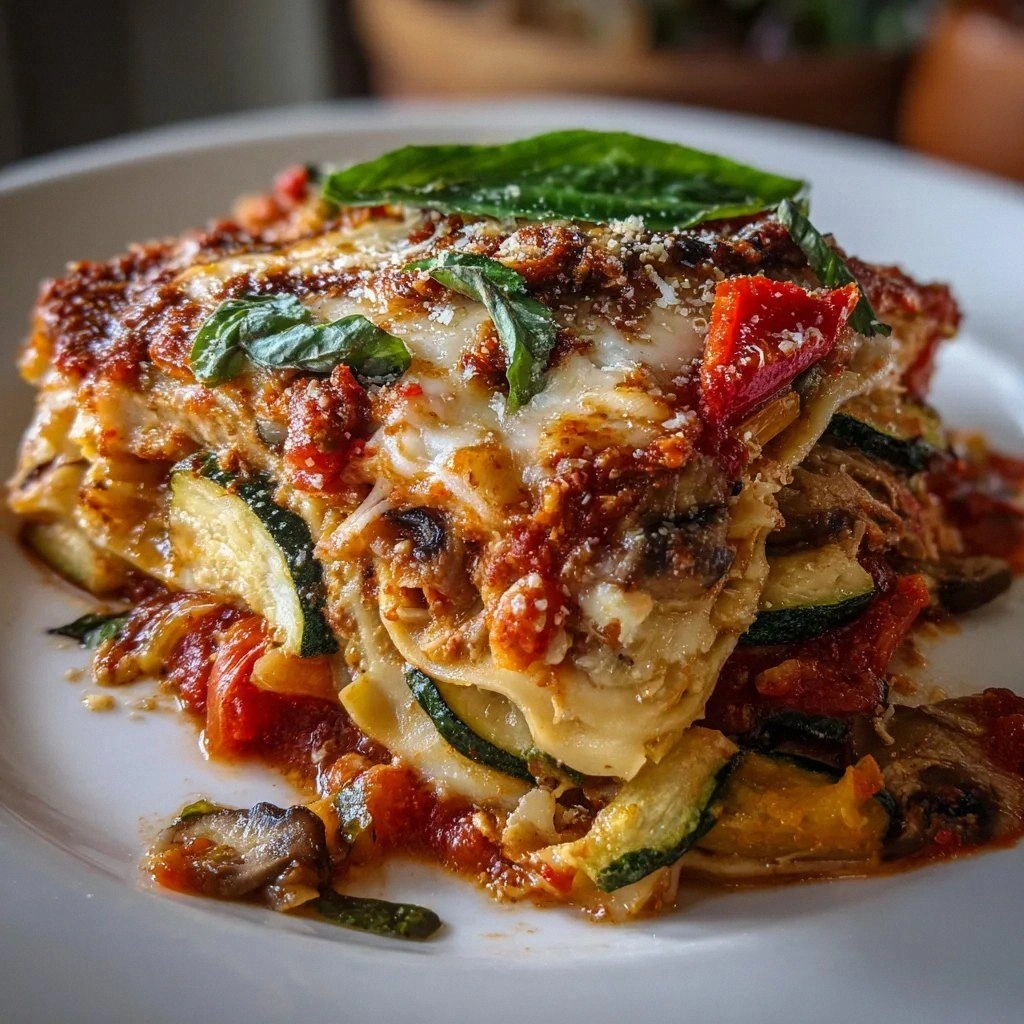
The Method — Step by Step
- Preheat your oven to 375°F (190°C). While it heats, spread the zucchini, bell peppers, and mushrooms on a baking sheet, drizzle with olive oil, and season with salt, pepper, and half of the Italian seasoning. Roast for 15 minutes, then stir and roast for an additional 10 minutes until edges are caramelized. The smell of the veggies roasting is the first hint that this dish will be unforgettable.
- In a saucepan, heat the marinara sauce over medium heat until it begins to bubble gently. Stir in the remaining Italian seasoning and a splash of balsamic vinegar. Let it simmer for 5 minutes, then remove from heat. This step locks in the flavor and ensures the sauce coats the noodles perfectly.
- Cook the lasagna noodles according to package instructions until al dente, then drain and rinse under cold water to stop the cooking process. Set aside. The noodles should still have a slight bite; they’ll soften slightly during baking.
- In a large bowl, combine the ricotta, half of the shredded mozzarella, and the grated parmesan. Mix until smooth. This cheese blend will create a creamy, flavorful layer that holds the vegetables together.
- Grease a 9x13-inch baking dish with a thin layer of olive oil. Spread a thin layer of marinara sauce on the bottom, then lay down the first layer of noodles. Spread a third of the cheese mixture over the noodles, followed by a third of the roasted vegetables and a handful of spinach.
- Repeat the layering process two more times, finishing with a final layer of noodles and the remaining marinara sauce. Sprinkle the remaining mozzarella on top and give it a final dusting of parmesan.
- Cover the dish tightly with foil and bake for 30 minutes. After 30 minutes, remove the foil to allow the cheese to brown and the edges to pull away slightly. This step is crucial for achieving that irresistible golden top.
- Let the lasagna rest for 10 minutes after removing it from the oven. This resting period allows the layers to set, making it easier to cut clean slices. The aroma during this time is the scent of home.
- Serve hot, garnished with fresh basil or a drizzle of olive oil if desired. Pair with a crisp green salad or crusty bread to complete the meal. The first bite will feel like a comforting hug.
- If you’re feeling adventurous, add a sprinkle of crushed red pepper flakes for a subtle kick or a handful of sun‑dried tomatoes for extra umami. These additions can elevate the dish to a new level of flavor complexity.
That's it— you did it. But hold on, I've got a few more tricks that'll take this to another level...
Insider Tricks for Flawless Results
The Temperature Rule Nobody Follows
Many cooks bake lasagna at 400°F, but that can dry out the noodles. Lower the temperature to 375°F and add a splash of water to the bottom of the dish. This creates steam that keeps the lasagna moist and prevents the cheese from becoming rubbery.
Why Your Nose Knows Best
Before you lift the foil, give the dish a quick sniff. If you can’t smell the caramelized veggies and the rich marinara, it’s not ready. Trust your nose; it’s the ultimate judge of doneness.
The 5‑Minute Rest That Changes Everything
Letting the lasagna rest for 10 minutes after baking is essential. It allows the cheese to set, so you can slice cleanly. I once skipped this step and ended up with a gooey mess that looked like a pasta soup.
Use a Food Processor for a Quick Spin
If you’re short on time, pulse the roasted veggies in a food processor to create a chunky puree. This reduces the roasting time and adds a smooth texture that blends seamlessly with the sauce.
Make‑Ahead Assembly
Assemble the lasagna a day in advance, cover tightly, and refrigerate. When you’re ready to bake, simply add 10 minutes to the cooking time. The flavors meld together beautifully, and you’ll have a stress‑free dinner night.
Creative Twists and Variations
This recipe is a playground. Here are some of my favorite ways to switch things up:
Sunset Veggie Lasagna
Swap zucchini and bell peppers for a mix of roasted butternut squash and red onions. The sweet, caramelized flavors mimic a sunset. Pair with a light vinaigrette to keep the dish balanced.
Spinach & Feta Delight
Replace ricotta with a blend of spinach, feta, and Greek yogurt for a tangy, Mediterranean twist. The feta adds a salty bite that complements the roasted veggies.
Meatless Mushroom Medley
Add sliced portobello mushrooms and a splash of soy sauce to the roasted veggies for a umami‑rich, meatless version. The soy sauce deepens the flavor profile and gives the dish a subtle Asian flair.
Spicy Pepper Inferno
Incorporate sliced jalapeños and a pinch of cayenne pepper into the vegetable mix. The heat balances the richness of the cheese and adds an exciting kick.
Cheese Swap Surprise
Use provolone or gouda instead of mozzarella for a different melt and flavor. These cheeses add a creamy, slightly nutty taste that pairs well with the roasted vegetables.
Herb‑Infused Layer
Stir fresh basil, oregano, and thyme into the marinara sauce before baking. The fresh herbs brighten the dish and create a fragrant, herbaceous finish.
Storing and Bringing It Back to Life
Fridge Storage
Store leftover lasagna in an airtight container for up to 4 days in the refrigerator. Before reheating, add a splash of water or broth to the bottom of the dish to keep the noodles from drying out.
Freezer Friendly
Wrap the lasagna tightly in plastic wrap and then aluminum foil before freezing. It stays good for up to 2 months. Thaw overnight in the fridge before reheating.
Best Reheating Method
Reheat in a preheated oven at 350°F for 20 minutes, uncovered, until hot throughout. The cheese should be bubbly and the edges slightly crisp. The tiny splash of water before reheating steams the lasagna back to perfection.