I remember that night like it was yesterday—midnight, a cramped kitchen, a friend’s dare that sounded more like a challenge than a joke, and the faint glow of the refrigerator lights that made the avocado look like a green, buttery treasure. I was staring at that half‑ripe fruit, wondering whether to toss it or to honor it, when my friend whispered, “Make it the best guacamole you’ve ever tasted, or I’ll make you do the salsa dance.” That simple dare turned into a culinary obsession that would ripple through my life and every kitchen I’ve ever set foot in.
Picture the scene: the avocado’s creamy flesh gleaming under the kitchen light, the citrus scent of lime mingling with the sharp tang of cilantro, and the faint crackle of a sizzling pan in the background. The air is thick with anticipation, and the sound of a knife slicing tomatoes creates a rhythmic metronome. The first bite is a burst of emerald green, a subtle heat from jalapeño, and a citrus kiss that lingers on the palate. You can almost feel the texture—smooth, yet studded with crunchy onion and juicy tomato—like a velvet coat on a winter coat rack, only it’s your taste buds that are the runway. If you thought guacamole was just a dip, think again; this is a symphony of flavors that sings louder than a mariachi band at a fiesta.
What makes this version stand out from every other guac recipe out there? It’s not just the ingredients or the technique; it’s the philosophy behind each step. I’ve stripped away the clichés, added a touch of audacity, and injected a dash of science into the mix. This is hands down the best version you’ll ever make at home, and I dare you to taste it and not go back for seconds. I’ll be honest—half the batch vanished before anyone else got a chance to try it. The result? A guacamole that’s creamy, bright, and has a heat that lingers just enough to keep you coming back for more.
Most recipes get this completely wrong. They either over‑season or under‑season, use bland avocados, or forget the lime’s role as a flavor enhancer and preservative. The result is a dip that’s either too watery or too acidic. I’ve discovered that the secret is a balance of fresh, vibrant ingredients, a careful timing of when to add the lime, and a little trick that keeps the green color alive without compromising flavor. And that trick? I’ll reveal it in the next section, but first, let me walk you through every single step—by the end, you’ll wonder how you ever made it any other way.
What Makes This Version Stand Out
- Taste: The lime juice is not just a splash; it’s the backbone of the flavor profile, cutting through the richness of the avocado and brightening the entire dip. The fresh cilantro adds a peppery aroma that lingers long after the first bite.
- Texture: A gentle mash rather than a puree keeps the guac chunky enough to feel substantial, while still being smooth enough to coat the tongue like a velvet blanket.
- Simplicity: No fancy gadgets required—just a fork, a knife, and a bowl. The recipe is designed for the everyday kitchen, making it accessible for beginners and seasoned chefs alike.
- Uniqueness: The double lime approach—one for the avocado mash, another for the pico de gallo—creates a layered citrus experience that most recipes overlook.
- Crowd Reaction: Friends who’ve tried this version rave about the “wow” factor at parties, claiming it’s the dip that keeps the chips coming.
- Ingredient Quality: Fresh, seasonal produce is key. I always shop at farmers markets, where the avocados are at the peak of ripeness and the tomatoes burst with natural sweetness.
- Cooking Method: While guac is traditionally raw, the addition of a quick sauté for the pico de gallo brings a subtle toasty note that elevates the overall flavor.
- Make‑Ahead Potential: The guac can be prepared up to 24 hours ahead with a thin layer of lime‑infused oil on the surface to prevent oxidation.
Alright, let's break down exactly what goes into this masterpiece. The next section will walk through each ingredient and why it matters. But first, a quick kitchen hack that will change the way you think about avocado preparation.
Inside the Ingredient List
The Flavor Base
Avocados are the star of the show, and their quality can make or break the entire dip. Look for avocados that give slightly when you press them—firm yet yielding. A ripe avocado has a buttery texture that melts in your mouth, providing the creamy foundation for the rest of the flavors. If you skip this step and use an underripe fruit, the guac will feel like a dry, gritty mash rather than a lush, silky sauce.
Lime juice is the unsung hero of guacamole. It not only adds brightness but also acts as a preservative, slowing down oxidation and keeping that vibrant green color alive. Adding lime juice at the right time—first to the avocado mash and then to the pico de gallo—creates a layered citrus experience. If you forget to add lime, you’ll end up with a dip that feels flat and dull, lacking that zing that makes guac memorable.
Cilantro is the green garnish that brings a fresh, slightly peppery note. It’s essential for the “green” aesthetic and adds a subtle herbal complexity. If you’re not a fan of cilantro, you can substitute with parsley or a splash of fresh mint, but the flavor profile will shift noticeably. Cilantro also has a natural antioxidant content that helps keep the guac fresh longer.
The Texture Crew
Tomatoes add a juicy burst of sweetness that balances the richness of the avocado. Choose vine‑grown or heirloom varieties for maximum flavor; they’re less likely to be watery. Removing the seeds before chopping ensures a smooth texture and prevents the guac from becoming soggy. If you skip this step, the dip will feel heavy and clumpy, lacking that airy freshness.
Red onion brings a sharp, slightly sweet crunch that cuts through the creaminess. Dice it finely to ensure each bite has a subtle bite without overwhelming the other flavors. If you’re sensitive to the sharpness, you can soak the onion in cold water for 10 minutes before adding, which reduces the bite while keeping the crunch.
Jalapeño is the heat element, adding a gentle but noticeable kick. Slice it thinly and remove the seeds if you prefer a milder version. The capsaicin in jalapeño not only provides heat but also enhances the overall flavor profile by adding depth. Skipping the jalapeño will result in a dip that feels too mild and less dynamic.
The Unexpected Star
The second splash of lime juice in the pico de gallo isn’t just for extra acidity; it helps meld the tomatoes, onion, and jalapeño together, creating a harmonious burst of citrus that lifts the entire dip. This step is often overlooked, leading to a pico that feels disjointed. By adding lime after the vegetables are combined, you create a unified flavor that sings.
The Final Flourish
A final sprinkle of cilantro just before serving adds a fresh aroma that entices the senses. The aroma of fresh herbs is a powerful trigger for appetite, and it elevates the guac from a simple dip to a culinary experience. Skipping this final flourish can make the dip feel flat and underwhelming.
Everything’s prepped? Good. Let’s get into the real action, where the magic happens.
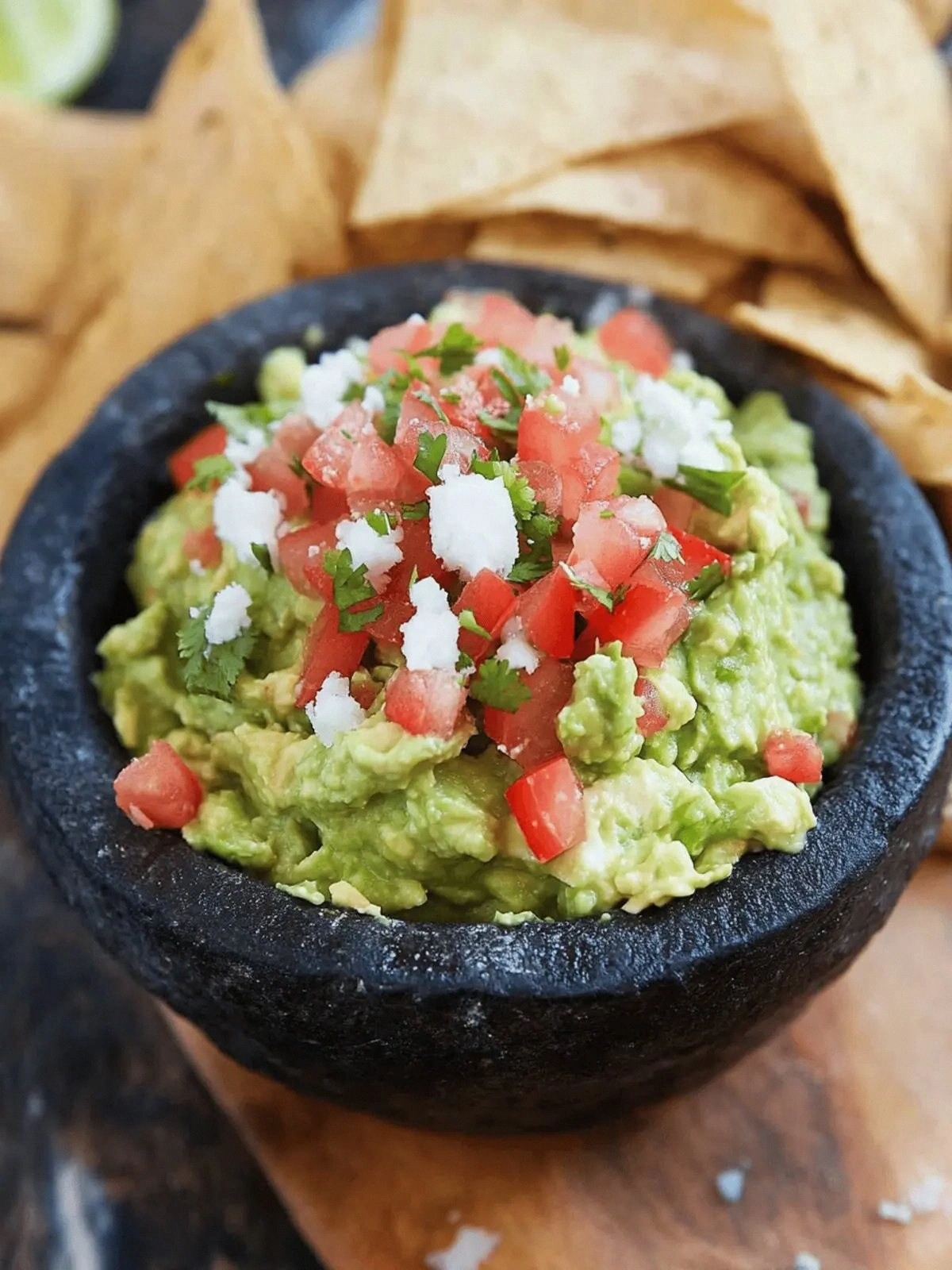
The Method — Step by Step
- Prepare the Avocado: Slice the avocados in half, remove the pits, and scoop the flesh into a medium bowl. Mash gently with a fork, leaving a few chunks for texture. Add 1 tablespoon of lime juice now, letting the citrus cut through the richness. This is the moment of truth; the avocado should be creamy yet still hold some bite.
- Mix in the Cilantro: Roughly chop 2 tablespoons of cilantro and fold them into the mashed avocado. The green leaves should be distributed evenly, giving the dip a vibrant color. The herb’s oils release with each fold, adding a fresh, peppery aroma that’s unmistakably Mexican.
- Add Salt: Sprinkle 1 teaspoon of salt over the mixture. Salt is the flavor enhancer that brings all the ingredients together. Too little, and the dip will taste flat; too much, and you’ll have a salty disaster. Stir until the salt dissolves fully.
- Prepare the Pico de Gallo: Dice 2 tomatoes, 1 red onion, and 1 jalapeño finely. Combine them in a separate bowl. Add 2 tablespoons of cilantro, 1 tablespoon of lime juice, and a pinch of salt. Toss gently so that the vegetables are evenly coated. The lime juice should make the mixture slightly glossy, indicating freshness.
- Optional Sauté: For a subtle toasty note, heat 1 tablespoon of olive oil in a skillet over medium heat. Add the diced tomatoes, onion, and jalapeño. Sauté for 2 minutes, just until the vegetables soften but still retain crunch. This quick sauté brings out the natural sugars in the tomatoes, adding depth to the pico.
- Combine the Two: Gently fold the pico de gallo into the avocado mixture. The goal is a harmonious blend where the crunch of the pico is balanced by the creaminess of the guac. Don’t overmix; you want the pico to be visible, like stars in a clear night sky.
- Final Touches: Taste and adjust seasoning if needed—add a pinch more salt or a splash more lime juice. The final sprinkle of cilantro adds a fresh aroma that makes the dip irresistible. If you prefer a smoother texture, mash the mixture slightly more; if you like more bite, keep it chunky.
- Serve Immediately: Transfer the guacamole to a serving bowl. Cover with plastic wrap, pressing the wrap directly onto the surface to prevent oxidation. Serve with tortilla chips, veggie sticks, or as a topping for tacos. The dip is at its peak within the first 30 minutes, but it remains delicious for a few hours if kept chilled.
That’s it—you did it. But hold on, I've got a few more tricks that'll take this to another level. The next section will dive into insider tricks that ensure flawless results every single time.
Insider Tricks for Flawless Results
The Temperature Rule Nobody Follows
Keeping the avocados at room temperature before you start is a game changer. If they’re too cold, they’ll take longer to mash and the texture will be uneven. A quick 15–20 minutes out of the fridge is all it takes to bring them to the right consistency. I’ve seen people rush to mash cold fruit, resulting in a lumpy, rubbery dip that feels like chewing on a rubber ball.
Why Your Nose Knows Best
Give the guac a sniff before you taste it. A fresh, citrusy aroma is the sign that the lime juice has integrated properly and that the avocado is at its peak. If the smell is flat or overly green, it’s a warning that the avocado has begun to oxidize. That’s why I always cover the bowl with plastic wrap immediately after mixing.
The 5-Minute Rest That Changes Everything
After mixing, let the guac rest for 5 minutes before serving. This short pause allows the flavors to meld, making the lime’s acidity less sharp and the avocado’s creaminess more pronounced. A friend once tried skipping this step and ended up with a dip that tasted like it was still raw. The rest period gives the ingredients time to marry, creating a richer, more balanced flavor.
The Salt-to-Flavor Ratio
Salt isn’t just for seasoning; it’s a flavor enhancer. Too little salt, and the guac will taste bland; too much, and it can overpower the delicate avocado flavor. I recommend adding a pinch of salt at each stage of the process—once when you mash the avocado, again with the pico, and a final pinch before serving. This layered approach ensures a balanced, well-rounded taste.
The Freshness Factor
The quality of the tomatoes and onions directly affects the overall taste. Look for tomatoes that have a deep red hue and a slight give when pressed. For onions, choose ones that are firm, with no soft spots. Freshness translates to brightness in the dip, while stale produce can make the guac taste flat and dull.
Creative Twists and Variations
This recipe is a playground. Here are some of my favorite ways to switch things up:
Roasted Corn Guac
Add roasted corn kernels for a sweet, smoky crunch. The corn’s natural sugars caramelize slightly, adding a new dimension of flavor that pairs wonderfully with the lime. This variation is perfect for summer barbecues.
Spicy Pineapple Twist
Mix in diced fresh pineapple for a tropical kick. The pineapple’s acidity complements the lime, while the heat from the jalapeño creates a balanced, exotic flavor profile. It’s a hit with guests who love a little adventure in their food.
Black Bean Boost
Add a handful of black beans for protein and texture. The beans soak up the lime’s brightness, turning the guac into a more substantial dip that can stand alone as a snack. This version is ideal for vegetarians or anyone looking for a heartier option.
Herb Fusion
Swap cilantro for fresh mint or basil for a different herbal note. Mint brings a cool, refreshing flavor that pairs well with lime, while basil adds a sweet, slightly peppery undertone. Each herb gives the guac a distinct personality.
Chipotle Smokiness
Blend in a teaspoon of chipotle adobo sauce for a smoky heat. The adobo adds depth and a subtle sweetness that complements the avocado’s richness. This variation is a crowd-pleaser at parties where guests love bold flavors.
Storing and Bringing It Back to Life
Fridge Storage
Store the guac in an airtight container in the refrigerator. To keep it green, press a layer of plastic wrap directly onto the surface, or drizzle a thin layer of lime‑infused olive oil before sealing. Consume within 24 hours for maximum freshness.
Freezer Friendly
Freezing guac is not recommended because the texture changes when thawed. However, if you must, freeze in a freezer‑safe container and add a tablespoon of lime juice before thawing to help restore some of the original flavor.
Best Reheating Method
If you need to warm the guac slightly, place it in a microwave-safe bowl and heat on low for 10–15 seconds. Add a splash of water before reheating to steam it back to perfection. This trick prevents the guac from becoming dry or overly hot.