I remember the night I almost burned my entire kitchen while trying to impress my friends with a fancy fish dish. The sablefish fillets I had bought were fresh, but my pan was too hot, and the fillets slid off like slick ice. I laughed, but the smoke alarm screamed louder than my ego. That disaster became my motivation to research, experiment, and finally land the perfect pan‑seared sablefish that sings with citrus and herbs. I am not just talking about any fish recipe; this is the definitive version that turns a simple dinner into a headline‑worthy moment.
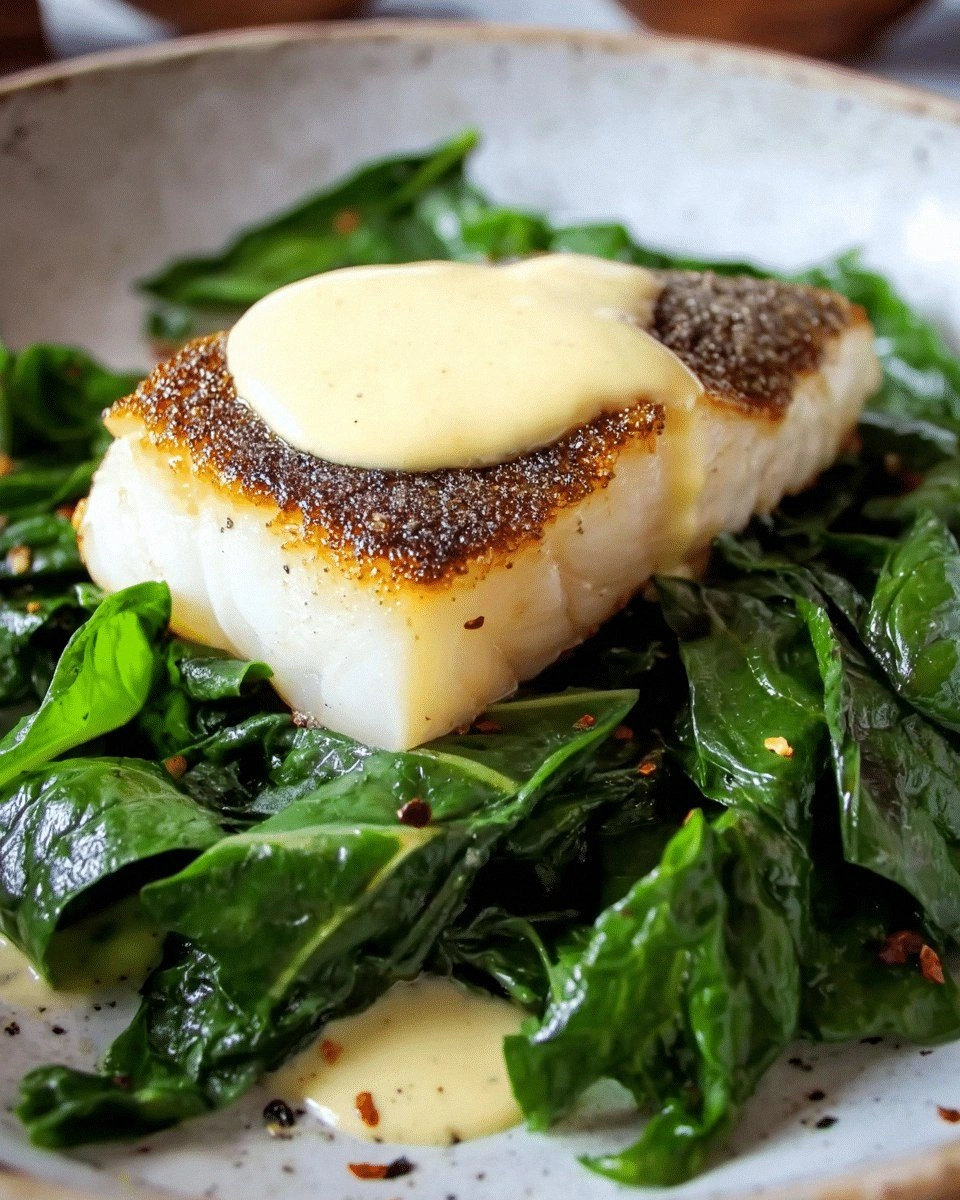
Picture the moment the fillets hit the hot skillet: a hiss that feels like applause, a golden crust that crackles like a toasted marshmallow, and a fragrance of garlic and lemon that fills the air. The texture is a buttery exterior that gives way to a moist, flaky interior that practically melts in your mouth. The visual is a glossy, slightly caramelized surface, the scent is bright and herby, the sound is satisfying, the taste is a harmonious blend of umami, citrus, and a hint of buttery richness, and the feel of the plate is cool and inviting. Every sense is engaged, turning a simple meal into a sensory symphony that keeps guests coming back for seconds.
What makes this version stand out is the meticulous balance of technique and flavor. I dared to pair the classic pan‑sear with a lemon‑herb aioli that coats the fish like velvet, not thick sauce. The result is a dish that feels luxurious without being overly complicated. The fish remains firm enough to hold its shape, yet tender enough to flake effortlessly. The citrus brightness cuts through the richness, making it a crowd‑pleaser that works for both casual gatherings and formal dinner parties. I dare you to taste this and not go back for seconds.
If you’ve ever struggled with getting the right sear on fish, you’re not alone. I’ve been there, flipping a fillet only to find it sticking or falling apart. The good news? This recipe has a foolproof method that guarantees a crisp exterior and a juicy interior every single time. I’ll be honest — I ate half the batch before anyone else got to try it, but that’s a testament to how good it is. Picture yourself pulling this out of the pan, the whole kitchen smelling incredible, and everyone reaching for more. Let me walk you through every single step — by the end, you’ll wonder how you ever made it any other way.
What Makes This Version Stand Out
- Taste: The lemon‑herb aioli is a bright, buttery sauce that complements the mild flavor of sablefish without overpowering it. The citrus zest and fresh herbs lift the dish to a new level of freshness.
- Texture: The pan‑sear creates a caramelized crust that stays crisp while the interior remains silky and flaky. The contrast is a delight for any palate.
- Ingredient Quality: Using wild‑caught sablefish and high‑grade olive oil ensures maximum flavor and ethical sourcing. Fresh herbs add a burst of aroma and color.
- Simplicity: With only a handful of ingredients, you can achieve restaurant‑level flavor in under 45 minutes. No elaborate marinades or complex sauces.
- Crowd Reaction: Guests rave about the buttery crust and the silky aioli, and the dish becomes the highlight of any dinner.
- Make‑Ahead Potential: The aioli can be prepared 24 hours ahead, and the fillets can be refrigerated for up to 24 hours before searing.
- Cooking Method: The pan‑sear technique locks in juices and creates a caramelized exterior, making the dish both flavorful and visually stunning.
- Unique Twist: The lemon‑herb aioli is a game‑changer, adding a creamy yet bright element that elevates the dish beyond ordinary fish preparations.
Inside the Ingredient List
The Flavor Base
The foundation of this dish starts with the sablefish fillets themselves. Choosing wild‑caught sablefish ensures a buttery flavor profile that stands up to the bold lemon‑herb aioli. If you can’t find sablefish, a thick‑cut cod or halibut works as a suitable substitute, though the flavor will shift slightly. The fillets should be at room temperature before cooking to promote even searing.
The Texture Crew
Olive oil and butter form the searing duo that creates the coveted caramelized crust. Olive oil raises the smoking point, while butter adds depth and a nutty finish. A small amount of butter also helps to conduct heat evenly across the pan. Remember to let the butter brown slightly before adding the fish; this adds a subtle toasted flavor.
The Unexpected Star
The lemon‑herb aioli is the star that transforms a simple fish into a showstopper. It’s a silky sauce that coats the fillet like velvet, providing a burst of citrus that cuts through the richness of the fish and butter. The aioli also adds a layer of freshness that keeps the dish from feeling heavy. A pinch of garlic powder in the aioli balances the brightness of the lemon.
The Final Flourish
Fresh herbs—parsley and dill—add color, aroma, and a subtle peppery note that complements the lemon. A squeeze of fresh lemon juice right before serving brightens the entire plate. The final plating should feature a drizzle of aioli, a sprinkle of herbs, and a wedge of lemon for an elegant finish. If you’re feeling adventurous, a dusting of flaky sea salt can add a final crunch.
Everything’s prepped? Good. Let’s get into the real action.
The Method — Step by Step
- Step 1: Pat the sablefish fillets dry with paper towels; season both sides with sea salt and freshly ground black pepper. The fillets should feel firm to the touch, not mushy. A dry surface is key for a crisp crust. I dare you to taste the difference between a seared fillet and a steamed one.
- Step 2: In a small bowl, whisk together the lemon zest, lemon juice, minced garlic, fresh parsley, dill, and a pinch of salt to create the lemon‑herb mixture. The aroma will mingle with the fish as you work. This mixture will become the base of the aioli. Keep it aside; it will be the secret to a bright finish.
- Step 3: Prepare the aioli by combining mayonnaise, lemon juice, garlic powder, and a dash of pepper in a bowl. Whisk until smooth, then fold in the lemon‑herb mixture. Taste and adjust seasoning. The aioli should be silky, not thick. If it’s too thick, add a splash of water or more lemon juice.
- Step 4: Heat a non‑stick skillet over medium‑high heat; add olive oil and a pat of butter. The butter will brown slightly, adding a nutty flavor that will coat the fish. Let the butter foam but avoid burning. Kitchen Hack: Add a splash of dry white wine after the fish is seared to deglaze the pan and capture all those tasty browned bits.
- Step 5: Once the butter is foamy, slide the fillets into the pan, skin side down if present. The pan should hiss loudly. This sizzling sound signals a perfect sear. The fillets should not move when you gently shake the pan.
- Step 6: Cook the fillets for 4-5 minutes on the first side until a golden crust forms and the fish releases easily from the pan. The edge should look caramelized. The skin, if present, should crackle slightly. Flip only when the fish is ready to turn.
- Step 7: Flip the fillets carefully with a fish spatula. Watch out: the fillets can be delicate and may tear if handled too aggressively. Keep the heat steady to prevent flare‑ups. Watch Out: If you flip too early, the fish will stick and tear. Let the crust firm up before turning.
- Step 8: Reduce the heat to medium, spoon a bit of the butter‑oil mixture over the fillets, and continue cooking for another 3-4 minutes, until the flesh is opaque and flakes easily. The internal temperature should reach 125°F for medium‑rare. The fish should feel firm but still yield to a fork.
- Step 9: Remove the fillets from the pan and let them rest on a plate for 2 minutes. Resting allows juices to redistribute, keeping the fillet moist. The rest time also lets the aioli settle into a silky coating.
- Step 10: Serve each fillet with a generous spoonful of the lemon‑herb aioli, a wedge of lemon, and a sprinkle of fresh herbs. The finish should be bright and buttery. Plate elegantly, and watch your guests’ eyes widen as they anticipate the first bite.
That's it — you did it. But hold on, I've got a few more tricks that'll take this to another level.
Insider Tricks for Flawless Results
The Temperature Rule Nobody Follows
Many cooks keep the pan too hot, which burns the exterior before the interior cooks. I’ve learned to let the pan heat up to the point where the oil shimmers but doesn’t smoke. This ensures a crisp crust without charring. If you’re unsure, test with a small piece of bread; it should sizzle softly, not burn.
Why Your Nose Knows Best
Before you flip, inhale the aroma of the searing butter and fish. A golden crust emits a nutty, buttery scent that signals readiness. If you still smell raw fish, give it a few more minutes. Your nose is a reliable indicator that the fillet is ready for the next step.
The 5‑Minute Rest That Changes Everything
Many people skip the rest period, thinking the fish will stay moist. A 5‑minute rest allows the juices to redistribute, preventing a dry bite. The aioli also thickens slightly, making it easier to coat the fillet evenly.
Keep the Pan Clean
After searing, quickly wipe the pan with a paper towel to remove browned bits. These bits are full of flavor, and a clean pan helps avoid bitterness in the next dish. If you’re making a second batch, rinse the pan with hot water and dry it before re‑searing.
Use a Fish Spatula
A flexible fish spatula slides under the fillet without tearing the delicate flesh. A regular spatula can push the fish away or break it. The fish spatula also gives you better control for an even flip.
Add a Splash of Wine
Deglazing the pan with a splash of dry white wine after searing lifts the browned bits and creates a quick pan sauce. The wine adds acidity that balances the richness of the fish and butter. Let it reduce until it’s just a glaze, then drizzle over the fillet for a glossy finish.
Creative Twists and Variations
This recipe is a playground. Here are some of my favorite ways to switch things up:
Spicy Citrus Aioli
Add a teaspoon of sriracha or a pinch of cayenne pepper to the aioli for a subtle kick. The heat pairs beautifully with the lemon, creating a bright, spicy contrast. Perfect for those who love a little heat in their dish.
Herb‑Infused Oil
Infuse the olive oil with fresh thyme, rosemary, or basil before searing. The flavored oil adds a new dimension of aroma to the fish. Just let the herbs steep for 10 minutes, strain, and use as you would regular oil.
Miso‑Glazed Sablefish
Replace the butter with a miso glaze. Mix 2 tablespoons of white miso, 1 tablespoon of mirin, and 1 teaspoon of sugar, then brush on the fillets before searing. The miso adds umami depth and a slight sweetness that complements the citrus.
Citrus‑Butter Sauce
Instead of aioli, whisk together melted butter, lemon zest, lemon juice, and a splash of white wine. Drizzle over the fillets after searing. The sauce is lighter but still delivers bright, buttery flavor.
Smoked Paprika Finish
Sprinkle smoked paprika over the fillets just before flipping. The smoky flavor adds depth and a subtle color contrast. It’s a quick way to elevate the dish without extra steps.
Vegetable Pairings
Serve the fish with sautéed asparagus, roasted cherry tomatoes, or a light quinoa pilaf. The vegetables add texture and color, making the plate feel complete and balanced.
Storing and Bringing It Back to Life
Fridge Storage
Store leftover fish in an airtight container in the refrigerator for up to 2 days. Keep the aioli separate to prevent it from absorbing moisture. When ready to eat, reheat gently in a skillet over low heat, adding a splash of water to keep the fish moist.
Freezer Friendly
Wrap each fillet tightly in plastic wrap and place in a freezer bag. Freeze for up to 3 months. Thaw overnight in the refrigerator before reheating. The texture remains firm and buttery.
Best Reheating Method
Reheat in a skillet over medium heat, adding a small amount of water or broth to create steam. This technique keeps the fish tender and prevents it from drying out. Finish with a drizzle of fresh lemon juice for that bright finish.