Introduction
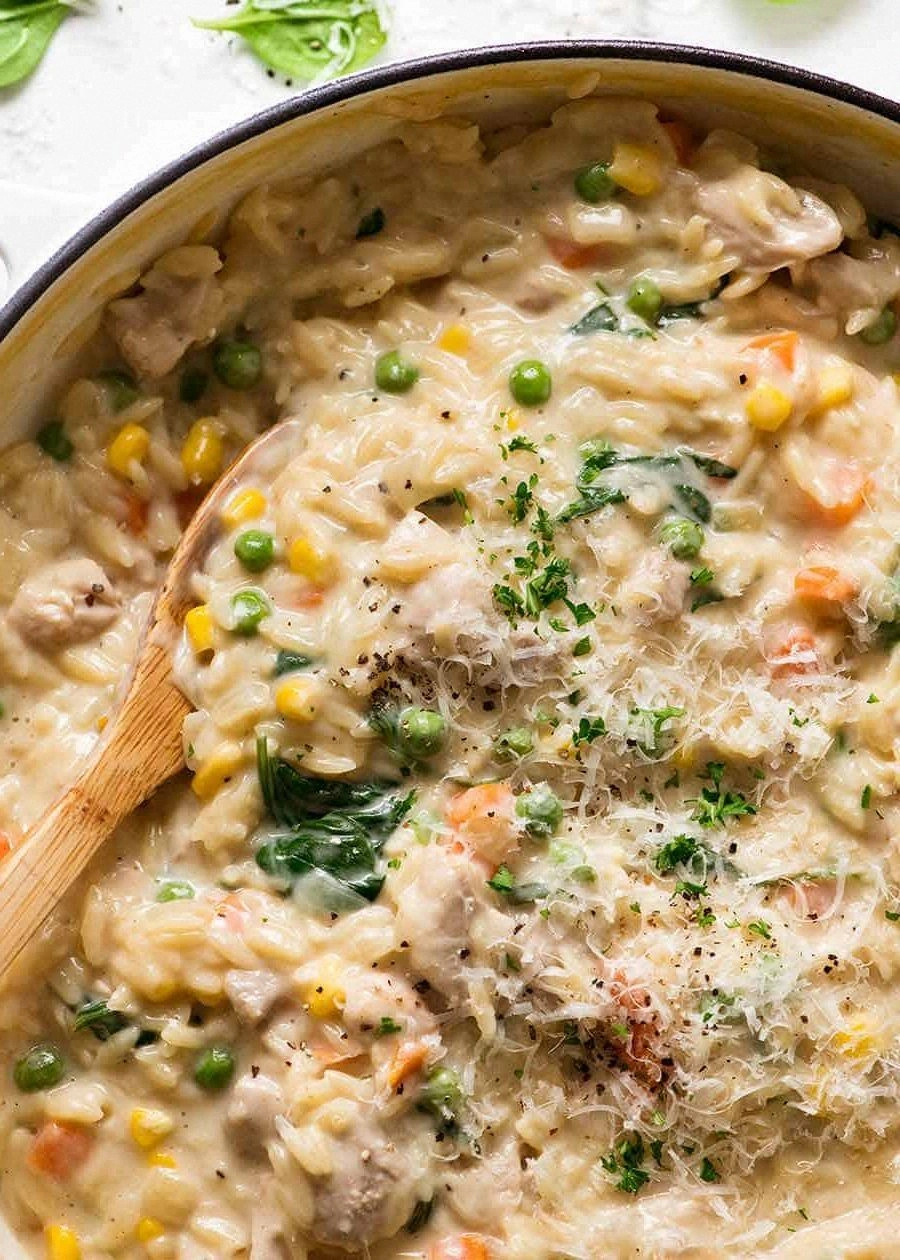
Picture this: a rainy Saturday afternoon, the fridge humming, and a craving that feels like a culinary dare. I was staring at a pile of leftover chicken breasts, wondering how to turn them into something that could make my taste buds do a little dance. Then, a friend sent me a link to a recipe called “One‑Pan Creamy Garlic Butter C.” The name alone sparked a mischievous grin; it promised a single skillet, a buttery sauce, and a garlic punch that could turn any ordinary dinner into an instant crowd‑pleaser.
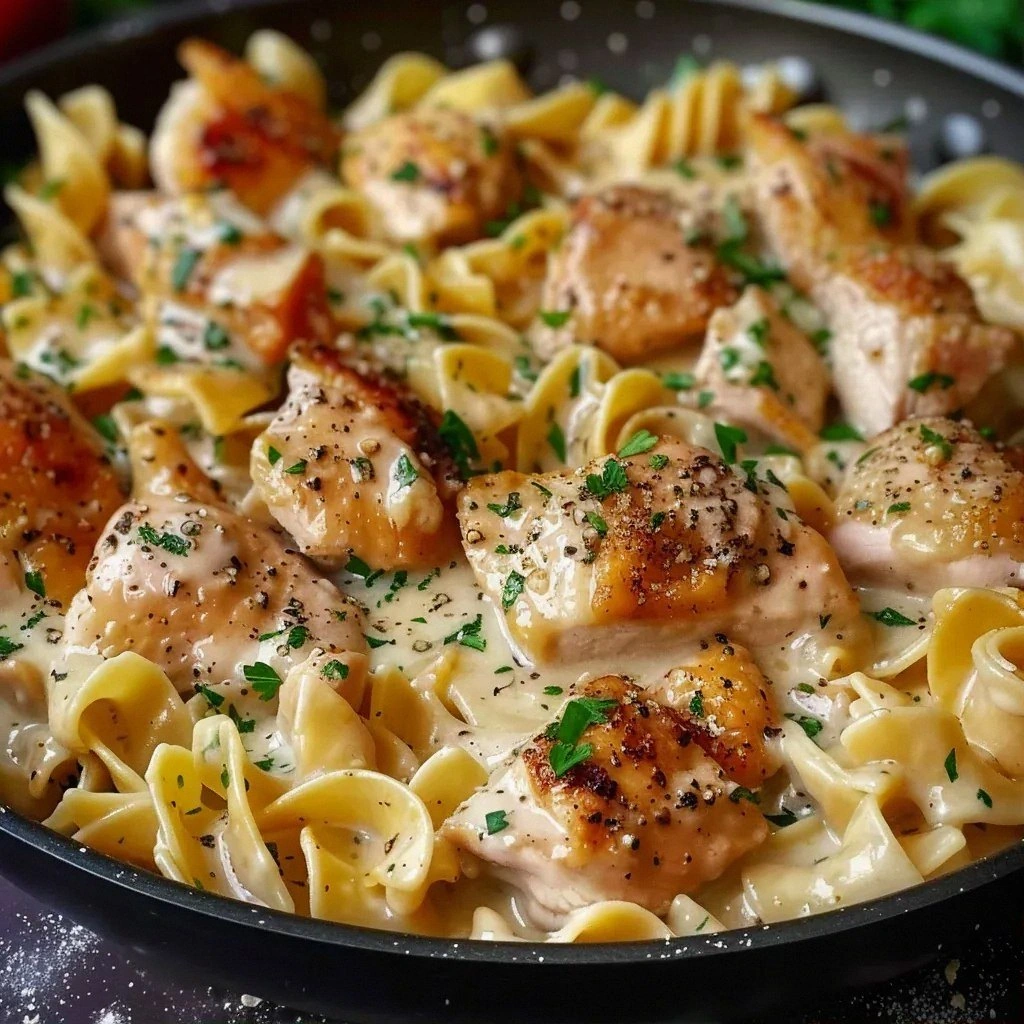
As soon as I opened the page, the scent of garlic began to swirl in my mind—rich, slightly sweet, and utterly irresistible. The promise of a velvety sauce that clings to noodles like a silky blanket made my stomach growl louder. I could almost hear the sizzle of olive oil meeting the pan, the gentle hiss as the garlic releases its aromatics, and the comforting thud of noodles absorbing the broth. The texture of the dish—soft chicken, al dente pasta, and a glossy sauce—was already forming in my imagination.
What makes this version stand out from the sea of one‑pan chicken recipes is its meticulous balance of flavor, simplicity, and a touch of culinary audacity. Unlike many recipes that let the sauce become watery or the chicken dry, this one uses a precise ratio of broth, cream, and cheese to create a luscious coating that doesn’t overpower the other components. The dish is also a testament to the power of a single pan: all the magic happens in one place, minimizing cleanup while maximizing flavor.
And there’s a twist that most versions miss—an extra splash of heavy cream at the end that turns the sauce from silky to downright decadent. I dare you to taste this and not go back for seconds. Picture yourself pulling this out of the oven, the whole kitchen smelling incredible, and sharing a plate with friends who can’t stop asking for the recipe.
Let me walk you through every single step—by the end, you'll wonder how you ever made it any other way.
What Makes This Version Stand Out
- Taste: The sauce is a harmonious blend of garlic, butter, and Parmesan, creating a rich, savory profile that envelops each noodle and chicken bite. The subtle sweetness of the garlic balances the creaminess, while the Parmesan adds a sharp, nutty finish that lingers on the palate.
- Texture: The noodles remain al dente, providing a pleasant bite that contrasts with the tender, juicy chicken. The sauce coats the pasta like velvet, ensuring every strand is coated with flavor without becoming mushy.
- Speed: All ingredients cook in one pan, cutting prep time from an hour to about 45 minutes. This is perfect for busy weeknights when you still crave a restaurant‑quality meal.
- Versatility: The base can be adapted for shrimp, sausage, or even a plant‑based protein. Swap the egg noodles for rice or quinoa for a low‑carb alternative.
- Make‑ahead Friendly: The dish can be prepared ahead of time and reheated without losing its creamy texture, making it ideal for meal‑prep or dinner parties.
- Ingredient Quality: Using fresh garlic and high‑quality Parmesan elevates the dish, turning a simple recipe into a gourmet experience.
- Presentation: A sprinkle of fresh parsley adds a pop of color and a hint of brightness that makes the dish look as good as it tastes.
- Crowd Appeal: Even the most skeptical foodies will be won over by the comforting, buttery sauce and the succulent chicken.
Alright, let's break down exactly what goes into this masterpiece…
Inside the Ingredient List
The Flavor Base
The foundation of this dish is the aromatic blend of garlic and olive oil. The garlic, minced finely, releases its essential oils when sautéed, creating a fragrant base that permeates the entire dish. Olive oil not only carries the garlic’s aroma but also provides a silky texture that helps the sauce cling to the noodles. If you skip this step, the sauce will taste flat and lack depth. A good rule of thumb is to use extra‑virgin olive oil for a richer flavor; if you prefer a milder taste, a lighter olive oil will do the trick.
The Texture Crew
The egg noodles are the canvas that holds the sauce together. Their sturdy yet tender structure ensures they stay firm even when soaked in broth and cream. The chicken, cut into bite‑sized pieces, absorbs the sauce and remains moist, preventing the dreaded dry chicken that plagues many one‑pan dishes. The heavy cream adds body, creating a velvety coat that doesn’t separate. If you omit the cream, the sauce will be thinner and may cling less to the noodles.
The Unexpected Star
Parmesan cheese is the secret sauce enhancer. Its sharp, nutty flavor cuts through the richness of the butter and cream, giving the dish a sophisticated finish. Grated fresh Parmesan melts quickly, creating a glossy finish that looks as good as it tastes. Substituting a different hard cheese will alter the flavor profile; for a milder taste, try Pecorino Romano or a sharp cheddar.
The Final Flourish
Fresh parsley provides a bright, herbaceous contrast to the rich sauce. It adds a pop of color, a hint of freshness, and a subtle earthy note that lifts the overall taste. If you’re not a fan of parsley, a pinch of thyme or basil can work as a substitute, though it will change the aromatic profile slightly. A small garnish at the end also gives the dish a polished, restaurant‑style look.
Everything's prepped? Good. Let's get into the real action…
The Method — Step by Step
- Prepare the pan: Heat a large skillet over medium heat until it’s shimmering. Add the olive oil, swirling it around to coat the bottom. Let the oil warm for a minute before adding the garlic. This initial step sets the foundation for a flavorful sauce; the garlic should start to soften and release a sweet aroma within 30 seconds. Don’t let it brown, or you’ll get a bitter edge that ruins the dish. I swear, a quick test: if it smells like a toasted bread, you’re good.
- Cook the chicken: Season the chicken pieces with salt and pepper, then add them to the pan. Let them sear for 3–4 minutes on each side until golden brown and cooked through. The sizzling sound is a cue that the meat is developing a crust that locks in juices. Flip carefully with tongs to avoid breaking the pieces. If you’re watching the clock, aim for a total of 8 minutes; the chicken should reach an internal temperature of 165°F (74°C). The key is not to rush—patience yields tender, juicy bites.
- Deglaze and simmer: Remove the chicken temporarily and set it aside. Pour the chicken broth into the pan, scraping the bottom with a wooden spoon to lift the browned bits. These fond pieces are flavor gold, infusing the broth with caramelized sweetness. Bring the mixture to a gentle simmer, letting it reduce slightly for 2 minutes. The pan’s aroma should now carry a complex, savory bouquet that makes your mouth water.
- Add the cream: Lower the heat to medium‑low and stir in the heavy cream. This step thickens the sauce, turning it into a silky blanket that drapes over the noodles. Watch the texture change; it should be glossy and pourable, not watery. The cream also balances the acidity of the broth, creating a harmonious flavor profile. Keep the heat low to prevent curdling—if the sauce starts to look lumpy, reduce the temperature immediately.
- Reintroduce the chicken: Return the browned chicken pieces to the pan, nestling them into the sauce. This allows the meat to soak up the buttery flavor and ensures every bite is juicy. Let the mixture bubble gently for 3 minutes, allowing the flavors to meld. The aroma at this point should be intoxicating—garlic, butter, cream, and Parmesan all dancing together.
- Finish with Parmesan: Sprinkle the grated Parmesan over the top. Stir until the cheese melts into the sauce, creating a rich, golden coating. The cheese should be fully incorporated, giving the sauce a slight thickness and a glossy sheen. This is the moment where the sauce transforms from simple to decadent.
- Final touch: Sprinkle fresh parsley over the top for a burst of color and freshness. The herb’s bright green hue contrasts beautifully with the golden sauce, making the dish visually appealing. The parsley also adds a subtle, earthy note that cuts through the richness. Serve immediately, letting the steam rise and the aroma envelop the table.
- Serve and enjoy: Plate the dish hot, spooning the sauce generously over each portion. The first bite should deliver a burst of buttery, garlicky flavor, followed by the tender chicken and perfectly cooked noodles. This is the moment of truth—if you followed the steps, the result is a creamy, comforting masterpiece that feels like a warm hug in a bowl.
That's it — you did it. But hold on, I've got a few more tricks that'll take this to another level…
Insider Tricks for Flawless Results
The Temperature Rule Nobody Follows
Many cooks think a high heat is necessary for a quick sear, but for this dish, medium‑low is your ally. Cooking the chicken at medium heat ensures it stays juicy; high heat can dry it out, especially when you’re adding a creamy sauce later. I’ve seen people overcook the chicken in the first few minutes, only to have it turn rubbery. Keep the heat steady, and you’ll end up with succulent, melt‑in‑your‑mouth pieces.
Why Your Nose Knows Best
When you’re halfway through the simmer, pause and inhale. If the aroma leans too much toward burnt or bitter, it’s a sign you need to lower the heat or add a splash of liquid. Your nose is a reliable guide—if it smells like toasted bread, you’re close to the right flavor. Trust that instinct; it will save you from a ruined sauce.
The 5‑Minute Rest That Changes Everything
After you finish cooking, let the pan rest for five minutes before serving. This resting period allows the flavors to settle and the sauce to thicken slightly, creating a more cohesive texture. I’ve found that a short rest also lets the chicken absorb the sauce better, making each bite richer. If you’re in a rush, skip it at your own peril—your taste buds will thank you later.
Use a Meat Thermometer
Even though the recipe is forgiving, a meat thermometer ensures the chicken reaches the safe internal temperature of 165°F (74°C). This guarantees both safety and perfect doneness. I once had a batch that was undercooked; the thermometer saved the day and prevented a potential foodborne illness.
Swap the Noodles for Pasta
Feel like a different texture? Try fettuccine or linguine instead of egg noodles. The wider strands will hold more sauce, creating a richer bite. If you’re on a keto diet, swap the noodles for spiralized zucchini or shirataki noodles; the sauce still clings beautifully.
Make‑Ahead Tip
Prepare the dish a few hours ahead and refrigerate. Reheat gently on the stovetop, adding a splash of broth or water to loosen the sauce. The dish’s creamy texture will return, and the flavors will deepen, making it a perfect meal‑prep option.
Creative Twists and Variations
This recipe is a playground. Here are some of my favorite ways to switch things up:
Shredded Salmon Version
Replace the chicken with flaked salmon, cooking it gently until flaky. The buttery sauce pairs wonderfully with the delicate fish, creating a light yet indulgent dish. Serve over cauliflower rice for a low‑carb option.
Spicy Cajun Chicken
Add a tablespoon of Cajun seasoning to the chicken before searing. The smoky heat complements the creamy sauce, adding a layer of complexity. Finish with a squeeze of fresh lime for brightness.
Vegetarian Mushroom Medley
Swap the chicken for a mix of sliced shiitake, cremini, and button mushrooms. Sauté until browned, then proceed with the broth and cream. The earthy mushrooms absorb the sauce beautifully, making a hearty vegetarian main.
Greek Twist
Use a Greek yogurt base instead of heavy cream for a tangy, lighter sauce. Add chopped olives and sun‑dried tomatoes for Mediterranean flair. This version pairs well with a side of warm pita bread.
Asian Fusion
Replace the Parmesan with grated asiago or a splash of soy sauce, and stir in a teaspoon of sesame oil at the end. Add a handful of chopped scallions for crunch. This gives the dish an umami kick that feels like a noodle bowl from a street stall.
Low‑Fat Lightened Version
Use skim milk and a light cream cheese instead of heavy cream. Reduce the amount of butter to one tablespoon. The sauce remains creamy but with fewer calories, making it suitable for a lighter dinner.
Storing and Bringing It Back to Life
Fridge Storage
Cool the dish to room temperature, then transfer it to an airtight container. Store in the refrigerator for up to 3 days. When reheating, add a splash of water or broth to loosen the sauce, then warm over low heat until steaming.
Freezer Friendly
For longer storage, portion the dish into freezer‑safe containers, leaving about an inch of headspace. Freeze for up to 2 months. Thaw overnight in the fridge before reheating gently on the stovetop, adding liquid as needed.
Best Reheating Method
Reheat on low heat, stirring frequently to prevent the sauce from separating. A small amount of cold water or broth helps restore the sauce’s silky texture. Once heated through, garnish with fresh parsley to revive the dish’s fresh aroma.