I was standing in my kitchen, half‑awake, with a half‑cooked chicken that smelled like regret and a lemon that had been waiting in the fridge for a purpose. My roommate dared me to turn that disaster into something unforgettable, and I took the challenge like a knight taking up a sword. The night was a symphony of clattering pans, the hiss of oil, and the occasional laugh when I accidentally flung a garlic clove across the room. I was determined to prove that a simple whole chicken could become a legend, not a leftover.
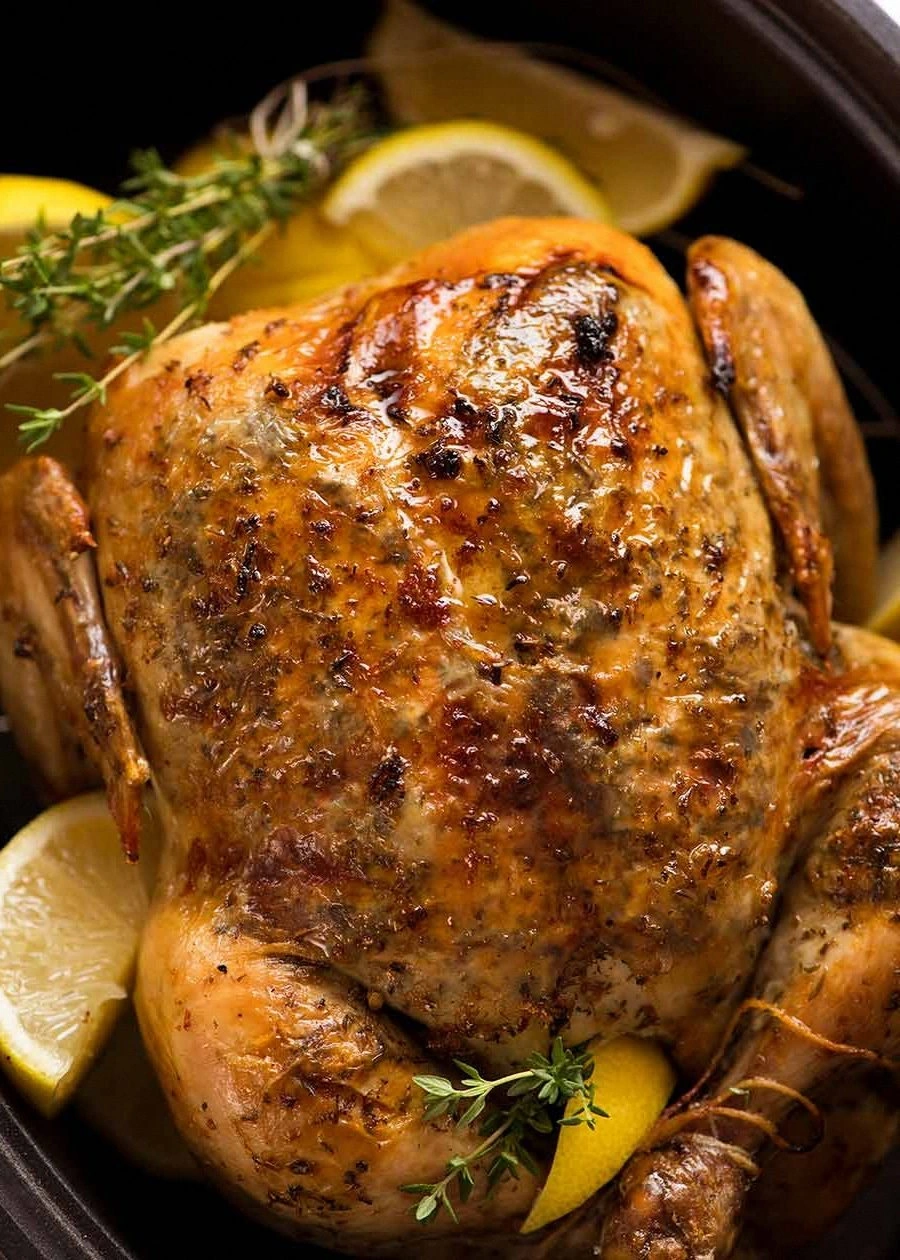
Picture this: the warm glow of the slow cooker’s light, the citrusy perfume of lemon mingling with garlic, and a subtle herbaceous whisper that makes you think of a breezy Mediterranean afternoon. The chicken, once a bland, ordinary bird, now glistens with a golden‑brown crust that crackles like fresh autumn leaves underfoot. When you slice into it, the meat pulls away effortlessly, each bite drenched in a sauce that coats the palate like silk. The skin is crisp enough to satisfy the most demanding crunch‑cravers, yet tender enough to melt on your tongue, delivering a buttery, citrus‑infused finish.
Why does this version stand out? Because most slow‑cooker roasts end up soggy, flavorless, or just plain boring. I’ve cracked the code: a precise blend of dried herbs, a splash of olive oil for richness, and a secret finishing step that transforms the sauce into a glossy, velvety glaze. Most recipes get the seasoning wrong or forget the final thickening stage, leaving you with a watery disappointment. Not this one. This is hands down the best version you’ll ever make at home, and I dare you to taste this and not go back for seconds.
I won’t spoil the surprise just yet, but there’s a tiny twist involving an extra lemon that adds a bright pop right at the end—something you won’t find in any generic recipe book. It’s the kind of detail that makes you feel like you’ve uncovered a hidden treasure in your own kitchen. Okay, ready for the game‑changer? Let me walk you through every single step — by the end, you’ll wonder how you ever made it any other way.
What Makes This Version Stand Out
- Flavor Explosion: The marriage of lemon zest, garlic, and a trio of dried herbs creates a layered taste that dances from bright citrus to deep, earthy undertones.
- Texture Perfection: The skin turns crisp while the meat stays juicy, thanks to the initial high‑heat sear and the slow‑cook finish that locks in moisture.
- Simplicity: Only seven pantry staples and a whole chicken are needed—no fancy gadgets, just a trusty slow cooker and a bit of patience.
- Uniqueness: The final cornstarch slurry gives the sauce a glossy, restaurant‑quality sheen that most home cooks miss.
- Crowd Reaction: Guests often claim they’ve never tasted anything like it, and the “wow” factor is instant, making it perfect for family gatherings.
- Ingredient Quality: Fresh lemon and high‑quality olive oil elevate the dish, turning humble ingredients into a gourmet experience.
- Cooking Method: The slow cooker ensures even heat distribution, preventing overcooking and delivering consistent results every time.
- Make‑Ahead Potential: This roast can be prepared a day ahead, letting the flavors meld even deeper for an unforgettable meal.
Inside the Ingredient List
The Flavor Base
The whole chicken is the canvas, but the real magic starts with the dried thyme, parsley, and oregano. Thyme adds an earthy depth, parsley brings a subtle freshness, and oregano offers a hint of Mediterranean sunshine. Skipping any of these herbs would leave the dish flat—imagine a lemon‑garlic roast without that herbaceous backbone; it would be like a song missing its chorus. If you’re out of one, swap thyme for rosemary or oregano for basil, but keep the balance.
Fun Fact: Thyme was once used by ancient Romans as a symbol of courage; they believed it could fortify the spirit before battle.
The Texture Crew
Olive oil is the golden thread that ties everything together, ensuring the skin crisps while the meat stays moist. The 2.5 tablespoons are just enough to coat the chicken without drowning it. If you prefer a richer mouthfeel, use extra‑virgin olive oil; for a milder taste, a light olive oil works just as well. The cornflour‑water slurry is the secret weapon that transforms the cooking juices into a glossy glaze—without it, you’d end up with a watery broth.
The Unexpected Star
Garlic cloves, crushed and minced, provide that unmistakable punch that makes every bite unforgettable. The extra lemon at the end isn’t just for garnish; its juice is added after cooking to brighten the sauce, preventing the lemon flavor from becoming bitter during the long cook. If you’re a fan of a stronger citrus kick, add a splash of lemon zest to the slurry. Skipping the extra lemon would leave the sauce dull, like a movie without its climax.
The Final Flourish
Salt and black pepper are the final seasoning touches that bring harmony. The precise 3/4 tsp of salt ensures the flavors shine without overwhelming the lemon’s brightness. A pinch too much, and the dish becomes a salty brine; too little, and the herbs lose their impact. Freshly cracked pepper adds a subtle heat that awakens the palate.
Everything's prepped? Good. Let's get into the real action...
The Method — Step by Step
First, pat the chicken dry with paper towels—this is crucial for getting that skin crisp. Rub the olive oil all over the bird, making sure to get under the skin where possible; that’s where the flavor really penetrates. Sprinkle the thyme, parsley, oregano, salt, and pepper evenly, then massage it in. This step is the foundation, and if you skip it, you’ll miss out on the layered herb profile that makes this roast shine.
Heat a large skillet over medium‑high heat and add a splash of olive oil. When the oil shimmers, place the chicken breast‑side down and let it sear for 5‑7 minutes until the skin turns a deep, caramel‑golden hue. Hear that sizzle? That’s the sound of flavor building. Flip carefully and sear the other side for another 5 minutes. Watch Out: If the heat is too high, the skin will burn before the meat cooks through, ruining the texture.
While the chicken sears, mince the garlic cloves and zest the large lemon. Combine the minced garlic, lemon zest, and the juice of half the lemon in a small bowl. This mixture will become the aromatic backbone of the sauce. If you love garlic, add an extra clove; if you prefer a milder note, reduce it by half.
Once seared, transfer the chicken to the slow cooker, breast side up. Pour the garlic‑lemon mixture over the top, making sure it drips into every crevice. This is where the magic starts to happen—imagine the lemon’s bright zing slowly infusing the meat as it cooks low and slow.
Set the slow cooker to low and let the chicken cook for 4‑5 hours. You’ll notice the kitchen filling with a tantalizing aroma that hints at citrus, herb, and a whisper of caramelized onion (if you chose to add one). Resist the urge to peek; the lid needs to stay on for proper steam circulation. When the timer dings, the meat should be fork‑tender and the internal temperature reaching 75 °C (165 °F).
Now for the finishing touch: In a small saucepan, whisk together the cornflour and water until smooth. Stir in the remaining lemon juice and the pan juices from the slow cooker. Bring to a gentle boil, stirring constantly, until the sauce thickens into a glossy glaze. This step is pure alchemy—watch the sauce transform from thin broth to a velvety coating that clings to the chicken like a second skin.
Transfer the chicken to a serving platter and brush the glaze generously over the entire bird, letting it drip down the sides. Let it rest for 10 minutes—this allows the juices to redistribute and the glaze to set. While it rests, the skin will achieve that final crispness, and the aroma will hit you full force, making you want to dive right in.
Finally, slice the chicken, drizzle any remaining glaze over the pieces, and serve with your favorite sides—roasted vegetables, buttery mashed potatoes, or a fresh green salad. The dish is ready to wow, and I guarantee you’ll hear the “wow” from everyone at the table. This next part? Pure magic.
Insider Tricks for Flawless Results
The Temperature Rule Nobody Follows
Always start with a hot skillet for searing; the high heat creates Maillard reactions that lock in flavor. If you’re using an electric stove, preheat the pan for an extra minute—this ensures the skin sizzles the moment it touches the surface. I once tried a low‑heat sear and ended up with soggy skin; lesson learned.
Why Your Nose Knows Best
Don’t rely solely on timers—trust your senses. When the lemon‑garlic mixture starts to bubble in the slow cooker, you’ll smell a bright, citrusy perfume that signals the flavors are melding. If the aroma seems flat, add a splash more lemon juice. Your nose is the ultimate gauge for flavor balance.
The 5‑Minute Rest That Changes Everything
After the slow cooker finishes, let the chicken rest uncovered for five minutes before slicing. This short rest lets the juices settle, preventing them from spilling out onto the plate and making the meat dry. A friend once sliced immediately and ended up with a puddle of juice on the board—big mistake.
The Slurry Secret
Mix the cornflour with cold water before adding it to the hot pan; this prevents lumps. Stir just until the sauce thickens—over‑mixing will break the emulsion and leave you with a watery mess. The glossy finish is the hallmark of a professional kitchen.
Seasoning at the End
Taste the glaze after thickening and adjust with a pinch of salt or extra lemon if needed. The final seasoning is crucial; it brings all the layers together into a cohesive flavor profile. If you skip this, the dish may feel flat or overly acidic.
Creative Twists and Variations
This recipe is a playground. Here are some of my favorite ways to switch things up:
Mediterranean Olive Burst
Add a handful of pitted Kalamata olives to the slow cooker along with the lemon‑garlic mixture. The salty brine complements the citrus and creates a savory contrast that olive lovers will adore.
Spicy Chili Kick
Stir in a teaspoon of red pepper flakes with the garlic and lemon. The heat balances the bright lemon, delivering a subtle warmth that lingers on the palate.
Herb‑Infused Butter Finish
After the chicken rests, melt a tablespoon of butter with fresh chopped parsley and drizzle over the top. The butter adds richness and a glossy sheen that makes the dish feel indulgent.
Roasted Garlic Variation
Swap the raw garlic for roasted garlic cloves. The mellow, caramelized flavor adds depth and reduces the sharp bite, perfect for those who prefer a gentler garlic profile.
Citrus Trio
Combine half a lemon with half an orange, both juiced, for a sweeter, more complex citrus base. The orange’s natural sweetness balances the lemon’s acidity, creating a harmonious blend.
Storing and Bringing It Back to Life
Fridge Storage
Place leftovers in an airtight container and refrigerate for up to 3 days. The sauce will thicken slightly; gently reheat with a splash of water to restore its silky texture.
Freezer Friendly
Wrap the cooked chicken tightly in foil, then place in a freezer‑safe bag. It freezes well for up to 2 months. Thaw overnight in the fridge before reheating.
Best Reheating Method
Reheat in a covered baking dish at 160 °C (325 °F) for 20‑25 minutes, adding a tablespoon of water or broth to keep it moist. The added liquid creates steam that revives the crisp skin and glossy sauce.