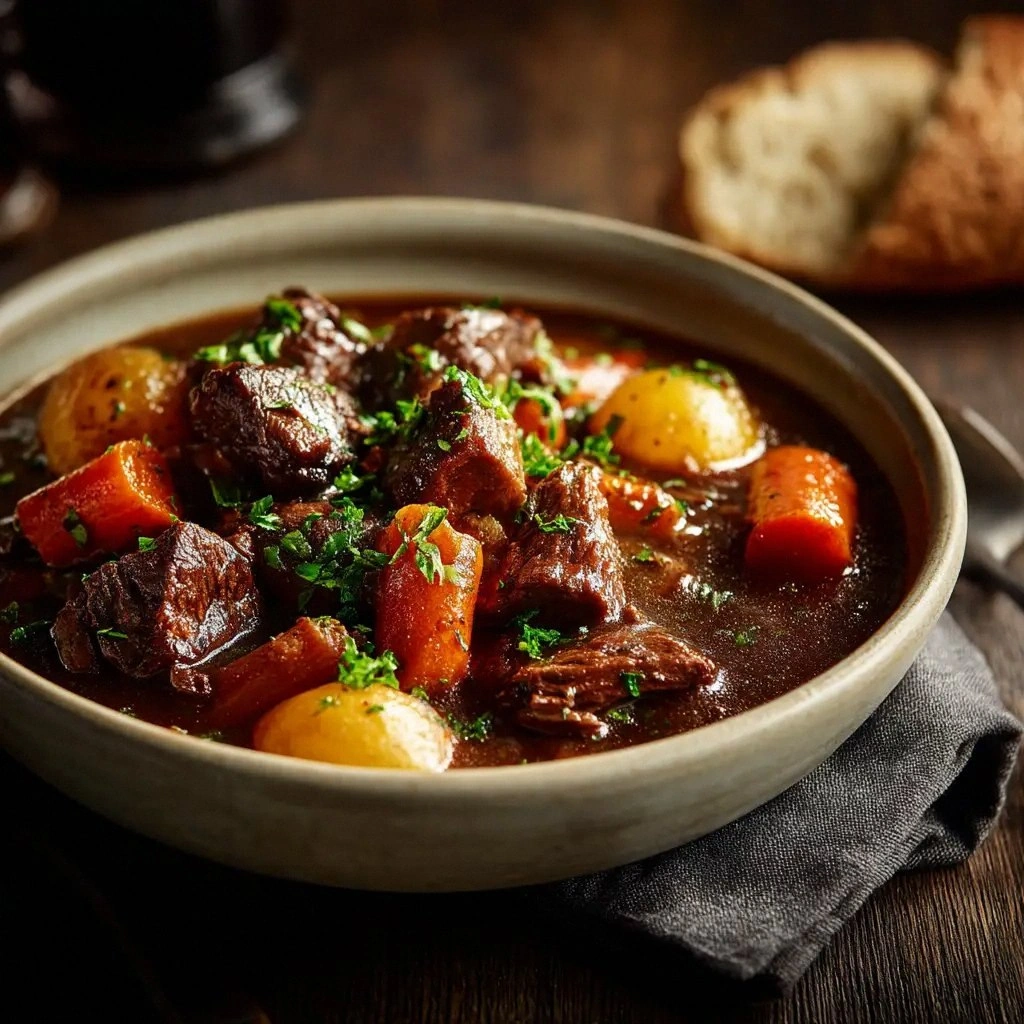
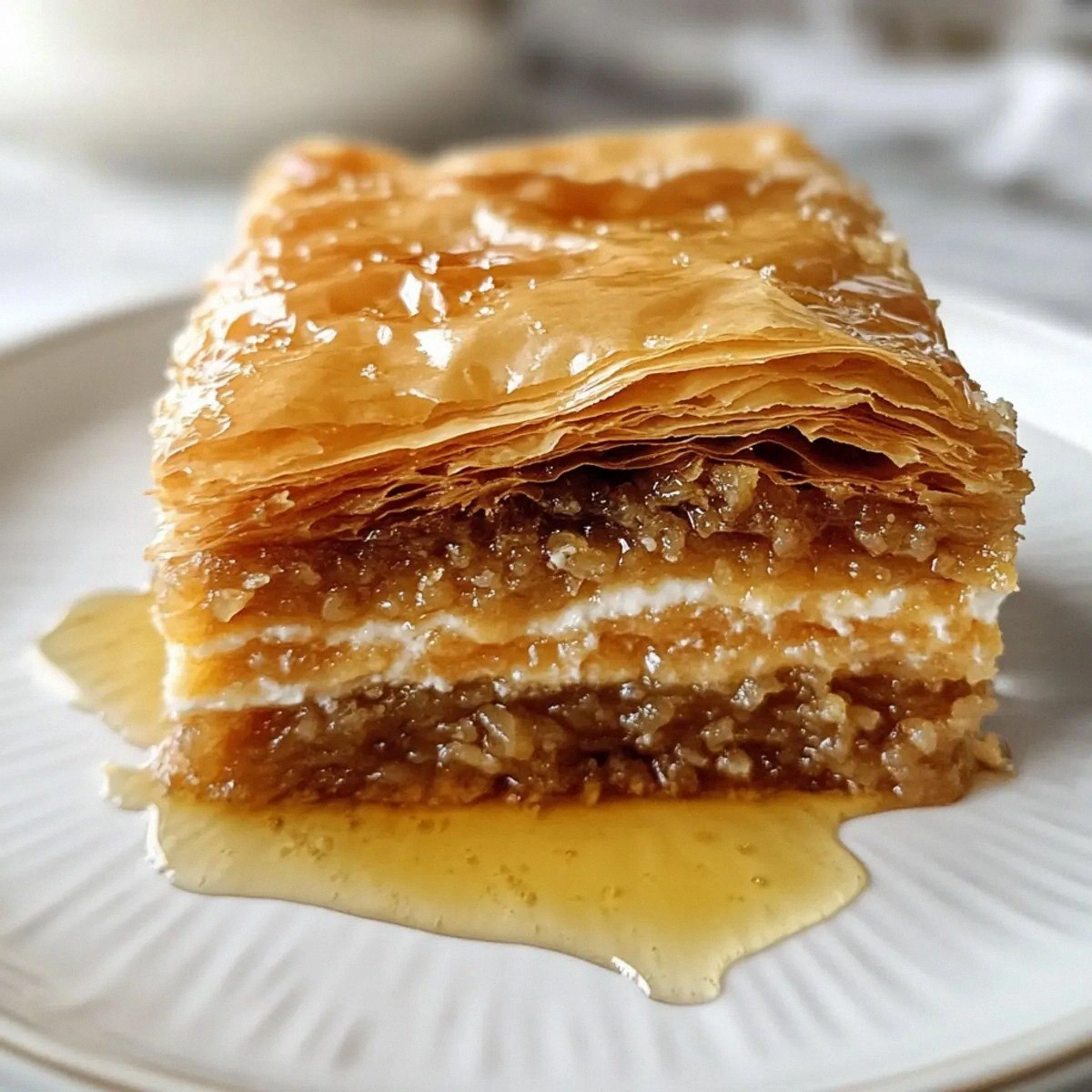
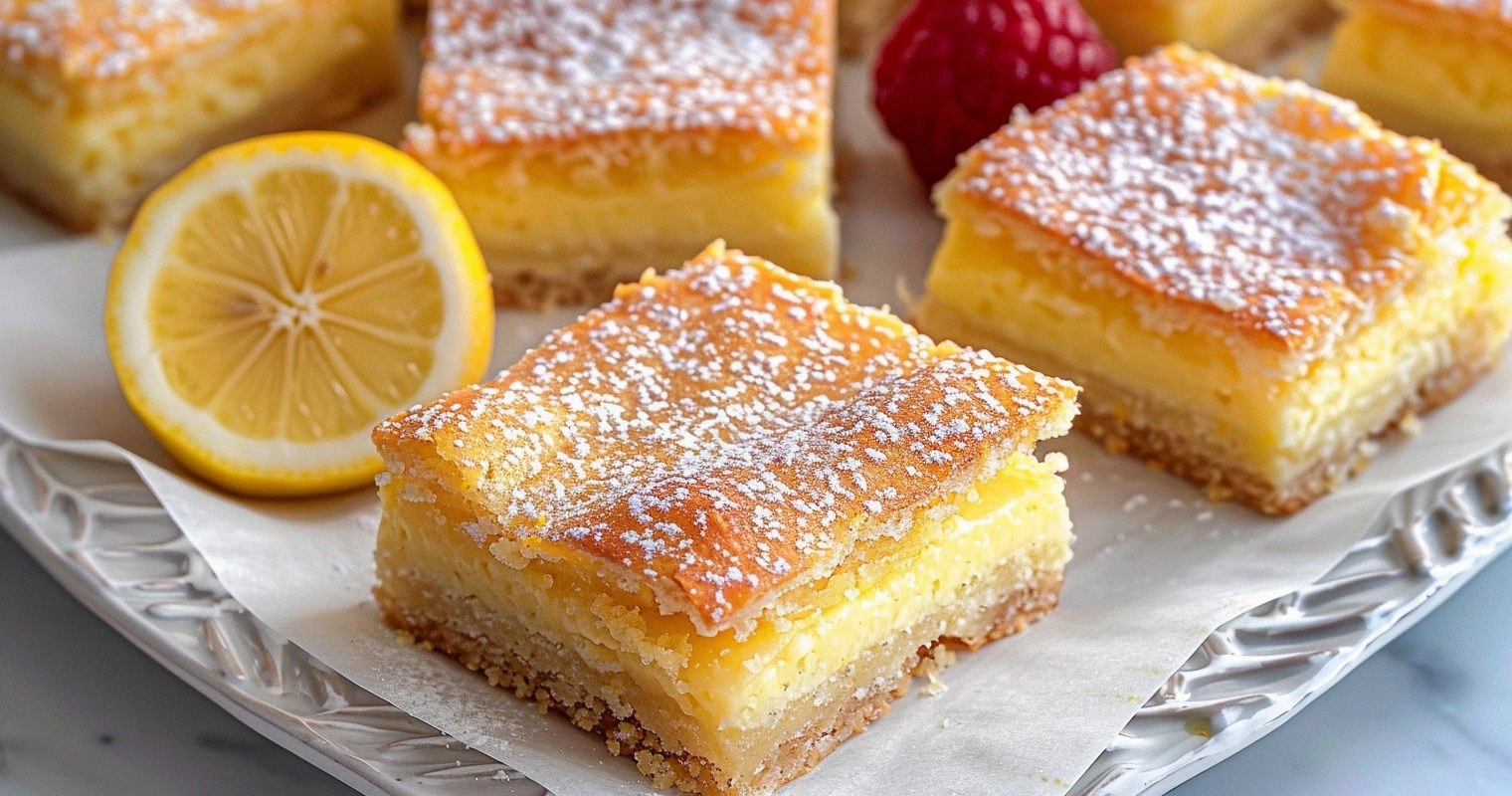
Picture this: a sizzling summer evening, a backyard grill, and the scent of sea breeze dancing through the air. I was halfway through a dinner party when a friend dared me to turn a simple lobster tail into a showstopper. I grabbed the tails, slapped a butter‑garlic glaze on them, and watched the grill hiss like a choir of tiny dragons. The result? A dish that made everyone pause, taste, and then ask for seconds.
The moment the first tail hit the grill, a crackle erupted, sending a wave of caramelized aroma that made the kitchen feel like a seaside tavern. The heat kissed the meat, sealing in juices while the butter melted into a glossy sheen. The sound of the sizzling was music to my ears, a promise that flavor was on its way. When I lifted the lid, the steam curled like a fragrant cloud, and the lobster’s natural sweetness met the smoky glaze in a perfect duet.
What sets this version apart is not just the technique but the subtle balance of flavors and textures. I’ve trimmed the tails to just the right length, buttered them with a hint of citrus, and finished them with a dash of paprika for a smoky edge. Most recipes overcook the lobster or under‑season it, but here every bite is tender, juicy, and packed with a burst of buttery, garlicky brightness. The crust is crisp, the interior is melt‑in‑your‑mouth, and the finish is a whisper of lemon that lingers long after the last forkful.
And there’s a twist you won’t see on the internet: a splash of fresh lemon juice and a pinch of paprika before the final grill finish. This small addition elevates the dish from good to unforgettable, giving it that extra layer of brightness that keeps the palate dancing. I dare you to taste this and not go back for seconds. Let me walk you through every single step — by the end, you’ll wonder how you ever made it any other way.
What Makes This Version Stand Out
- Flavor: The butter‑garlic glaze locks in moisture while the paprika adds a smoky kick, creating a depth that ordinary grilled lobster lacks.
- Texture: A perfectly seared crust contrasts with a velvety interior, giving each bite a satisfying crunch followed by melt‑in‑your‑mouth tenderness.
- Ease: The recipe requires only a handful of ingredients and less than 30 minutes of active cooking time.
- Versatility: It can be served as an elegant entrée or as a crowd‑pleasing appetizer for a party.
- Show‑stopper: The glossy finish and the aroma alone make it feel like a dish straight out of a Michelin‑star kitchen.
- Make‑ahead: The tails can be pre‑seasoned and refrigerated, saving you time on the day of the event.
- Ingredient Quality: Fresh lobster tails, real butter, and hand‑picked herbs make the difference between good and unforgettable.
- Portability: Perfect for backyard barbecues, picnics, or a quick weeknight dinner that feels indulgent.
Inside the Ingredient List
The Flavor Base
The foundation of this dish is a luscious butter‑garlic mixture that coats the lobster tails like a velvet blanket. Butter melts into the meat, sealing in juices, while minced garlic infuses a savory depth that cuts through the natural sweetness. The lemon juice adds a bright, citrusy counterpoint, preventing the dish from feeling too rich or heavy. If you skip the lemon, the glaze will still be delicious, but it will lack that refreshing zing that lifts the overall profile.
The Texture Crew
Paprika is the unsung hero that brings a smoky undertone and a subtle peppery bite. It also darkens the crust, giving the tails an inviting, caramelized look. A pinch of freshly ground black pepper adds a finishing heat that dances on the tongue. If you’re allergic to paprika or prefer a milder flavor, you can replace it with smoked sea salt, which offers a similar smoky essence without the peppery bite.
The Unexpected Star
Fresh parsley isn’t just a garnish; it adds a burst of green that balances the richness of butter and the depth of garlic. When sprinkled over the finished tails, it offers a bright, herbal note that keeps the palate from feeling overwhelmed. If you’re in a pinch, a tablespoon of chopped cilantro or basil can substitute, each bringing its own unique aroma.
The Final Flourish
Olive oil is the secret to preventing the tails from sticking to the grill grates. A light brush before cooking creates a protective barrier that ensures a crisp exterior. The oil also carries the flavors of the butter and herbs, weaving them into a cohesive sauce. If you prefer a more neutral taste, you can use a high‑smoke‑point oil like avocado or grapeseed, but the olive oil adds a subtle fruity undertone that complements the sea flavor.
Everything's prepped? Good. Let's get into the real action.
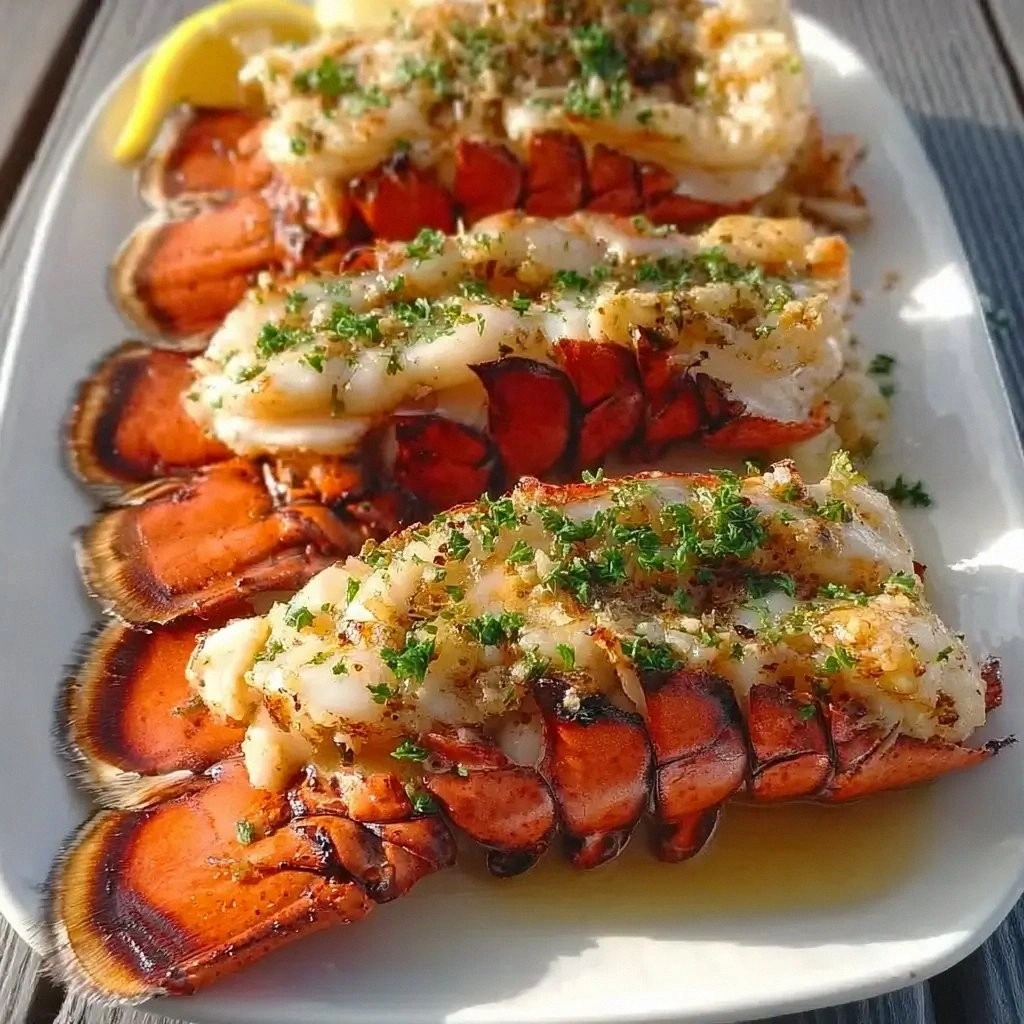
The Method — Step by Step
- Start by preheating your grill to medium‑high, about 400°F. Let the grates get hot enough that a drop of water sizzles and evaporates almost instantly. This ensures a beautiful sear that locks in the lobster’s natural juices. If you’re using a gas grill, leave the lid open to keep the temperature steady.
- While the grill heats, split each lobster tail lengthwise with a sharp kitchen shears, stopping just short of the shell’s base. Gently pull the meat apart, so it sits flat against the shell. This step is crucial for even cooking and a more uniform glaze distribution.
- In a small bowl, combine melted butter, minced garlic, lemon juice, paprika, salt, and pepper. Whisk until the garlic is fully incorporated and the mixture has a silky consistency. This glaze will coat the lobster and create a caramelized crust.
- Brush the glaze generously over both sides of the lobster meat, making sure the shells are also coated. The glaze should be thick enough to cling but not run off. This step adds flavor and helps the crust form a beautiful golden-brown color.
- Place the tails on the grill, shell side down, and close the lid. Cook for 6–8 minutes, or until the meat turns opaque and the internal temperature reaches 140°F. The shell should turn a deep, inviting red, signaling that the lobster is perfectly done.
- Once cooked, remove the tails from the grill and let them rest for 2 minutes. This brief rest allows juices to redistribute, making the meat even more succulent. While resting, sprinkle chopped parsley over the tops for a fresh, herbal finish.
- Serve immediately with a wedge of lemon for an extra burst of citrus and a side of melted butter for dipping. The combination of smoky, buttery, and citrusy flavors will make your guests swoon. Enjoy the applause that follows—this dish is truly a crowd‑pleaser.
That's it — you did it. But hold on, I've got a few more tricks that'll take this to another level.
Insider Tricks for Flawless Results
The Temperature Rule Nobody Follows
Many cooks err by setting the grill too low, which results in undercooked lobster that’s mushy. Aim for a steady 400°F; if the grill’s temperature fluctuates, use a grill thermometer to maintain consistency. A stable heat ensures the outer crust caramelizes while the interior stays tender and juicy.
Why Your Nose Knows Best
Before you flip the tails, pause and inhale the aroma. If it smells buttery with a hint of citrus, you’re on the right track. A sharp, metallic scent signals over‑cooking, while a faint, bland aroma means you need more glaze or time. Trusting your nose can save you from a culinary faux pas.
The 5‑Minute Rest That Changes Everything
Resting the lobster for 2–3 minutes after grilling is a game‑changer. It allows the juices to redistribute, preventing them from spilling out when you cut into the meat. Think of it as letting the flavors settle into a harmonious chorus before the first bite.
Avoiding Flare‑Ups
Flare‑ups can quickly ruin a lobster tail’s delicate flavor. Keep the grill lid slightly ajar to vent excess grease, and avoid using too much butter on the grill surface. If flare‑ups occur, move the tail to a cooler part of the grill until the flames subside.
Keeping the Shell Intact
A broken shell can ruin the presentation. Use a clean, sharp knife to slice the lobster tail, and avoid cutting too deep into the meat. If you prefer a more dramatic presentation, remove the shell entirely after cooking, but be sure to keep the meat intact.
Creative Twists and Variations
This recipe is a playground. Here are some of my favorite ways to switch things up:
Spicy Cajun Lobster
Swap the paprika for Cajun seasoning and add a splash of hot sauce to the glaze. The result is a bold, fiery flavor that pairs beautifully with a chilled rosé. Perfect for guests who love a little heat.
Herb‑Infused Citrus
Add a teaspoon of chopped rosemary or thyme to the butter glaze. The aromatic herbs give the lobster a savory depth that complements the citrus notes. This variation feels like a Mediterranean seaside dinner.
Mango‑Salsa Finish
Serve the grilled tails with a fresh mango salsa made of diced mango, red onion, cilantro, and lime juice. The sweet, tangy salsa adds a tropical flair, turning the dish into a beach‑side fiesta.
Truffle Butter Finish
Finish the tails with a drizzle of truffle butter after grilling. The earthy, luxurious aroma elevates the dish into a gourmet experience suitable for special occasions or a romantic dinner.
Lemon‑Rosemary Drizzle
Create a simple sauce by combining lemon zest, rosemary, and olive oil. Drizzle it over the lobster for a bright, herbaceous finish that keeps the meal light and refreshing.
Smoked Paprika & Chipotle
Use smoked paprika instead of regular paprika and add a pinch of chipotle powder to the glaze. The smoky, slightly spicy flavor profile gives the dish a deep, complex taste that will surprise your guests.
Storing and Bringing It Back to Life
Fridge Storage
Cool the cooked tails in the refrigerator within 2 hours of cooking. Store them in an airtight container for up to 2 days. When ready to serve, reheat gently in a preheated oven at 350°F for 5–7 minutes.
Freezer Friendly
Wrap each tail tightly in plastic wrap, then place in a freezer bag. They can be frozen for up to 3 months. Thaw overnight in the refrigerator before reheating.
Best Reheating Method
Reheat in a preheated oven at 350°F for 5–7 minutes, or until warmed through. Add a tiny splash of water before reheating to create steam, which keeps the meat moist and prevents it from drying out.