Introduction
Picture this: I was halfway through a dinner party, the lights dimmed, the guests were sipping wine, and the kitchen was a battlefield of burnt onions and over‑seasoned chicken. The moment I realized the disaster, I felt a sudden spark of inspiration—what if I could salvage the chaos into a dish that would have everyone begging for seconds? That was the genesis of this Greek Chicken Lemon Feta, a recipe that turns a kitchen mishap into a culinary triumph. The aroma that fills the air is a citrusy burst that wakes up even the most sleepy senses, and the sizzling sound on the skillet is music to my ears. I swear, the first bite is a tangy, creamy explosion that makes you forget the earlier fiasco.
When you open the oven, the kitchen smells like a Mediterranean summer, with bright lemon and oregano dancing together. The chicken, tender and juicy, glistens under a glossy lemon‑feta sauce that coats each piece like velvet. The olives add a briny crunch that contrasts the softness of the meat, while the feta’s salty bite cuts through the richness of the olive oil. My friends keep asking me how I keep the chicken so moist and the sauce so silky—because the secret lies in a simple, well‑timed technique. Every time I taste it, the flavors mingle in a harmonious chorus, and I can’t help but grin at the memory of that earlier kitchen disaster.
What sets this version apart from every other Greek chicken recipe out there is its balance of acidity, saltiness, and herbal depth. The lemon juice isn’t just a garnish; it’s a flavor cornerstone that brightens the dish and prevents the chicken from drying out. The feta isn’t just sprinkled on top; it’s folded into the sauce, creating a creamy texture that’s both luxurious and light. The olives add a surprising depth of umami that most recipes overlook. Together, these elements create a dish that feels both comforting and adventurous. I dare you to taste this and not go back for seconds.
There’s a particular technique that makes all the difference: the quick sear that locks in juices, followed by a gentle simmer that lets the flavors meld. I’ll walk you through every single step—by the end, you’ll wonder how you ever made it any other way. And trust me, the result is hands down the best version you’ll ever make at home.
What Makes This Version Stand Out
- Flavor Depth: The combination of lemon, oregano, and feta creates a layered taste profile that’s both bright and savory, unlike the flat flavor many find in standard Greek chicken.
- Texture Contrast: The crisp edges of the seared chicken meet the silky sauce, producing a mouthfeel that’s satisfying and memorable.
- Ingredient Quality: Using fresh, high‑quality feta and Kalamata olives elevates the dish, making each bite a pure Mediterranean experience.
- Cooking Simplicity: The recipe requires no complex equipment—just a skillet and a few basic ingredients—yet delivers restaurant‑grade flavor.
- Make‑Ahead Potential: The dish can be prepared ahead of time, allowing the flavors to deepen while the chicken stays juicy.
- Crowd‑Pleaser: This recipe consistently wins over guests, whether they’re seasoned Greek food lovers or first‑time diners.
- Versatility: It pairs beautifully with rice, pasta, or a simple salad, making it adaptable to any meal plan.
- Visual Appeal: The golden crust, bright lemon zest, and vibrant olives create a plate that’s as stunning as it is delicious.
Alright, let's break down exactly what goes into this masterpiece…
Inside the Ingredient List
The Flavor Base
Olive oil is the foundation of this dish, providing a silky medium that carries the aromatics and keeps the chicken moist. A generous splash (2 tablespoons) ensures the chicken browns evenly and develops a subtle nutty aroma. If you’re watching calories, you can swap it for a light olive oil or even a neutral oil like grapeseed, but the flavor profile will shift slightly. For extra depth, consider adding a splash of white wine during the sear; it deglazes the pan and lifts the browned bits into the sauce.
The Texture Crew
The chicken breasts themselves are the star. Boneless, skinless cuts offer a clean, lean protein that absorbs the lemon‑feta sauce beautifully. If you prefer a slightly firmer bite, choose thicker cuts; thinner ones will cook faster and may dry out if over‑cooked. The olives and feta add contrasting textures—crunchy brine and creamy saltiness—that elevate the dish from simple to spectacular.
The Unexpected Star
Fresh parsley isn’t just a garnish; it brightens the sauce and balances the saltiness of the feta and olives. Chop it finely so it distributes evenly across each bite. If you’re out of parsley, dill or basil can be a suitable substitute, though the flavor will shift subtly. Remember, herbs are most potent when added at the end of cooking to preserve their aroma.
The Final Flourish
Lemon juice is the linchpin of this recipe. The acidity cuts through the richness of the feta and olive oil, while the zest adds a fragrant lift. Use freshly squeezed juice for the brightest flavor—pre‑packed lemon juice can taste flat. The 0.25 cup amount is calibrated to coat the chicken without drowning it; too much will make the sauce watery.
Everything's prepped? Good. Let's get into the real action…
The Method — Step by Step
-
Pat the chicken breasts dry with paper towels. This step is crucial because moisture on the surface prevents proper browning. Season both sides generously with salt, pepper, oregano, and thyme. The herbs will penetrate the meat during the sear, creating a fragrant crust.
-
Heat a large skillet over medium‑high heat and add the olive oil. When the oil shimmers, place the chicken in the pan. You should hear a satisfying sizzle—this is the moment of truth. Cook for 3–4 minutes per side until golden brown and the internal temperature reaches 165°F (74°C). Flip only once to keep the juices sealed.
-
Remove the chicken from the skillet and set aside on a plate. While the chicken rests, add the minced garlic to the same pan. Sauté for about 30 seconds until fragrant, but be careful not to burn it—burnt garlic tastes bitter and ruins the sauce.
-
Pour in the fresh lemon juice, scraping up any browned bits with a wooden spoon. The citrus will deglaze the pan and create a flavorful base for the sauce. Let it simmer for 2 minutes, allowing the alcohol to evaporate and the flavors to concentrate.
-
Reduce the heat to low and fold in the crumbled feta cheese. Stir until the feta melts slightly and the sauce thickens to a silky consistency. The feta’s natural saltiness will balance the acidity of the lemon.
-
Add the Kalamata olives, chopped parsley, and the sliced lemon. Stir gently to combine, making sure the olives remain whole to maintain their bite. This step adds a pop of color and a burst of briny flavor that cuts through the richness.
-
Return the chicken breasts to the skillet, nestling them into the sauce. Spoon some sauce over each piece to coat thoroughly. Simmer for an additional 3–4 minutes, allowing the chicken to absorb the flavors while keeping it juicy.
-
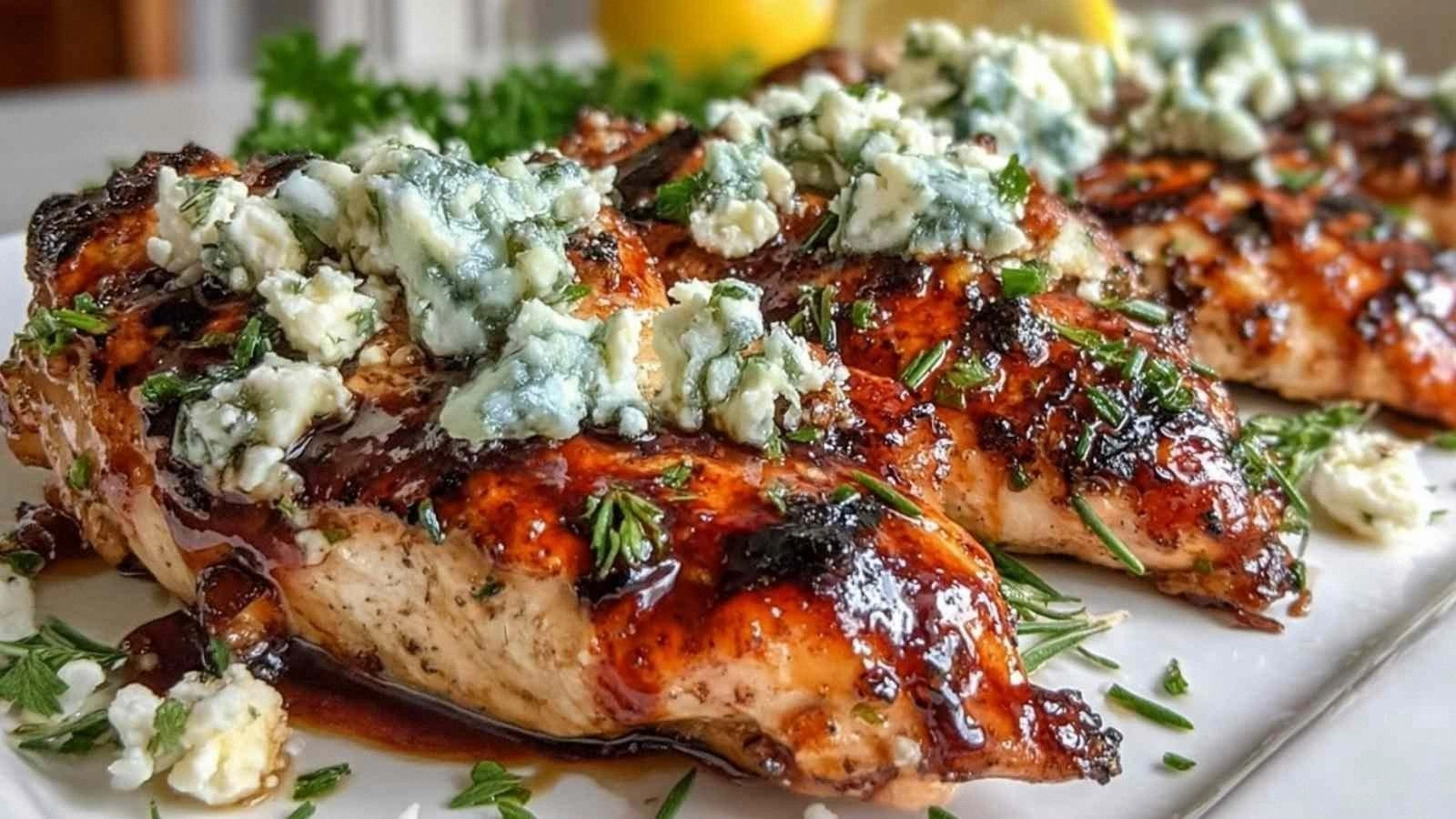
Plate the chicken with the sauce spooned over the top. Garnish with extra parsley and a wedge of lemon for an extra zing. Serve immediately with your choice of side—rice, pasta, or a crisp salad.
That's it—you did it. But hold on, I've got a few more tricks that'll take this to another level…
Insider Tricks for Flawless Results
The Temperature Rule Nobody Follows
Many cooks think a high heat is always better, but for chicken, medium‑high is the sweet spot. A temperature that’s too high will sear the outside too quickly, leaving the inside undercooked. Conversely, a too‑low temperature will result in a dry, rubbery texture. I’ve learned that a steady medium‑high heat gives the chicken a beautiful crust while locking in juices. If you’re unsure, test the pan by dropping a few drops of water—if they dance, you’re ready.
Why Your Nose Knows Best
Don’t underestimate the power of aroma. As the chicken sears, the smell of browned meat and garlic will give you an instant cue that the pan is hot enough. A strong, nutty scent indicates the Maillard reaction is in full swing. If the scent is weak, give the pan a few more minutes to heat up.
The 5‑Minute Rest That Changes Everything
After cooking, let the chicken rest for five minutes before slicing. This allows the juices to redistribute, ensuring every bite is moist. A quick rest also lets the flavors meld, especially the lemon and feta. I’ve seen people skip this step, only to discover the chicken is dry and the sauce is thin.
Use a Lid for Even Cooking
Cover the skillet for the last few minutes of simmering. This traps steam, keeping the chicken tender and preventing the sauce from evaporating too quickly. If you’re cooking on a low flame, the lid also helps maintain a consistent temperature.
Finish with a Touch of Butter
Right before serving, swirl in a tablespoon of cold butter. The butter will give the sauce a glossy sheen and a subtle richness that balances the acidity. This small addition can elevate a simple dish to restaurant‑grade.
Creative Twists and Variations
This recipe is a playground. Here are some of my favorite ways to switch things up:
Greek Chicken with Tomato Basil
Swap the olives for sun‑dried tomatoes and add fresh basil leaves. The tomatoes bring a sweet acidity, while basil adds a sweet, peppery note. Serve over spaghetti for a hearty meal.
Spicy Lemon Feta Chicken
Introduce a teaspoon of smoked paprika and a pinch of cayenne pepper to the seasoning mix. The smoky heat complements the lemon’s brightness and the feta’s saltiness. Perfect for those who like a bit of fire.
Chicken with Spinach and Artichoke
Fold in a cup of chopped spinach and half a cup of marinated artichoke hearts during the simmer. The greens add earthiness and the artichokes bring a subtle tang. This version is great for a light lunch.
Grilled Lemon Feta Chicken
Marinate the chicken overnight in lemon juice, olive oil, garlic, and oregano. Grill on high heat for a smoky char. The result is a slightly crispy exterior with a tender interior.
Chicken with Greek Yogurt Sauce
Replace the feta with a dollop of Greek yogurt and add a splash of lemon juice. The yogurt creates a creamy, tangy sauce that’s lower in fat. This is a great option for a lighter dinner.
Chicken with Pomegranate Molasses
Drizzle a tablespoon of pomegranate molasses over the finished dish. The molasses adds a sweet, tart glaze that pairs wonderfully with the olives. It’s a perfect finish for a special occasion.
Storing and Bringing It Back to Life
Fridge Storage
Store leftovers in an airtight container for up to 3 days. The chicken will remain moist, and the sauce will thicken slightly, which actually enhances the flavor. Keep the container in the coldest part of the fridge to maintain freshness.
Freezer Friendly
For longer storage, freeze the dish in a freezer‑safe container for up to 3 months. When thawing, let it sit overnight in the fridge and reheat gently on the stove or in the microwave. The feta will hold its texture, and the lemon will still brighten the dish.
Best Reheating Method
Reheat in a skillet over low heat, adding a splash of water or chicken broth to steam the chicken back to juicy. This prevents the sauce from drying out. A quick stir will also help redistribute the flavors.