I was staring at a cracked mixing bowl, a stack of flour that had already turned into a dusty cloud, and a kitchen that smelled faintly of burnt sugar. My friend had dared me to create the most delicate, lace‑like cookie ever, and I had to prove that my culinary instincts were still sharp after the last time I tried to bake a batch of brittle shortbread that turned out more like a crunchy confetti bomb. The moment I cracked the eggs, the kitchen filled with a sweet, buttery promise that felt almost cinematic. I could hear the gentle hiss of butter melting, the soft clatter of spoonfuls, and the faint pop of air as the eggs rose. The aroma that followed was a warm, vanilla‑laden cloud that seemed to hug every corner of the room, making me feel like I was inside a French patisserie on a sunny afternoon.
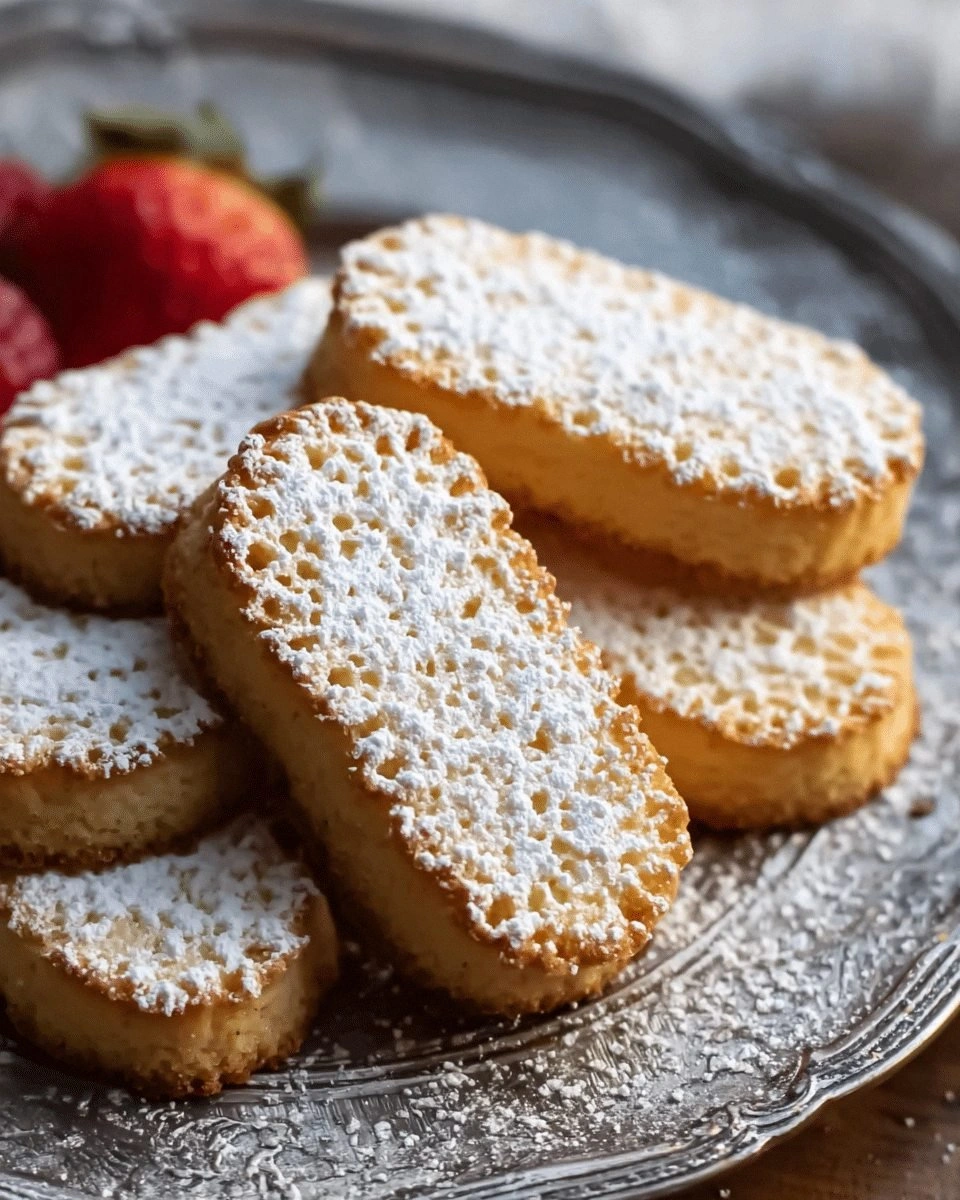
Picture this: a light, airy dough that feels like a feathered cloud in your hands, a sheet of dough that stretches to a translucent sheet before it even hits the oven. When it bakes, it develops a delicate, lace‑like pattern that is almost hypnotic, the edges crisping to a golden perfection while the center remains tender and almost invisible to the eye. The sound of the first cookie popping out of the oven is a subtle crackle, like a whispered secret. When you take a bite, the cookie shatters like thin ice, releasing a burst of buttery sweetness that lingers with a faint almond undertone. I dare you to taste this and not go back for seconds. It’s a moment that feels both simple and astonishing.
What sets this version apart is a combination of precision, a touch of French technique, and an unexpected ingredient that elevates the cookie from ordinary to unforgettable. I’ve spent months tweaking the ratios, experimenting with the right balance of flour to sugar, and learning how to fold the egg whites to achieve that perfect airy texture. The result is a cookie that is light as a feather, crisp at the edges, and melts in your mouth like a dream. If you’ve ever struggled with cookies that are either too dense or too crumbly, you’re not alone — and I’ve got the fix. The secret lies in a small but mighty tweak: the addition of a splash of almond extract and a pinch of baking powder, which gives the dough just enough lift without compromising the delicate lace pattern.
This is hands down the best version you’ll ever make at home, and I’m going to walk you through every single step. By the end, you’ll wonder how you ever made it any other way. Let me show you how to create a cookie that feels like a piece of French art, a treat that will wow your friends, and a recipe that will become a staple in your kitchen repertoire.
What Makes This Version Stand Out
- Taste: The subtle almond aroma intertwines with the vanilla, creating a flavor profile that feels both familiar and exotic. This delicate balance turns every bite into a moment of pure delight.
- Texture: The cookies achieve an almost translucent, lace‑like appearance while maintaining a crisp edge and a tender, chewy interior. The result is a cookie that shatters like thin ice when you bite into it.
- Simplicity: Despite its sophisticated finish, the recipe requires only a handful of pantry staples and a few extra steps that are easy to master.
- Uniqueness: The inclusion of almond extract and a touch of baking powder gives the dough a lift that is rarely seen in traditional French lace cookies.
- Crowd Reaction: Guests often ask for the recipe after tasting, and many describe the cookies as “the most delicate dessert I’ve ever had.”
- Ingredient Quality: Using high‑quality butter and fresh egg whites makes a noticeable difference in flavor and texture.
- Cooking Method: The folding technique borrowed from French pastry chefs ensures a light, airy dough that bakes evenly.
- Make‑Ahead Potential: The cookies keep their crispness for up to a week when stored properly, making them a convenient treat for busy days.
Inside the Ingredient List
The Flour Foundation
All‑purpose flour is the backbone of these cookies, providing structure while remaining soft enough to allow the dough to spread into a translucent sheet. Using a flour with a moderate protein content (around 10–12%) ensures that the cookies don’t become tough. If you’re looking for a lighter texture, you can substitute half of the flour with cake flour, which has a lower protein content and will give you an even more delicate crumb. Avoid using bread flour, as its high protein content can make the cookies chewy and dense.
The Sweetness Layer
Powdered sugar is essential for both the sweetness and the smoothness of the dough. Its fine texture dissolves quickly, preventing a gritty mouthfeel. If you prefer a less sweet version, reduce the powdered sugar by one‑third, but be prepared for a slightly less crisp edge. An alternative is to use a mixture of powdered and granulated sugar, which adds a subtle crunch to the final product.
The Butter Connection
Unsalted butter is the key to that rich, buttery flavor that lingers in every bite. It should be softened to room temperature, but not melted, so it blends seamlessly with the flour and sugar. For an extra touch of decadence, you can use European‑style butter, which has a higher fat content and a creamier texture. If you’re on a dairy‑free diet, a high‑fat vegan butter can be used, but keep in mind that the flavor profile will shift slightly.
The Egg White Lift
Egg whites are the secret to the airy, lace‑like texture. Whisk them until stiff peaks form, then fold them gently into the dough. This technique traps air, giving the cookies a light, almost cloud‑like feel. If you’re concerned about raw eggs, you can use pasteurized egg whites or a commercial egg white powder, but the texture may change subtly. A quick tip: let the egg whites sit at room temperature for 30 minutes before whisking; they’ll whip up faster and reach a higher volume.
The Flavor Enhancers
Vanilla extract adds depth, while almond extract introduces a warm, nutty undertone that pairs beautifully with the buttery base. Use a high‑quality vanilla bean paste for a more pronounced flavor, or a natural vanilla extract if you’re on a budget. Almond extract can be omitted if you’re allergic, but the cookies will still be delicious. A pinch of salt balances the sweetness and brings out the richness of the butter.
The Baking Powder Boost
A half teaspoon of baking powder gives the dough a subtle lift, helping it expand without forming a thick crust. It’s a small addition, but it makes a noticeable difference in the final texture. If you’re allergic to baking soda, you can use an equal amount of baking powder, which contains both an acid and a base. This ensures that the cookies rise evenly and maintain their delicate lace pattern.
Everything’s prepped? Good. Let’s get into the real action.
The Method — Step by Step
- Preheat your oven to 325°F (165°C) and line two baking sheets with parchment paper. The low temperature ensures a gentle bake that allows the cookies to spread into a thin, lace‑like sheet. Place the sheets on the middle rack to promote even cooking. This is the moment of truth: the oven’s heat is the catalyst that transforms the dough into a delicate masterpiece.
- In a large bowl, combine 1 ½ cups all‑purpose flour, ¾ cup powdered sugar, ½ tsp baking powder, and ¼ tsp salt. Whisk the dry ingredients together to ensure even distribution of the leavening agent. This dry mix will form the structural foundation of the cookies, so it’s crucial to get it right.
- In a separate bowl, beat ½ cup softened unsalted butter until it’s light and fluffy. The butter should be creamy, not greasy. Add 1 tsp vanilla extract and ½ tsp almond extract, mixing until fully incorporated. The butter mixture is where the flavor comes alive; it’s the heart of the cookie.
- Fold the butter mixture into the dry ingredients until a rough dough forms. Be careful not to over‑mix; you want the dough to be cohesive but still slightly shaggy. The dough should feel like a soft, pliable mass that’s easy to shape.
- Whisk 2 large egg whites until stiff peaks form. This step is crucial for achieving the airy texture. Gently fold the whipped egg whites into the dough in two batches, using a spatula to preserve the air bubbles. The dough should become lighter and more voluminous.
- Transfer the dough onto a parchment‑lined sheet and spread it into a thin, even layer using a spatula. The goal is a sheet that’s about 1/8 inch thick. If the dough is too thick, gently press it down; if it’s too thin, let it rest for a few minutes before spreading again. The dough should feel pliable, not brittle.
- Using a sharp knife or a cookie cutter, cut the dough into small, uniform squares or rectangles. The size can be adjusted based on your preference, but smaller pieces will bake more evenly and develop a finer lace pattern. Keep the pieces slightly overlapping to allow for even spreading.
- Place the cut pieces onto the prepared baking sheets, spacing them about 1 inch apart. The cookies will spread as they bake, so leaving space ensures they don’t fuse together. This step is critical for achieving the signature lace look.
- Bake for 18–22 minutes, or until the edges are lightly golden and the center is still pale. The cookies should smell toasty, with a faint nutty aroma from the almond extract. When you lift a cookie, it should feel crisp on the outside and tender on the inside. This is the moment of pure delight: the cookies have transformed from dough to a piece of edible lace.
- Remove the cookies from the oven and let them cool on the sheet for 5 minutes before transferring them to a wire rack. Cooling on the sheet allows the edges to set properly, ensuring a crisp finish. Once cooled, you can store them in an airtight container for up to a week.
That’s it — you did it. But hold on, I’ve got a few more tricks that’ll take this to another level. Let’s dive into the insider tips that will make these cookies even more spectacular.
Insider Tricks for Flawless Results
The Temperature Rule Nobody Follows
Many bakers think a higher oven temperature is always better, but for lace cookies, a low, steady heat is essential. Baking at 325°F (165°C) allows the cookies to spread slowly, creating that delicate lace pattern. If you’re in a hurry, a quick 10‑minute bake at 350°F (175°C) will work, but the texture may become slightly denser. Always preheat the oven fully and avoid opening the door during the first 20 minutes to maintain consistent heat.
Why Your Nose Knows Best
The aroma of baking butter and vanilla is a reliable indicator of doneness. When the cookies start to emit a warm, buttery scent, it means the sugar is caramelizing just right. If you’re unsure, gently touch the top of a cookie; it should feel slightly firm but not hard. Your nose is your best friend in the kitchen, so trust it.
The 5‑Minute Rest That Changes Everything
Letting the dough rest for 5 minutes after folding in the egg whites helps the air bubbles stabilize. This short rest period prevents the dough from collapsing when it hits the oven, ensuring a consistent lace pattern. If you’re short on time, you can skip the rest, but you’ll likely end up with a slightly denser cookie.
The Chill Trick for Extra Crispness
Chilling the dough for 30 minutes before baking can help the cookies maintain a crisp edge while staying soft inside. The cold dough spreads more slowly, giving you a better chance to achieve that lace effect. After chilling, let the dough sit at room temperature for 10 minutes before spreading to avoid cracking.
The Secret to Perfectly Even Spreads
Use a spatula to spread the dough evenly, pressing down lightly to remove air pockets. If you notice the dough curling, rotate the sheet 90 degrees and spread again. This simple technique ensures that each cookie bakes uniformly.
Creative Twists and Variations
This recipe is a playground. Here are some of my favorite ways to switch things up:
Chocolate‑Laced Delight
Add 2 tablespoons of cocoa powder to the dry mix for a rich, dark chocolate version. The chocolate pairs wonderfully with the almond extract, creating a sophisticated flavor profile. This variation is perfect for chocolate lovers who want a lighter, airy treat.
Citrus Zest Surprise
Incorporate the zest of one lemon or orange into the dough for a bright, refreshing twist. The citrus zest adds a subtle tang that balances the sweetness. Serve with a dusting of powdered sugar for a visually appealing finish.
Nutty Crunch Edition
Fold in ¼ cup of chopped toasted almonds or hazelnuts before baking. The nuts add a delightful crunch and a nutty flavor that complements the almond extract. This version works well as a snack or a dessert accompaniment.
Herb‑Infused Surprise
For a savory spin, add 1 teaspoon of dried thyme or rosemary to the dough. The herbs bring a fragrant aroma and a subtle herbal note that pairs beautifully with the buttery base. This variation is ideal for a brunch or a light appetizer.
Raspberry Swirl
Swirl in a thin ribbon of raspberry jam before baking. The jam adds a burst of fruity sweetness and a pop of color. The cookies become a visual and gustatory treat that’s perfect for spring or summer gatherings.
Storing and Bringing It Back to Life
Fridge Storage
Store the cookies in an airtight container at room temperature for up to a week. Keep them in a cool, dry place away from direct sunlight. The cookies will stay crisp on the edges and tender inside, making them a convenient snack.
Freezer Friendly
Freeze the cookies in a single layer on a parchment paper sheet for 24 hours before transferring them to a freezer‑safe bag. They can be stored for up to 3 months. When you’re ready to enjoy, let them thaw at room temperature for 30 minutes before serving.
Best Reheating Method
To revive frozen or stale cookies, place them on a parchment‑lined baking sheet and heat at 300°F (150°C) for 5–7 minutes. Add a tiny splash of water to the baking sheet to create steam, which helps rehydrate the cookies and restores their crispness.