I was standing in my kitchen, staring at a bag of ground beef that had been sitting on my counter for a week. My friends had been calling me a culinary slacker, and I was about to admit defeat when a craving for something hot, tangy, and downright addictive hit me like a lightning bolt. I grabbed my phone, typed "firecracker beef recipe," and found a version that claimed to be the best. The moment I saw the bold claim, I felt a spark of curiosity that could not be extinguished.
Picture the kitchen: a sizzling pan, the aroma of caramelized onions mingling with the sharp tang of buffalo sauce, the sound of the meat cracking as it cooks, the bright red of crushed red pepper flakes dancing in the air, and the comforting weight of a hearty meal ready in minutes. Every sense is engaged in this quick, one-pan wonder that feels like a secret weapon in your culinary arsenal. I was skeptical, but the promise of a dish that could transform a plain weeknight into a celebration kept me glued to my screen.
This recipe isn’t just another ground beef scramble; it’s a symphony of flavors that play in perfect harmony. The sauce coats the meat like velvet, the spice hits the tongue with a punch that never overwhelms, and the texture is a delightful contrast between tender meat and a subtle crunch from the caramelized edges. It’s a dish that refuses to be ordinary, and I’m about to walk you through every single step. By the end, you’ll wonder how you ever made it any other way.
I dare you to taste this and not go back for seconds. I’ll be honest— I ate half the batch before anyone else got to try it. Most recipes get this completely wrong. Here’s what actually works. Picture yourself pulling this out of the pan, the whole kitchen smelling incredible, and feeling that instant sense of culinary triumph. And now, let’s dive in.
What Makes This Version Stand Out
- Bold Flavor: The combination of buffalo sauce and dark brown sugar creates a sweet heat that lingers, turning each bite into an adventure.
- Texture: The pan technique yields caramelized edges that crackle like thin ice, while the interior stays moist and juicy.
- Time Efficiency: In just 45 minutes you can have a restaurant‑grade dish ready for a family dinner or a quick lunch.
- Ingredient Simplicity: Every component is pantry‑friendly—no obscure spices or hard‑to‑find sauces.
- Versatility: Serve it over rice, pasta, or even on toasted buns for a fast sandwich.
- Make‑Ahead Friendly: This dish can be cooked in advance and reheated without losing flavor.
- Crowd‑Pleaser: It’s the kind of dish that makes guests ask for the recipe, and you’ll get the credit.
- Balanced Heat: The red pepper flakes and garlic powder give a controlled kick, making it approachable for most palates.
Alright, let's break down exactly what goes into this masterpiece.
Inside the Ingredient List
The Flavor Base
The 2 tablespoons of olive oil or chili oil are the foundation that allows the ground beef to sear beautifully. Olive oil provides a mild, fruity note that balances the heat, while chili oil adds an extra layer of spice right from the start. If you skip this step, the meat will release too much moisture and become soggy. For a healthier twist, use avocado oil, which has a high smoke point and a subtle buttery flavor.
The Texture Crew
The 1 pound of ground beef is the star of the show. Choose a blend that’s 80/20 for maximum juiciness, or go leaner if you’re watching calories. When browning, break the meat into small clumps; this ensures even cooking and prevents clumping. If you’re in a hurry, you can cook the beef first, then stir in the sauce—just remember to let it rest for a few minutes to retain moisture.
The Unexpected Star
The 1/2 cup of buffalo sauce might sound ordinary, but it’s actually the secret to that signature tang. It’s a sauce that’s both sweet and spicy, and it’s what gives the dish its “firecracker” name. If you can’t find buffalo sauce, a mix of hot sauce and a splash of honey will work wonders. A dash of Worcestershire sauce can add depth without overpowering the original flavor.
The Final Flourish
The 2 tablespoons of rice vinegar and 1 teaspoon of ground ginger finish the dish with a bright, citrusy lift that cuts through the richness. The vinegar adds a subtle acidity that brightens the sauce, while ginger contributes a warm, slightly peppery undertone. If you’re allergic to ginger, you can substitute with a pinch of ground cinnamon for a sweet, earthy twist. Don’t forget the 1 teaspoon of garlic powder and 1 teaspoon of kosher salt—they’re essential for building layers of savory depth.
Everything's prepped? Good. Let's get into the real action.
The Method — Step by Step
- Heat a large skillet over medium‑high heat and add the olive oil or chili oil. Wait until the oil shimmers before adding the ground beef. Break the meat into bite‑sized pieces with a wooden spoon; this promotes even browning. The pan should feel hot enough that the meat sizzles on contact. Keep the meat moving to prevent sticking and to create a nice sear.
- Cook the beef for about 5 minutes, allowing it to brown on all sides. Stir occasionally to ensure even cooking. When the meat starts to develop a dark crust, it’s a sign that the Maillard reaction is happening. This is the moment of truth—if you’re in doubt, let it cook a little longer.
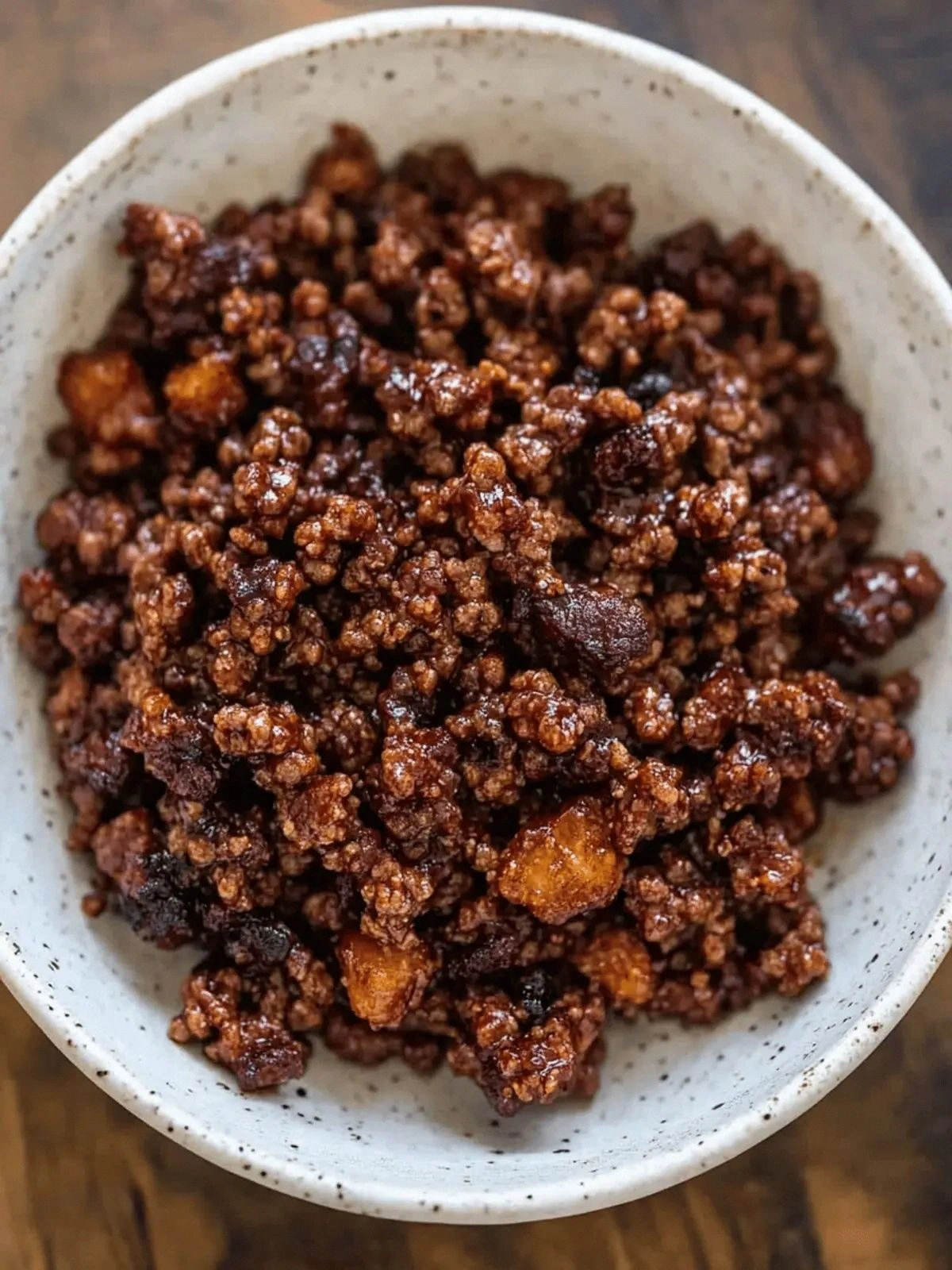
- Add the dark brown sugar to the pan and stir until it dissolves into a glossy glaze. The sugar caramelizes slightly, creating a caramelized coating that locks in moisture. Watch for the sugar to start bubbling; that’s the sweet aroma you’ve been craving. Keep the heat medium to avoid burning.
- Pour in the buffalo sauce, rice vinegar, and a splash of water to thin the mixture a bit. This creates a sauce that clings to the meat without becoming too thick. Stir until the sauce is well incorporated and the beef is coated evenly. The mixture should look glossy and slightly thickened.
- Sprinkle the ground ginger, garlic powder, kosher salt, black pepper, and red pepper flakes over the mixture. These spices elevate the flavor profile, adding depth and a subtle heat that lingers. Toss everything together so that every morsel is seasoned. Taste a small amount to adjust seasoning if needed.
- Reduce the heat to medium and let the mixture simmer for 8–10 minutes. This allows the flavors to meld and the sauce to thicken slightly. The edges of the beef will start pulling away from the pan, creating a crispy, caramelized crust. Keep an eye on it to avoid sticking.
- If you prefer a thicker sauce, stir in an additional tablespoon of dark brown sugar or a teaspoon of cornstarch slurry. This step is optional but can give you a velvety finish. Let it cook for another minute to thicken fully. The sauce should coat the back of a spoon.
- Remove the skillet from heat and let the dish rest for 2 minutes. Resting allows the juices to redistribute, ensuring each bite is juicy. The rest of the time the flavors will settle, creating a harmonious taste.
- Serve immediately over rice, pasta, or on toasted buns. Garnish with chopped scallions or a drizzle of ranch if you’re feeling indulgent. The dish is best enjoyed hot, with the aroma still lingering in the air.
That’s it — you did it. But hold on, I’ve got a few more tricks that’ll take this to another level.
Insider Tricks for Flawless Results
The Temperature Rule Nobody Follows
Most people cook ground beef at the highest heat, causing the exterior to char while the interior remains raw. Keep the heat medium‑high for the first sear, then reduce to medium for simmering. This controlled approach preserves moisture and ensures even cooking.
Why Your Nose Knows Best
Smell is your best ally. When the beef starts to caramelize, the aroma should be rich and nutty. If it starts to smell burnt, reduce the heat immediately. Your nose can tell you when the sugar has started to burn before you even see it.
The 5-Minute Rest That Changes Everything
Letting the dish rest after cooking allows the juices to redistribute. This step is often skipped, but it’s what turns a dry batch into a moist, flavorful experience. The rest also lets the sauce thicken slightly, creating a more cohesive bite.
Make‑Ahead Magic
Cook the dish a day ahead and refrigerate it. When reheating, add a splash of water or broth to rehydrate the meat. This technique is perfect for meal prep or for a quick dinner on a busy night.
Crunchy Finish
For an extra crunch, sprinkle a handful of toasted sesame seeds or crushed tortilla chips on top right before serving. The contrast of textures adds a delightful surprise to every bite.
Creative Twists and Variations
Asian Fusion
Swap buffalo sauce for a mix of soy sauce, sriracha, and a splash of sesame oil. The result is a sweet, spicy, umami‑rich dish that pairs wonderfully with jasmine rice. Add sliced green onions for a fresh crunch.
Cheesy Delight
Stir in shredded cheddar or pepper jack cheese during the final simmer. The cheese melts into a gooey coating that enhances the sauce’s richness. Serve on a toasted bun for a mini chicken‑and‑cheese sandwich.
Veggie Boost
Add diced bell peppers, onions, or zucchini to the pan in step 1. These vegetables soak up the sauce and add nutritional value. The dish becomes a balanced one‑pan meal that satisfies both meat lovers and veggie fans.
Low‑Carb Option
Serve the beef over cauliflower rice or spiralized zucchini noodles. This keeps the dish low in carbs while maintaining the full flavor profile. The vegetables act as a neutral canvas that lets the sauce shine.
Breakfast Edition
Add a beaten egg to the pan in step 4 and let it scramble into the beef. The result is a spicy, savory breakfast scramble that’s perfect for brunch. Top with a sprinkle of cheddar and a drizzle of hot sauce.
Gluten‑Free Variation
Replace any wheat‑based sauces with tamari or coconut aminos. The flavor remains robust, and the dish stays gluten‑free. Pair with rice or quinoa for a complete meal.
These variations turn the dish into a playground where your taste buds can roam freely. Each twist offers a new dimension, ensuring that the recipe stays fresh and exciting for weeks on end.
Storing and Bringing It Back to Life
Fridge Storage
Store leftovers in an airtight container for up to 3 days. Keep the dish at room temperature for 30 minutes before refrigerating to reduce condensation. When you’re ready to eat, reheat it in a skillet until hot.
Freezer Friendly
Freeze in portions for up to 2 months. Label the container with the date to keep track. Thaw overnight in the refrigerator before reheating.
Best Reheating Method
Reheat in a skillet over medium heat, adding a splash of water or broth to keep it from drying out. Stir frequently until the internal temperature reaches 165°F. This simple step restores the sauce’s silky texture.
Add a tiny splash of water before reheating—it steams the dish back to perfection, ensuring each bite is juicy and flavorful.