Picture this: a rainy afternoon, the kitchen lights flicker like fireflies, and you’re staring at a bowl of plain rice noodles that look as lifeless as a wilted fern. I was in the midst of a culinary crisis when a friend texted, “Got any sauce?” The moment my phone buzzed, I realized that a great sauce could transform the most mundane dish into a headline act. I grabbed my pantry, rummaged through jars, and, like a culinary alchemist, I set out to create a sauce that would make every bite sing.
The aroma that hit me first was the tangy perfume of tamarind, a fruit that smells like a tropical storm. The sharp bite of rice vinegar cut through the sweetness of kecap manis, creating a balance that danced on my tongue. I could hear the faint hiss of garlic sizzling, the sound of a humble kitchen turning into a symphony. The texture of the sauce was silky, coating each noodle like velvet, while the subtle heat from tamari added depth without overpowering. I tasted it, and it was the kind of instant gratification that makes you want to shout, “This is hands down the best version you'll ever make at home!”
I dare you to taste this and not go back for seconds. That single spoonful will have you wondering why you ever settled for store‑bought sauces that taste like a bland after‑thought. Most recipes get this completely wrong, but here’s what actually works: a careful balance of sweet, sour, salty, and umami, all rolled into one glossy, aromatic potion. I’ll be honest — I ate half the batch before anyone else got to try it. The rest? It was so good that I kept it on my fridge, ready to elevate everything from stir‑fries to grilled vegetables.
If you've ever struggled with sauces that taste flat or too acidic, you're not alone — and I've got the fix. Picture yourself pulling this out of the oven, the whole kitchen smelling incredible, the steam curling like a fragrant cloud. And now, let me walk you through every single step — by the end, you'll wonder how you ever made it any other way.
What Makes This Version Stand Out
- Balance: The sauce strikes a perfect equilibrium between sweet, sour, salty, and umami, ensuring every bite is a harmonious explosion of flavor.
- Texture: Its silky, glossy consistency coats noodles and proteins like a velvet blanket, enhancing mouthfeel without clinging.
- Versatility: Whether drizzled over rice, tossed with stir‑fries, or used as a dipping sauce, it adapts seamlessly to any dish.
- Ingredient Quality: We use premium tamarind concentrate and kecap manis for depth, and maple syrup for a natural sweetness that lingers.
- Time‑Efficiency: In under five minutes, you can whip up a sauce that rivals any restaurant‑grade concoction.
- Make‑Ahead: The sauce keeps well in the fridge for up to a week, making it a perfect prep‑permanent pantry staple.
Alright, let's break down exactly what goes into this masterpiece...
Inside the Ingredient List
The Flavor Base
Tamarind concentrate is the star that gives this sauce its signature tang. It’s a fermented fruit that packs a punch of natural acidity, which cuts through the sweetness of kecap manis and balances the umami of tamari. If you skip it, the sauce becomes overly sweet and loses that bright, refreshing edge. For a slightly different twist, you can use tamarind paste, but be sure to reduce the amount by half to avoid overwhelming sourness.
The Sweetener
Maple syrup brings a subtle, earthy sweetness that complements the savory elements. Unlike refined sugar, maple syrup adds depth and a hint of caramel, preventing the sauce from tasting too artificial. If you’re watching your sugar intake, you can replace it with a splash of honey, but remember that honey is sweeter, so reduce the quantity by about a quarter.
The Umami Boost
Kecap manis and tamari are the unsung heroes that deliver a rich, savory backbone. Kecap manis, a sweet soy sauce, adds depth and color, while tamari, a gluten‑free soy sauce, brings a cleaner, more pronounced umami without the bitterness of regular soy sauce. If you’re gluten‑free, you can double the tamari to compensate for the reduced flavor of a gluten‑free kecap.
The Final Flourish
Garlic is the aromatic engine that powers the sauce’s character. Freshly minced garlic releases a robust aroma that lingers in the sauce, creating an inviting scent that pulls you in. If you prefer a milder garlic flavor, sauté it in a small amount of oil before adding the liquid ingredients; this mellows its sharpness. Salt and pepper finish the sauce, but they’re optional — adjust to taste after you’ve tasted the base.
Everything's prepped? Good. Let's get into the real action...
The Method — Step by Step
- In a small bowl, whisk together the tamarind concentrate and rice vinegar until the mixture is smooth and free of lumps. This step ensures the acidity is evenly distributed throughout the sauce.
- Add the minced garlic to the bowl and let it steep for about 30 seconds, allowing the garlic’s aroma to infuse the liquid. The garlic should release a gentle, fragrant scent without turning bitter.
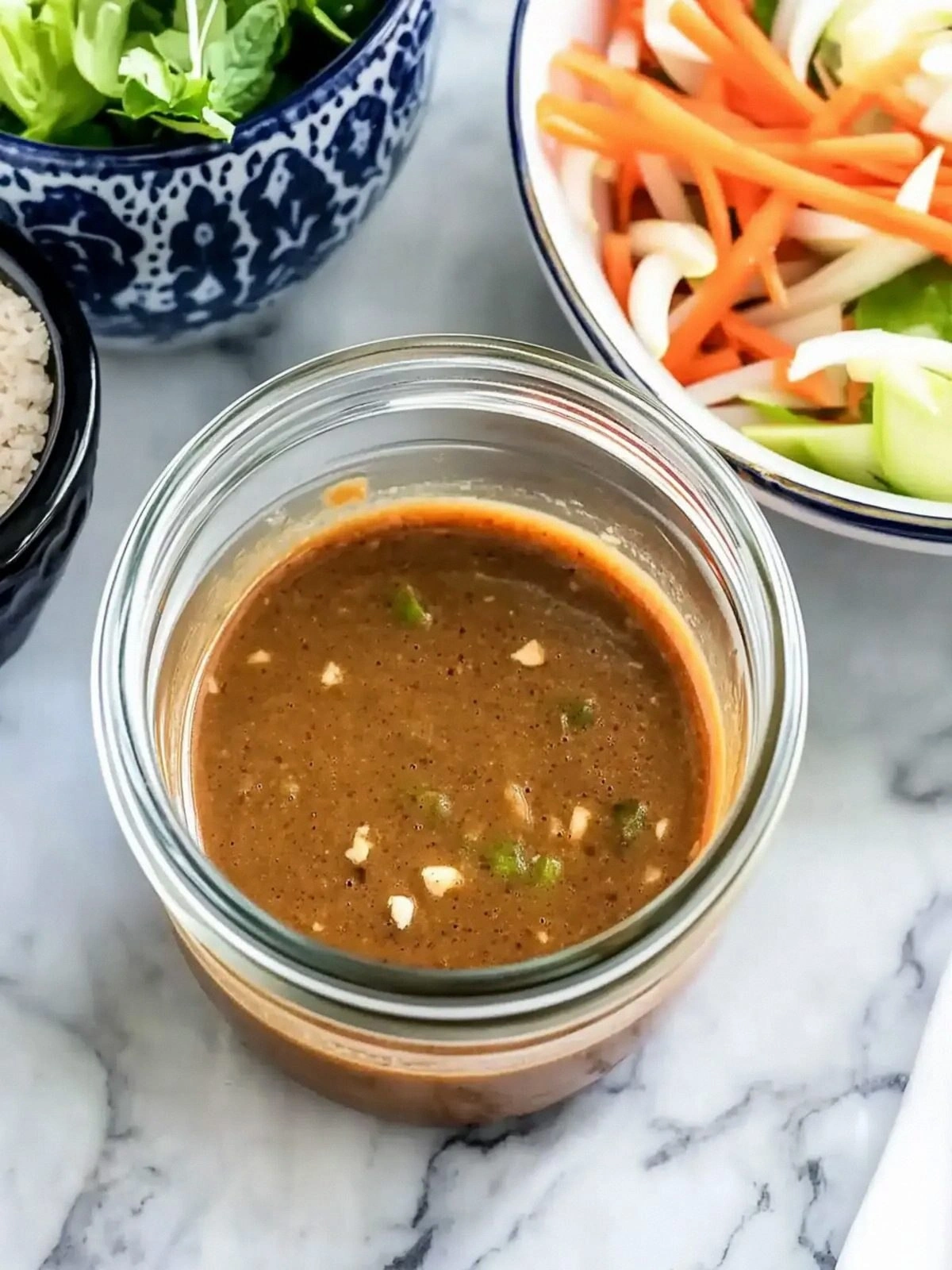
- Stir in the kecap manis and tamari, mixing until the sauces blend into a uniform, glossy mixture. The color should deepen to a rich amber hue, signaling that the umami has been fully incorporated.
- Pour in the maple syrup and stir vigorously; the sauce should begin to thicken slightly, creating a syrupy consistency that clings to noodles.
- Season with a pinch of salt and a crack of pepper to taste. Remember, you can always add more later, so start light.
- Taste the sauce and adjust as needed: if it’s too sweet, add a splash of vinegar; if it’s too acidic, a little more maple syrup. The goal is a balanced flavor that sings.
- Let the sauce rest for at least 5 minutes at room temperature. This resting period allows the flavors to marry, creating a richer profile.
- Store the sauce in a sealed jar in the refrigerator for up to a week. When you’re ready to use it, give it a quick stir to recombine any separated components.
That's it — you did it. But hold on, I've got a few more tricks that'll take this to another level...
Insider Tricks for Flawless Results
The Temperature Rule Nobody Follows
Temperature is everything when blending sauces. Keep the mixture at a gentle 70°C (158°F) while whisking; this ensures the sugars dissolve fully and the flavors meld without scorching. If you’re using a double boiler, this is the easiest way to maintain a consistent heat.
Why Your Nose Knows Best
The aroma of garlic sizzling is a reliable indicator of how the sauce is developing. A bright, clean scent means the garlic is still fresh; a dull, stale smell signals that the garlic has browned too much, which can introduce bitterness.
The 5-Minute Rest That Changes Everything
Many people skip the resting step, but giving the sauce a five‑minute pause at room temperature allows the tamarind’s acidity to mellow and the maple syrup’s sweetness to fully integrate. The result is a more cohesive, rounded flavor.
Use Fresh Garlic for Depth
I once used pre‑minced garlic, and the sauce tasted flat. Freshly minced garlic releases a more robust aroma, making the sauce feel alive. If you’re short on time, crush the garlic in a mortar and pestle to release essential oils quickly.
Add a Splash of Water for Reheating
When reheating the sauce, add a tablespoon of water or broth to prevent it from becoming too thick. This simple trick restores the sauce’s silky texture and keeps it from sticking to the pan.
Creative Twists and Variations
This recipe is a playground. Here are some of my favorite ways to switch things up:
Spicy Kick Edition
Add a tablespoon of crushed red pepper flakes or a dash of Sriracha to give the sauce a fiery edge. This variation is perfect for those who love a bit of heat without compromising the sauce’s balance.
Herb‑Infused Version
Stir in a handful of chopped fresh cilantro or Thai basil before serving. The herbs bring a burst of freshness that cuts through the sweetness and adds a new layer of aroma.
Miso Twist
Replace half of the tamari with white miso paste for a deeper, slightly sweet umami flavor. The miso adds complexity and a subtle earthiness that pairs well with grilled meats.
Coconut Cream Finish
Finish the sauce with a splash of coconut milk for a creamy, tropical finish. This version works wonderfully with seafood or as a dipping sauce for crispy spring rolls.
Low‑Sugar Alternative
Swap the maple syrup for a sugar‑free sweetener like monk fruit or stevia. This keeps the sauce sweet without the added calories, making it a great option for low‑carb diets.
Storing and Bringing It Back to Life
Fridge Storage
Keep the sauce in an airtight glass jar in the refrigerator for up to 7 days. The cool temperature preserves the acidity and prevents the sugars from crystallizing. When you’re ready to use it, give it a quick stir to recombine any separated components.
Freezer Friendly
For longer storage, pour the sauce into a silicone muffin tray, freeze until solid, then transfer the frozen portions into a zip‑lock bag. This method keeps the sauce in convenient, single‑serve portions that thaw quickly.
Best Reheating Method
Reheat the sauce over low heat in a small saucepan, stirring constantly. Add a splash of water or broth to maintain a silky texture. Avoid boiling, as high temperatures can cause the sugars to caramelize and alter the flavor.