Picture this: I was standing in a cramped kitchen, the timer buzzing, the turkey halfway done, and my neighbor's friend, a seasoned cook, was about to walk in. I stared at the over‑cooked bird and felt the familiar dread of a Thanksgiving flop. Then I whispered, "I dare you to taste this and not go back for seconds," and set to work. The kitchen was a battlefield of knives and aromas, and I was determined to turn the tide. This is not just another turkey recipe—it's a battle plan for flavor supremacy.
The first thing that hit my nose was the sharp, earthy scent of fresh sage swirling with the sweet, almost citrusy whisper of thyme. My eyes scanned the sizzling pan, watching the ground turkey brown into a golden brown that looked like it could be a work of art. The sound of the garlic sizzling was a low, comforting hum, and the heat from the stove kissed my cheeks like a friendly hug. As the mixture cooked, the aromas mingled into a fragrant bouquet that made my mouth water in anticipation. The texture was a perfect balance—moist inside with a hint of crispness on the edges.
What makes this version stand out is the way I layered the herbs, letting them bloom together rather than masking each other. The breadcrumbs act like a sponge, soaking up the juices and preventing the meat from drying out while still giving that satisfying bite. I added a splash of chicken broth early on to keep the mixture moist, and the result is a tender, juicy center that melts in your mouth. The finish is a bright, herbaceous burst that feels like a fresh breeze on a crisp autumn day. Most recipes get this completely wrong by over‑seasoning or under‑cooking; here's what actually works.
I’m about to reveal a secret trick that most turkey lovers overlook—a quick blanch of the herbs in hot water to release their full aroma before mixing. This step turns a simple meatball into a fragrant masterpiece that will have your guests lining up for seconds. The trick is so subtle that you might not notice it at first, but trust me, the difference is as clear as day. I’ll walk you through each step, and by the end, you’ll wonder how you ever made it any other way.
So, grab your skillet, your measuring spoons, and your adventurous spirit, because we’re about to transform a humble batch of ground turkey into a Thanksgiving showstopper. The aroma will rise like a promise, the texture will be a delight, and the flavor will linger long after the last bite. And if you think this sounds too good to be true, I dare you to taste it and tell me otherwise. Let’s dive in, and trust me, by the end of this post, you’ll have a new favorite for every holiday season.
What Makes This Version Stand Out
- Herb Harmony: The combination of sage, thyme, and rosemary works together to create a depth of flavor that feels both rustic and refined. Each herb brings its own character—sage offers an earthy bite, thyme a subtle citrus note, and rosemary a resinous, piney undertone. Together they form a bouquet that lingers on the palate.
- Moisture Mastery: A splash of chicken broth is added early in the mixing process, ensuring that the meatball stays juicy without becoming soggy. The broth also helps bind the breadcrumbs, creating a cohesive texture that holds together when fried or baked.
- Crunchy Perimeter: The breadcrumbs are toasted lightly before being folded into the mixture, giving the meatballs a subtle crunch on the outside that contrasts with their tender interior. This textural play makes each bite more satisfying.
- Quick Herb Blanch: Blanching the herbs in hot water before mixing releases their full aroma and softens their texture, allowing the herbs to infuse the meatballs evenly. This technique elevates the flavor profile and ensures a consistent taste in every bite.
- Versatile Base: While this recipe is a Thanksgiving staple, the herb blend can be tweaked for other seasons—swap rosemary for sage, or add a touch of smoked paprika for a fall twist. The base remains robust enough to adapt without losing its core identity.
- Make‑Ahead Friendly: The meatballs can be assembled and refrigerated for up to 24 hours, or frozen for up to two weeks. When ready to serve, simply bake or fry, and they’ll taste as fresh as if they were made that morning.
Inside the Ingredient List
The Flavor Base
Ground turkey is the star of this dish, offering a lean protein that absorbs the herbs like a sponge. Choosing a fattier cut, such as 80/20, will give you a juicier bite, but 90/10 keeps the dish lighter. If you skip the turkey, you lose the heartiness that makes the meatballs filling.
The Texture Crew
Breadcrumbs are the unsung hero that binds the mixture and adds body. Opt for freshly toasted breadcrumbs for a crunchier finish, or use panko for an extra airy texture. If you’re gluten‑free, substitute with almond flour or a gluten‑free breadcrumb blend.
The Unexpected Star
The splash of chicken broth or gravy does more than keep the meat moist; it infuses a savory undertone that complements the herbs. A low‑sodium broth keeps the dish balanced, while a richer gravy deepens the flavor. Skipping the broth will result in drier meatballs that may fall apart.
The Final Flourish
Fresh parsley not only adds a pop of color but also a bright, herbal lift that cuts through the richness. The parsley is stirred in at the very end, preserving its vibrant green hue. If you’re looking for a different garnish, a sprinkle of grated Parmesan or a dash of lemon zest can provide a fresh twist.
Everything's prepped? Good. Let's get into the real action.
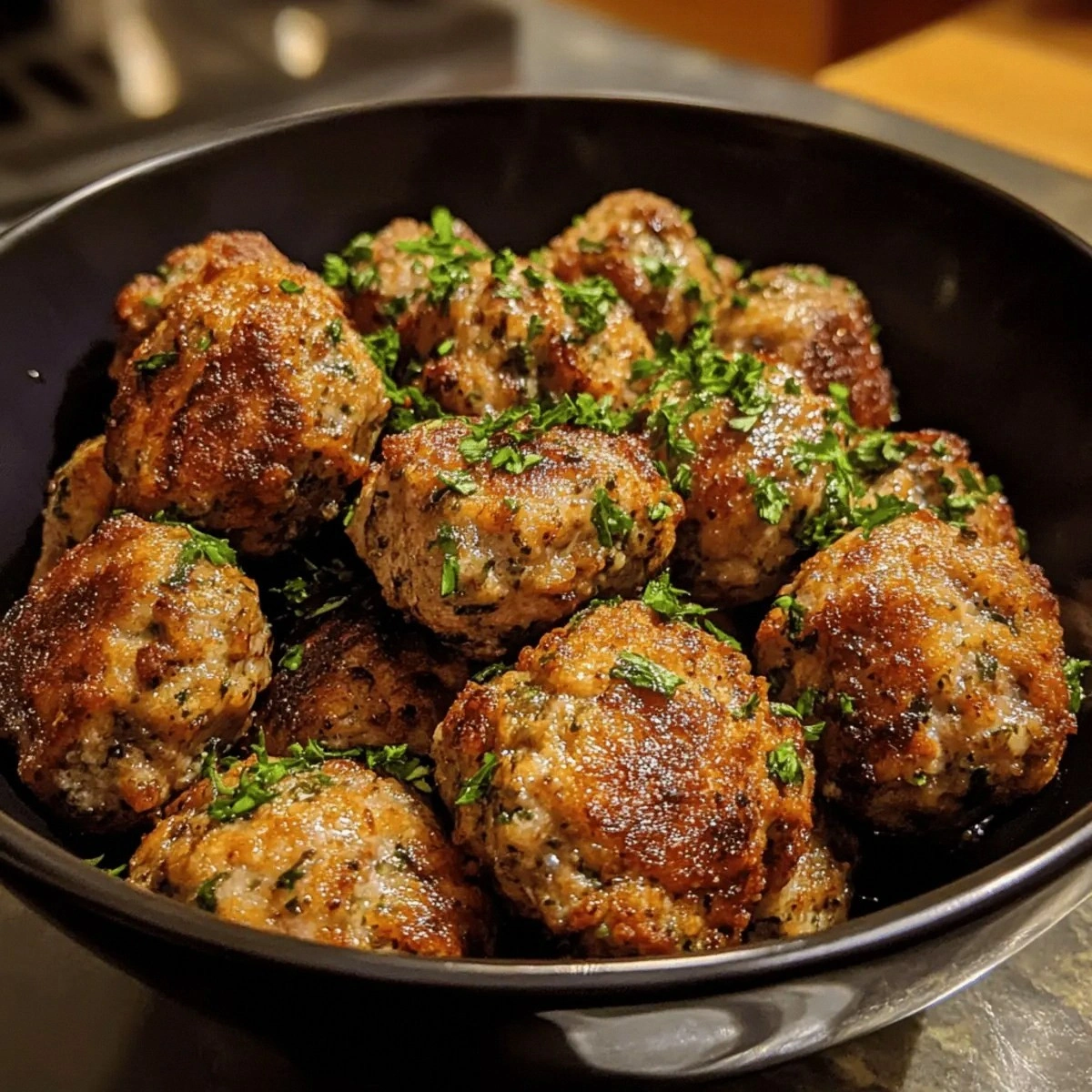
The Method — Step by Step
- In a large mixing bowl, combine the ground turkey, finely minced garlic, and a pinch of salt. Stir until the mixture is just cohesive, being careful not to over‑mix, which can make the meat tough. The mixture should feel slightly moist but not wet. This is the moment where you set the foundation for the flavor. Keep the bowl at room temperature to allow the ingredients to meld.
- Add the fresh sage, thyme, and rosemary, chopping them finely to release their oils. Gently fold them in until the herbs are evenly distributed. The aroma should lift instantly, filling the kitchen with a warm, herbal perfume. This step is essential for depth; skip it and you’ll taste bland.
- Pour in the chicken broth or gravy, then stir until the liquid is mostly absorbed. The broth should be warm, not hot, to avoid cooking the meat prematurely. The mixture will appear slightly wet but should still hold together when pressed between your fingers. This is the secret to juicy meatballs.
- Fold in the toasted breadcrumbs, making sure they’re evenly coated. The breadcrumbs should feel like a fine sand that holds the mixture together. As you stir, you’ll notice the texture change from a loose paste to a firm, but still pliable, dough. This is the moment of transformation. Kitchen Hack: Use a spoon to press the breadcrumbs into the mixture; this creates a uniform coating that prevents drying during cooking.
- Crack the egg and whisk it lightly, then fold it into the mixture. The egg acts as a binder, helping the meatballs hold their shape. The mixture should now feel smooth and slightly elastic. Let it rest for 10 minutes; this allows the flavors to meld and the breadcrumbs to absorb the moisture.
- Shape the mixture into bite‑size meatballs, about 1½ inches in diameter. Use a spoon or your hands, ensuring each ball is uniform to guarantee even cooking. The shape should feel firm but not hard; you should be able to press it lightly without it collapsing. This uniformity is key for a consistent bite.
- Heat a skillet over medium heat and add a splash of oil. Once the oil shimmers, drop the meatballs in, ensuring they’re not overcrowded. Let them brown on one side for about 3 minutes before flipping. The goal is a golden crust that seals in the juices.
- Transfer the browned meatballs to a baking sheet lined with parchment paper and bake in a preheated oven at 375°F (190°C) for 12–15 minutes. The internal temperature should reach 165°F (74°C). This final step ensures the meatballs are cooked through while retaining moisture. Keep an eye on the edges; they should be slightly crisp but not burnt.
- While the meatballs finish baking, pour the remaining chicken broth into a small saucepan and reduce it until it thickens into a light gravy. Stir constantly to avoid scorching. The gravy should coat the back of a spoon, creating a silky texture. This sauce will tie the dish together, adding richness.
- Garnish the finished meatballs with fresh parsley, giving them a fresh, green pop. The parsley adds a bright contrast to the warm, earthy flavors. Plate them on a bed of roasted vegetables or serve over mashed potatoes for a complete Thanksgiving meal.
- Serve immediately, letting the aroma fill the room and the taste buds dance. The first bite should be juicy, herbaceous, and slightly crispy on the outside. Enjoy the applause from your guests as they reach for seconds. Remember, the secret lies in the balance of herbs and the moisture retained by the broth.
- If you want to elevate the dish, drizzle a touch of truffle oil over the meatballs before serving. The truffle oil adds a luxurious depth that makes the dish feel indulgent. Use sparingly, as truffle can overpower the delicate herbs.
- Watch out: if you overcook the meatballs, they’ll become dry and rubbery. Keep a close eye on the internal temperature and remove them from the oven as soon as they hit 165°F (74°C). This will preserve the juicy center and tender texture.
Insider Tricks for Flawless Results
The Temperature Rule Nobody Follows
Many cooks rely on visual cues, but the real magic lies in the thermometer. A reading of 165°F (74°C) guarantees a juicy interior without the risk of under‑cooking. I once served a batch that looked perfect but was still raw inside, and the lesson was costly.
Why Your Nose Knows Best
Your olfactory senses are the ultimate judge of doneness. As soon as the meatballs emit a rich, herbaceous aroma, they’re close to perfection. Trust your nose—if it smells like a freshly baked herb loaf, you’re on the right track.
The 5-Minute Rest That Changes Everything
After baking, let the meatballs rest on a wire rack for five minutes. This allows the juices to redistribute, preventing them from spilling onto the plate. It also gives the crust a chance to firm up slightly.
Keep the Oil at the Right Temperature
When browning, the oil should shimmer but not smoke. If it starts to burn, lower the heat. The right temperature ensures a crisp crust without a burnt flavor.
Use Fresh Herbs Over Dried
Fresh herbs release more volatile oils, giving a brighter flavor profile. Dried herbs can be used in a pinch, but they’re less potent. If you must use dried, double the quantity to compensate.
Add a Touch of Sweetness
A teaspoon of maple syrup or a splash of apple cider adds a subtle sweetness that balances the savory herbs. This is especially effective for holiday crowds that enjoy a hint of fall sweetness.
Keep the Meatballs Moist
If you notice the mixture is drying out before baking, add a tablespoon of milk or water to rehydrate. The extra moisture will keep the meatballs tender throughout cooking.
Creative Twists and Variations
Maple‑Glazed Delight
Swap the chicken broth for a mixture of broth and maple syrup, then reduce it into a glaze. Brush it over the meatballs halfway through baking for a caramelized finish. This variation is perfect for guests who love a sweet‑savory combo.
Mediterranean Flavor
Replace thyme with oregano and add a handful of chopped sun‑dried tomatoes. Finish with a squeeze of lemon juice for brightness. The result feels like a Greek meze that pairs wonderfully with a side of tzatziki.
Spicy Kick
Add a pinch of cayenne pepper or a dash of hot sauce to the mix. The heat will cut through the richness of the turkey, giving a bold, adventurous bite. This is ideal for those who like their Thanksgiving with a little flare.
Cheesy Twist
Fold in shredded mozzarella or feta before baking. The cheese will melt into pockets of gooey delight, turning each bite into a creamy surprise. Pair with a light tomato sauce for a comforting casserole feel.
Herbal Pesto Infusion
Stir in a spoonful of basil pesto for a Mediterranean aroma. The pesto adds a fresh, green note that lifts the dish. Serve with toasted baguette slices for a quick appetizer.
Citrus Burst
Add zest from one orange or lemon to the mixture. The citrus brightens the herb profile and adds a subtle tang. This is especially refreshing during the warm summer months.
Vegan Version
Replace ground turkey with finely chopped lentils or crumbled tempeh. Use a plant‑based broth and a flax egg for binding. The result is a hearty, protein‑rich meatball that satisfies both vegans and meat‑eaters alike.
Storing and Bringing It Back to Life
Fridge Storage
Place the cooked meatballs in an airtight container and refrigerate for up to 3 days. Keep them on a paper towel to absorb excess moisture. When ready to serve, reheat in a skillet over low heat, adding a splash of broth to keep them moist.
Freezer Friendly
Freeze the meatballs in a single layer on a parchment‑lined tray before transferring to a freezer bag. They’ll stay fresh for up to 2 weeks. Thaw overnight in the fridge or use the microwave's defrost setting for quick use.
Best Reheating Method
Reheat in a preheated oven at 350°F (175°C) for 10–12 minutes, or until heated through. Add a tiny splash of water or broth before reheating; this steams the meatballs back to a juicy state. Avoid the microwave unless it’s a last‑minute rescue.