Picture this: you’re in the middle of a hectic Friday night, the fridge is a gray, lonely space, and your craving is a bright, citrus‑kissed salmon that seems to have slipped into a parallel universe. I was staring at a single fillet, thinking, “Maybe I’ll just grill it.” But the moment I opened my pantry, the idea exploded into a full‑blown sheet‑pan spectacle that turned my kitchen into a fragrant, sizzling stage. The smell of garlic and fresh herbs already began to dance around the room, and the sound of the oven preheating was like a drumbeat of anticipation. I was about to unleash a dish that would make the whole house smell like a seaside summer garden, even though it was a rainy Thursday.
I dare you to taste this and not go back for seconds. I promise the first bite will be a burst of citrus, a whisper of herbs, and a tender, flaky texture that melts in your mouth like butter on a hot skillet. It’s the kind of flavor that makes you pause, close your eyes, and think, “I never made it this good.” If you’ve ever tried a sheet‑pan salmon and felt it fell flat, you’re not alone. Most recipes get this completely wrong, missing the delicate balance between the bright lemon and the subtle heat of garlic. Here’s the secret: a thin layer of olive oil that locks in moisture, a generous splash of lemon juice that creates a glossy glaze, and fresh herbs that coat the fish like a velvet ribbon. The result is a dish that feels both humble and gourmet, simple enough for a weekday and spectacular enough for a weekend gathering.
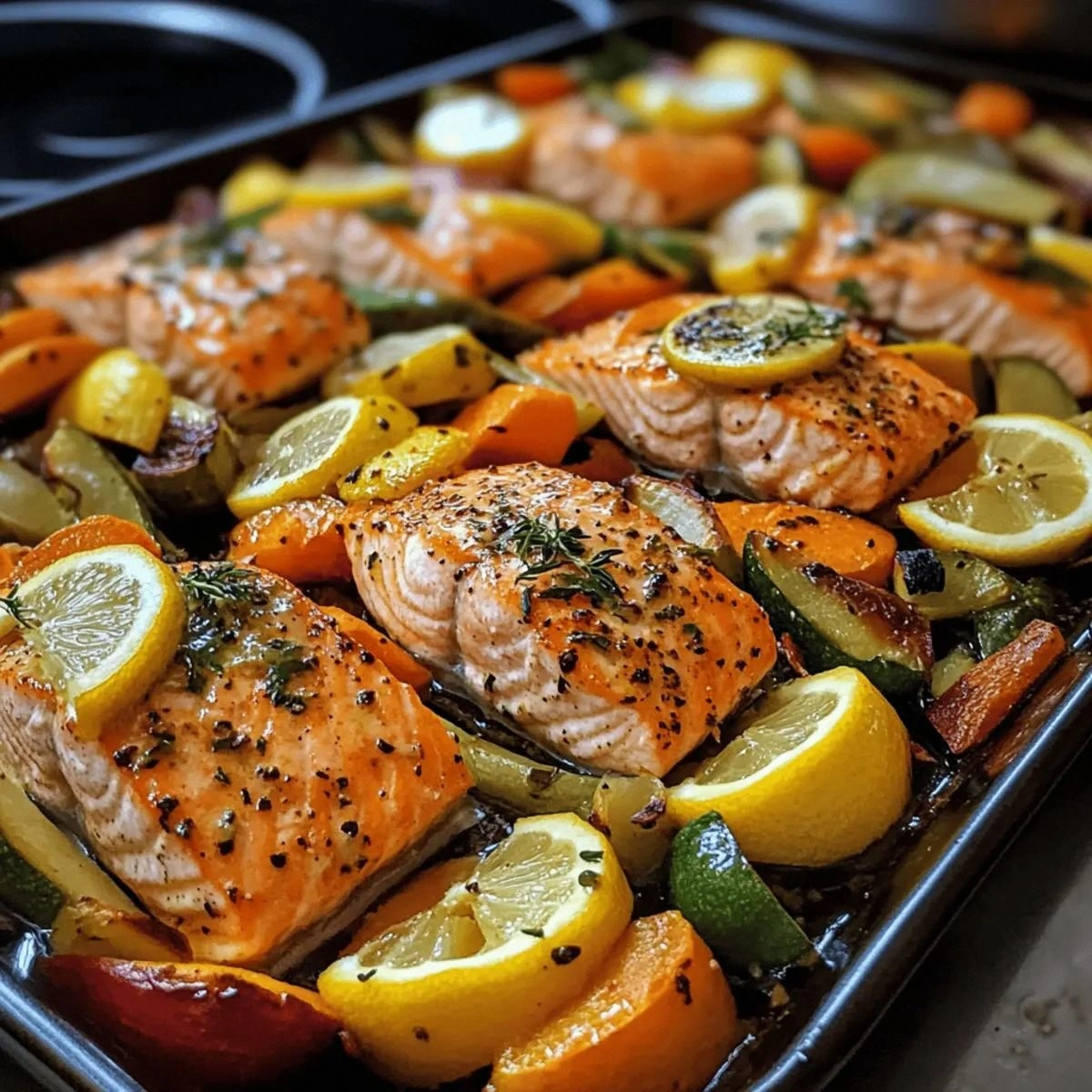
I’ll be honest – I ate half the batch before anyone else got to try it. That was because the combination of asparagus, cherry tomatoes, and zucchini turned out to be the perfect sidekick, each vegetable crisped to a golden edge while the salmon stayed moist and succulent. The whole plate feels like a symphony where every instrument has its moment. And if you’re wondering whether this is the best version you’ll ever make at home, the answer is a resounding yes. The flavors mingle, the textures contrast, and the aroma is so intoxicating that you’ll find yourself humming while you serve. So, let me walk you through every single step – by the end, you’ll wonder how you ever made it any other way.
What Makes This Version Stand Out
- Flavor: The bright citrus and fresh herbs create a vibrant profile that cuts through the richness of the salmon, turning every bite into a refreshing burst.
- Texture: The sheet‑pan technique locks moisture while crisping the edges of the vegetables, giving you a delightful contrast between tender fish and caramelized greens.
- Convenience: One pan, one pot cleanup, and a minimal prep time make this a winner for busy nights.
- Visual Appeal: The golden glaze, vibrant greens, and ruby tomatoes make the dish Instagram‑ready without extra effort.
- Adaptability: Swap the salmon for cod, tilapia, or even tofu for a vegetarian twist, and the flavor foundation stays intact.
- Crowd‑Pleaser: The combination of familiar veggies with a zingy sauce keeps both kids and adults coming back for seconds.
- Seasonality: Fresh herbs and asparagus are in peak season, but the dish can be made year‑round with frozen or canned alternatives.
- Nutrition: High in protein, low in carbs, and a good source of omega‑3 fatty acids, making it a balanced choice for any meal.
Alright, let's break down exactly what goes into this masterpiece. And before we dive into the ingredients, here's a quick kitchen hack to keep your sheet pan from sticking.
Inside the Ingredient List
The Flavor Base
Fresh lemon juice is the star that brightens the entire dish. It’s not just about acidity; it also helps the olive oil form a glossy, caramelized coating that locks in moisture. If you’re in a pinch, a splash of white wine or a teaspoon of Dijon mustard can mimic the acidity while adding a subtle depth. When you skip the lemon, the salmon becomes a plain, buttery canvas that fails to pop.
The Texture Crew
Asparagus, cherry tomatoes, red onion, and zucchini each bring a distinct mouthfeel. The asparagus sticks to a crisp snap, the tomatoes burst with juice, the onion softens into sweet caramel, and the zucchini offers a silky, almost buttery bite. Together they create a mosaic of textures that complement the flaky salmon. If you prefer a single vegetable, keep the asparagus for crunch and let the zucchini provide a velvety backdrop.
The Unexpected Star
Garlic is more than a background note; it’s the backbone that ties the herbs and lemon together. Minced or thinly sliced, garlic releases a warm, comforting aroma that permeates the entire pan. If you’re a garlic purist, double the cloves; if you’re more cautious, reduce to two. The key is to let the garlic cook until it turns golden, not burnt, to avoid bitterness.
The Final Flourish
Fresh herbs—parsley, dill, or thyme—add a green, herbaceous lift that balances the richness of the salmon. A handful of chopped herbs tossed in at the end provides a burst of color and a fresh, slightly peppery finish. If you’re out of fresh herbs, a tablespoon of dried herbs will do, but the aroma and flavor will be noticeably muted.
Everything's prepped? Good. Let's get into the real action.
The Method — Step by Step
- Preheat the Oven: Set your oven to 400°F (200°C). While it heats, line a large baking sheet with parchment paper or a silicone mat. This prevents sticking and makes cleanup a breeze. The oven’s steady heat ensures a uniform caramelization across all veggies.
- Prep the Salmon: Pat the fillets dry with paper towels. A dry surface allows the oil and lemon to form a proper glaze. Lightly season both sides with salt and pepper, letting the flavors seep into the flesh. If you’re a fan of a slightly spicy kick, add a pinch of cayenne or smoked paprika.
- Marinate the Veggies: Toss asparagus, cherry tomatoes, sliced red onion, and zucchini in a bowl with olive oil, minced garlic, and a splash of lemon juice. The oil coats each piece, preventing them from drying out during roasting. The lemon not only adds brightness but also helps the garlic bloom.
- Arrange on Sheet Pan: Spread the veggies in a single layer, leaving space between each piece. Place the salmon fillets on top, skin side down if the skin is present. The arrangement ensures that the salmon’s juices seep into the vegetables, creating an integrated flavor profile.
- Roast: Bake for 18–22 minutes, depending on the thickness of the fillets. The salmon should reach an internal temperature of 145°F (63°C) and easily flake with a fork. The veggies will have a golden edge and a slightly caramelized center.
- Finish with Fresh Herbs: Remove the pan from the oven and immediately sprinkle chopped fresh herbs over the salmon and vegetables. The residual heat will release their aroma without wilting them. This step adds a fresh, green note that balances the richness.
- Plate and Serve: Arrange the salmon fillets on a platter, surrounding them with the roasted vegetables. Garnish with lemon wedges for an extra burst of citrus. The plate should look like a vibrant, edible garden.
- Optional Glaze: For an extra shine, drizzle a thin layer of olive oil over the finished dish. The glossy finish makes the salmon look even more appetizing and adds a subtle oiliness that complements the lemon.
That’s it — you did it. But hold on, I've got a few more tricks that'll take this to another level. These insider tips will help you avoid common pitfalls and elevate the flavor profile even further.
Insider Tricks for Flawless Results
The Temperature Rule Nobody Follows
Many cooks keep the oven at a low temperature to avoid overcooking the salmon, but that actually prevents the vegetables from caramelizing. A steady 400°F (200°C) is the sweet spot: it cooks the fish through while giving the veggies a nice sear. If your oven runs hot, simply reduce the temperature by 25°F and extend the cooking time by a few minutes.
Why Your Nose Knows Best
The first scent that hits you as the salmon bakes is the citrusy perfume of lemon and the warm, garlicky aroma. Trust that smell; it means the oil is coating the fish and the vegetables properly. If the aroma is muted, the oil may have been too thin, so add a splash more olive oil before baking.
The 5-Minute Rest That Changes Everything
Let the salmon rest for five minutes after pulling it from the oven. This allows the juices to redistribute, keeping the fillets moist and flavorful. The resting period also gives the herbs a chance to release their oils, enhancing the overall taste.
The Garlic Timing Trick
Adding garlic too early can lead to a bitter flavor if it burns. Toss the garlic with the veggies just before roasting, so it has enough time to soften and develop sweetness without scorching.
The Lemon Wedge Finale
Serve with extra lemon wedges on the side. A squeeze of fresh lemon right before eating brightens the dish and cuts through the richness. It also gives your guests the option to adjust the citrus level to their liking.
Creative Twists and Variations
This recipe is a playground. Here are some of my favorite ways to switch things up:
Mediterranean Medley
Swap the asparagus for artichoke hearts and replace the zucchini with roasted bell peppers. Add a sprinkle of feta cheese after baking for a creamy, salty finish. The Mediterranean flavors pair wonderfully with the lemon‑herb base.
Spicy Cajun Kick
Stir a tablespoon of Cajun seasoning into the olive oil before tossing the veggies. The smoky heat complements the citrus, creating a bold, flavorful dish that’s perfect for a summer cookout.
Herb‑Infused Cream Sauce
After roasting, whisk together a splash of heavy cream, a teaspoon of Dijon mustard, and the fresh herbs. Drizzle over the salmon for a silky, herb‑laden sauce that elevates the dish to a restaurant‑quality level.
Gluten‑Free Twist
Use a gluten‑free soy sauce or tamari instead of regular soy sauce in the seasoning mix. Add a pinch of ground ginger for an extra layer of warmth. This variation keeps the dish gluten‑free while maintaining depth of flavor.
Vegan Version
Replace the salmon with marinated tofu or tempeh. Use a plant‑based oil and a vegan lemon‑herb dressing. The tofu absorbs the citrusy glaze, delivering a protein‑rich, plant‑based main that satisfies everyone at the table.
Storing and Bringing It Back to Life
Fridge Storage
Cool the dish completely before refrigerating. Store in an airtight container for up to 3 days. The salmon will stay moist, and the vegetables will retain their crispness if you keep the sauce separate until serving.
Freezer Friendly
Wrap the salmon fillets individually in parchment paper and place them in a freezer bag. Freeze the vegetables separately in a sealed bag. Reheat in the oven at 350°F (175°C) for 15 minutes, then finish with fresh herbs for a fresh taste.
Best Reheating Method
Reheat in a skillet over medium heat, adding a splash of water or broth to create steam. This method prevents the fish from drying out and keeps the vegetables from becoming soggy. Finish with a quick squeeze of lemon for that fresh kick.