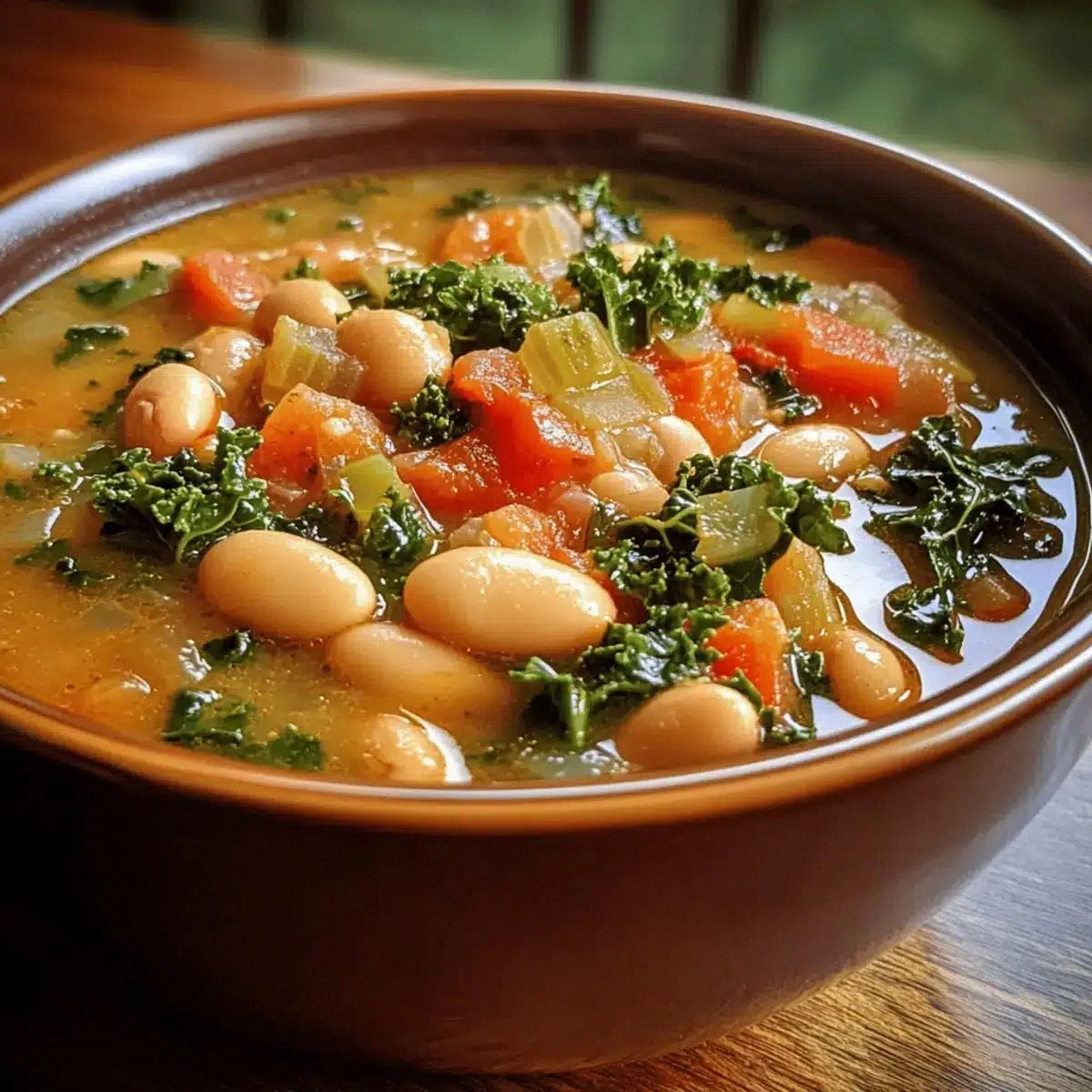
Picture yourself pulling this out of the crockpot, the whole kitchen smelling incredible, and a pot of golden, fragrant stew waiting to be ladled into bowls. The steam curls like a warm blanket, the aroma lingers, and you know that you’re about to enjoy a meal that’s as comforting as a childhood memory. The moment you taste it, you’ll realize you’ve just discovered a new staple that can be whipped up in minutes, yet feels like it took hours to craft.
If you’ve ever struggled with a bean stew that ends up dry or bland, you’re not alone—and I’ve got the fix. The trick is to start with a flavorful base, let the beans soften slowly, and add the greens at the right time so they’re tender but not mushy. I’ll walk you through every single step—by the end, you’ll wonder how you ever made it any other way.
Okay, ready for the game‑changer? This next part is pure magic. We’re going to layer flavors, textures, and aromas like a chef in a Michelin‑star kitchen, but with the simplicity of a Sunday pot roast. And trust me, once you’ve tasted this, you’ll never look back at the other white bean recipes you’ve tried. Let’s dive in.
Stay with me here—this is worth it. The next section will break down exactly what goes into this masterpiece, and I’ll sprinkle in a few kitchen hacks that’ll make your life easier. Ready? Let’s go.
What Makes This Version Stand Out
- Flavor: The combination of garlic, thyme, and bay leaves creates a fragrant foundation that elevates the humble white bean into a gourmet experience.
- Texture: Beans remain creamy yet slightly al dente, while kale stays crisp enough to add a satisfying bite.
- Ease: A single‑pot, low‑effort approach means you can set it and forget it while you run errands or relax.
- Nutrition: Packed with plant‑based protein, fiber, and iron, this stew satisfies both your taste buds and your body.
- Versatility: Whether you’re feeding a crowd or a single person, the recipe scales effortlessly.
- Time‑saving: While the beans soak overnight, the rest of the cooking time is just a few minutes of prep and a few hours of slow‑cooking.
- Comfort Factor: The warm, earthy broth feels like a hug in a bowl, making it perfect for chilly evenings.
Alright, let's break down exactly what goes into this masterpiece. Each ingredient plays a starring role, and together they create a dish that’s both comforting and sophisticated.
Inside the Ingredient List
The Flavor Base
Onion is the aromatic cornerstone of this stew. When sautéed until translucent, it releases a subtle sweetness that balances the earthiness of the beans. The onion’s caramelization adds depth, creating a base that’s both savory and comforting. If you skip the onion, the stew will feel flat and lack the complex layers that make it memorable.
Garlic brings a punch of warmth and depth. It’s sautéed with the onion to develop a mellow, toasted flavor that permeates the broth. Garlic also contributes subtle health benefits, such as boosting immunity and reducing inflammation. If you’re sensitive to garlic, reduce the cloves to two, but keep at least one for that essential aroma.
Vegetable broth is the liquid canvas that binds all elements together. It should be low‑sodium to give you control over the final seasoning. The broth’s richness allows the beans to absorb flavors while keeping the stew moist. A homemade broth adds a personal touch, but a good quality store‑bought option works just fine.
Olive oil is the silky medium that brings everything together. It adds a subtle fruity note and helps the aromatics bloom. A drizzle of extra‑virgin olive oil before adding the onions and garlic gives the stew a luxurious mouthfeel. If you prefer a lighter version, use a neutral oil like canola or grapeseed.
The Texture Crew
Dry white beans are the star of the show. They provide a hearty, protein‑rich foundation that keeps you full and satisfied. Soaking the beans overnight reduces cooking time and improves digestibility. If you’re short on time, use canned beans, but be sure to rinse them to remove excess sodium.
Carrots add a natural sweetness and a pop of color. When cooked until tender, they contribute a subtle crunch that contrasts with the softness of the beans. They also bring beta‑carotene and vitamin A to the dish, enhancing its nutritional profile. If you don’t have carrots, zucchini or sweet potatoes make excellent substitutes.
Bay leaves infuse the stew with an earthy, slightly floral aroma. They should be added early in the cooking process so their flavor has time to develop. Bay leaves are best removed before serving, as they can be tough and unpleasant to chew. A single bay leaf is enough to elevate the entire dish.
The Unexpected Star
Fresh kale is the green powerhouse that brings both nutrition and texture. When sautéed briefly before adding to the broth, kale releases its bitterness, making it mellow and tender. Kale’s high vitamin K and fiber content boost the stew’s health quotient. If you prefer a milder green, spinach or collard greens can be swapped in.
Thyme provides a subtle herbal note that complements the earthy beans and bright kale. It’s added early in the cooking process to allow its flavors to infuse the broth. Thyme’s slightly minty undertone adds a refreshing contrast to the richness of the dish. A pinch of dried thyme works if fresh isn’t available.
The Final Flourish
Salt to taste is essential for balancing the flavors. Too little salt and the stew will taste flat; too much and it becomes overpowering. Start with a small pinch, taste, and adjust as needed. Remember, the beans absorb some salt during cooking, so you might need to season towards the end.
Black pepper to taste adds a subtle heat and depth. Freshly ground pepper brings a bright, pungent note that cuts through the richness of the stew. It also offers a mild digestive aid. If you prefer a spicier kick, add a pinch of crushed red pepper flakes.
Olive oil, already mentioned as part of the flavor base, also serves as the final flourish that coats the beans and veggies, giving the stew a silky, luxurious mouthfeel.
Everything's prepped? Good. Let's get into the real action, where the magic really happens.
The Method — Step by Step
- Step 1: Rinse the dry white beans under cold water, removing any debris. Drain thoroughly and set aside. Soaking overnight or using the quick soak method will reduce cooking time and improve digestibility. If you’re short on time, skip the soaking and use canned beans, rinsed and drained.
- Step 2: In your crockpot, heat the olive oil over medium heat on the stovetop, then add the diced onion. Sauté until translucent, about 3-4 minutes, stirring occasionally. The onions should soften and develop a subtle golden hue, signaling readiness to absorb the garlic.
- Step 3: Add the minced garlic to the onions and cook for an additional 30 seconds until fragrant. The aroma should be intoxicating, like a fresh garden in summer. This quick burst of garlic releases its essential oils, creating a base that’s both aromatic and flavorful.
- Step 4: Add the soaked beans, chopped carrots, bay leaves, thyme, and vegetable broth to the crockpot. Stir to combine, ensuring the beans are fully submerged. The broth should cover the beans by at least an inch; if not, add a splash more water or broth.
- Step 5: Cover and cook on low for 6-7 hours or on high for 3-4 hours. The beans should be tender yet still hold their shape. During the last 30 minutes, add the fresh kale in handfuls, stirring each addition until wilted. The kale will release a bright green hue that signals it's ready.
- Step 6: Remove the bay leaves and discard. Taste the stew, then season with salt and pepper to your preference. The broth should have a balanced flavor—neither too salty nor too bland. If it’s too thick, add a splash of water or broth to reach your desired consistency.
- Step 7: Let the stew rest for 5 minutes before serving. This brief pause allows the flavors to meld, resulting in a richer taste. The rest period also helps the beans absorb any remaining liquid, creating a silky texture.
- Step 8: Serve hot, garnished with a drizzle of extra‑virgin olive oil or a sprinkle of fresh herbs like parsley or chives. Pair with crusty bread, roasted root vegetables, or a side of quinoa for a complete meal. Enjoy the comforting, hearty flavors that make this stew unforgettable.
That’s it — you did it. But hold on, I’ve got a few more tricks that’ll take this to another level, turning a simple stew into a showstopper.
Insider Tricks for Flawless Results
The Temperature Rule Nobody Follows
Many people think crockpot recipes are all about low and slow, but the initial temperature setting can make or break the flavor. Start on high for the first hour to bring the broth to a gentle simmer, then reduce to low. This method ensures the beans cook evenly and the aromatics bloom fully. A quick test: if the liquid bubbles lightly after the first hour, you’re on the right track.
Why Your Nose Knows Best
Your olfactory senses are your best ally in seasoning. The moment the stew begins to steam, inhale deeply. A fragrant aroma signals that the beans are tender and the broth has developed depth. If the smell feels flat, give it another 10 minutes and taste. Your nose is a reliable guide to culinary perfection.
The 5-Minute Rest That Changes Everything
Resting the stew after cooking is often overlooked, but it’s a game‑changer. Letting the dish sit allows the flavors to marry, and the beans to settle into the broth’s richness. This brief pause also helps the kale finish cooking without over‑softening. A quick 5‑minute rest is all you need for a dramatic flavor upgrade.
The Secret of Fresh Kale
Fresh kale is more forgiving than frozen, but it can still wilt if not added properly. Add the kale in layers, allowing each batch to wilt before adding the next. This technique preserves the bright color and subtle crunch. If you’re short on time, a quick sauté in a hot pan before adding to the pot will help maintain texture.
The Power of a Simple Stir
Occasionally give the stew a gentle stir during the last hour of cooking. This prevents the beans from sticking to the bottom and ensures even heat distribution. A quick stir is like a gentle massage, coaxing every component to harmonize. It’s a small step that yields big results.
The Final Touch of Heat
If you enjoy a hint of heat, add a pinch of crushed red pepper flakes during step 4. This subtle spice complements the earthiness without overpowering the dish. The pepper’s heat will mellow as the stew simmers, leaving a pleasant warmth that lingers on the palate.
With these insider tricks, you’re not just cooking—you’re mastering the art of a perfect stew. Each tweak is a small investment of time that pays off in flavor and satisfaction.
Creative Twists and Variations
This recipe is a playground. Here are some of my favorite ways to switch things up:
Smoky Chipotle Twist
Add a teaspoon of chipotle powder or a splash of adobo sauce to the broth during step 4. The smoky heat pairs beautifully with the beans and kale, giving the stew a bold, southwestern flair. Serve with corn tortillas for a complete meal.
Mediterranean Medley
Swap the bay leaves for a bay leaf and a sprig of rosemary. Add a handful of sun‑dried tomatoes and finish with a drizzle of balsamic reduction. The Mediterranean flavors bring a bright, tangy contrast that’s refreshing.
Indian Spice Infusion
Replace thyme with a teaspoon of garam masala and add a pinch of turmeric during step 4. The warm spices will infuse the stew with depth and color. Serve over basmati rice for an aromatic, comforting dish.
Breakfast Boost
Serve the stew with a poached or fried egg on top. The runny yolk adds richness and protein, turning the dish into a hearty breakfast. Sprinkle chopped chives for a fresh, oniony finish.
Vegan Power Bowl
Add a scoop of cooked quinoa or barley during step 5 for extra texture and protein. Top with roasted chickpeas and a drizzle of tahini sauce. The bowl becomes a balanced, plant‑based meal that satisfies both taste and nutrition.
Comforting Chicken Upgrade
Add diced, shredded rotisserie chicken during step 6. The chicken adds protein and a savory depth that complements the beans. The stew becomes a filling, protein‑rich meal that’s perfect for a cozy night in.
The possibilities are endless, and each variation brings its own flavor profile to the table. Experiment, taste, and enjoy the creative process.
Storing and Bringing It Back to Life
Fridge Storage
Cool the stew to room temperature before refrigerating. Transfer it to an airtight container and store for up to 4 days. The beans and kale remain tender, and the broth retains its richness. When you’re ready to eat, reheat gently on the stovetop.
Freezer Friendly
Divide the stew into freezer‑safe portions and freeze for up to 3 months. Thaw overnight in the refrigerator before reheating. The beans will stay firm, and the kale will maintain its texture. Add a splash of water or broth during reheating to restore the original consistency.
Best Reheating Method
Reheat the stew on the stovetop over low heat, stirring occasionally. Add a small splash of water or broth to achieve a silky, pourable consistency. Keep the heat low to avoid over‑cooking the kale, which can become mushy.
Add a tiny splash of water before reheating — it steams back to perfection, keeping the stew silky and full of life. The final result is a warm, comforting bowl that tastes as good as the day it was made.