It was a Friday night, the kind that starts with a grocery list that turns into a culinary scavenger hunt. I was supposed to make a simple pasta, but the pantry felt like a forgotten treasure chest and my taste buds demanded something more daring. That night, a stray basil sprig in the fridge caught my eye, and I decided to turn it into a sauce that would make my friends question their own cooking. The result? A tomato‑basil pasta that feels like a summer breeze in a bowl, yet packs the comforting depth of a slow‑cooked stew.
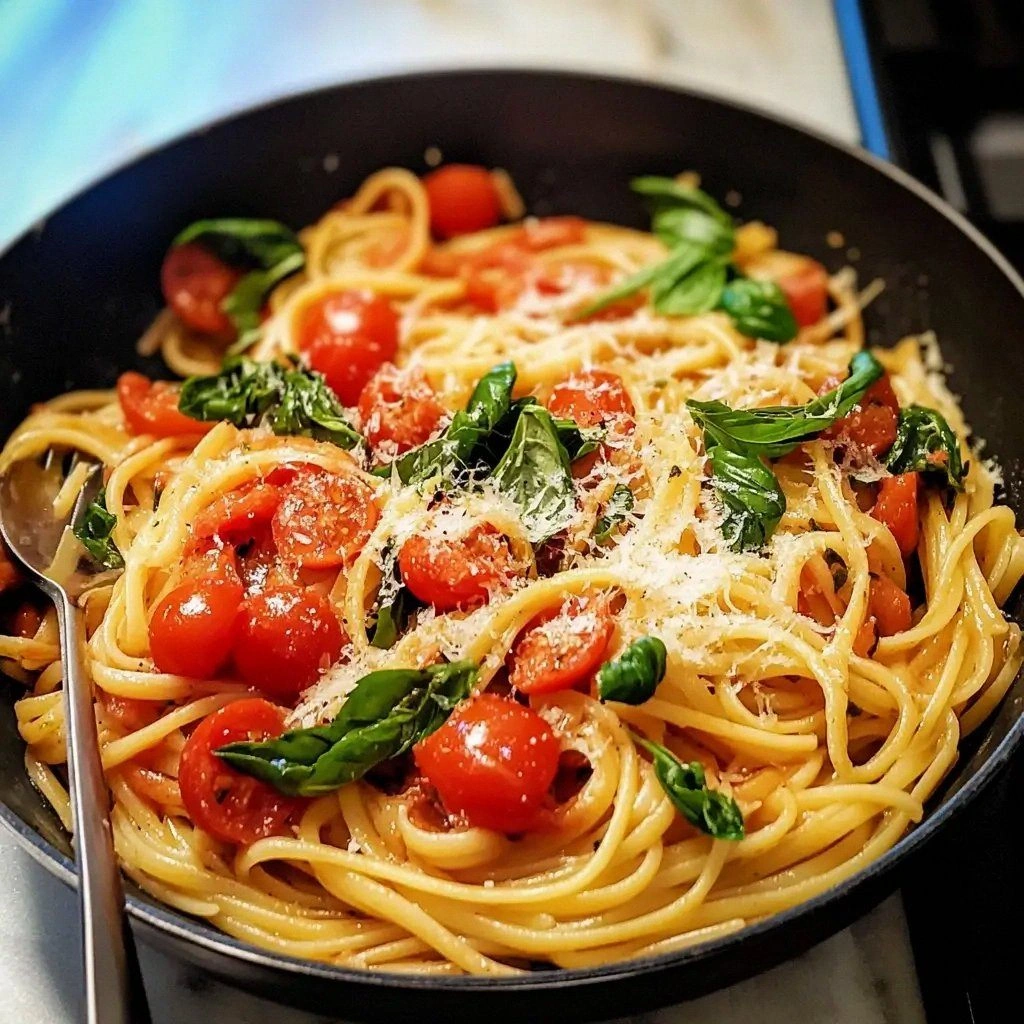
Picture the scene: a bright kitchen, the scent of fresh tomatoes sizzling in olive oil, the green basil leaves glistening like emerald confetti. The sound of garlic chopping fills the air, a rhythmic clatter that promises flavor. As the sauce simmers, steam rises, carrying a perfume that makes even the most skeptical foodie pause. When the pasta finally meets the sauce, it’s a splash of color, a swirl of green against ruby, and a promise of silky texture that clings to every strand.
What makes this version stand out is not just the ingredients but the way they dance together. I’ve stripped the sauce down to its purest elements, letting the tomatoes shine while the basil adds a fresh, aromatic lift. The olive oil isn’t just a base; it’s a silky medium that carries the flavors and gives the sauce a glossy finish. And the finish? A dusting of Parmesan that melts into a velvety coating, making each bite feel indulgent without being heavy.
I dare you to taste this and not go back for seconds. Most pasta recipes get the sauce too thin or the seasoning too bland. Here, every component is amplified, every bite is a burst of sunshine, and the finish lingers like a gentle after‑taste that keeps you coming back. This isn’t just another recipe; it’s a declaration that simple ingredients can create extraordinary moments.
If you’ve ever struggled with sauce consistency, you’re not alone—yet you’ll find the fix right here. I’ll be honest—I ate half the batch before anyone else got to try it. The rest of the article will walk you through each step, revealing the techniques that make this sauce sing. By the end, you’ll wonder how you ever made it any other way, and you’ll be ready to impress yourself and everyone around the table.
What Makes This Version Stand Out
- Taste: The balance of acidity from tomatoes and sweetness from a pinch of sugar creates a flavor profile that feels both bright and comforting. The basil’s freshness cuts through the richness, leaving a clean finish.
- Texture: The sauce coats the pasta like velvet, thanks to the careful reduction and the inclusion of olive oil that creates a silky mouthfeel. No clumps, no gritty bits.
- Ingredient Quality: Using heirloom tomatoes and fresh basil ensures that every bite bursts with natural flavor, making the dish feel like a seasonal celebration.
- Simplicity: Only ten ingredients, all of which are pantry staples. No need for exotic spices or complicated steps.
- Crowd Reaction: Friends who usually avoid pasta will find this dish irresistible; even picky eaters love the fresh basil and the creamy Parmesan finish.
- Make‑Ahead Potential: The sauce can be made a day ahead, and the pasta can be reheated with a splash of water to revive its texture.
Inside the Ingredient List
The Flavor Base
Tomatoes are the heart of this sauce. They provide a natural sweetness and acidity that cuts through the richness of olive oil. If you skip them, the dish loses its vibrant color and depth. For the freshest taste, choose ripe, slightly firm tomatoes that hold their shape when diced. A quick tip: blanch the tomatoes in boiling water for 30 seconds, then shock in ice water to make peeling effortless.
The Texture Crew
Pasta is the canvas that holds the sauce. I recommend a classic spaghetti or linguine; the long strands pick up the sauce beautifully. If you prefer a heartier bite, switch to penne or rigatoni. The key is to cook the pasta al dente—firm to the bite—so it doesn’t become mushy once the sauce is added. Reserve a cup of pasta water; its starch will help bind the sauce to the noodles.
The Unexpected Star
Fresh basil isn’t just for garnish. It’s an aromatic powerhouse that adds a green, slightly peppery note to the sauce. Tear the leaves instead of chopping; tearing releases essential oils and gives a more pronounced flavor. If basil is out of season, dried basil can be used, but it won’t have the same fresh punch. A pinch of fresh lemon zest can also brighten the sauce, creating a subtle citrus lift.
The Final Flourish
Parmesan cheese brings creaminess and umami. Grate it finely so it melts into the sauce without clumping. The amount of cheese can be adjusted to taste; more cheese gives a richer finish, while less keeps the sauce lighter. If you’re vegan, substitute nutritional yeast for a cheesy flavor without dairy.
Everything’s prepped? Good. Let’s get into the real action and bring these flavors together.
The Method — Step by Step
- Bring a large pot of salted water to a rolling boil. Add the pasta and cook according to package instructions until al dente, usually 8–10 minutes. Reserve one cup of pasta water before draining. The pasta’s starch will help the sauce cling later.
- While the pasta cooks, heat the olive oil in a large skillet over medium heat. Add the minced garlic and sauté until fragrant, about 30 seconds, being careful not to burn it. Garlic’s bitterness will mellow into a sweet, aromatic base.
- Add the diced tomatoes to the skillet. Stir to combine, then season with salt, pepper, and red pepper flakes if using. Let the mixture simmer for 10 minutes, allowing the tomatoes to break down into a thick, chunky sauce.
- Introduce the basil leaves, tearing them into smaller pieces. Stir the basil into the sauce, letting it wilt and release its oils. The sauce should now have a vibrant green swirl. This step is the moment of truth—watch the color change.
- Turn off the heat and stir in the grated Parmesan. The cheese melts into the sauce, creating a silky, cohesive texture. If the sauce feels too thick, a teaspoon of olive oil or a splash of pasta water can help smooth it out.
- Add the cooked pasta to the sauce, tossing gently to coat each strand. If the mixture seems dry, sprinkle a little reserved pasta water until you reach the desired consistency. The pasta should feel coated, not drenched.
- Serve immediately, garnishing with a handful of fresh basil and an extra sprinkle of Parmesan. The dish should look vibrant, the sauce should look glossy, and the aroma should be unmistakably fresh.
That’s it—you did it. But hold on, I’ve got a few more tricks that will elevate this dish from good to unforgettable.
Insider Tricks for Flawless Results
The Temperature Rule Nobody Follows
Keep the sauce at a gentle simmer, not a rolling boil. A high heat can evaporate the tomatoes too quickly, concentrating sweetness and losing acidity. I’ve found that a steady, low heat allows the flavors to meld without overcooking the basil, preserving its bright aroma.
Why Your Nose Knows Best
Smell the sauce as it cooks. When it’s ready, the scent should be a sweet, garlicky perfume with a hint of tomato tang. If it feels too raw, give it a few more minutes; if it’s too sweet, add a splash of vinegar or a pinch of sugar to balance.
The 5-Minute Rest That Changes Everything
Let the sauce sit for five minutes after turning off the heat. This resting period allows the flavors to deepen and the Parmesan to fully integrate, creating a smoother finish. A friend once skipped this step and the sauce tasted flat—lesson learned.
The Secret of Pasta Water
Reserve at least one cup of pasta water before draining. Its starch content is the glue that binds sauce to noodles. A splash of this water during the final toss can transform a dry dish into a silky masterpiece.
The Final Touch of Freshness
Finish with a squeeze of fresh lemon juice or a sprinkle of lemon zest. It brightens the dish and cuts through the richness, giving the sauce a lively finish. I’ve seen this simple addition turn an ordinary plate into a showstopper.
Creative Twists and Variations
This recipe is a playground. Here are some of my favorite ways to switch things up:
Creamy Spinach Surprise
Fold in a cup of fresh spinach during the final pasta toss. The spinach wilts, adding a subtle earthiness and a pop of green that complements the basil.
Spicy Arrabbiata Kick
Add an extra teaspoon of red pepper flakes or a dash of hot sauce to the sauce. The heat will dance against the sweet tomatoes, creating a fiery, aromatic experience.
Mediterranean Twist
Replace half the pasta with couscous or quinoa for a different texture. Toss in a handful of kalamata olives and capers for briny depth.
Cheese Lover’s Delight
Mix in 1/4 cup of shredded mozzarella or ricotta during the final stir. The cheeses melt into the sauce, giving it a gooey, indulgent quality.
Herb Garden Edition
Swap basil for a mix of fresh oregano, thyme, and parsley. This herb blend offers a more complex aromatic profile, ideal for a rustic dinner.
Vegan Version
Use a plant‑based Parmesan alternative and replace the olive oil with a neutral‑flavored oil. The dish remains comforting while staying dairy‑free.
Storing and Bringing It Back to Life
Fridge Storage
Cool the sauce completely, then transfer it to an airtight container. Store in the refrigerator for up to three days. The sauce thickens slightly, so when reheating, add a splash of water to regain its silky consistency.
Freezer Friendly
Freeze the sauce in a freezer‑safe container for up to two months. Thaw overnight in the fridge, then reheat on the stove with a splash of water. The pasta can also be frozen separately; just reheat with sauce to prevent drying.
Best Reheating Method
Reheat the sauce gently over low heat, stirring frequently. Add a tablespoon of water or a drizzle of olive oil to keep it from sticking. The pasta should be heated just until warm; overcooking can make it mushy.