I was halfway through a frantic Sunday brunch when my phone buzzed with a text from a friend: “I’m craving something that screams summer but works any time.” The kitchen was a chaos of bowls, a stray egg, and a can of salmon that had been sitting in the fridge for weeks. I stared at the salmon, wondering if it could ever be more than a sad leftover, and then an idea sparked—salmon cakes, but with a twist that would turn even the most skeptical palate into an enthusiastic fan. I dare you to taste this and not go back for seconds.
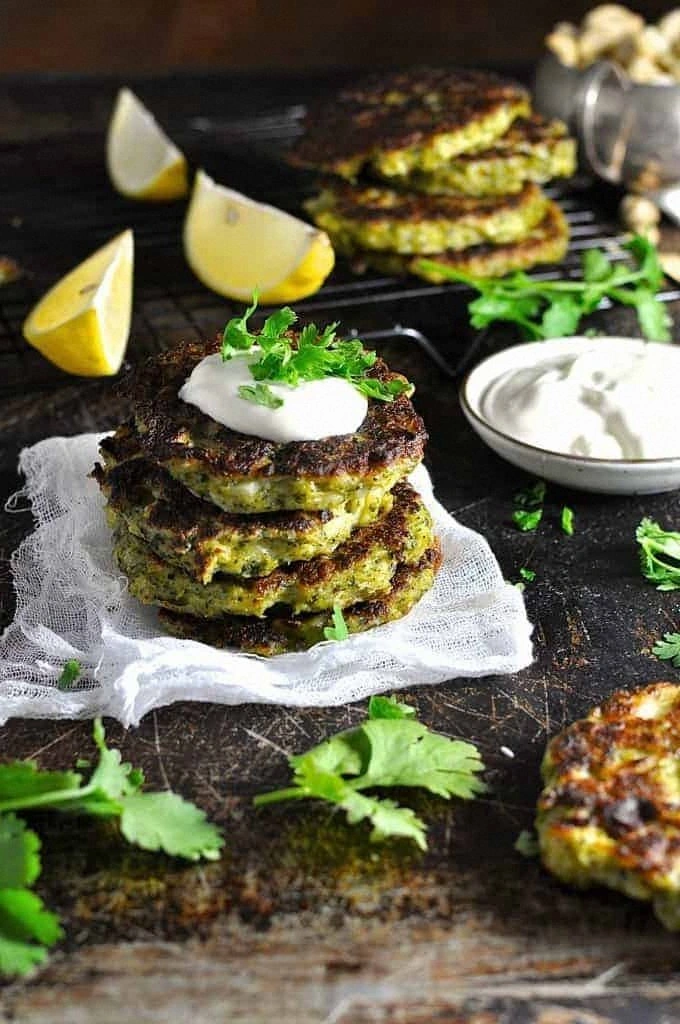
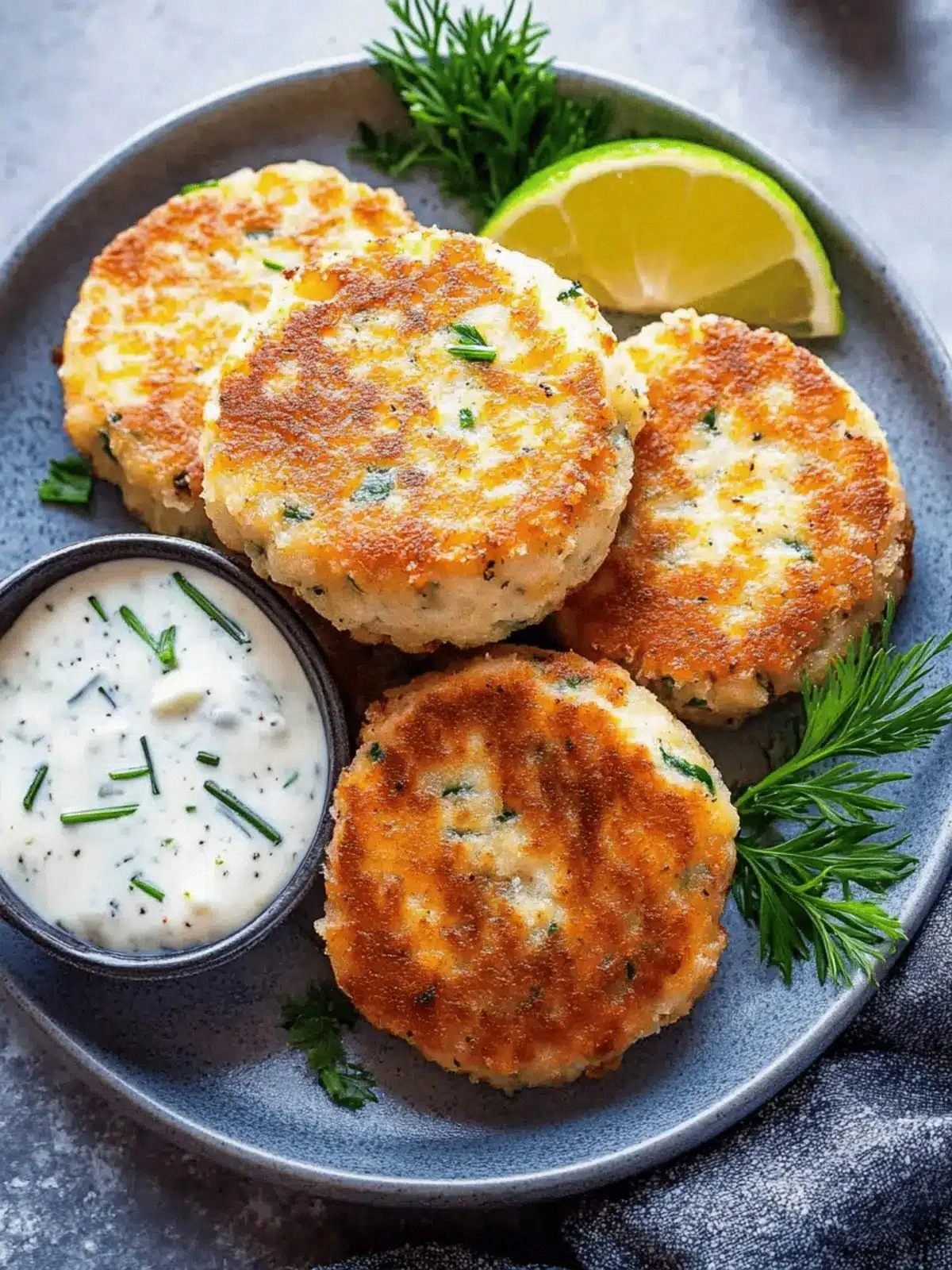
Picture this: the air thick with the scent of fresh lemon zest and garlic, the sound of a sizzling skillet that crackles like applause, and the visual of golden cakes beginning to puff up. As the edges start to brown, a subtle aroma of toasted flour mingles with the sweet, briny fish. You can feel the heat radiating from the pan, the anticipation building like a drumroll before the finale. When you lift a cake, the crisp shell gives a satisfying snap, and the interior is a moist, flaky cloud of salmon and potatoes. The first bite is a symphony of textures—crunch, melt, and a burst of citrus that leaves your tongue tingling. This is hands down the best version you'll ever make at home.
I’ll be honest—I ate half the batch before anyone else got to try it. The rest of the evening was a flurry of compliments, and I found myself humming the recipe’s rhythm as if it were a favorite song. The dish became the centerpiece of a casual dinner that felt both effortless and impressive. Most recipes get this completely wrong by overcooking the fish or using too much flour, but here the balance is precise, the flavors bright, and the texture unbeatable. If you've ever struggled with salmon cakes, you're not alone—and I've got the fix.
I’ve spent years tweaking fish-based dishes, and this version is the culmination of that experimentation. The key is in the combination of mashed potatoes and flour, which creates a binder that keeps the salmon from falling apart while adding a subtle earthiness. Lemon zest and fresh chives inject a bright, herbal note that cuts through the richness, and the Greek yogurt sauce adds a velvety tang that coats the cakes like velvet. The secret sauce is so versatile you can use it as a dip, a dressing, or a side for grilled veggies. Picture yourself pulling this out of the oven, the whole kitchen smelling incredible, and every guest asking for the recipe. Stay with me here—this is worth it.
What Makes This Version Stand Out
- Flavor: The bright lemon zest and fresh chives elevate the salmon’s natural umami, creating a taste that feels both comforting and adventurous. The yogurt sauce adds a creamy, tangy finish that balances the savory fish.
- Texture: The mash of potatoes and flour forms a tender interior that stays moist, while the crisp exterior shatters like thin ice with every bite.
- Simplicity: With just 14 ingredients, this recipe feels approachable for beginners and satisfying for seasoned cooks.
- Uniqueness: The addition of Greek yogurt and chives in the batter gives a fresh twist that sets it apart from traditional salmon cakes.
- Crowd Reaction: Friends rave about the contrast between the crunchy shell and the silky interior, often asking for a second helping.
- Ingredient Quality: Using a high-quality canned salmon and fresh herbs ensures a robust flavor that feels gourmet.
- Cooking Method: The pan-fry technique locks in juices and creates a golden crust without the need for deep frying.
- Make‑Ahead Potential: The cakes can be assembled and chilled before cooking, making them perfect for meal prep or entertaining.
Inside the Ingredient List
The Flavor Base
Mashed potatoes act as the backbone of these cakes, providing moisture and a subtle earthy sweetness that complements the salmon’s briny flavor. Without them, the cakes would crumble and lose their signature bite. If you’re craving a twist, try substituting half the potatoes with mashed sweet potato for a hint of caramelized sweetness. Remember, the potatoes should be smooth—any lumps will interfere with the batter’s consistency.
The Texture Crew
Flour is the secret binder that keeps the salmon and potatoes from falling apart. A pinch of flour also creates a light, airy crumb that lets the cakes puff up slightly in the pan. If you’re allergic to wheat, a 1:1 blend of chickpea and oat flour works wonderfully. Keep the flour at room temperature; cold flour can cause uneven texture.
The Unexpected Star
Greek yogurt adds creaminess and a subtle tang that balances the richness of the salmon. It also helps keep the cakes moist during cooking. For a dairy‑free option, use coconut yogurt or a cashew‑based sauce. The yogurt’s acidity reacts with the lemon zest, creating a bright, citrusy undertone.
The Final Flourish
Fresh chives and parsley give the cakes a vibrant, herbaceous finish that cuts through the richness of the fish. Lemon zest and juice brighten the entire dish, making it feel fresh and lively. Garlic brings depth and a slight heat that lingers on the palate. If you’re looking for a smoky flavor, add a pinch of smoked paprika to the batter.
Everything's prepped? Good. Let's get into the real action...
The Method — Step by Step
- Begin by heating a large skillet over medium heat and adding one tablespoon of olive oil. Let the oil shimmer until it’s hot but not smoking, then pour in the salmon, breaking it into bite‑sized flakes with a spoon. Cook for about three minutes, stirring occasionally, until the salmon starts to brown on the edges. This step is crucial for developing the flavor base; don’t rush it, or you’ll miss the caramelization that brings depth.
- While the salmon is cooking, combine the mashed potatoes, Greek yogurt, lemon zest, minced garlic, chopped parsley, and chives in a large bowl. Stir until the mixture is smooth and the herbs are evenly distributed. The yogurt will bind the potatoes and salmon together, creating a moist interior that won’t dry out during frying.
- Add the cooked salmon to the potato mixture and fold gently until the fish is fully incorporated. Season with salt and pepper to taste, and then stir in the flour until the batter holds together but isn’t overly thick. If the mixture feels too dry, add a splash of milk or a teaspoon of water to reach the right consistency. The batter should be thick enough to shape into cakes but still pliable.
- Shape the mixture into about eight equal-sized patties, roughly one inch thick. The cakes should be firm enough to hold their shape when flipped. If they feel too soft, add a tablespoon more flour or chill them further. A consistent size ensures even cooking.
- Heat the skillet again over medium heat and add the remaining tablespoon of olive oil. Once the oil is hot, place the cakes in the pan, leaving space between them to avoid overcrowding. Cook for 4–5 minutes on each side, or until the exterior is golden brown and the interior is heated through. The sizzle when they hit the pan? Absolute perfection.
- While the cakes finish cooking, whisk together the remaining tablespoon of lemon juice with the Greek yogurt and a pinch of salt in a small bowl to create the sauce. Adjust the seasoning if needed; the sauce should be creamy, tangy, and just slightly thick. Keep the sauce warm on a low setting until the cakes are ready.
- Once the cakes are golden and crisp, transfer them to a plate lined with paper towels to drain excess oil. Serve hot, spooning the lemon‑yogurt sauce over the top or on the side. Garnish with a few extra chives or a squeeze of fresh lemon for a pop of color.
- Enjoy the crispy, savory, and slightly tangy bite that makes these salmon cakes unforgettable. Pair them with a crisp green salad or a light cucumber salad for a balanced meal. If you’re hosting, consider presenting the cakes on a platter with the sauce in a small bowl—this elevates the dish visually and practically.
That's it—you did it. But hold on, I've got a few more tricks that'll take this to another level. Stay with me for the insider tips that will make your salmon cakes even more spectacular.
Insider Tricks for Flawless Results
The Temperature Rule Nobody Follows
Cooking at the right temperature is the secret sauce. If the skillet is too hot, the exterior burns before the interior cooks; if it’s too cool, the cakes become greasy. Aim for a medium heat where the oil shimmers but doesn’t smoke. A simple test: drop a small drop of batter into the pan; if it sizzles immediately, you’re ready.
Why Your Nose Knows Best
Trust your senses. The smell of fresh herbs and citrus is the first indicator that the sauce is ready. If the yogurt sauce smells overly sour, add a touch more lemon juice or a pinch of sugar to balance it. A well‑aromaed sauce enhances the overall experience.
The 5-Minute Rest That Changes Everything
After cooking, let the cakes rest on a rack for five minutes. This allows the steam to escape, preventing sogginess. During this brief pause, the flavors continue to meld, creating a richer taste profile.
The Garlic Whisper
Minced garlic should be finely chopped to avoid overpowering the delicate salmon. If you prefer a milder garlic flavor, sauté the garlic briefly in oil before adding the salmon, then let it cool before mixing with the batter.
The Fresh Herb Boost
Fresh herbs are the heart of this dish. Replace parsley with dill for a more pronounced fish flavor, or add cilantro for a bright, zesty note. Experimenting with herb combinations can transform the dish into a new culinary adventure.
Creative Twists and Variations
This recipe is a playground. Here are some of my favorite ways to switch things up:
Spicy Chipotle Salmon Cakes
Add a teaspoon of chipotle in adobo to the batter for a smoky heat that pairs beautifully with the lemony sauce. The smoky undertone complements the fish’s natural flavor, creating a bold, fiesta‑ready dish.
Mediterranean Couscous Variation
Replace mashed potatoes with cooked couscous and toss in sun‑dried tomatoes and feta cheese. The couscous adds a chewy texture, while the feta introduces a salty tang that elevates the dish.
Crispy Coconut Crusted Cakes
Use shredded coconut in place of flour for a tropical twist. The coconut adds a sweet, nutty flavor and a crunchy exterior that feels indulgent.
Herb‑Infused Pesto Drizzle
Swirl a spoonful of basil pesto over the finished cakes for a fresh, green burst. The pesto’s basil and pine nut flavors complement the salmon, adding depth and aroma.
Sautéed Veggie Side
Serve the cakes with sautéed spinach and cherry tomatoes tossed in garlic and olive oil. The veggies add color, nutrition, and a burst of freshness that balances the richness of the cakes.
Storing and Bringing It Back to Life
Fridge Storage
Cool the cooked cakes completely before placing them in an airtight container. Store in the refrigerator for up to 3 days. When reheating, a quick sauté in a hot skillet will restore the crispness.
Freezer Friendly
Freeze the uncooked cakes on a parchment‑lined tray until solid, then transfer to a freezer bag. They stay fresh for up to 2 months. To cook, simply pan‑fry from frozen, adding an extra minute per side.
Best Reheating Method
Reheat in a hot skillet with a splash of olive oil. Add a tiny splash of water before covering the pan for 2 minutes; this steams the cakes back to perfection and keeps them from drying out. Serve immediately for the best texture.