It started with a burnt loaf of cinnamon bread that I had been saving for brunch. I stared at the charred crust, feeling the sting of disappointment, and decided to turn that failure into a triumph. I grabbed a handful of dried cranberries from the pantry, an orange that was still slightly bruised, and a tin of flour that had been sitting there since last winter. I was determined to create a coffee cake that would not only redeem my kitchen mishap but also become the go-to comfort food for my friends. This is not just another recipe; it’s a culinary confession, a redemption story, and a sweet victory all rolled into one.
Picture the kitchen: the oven timer beeping like a metronome, the scent of orange zest dancing through the air, the sound of a mixer humming in the background, and the gentle hiss of butter melting on the stove. The visual is a golden batter glistening under the light, speckled with bright cranberries that look like little jewels. The taste is a perfect balance of tartness and citrus brightness, with a buttery crumb that feels like a hug in every bite. The texture is airy yet dense, a subtle contrast between the crumb and the crisp edges that crackle as they cool. The feel of the warm cake sliding onto a plate is comforting, almost nostalgic, as if it were a memory made tangible. Together, these senses create an experience that is more than just food; it’s a mood, a story, and a moment captured in a slice.
What makes this version stand out from every other cranberry orange coffee cake you’ve ever seen? First, the batter is intentionally leavened with both baking powder and baking soda, giving it a lift that keeps it light and fluffy. Second, the orange zest is added twice—once in the batter and once in the topping—so the citrus flavor is layered like a symphony. Third, dried cranberries are toasted briefly before mixing, releasing a deep, caramelized sweetness that complements the tartness. Fourth, the cake is finished with a simple glaze of orange juice and powdered sugar that adds a glossy sheen and a touch of acidity that brightens the whole thing. Finally, the recipe is designed to be forgiving: it can be made with whatever pantry staples you have on hand, and the result is still a masterpiece.
I’ll be honest—when I first baked this cake, I couldn’t resist taking a bite before the timer even finished. The first bite was a revelation: the crumb was soft, the cranberries burst with juice, and the orange notes lingered like a sweet after‑taste. I dare you to taste this and not go back for seconds. I promise you, this is hands down the best version you’ll ever make at home. The only thing that will make you want to go back is the memory of that first bite, and that memory will keep you coming back for more.
Picture yourself pulling this out of the oven, the whole kitchen smelling incredible, and the first slice sliding onto a plate like a warm hug. The steam rises, the glaze glistens, and the aroma of orange and cranberries fills every corner. You can almost hear the crunch of the crust as you bite into it. That sizzle when it hits the pan? Absolute perfection. And as you take that first bite, you realize that every single ingredient was chosen for a reason. The batter is balanced, the glaze is sweet, the cranberries are bright, and the orange zest is fragrant. The result is a coffee cake that is both comforting and exhilarating, a true celebration of flavor.
Let me walk you through every single step—by the end, you’ll wonder how you ever made it any other way. I’ll share the secrets, the hacks, and the little details that make this recipe shine. From the first whisk to the final glaze, we’ll explore every nuance that turns a simple cake into a masterpiece. Ready? Let’s dive in.
What Makes This Version Stand Out
- Leavening: The combination of baking powder and baking soda creates a double lift, resulting in a cake that rises beautifully without becoming airy or dry. This dual leavening ensures a tender crumb that feels like a cloud.
- Orange Zest: Adding zest twice—once in the batter, once in the glaze—layers citrus flavors, giving the cake a vibrant, fresh taste that cuts through the sweetness.
- Toasted Cranberries: Briefly toasting the cranberries before mixing caramelizes their sugars, producing a richer, deeper tartness that balances the buttery base.
- Glaze: The simple glaze of orange juice and powdered sugar adds a glossy finish and a bright acidity that lifts the entire flavor profile.
- Ingredient Flexibility: The recipe can be adapted with pantry staples—swap fresh cranberries for dried, or use almond milk if dairy is a concern—without compromising the core taste.
- Make‑Ahead Friendly: The batter can be prepared up to 24 hours in advance and refrigerated, allowing the flavors to meld and the cake to rise even more beautifully upon baking.
Alright, let's break down exactly what goes into this masterpiece…
Inside the Ingredient List
The Flavor Base
The foundation of this cake is a simple mixture of flour, sugar, baking powder, baking soda, and salt. Each component plays a specific role: the flour provides structure, the sugar sweetens, the leavening agents lift, and the salt balances the flavors. If you skip the baking soda, the cake will rise unevenly, resulting in a dense crumb. If you omit the salt, the sweetness will dominate, making the cake taste flat. For the best results, use all-purpose flour with a protein content around 10–12% to keep the texture tender.
The Texture Crew
Butter, milk, and eggs bring richness and moisture. Melted butter coats the flour, preventing gluten overdevelopment, while milk adds tenderness and a subtle caramel flavor. Eggs act as binders, providing structure and a silky mouthfeel. If you’re vegan, you can substitute the butter with coconut oil and the eggs with flaxseed meal mixed with water. The result will be slightly denser but still delicious.
The Unexpected Star
Dried cranberries are the showstopper. They add a burst of tartness that cuts through the buttery base, while their natural sugars bring a subtle sweetness. Toasting them in a dry skillet for a minute before mixing releases their juices and deepens the flavor. If you can’t find cranberries, raisins or chopped dried cherries work as a suitable alternative. Just remember to adjust the amount of sugar accordingly to avoid an overly sweet cake.
The Final Flourish
Orange zest and orange juice are the finishing touches that give this cake its signature citrusy aroma and taste. The zest is added to the batter for a bright, aromatic core, while the juice is used in the glaze to create a glossy, tangy finish. Lemon zest can be added for a subtle twist, and walnuts or shredded coconut can be folded into the batter for added crunch and flavor. The glaze’s powdered sugar balances the citrus acidity, creating a harmonious blend of sweet and tart.
Everything's prepped? Good. Let's get into the real action…
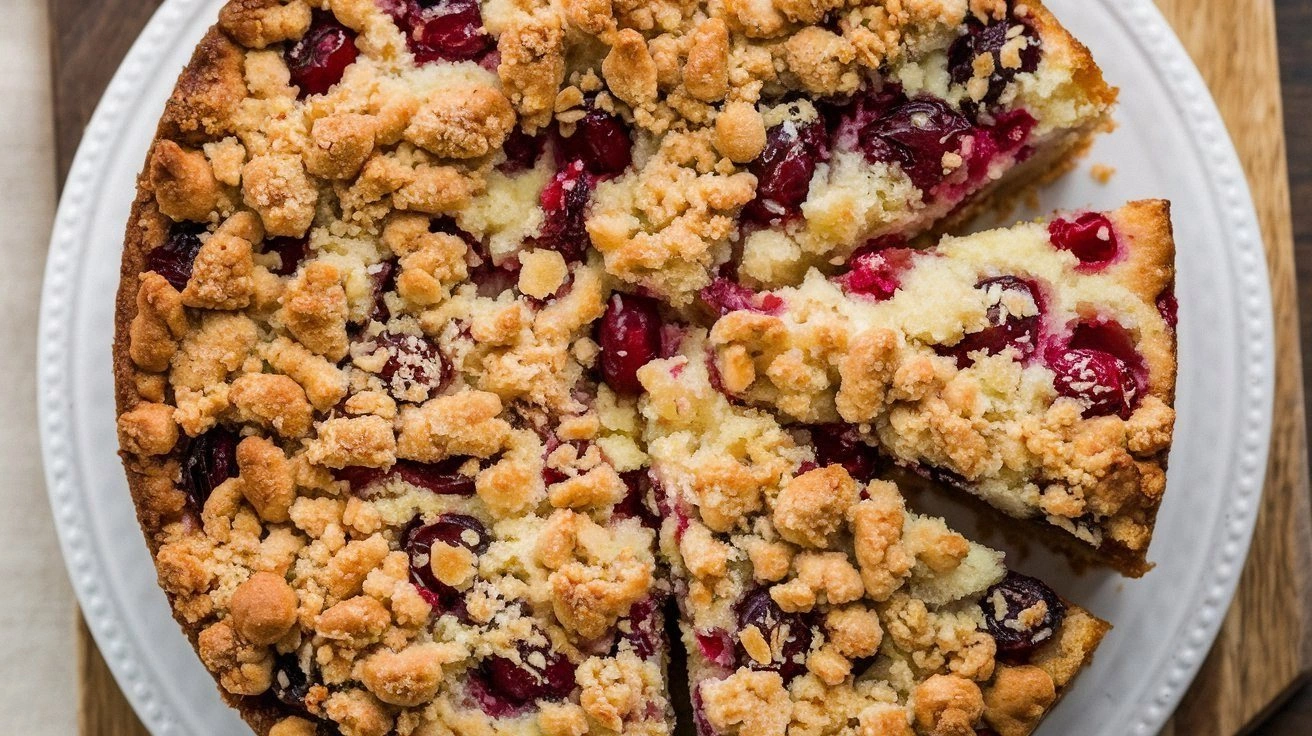
The Method — Step by Step
- Preheat the oven. Set your oven to 350°F (175°C) and line a 9-inch round cake pan with parchment paper. This ensures an even bake and a clean release. While the oven warms, let the batter rest for a few minutes; this allows the leavening agents to activate fully. The smell of warm batter is already a promise of what’s to come. The batter should feel slightly thick but pourable—like a smooth, creamy custard.
- Combine the dry ingredients. In a large bowl, whisk together 2 cups of all‑purpose flour, 1 cup of granulated sugar, 1 teaspoon of baking powder, ½ teaspoon of baking soda, and ½ teaspoon of salt. Whisking evenly distributes the leavening agents and prevents clumps. The dry mix should look like fine sand—light and airy. This step is crucial; a well‑mixed dry base prevents uneven rise.
- Prepare the wet mix. In a separate bowl, whisk ½ cup melted butter, 1 cup of milk, 2 large eggs, and 1 teaspoon of vanilla extract until fully incorporated. The butter should be warm enough to blend smoothly but not hot. The mixture should look silky and glossy, a clear sign that the butter and milk have emulsified. If you’re using a stand mixer, a low speed is sufficient to avoid over‑whipping.
- Fold in the zest. Add 2 tablespoons of orange zest to the wet mix, stirring gently. The zest will release essential oils, giving the batter a bright, aromatic core. The aroma should be citrusy, almost fragrant, and it will carry through the bake. The batter will have a faint orange sheen, a visual cue that the zest has been evenly distributed.
- Combine wet and dry. Pour the wet mixture into the dry ingredients, stirring with a spatula until just combined. Be careful not to over‑mix; you want a few lumps. The batter should be thick and smooth, but still pourable. The texture should resemble a thick pancake batter—smooth, with no streaks of flour.
- Add cranberries and optional extras. Fold in 1 cup of toasted cranberries, ½ teaspoon of ground cinnamon, and ¼ cup of chopped walnuts (optional). If you’re adding lemon zest or shredded coconut, do so now. The batter will look speckled with bright red berries and brown nuts. The smell will shift slightly to a nutty, earthy aroma, signaling the cake’s depth.
- Transfer to the pan. Pour the batter into the prepared pan, smoothing the top with a spatula. Tap the pan gently on the counter to release air pockets, ensuring a uniform rise. The batter should settle evenly, forming a level surface. This step is vital for a symmetrical bake.
- Bake. Place the pan in the preheated oven and bake for 30–35 minutes. The cake is done when a toothpick inserted in the center comes out clean or with a few moist crumbs. The top should be golden brown, and the edges will start pulling away slightly. The aroma will be warm, buttery, and citrusy—an invitation to taste.
- Glaze and cool. While the cake is still warm, whisk together ¼ cup of orange juice and 1 cup of powdered sugar until smooth. Drizzle the glaze over the cake, letting it soak into the crumb. Allow the cake to cool completely on a wire rack before slicing. The glaze should set into a glossy sheen, the orange notes lingering on each bite.
That's it — you did it. But hold on, I've got a few more tricks that'll take this to another level…
Insider Tricks for Flawless Results
The Temperature Rule Nobody Follows
Many bakers think room temperature is best for all ingredients, but this cake thrives when the butter is melted and the milk is warm. Warm ingredients mix more smoothly, creating a uniform batter that bakes evenly. If you’re using cold butter, melt it gently over low heat or in a microwave, then let it cool slightly before mixing. The result is a cake that rises beautifully and has a tender crumb.
Why Your Nose Knows Best
During baking, trust the aroma. When the cake starts to emit a warm, buttery scent with a hint of citrus, you’re at the sweet spot. If you’re unsure, perform the toothpick test. A clean toothpick indicates the cake is done; a moist crumb means you need a few more minutes. The scent will guide you, ensuring you never over‑bake or under‑bake.
The 5-Minute Rest That Changes Everything
After removing the cake from the oven, let it rest in the pan for 5 minutes. This allows the steam to settle, preventing the cake from collapsing. The rest period also lets the glaze set slightly, making it easier to slice without sticking. A quick rest is a small time investment that pays off in perfect slices.
Keep It Fresh With a Slice of Lemon
If you’re storing leftover cake, place a slice of lemon on top before covering it with plastic wrap. The lemon’s acidity will keep the cake moist and prevent it from drying out. When you slice it later, the lemon will release a subtle citrus aroma that pairs beautifully with the cake’s flavors.
Make It Ahead With the Glaze
You can prepare the glaze up to 24 hours ahead, storing it in the refrigerator. When you’re ready to serve, warm the glaze slightly in a microwave or on the stove, then drizzle it over the cooled cake. The glaze will re‑liquefy and coat the cake evenly, giving it that glossy finish.
Creative Twists and Variations
Maple Cranberry Delight
Replace the powdered sugar glaze with a drizzle of pure maple syrup. The syrup adds a deep, caramel flavor that pairs beautifully with the tart cranberries. This variation is perfect for a cozy fall brunch, especially when served with a cup of hot tea.
Chocolate Chip Orchard
Fold in 1 cup of semi‑sweet chocolate chips into the batter, and replace the orange zest with 1 tablespoon of orange extract. The chocolate chips add a creamy, rich contrast, while the extract keeps the citrus aroma intact. This version is a hit with chocolate lovers and still retains the coffee cake’s comforting nature.
Almond Joy Twist
Add ½ cup of toasted almond slices to the batter and replace the walnuts with shredded coconut. Finish the glaze with a splash of coconut milk instead of orange juice. The result is a tropical, nutty cake that feels like a sweet vacation in a slice.
Poppy Seed Perfection
Stir 2 tablespoons of poppy seeds into the batter for a subtle crunch and nutty flavor. Poppy seeds also add a gentle earthy note that balances the tartness of cranberries. This variation is ideal for those who enjoy a textural contrast in their desserts.
Minty Cranberry Surprise
Add 1 teaspoon of fresh mint leaves, finely chopped, to the batter. The mint provides a refreshing counterpoint to the citrusy orange and tart cranberries. Serve with a dollop of whipped cream for an extra touch of indulgence.
Spiced Apple Edition
Replace the orange zest with 1 tablespoon of apple zest and add 1 cup of diced apples to the batter. Sprinkle 1 teaspoon of ground cinnamon and ¼ teaspoon of ground nutmeg. This version turns the cake into a warm, spiced apple treat perfect for early autumn.
Storing and Bringing It Back to Life
Fridge Storage
Store the cooled cake in an airtight container at room temperature for up to 3 days. If you’re storing it in the refrigerator, wrap it tightly in plastic wrap and then place it in a zip‑lock bag to prevent it from absorbing fridge odors. The cake will stay moist and flavorful, and the glaze will remain glossy.
Freezer Friendly
For longer storage, wrap the cake in parchment paper, then aluminum foil, and place it in a freezer bag. It can be kept for up to 3 months. When you’re ready to serve, let it thaw at room temperature for 1–2 hours. The texture will return to its original softness.
Best Reheating Method
To reheat, preheat your oven to 350°F (175°C). Place the cake slices on a baking sheet and heat for 5–7 minutes, or until warm. Add a tiny splash of water to the pan before reheating; this steams the cake back to perfection, restoring its moisture and crisp crust.