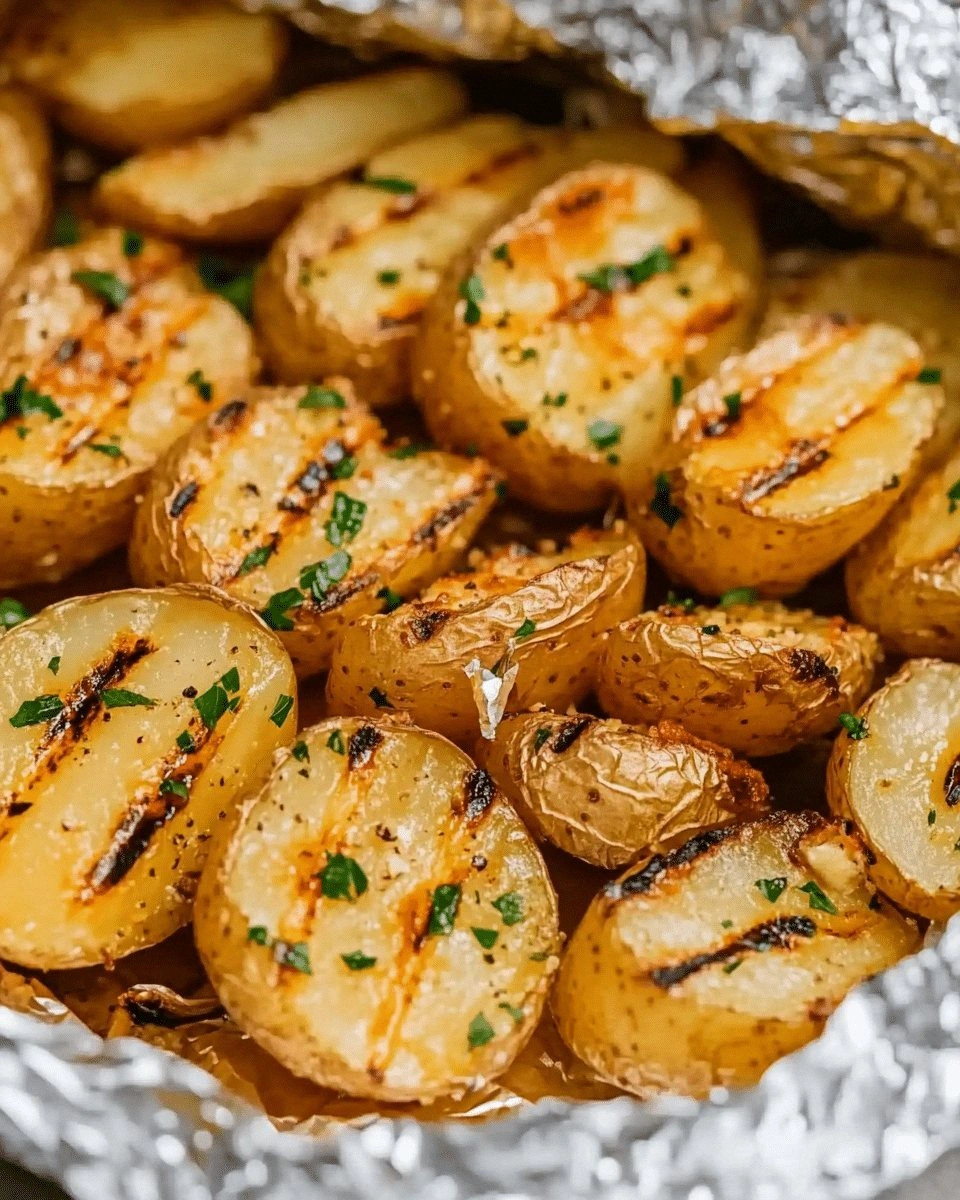
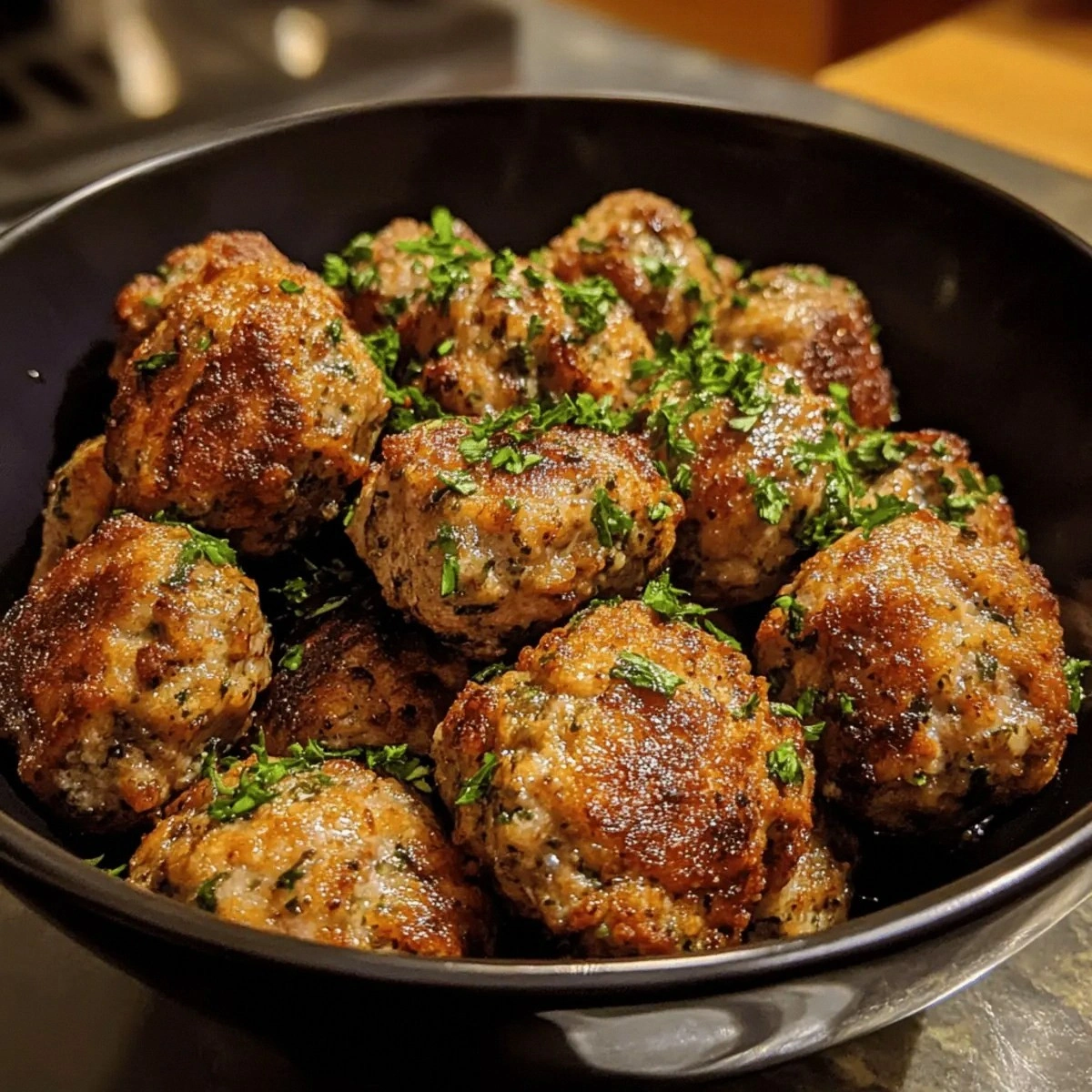
Picture this: it’s a rainy Thursday, the kind where the clouds look like they’re pressing down on the kitchen counter, and you’ve just burned the last batch of store‑bought soup you ever bought. I was standing there, staring at a pot of disappointment, when a friend dared me to “make something that could actually warm a soul, not just the stomach.” I accepted the challenge, grabbed a whole chicken, a bag of navy beans, and a few stubborn bits of bacon, and set out to create what I now swear is the ultimate comfort food. This wasn’t just a recipe; it was a rescue mission for my taste buds, and the result turned out to be a stew so hearty it could convince even the most stubborn carnivore that vegetables belong at the table.
The kitchen quickly filled with the aroma of sizzling bacon and the sweet, earthy whisper of onions hitting the pan. I could hear the gentle pop of the beans as they hit the hot oil, a sound that reminded me of tiny fireworks exploding in a night sky of flavor. The steam rose in lazy ribbons, curling around the copper pot like a warm blanket, while the first sip of broth tasted like a hug from a long‑lost relative—rich, salty, with a hint of something bright that made my palate dance. My hands felt the weight of the chicken, solid and reassuring, and the whole scene felt like a movie set where the star was a humble stew, ready to steal the show.
Why does this version stand out from the crowd of “country chicken stews” that you might find on a random blog? Because I refused to let the usual shortcuts win. Most recipes either skimp on the beans, over‑cook the chicken until it’s falling apart, or drown everything in a sea of bland broth. I decided to treat each component like a lead actor: the navy beans get a quick soak and a brief sauté to lock in their buttery texture, the chicken is browned to a caramelized perfection before it even meets the liquid, and the bacon brings that smoky depth that makes the broth sing. And the secret weapon? A splash of red wine vinegar right at the end that lifts the entire pot like a perfectly timed crescendo.
But I’m not stopping there. I’m going to reveal the one technique that most home cooks overlook: the “low‑and‑slow” simmer in a covered Dutch oven after the initial sear. This method preserves the chicken’s moisture, lets the beans soften without turning mushy, and allows the herbs to infuse every bite with a garden‑fresh punch. Trust me, once you master this, you’ll never go back to stovetop “quick‑cook” stews again. Let me walk you through every single step — by the end, you’ll wonder how you ever made it any other way.
What Makes This Version Stand Out
- Depth: The combination of bacon smoke and fresh thyme creates layers that unfold with each spoonful, like a novel you can’t put down.
- Texture: The navy beans stay firm yet buttery, while the chicken remains juicy, and the carrots retain a gentle snap.
- Simplicity: Only ten ingredients, but each one is treated with respect, no need for exotic spices.
- Uniqueness: A splash of red wine vinegar at the finish adds a bright, tangy lift that most recipes miss.
- Crowd‑pleaser: Even the pickiest eaters beg for seconds because the flavors feel both familiar and exciting.
- Ingredient Quality: Using a whole, pasture‑raised chicken gives the broth a richer, more authentic flavor.
- Cooking Method: The two‑stage sear‑then‑simmer technique locks in juices and builds a robust base.
- Make‑Ahead Potential: This stew tastes even better the next day, making it perfect for meal prep or leftovers.
Inside the Ingredient List
The Flavor Base
The backbone of this stew is the trio of bacon, onion, and garlic. Bacon isn’t just a garnish; its rendered fat becomes the cooking medium, infusing the broth with a smoky richness that no store‑bought stock can mimic. If you’re tempted to skip the bacon for a “lighter” version, you’ll lose that deep, umami foundation that makes the stew sing. As a swap, try pancetta or even smoked paprika for a vegetarian twist, but be prepared for a flavor gap.
Onion and garlic are the classic aromatic duo that awaken the palate. I always dice the onion roughly and crush the garlic cloves, letting them sweat gently in the bacon fat until they turn translucent and fragrant. This step is non‑negotiable—if you rush it, you’ll get a raw bite that overwhelms the stew. A pro tip: add a pinch of sugar with the onions; it caramelizes beautifully and adds a subtle sweetness that balances the acidity of the vinegar later.
The Texture Crew
The navy beans bring a buttery, almost creamy mouthfeel that contrasts perfectly with the tender chicken. They should be soaked overnight, then blanched for a few minutes before being added to the pot. Skipping the soak will result in uneven cooking—some beans will be mushy while others stay stubbornly hard, ruining the harmony of the stew.
Carrots and cabbage add a subtle crunch and a sweet‑earthy backbone. I cut carrots into thick coins so they hold up during the long simmer, and I roughly shred the cabbage to let its leaves melt into the broth without disintegrating. If you’re out of cabbage, try kale or Swiss chard; they’ll add a similar leafy texture and a pop of color.
The Unexpected Star
Red wine vinegar (or a squeeze of lemon) is the surprise element that makes the stew feel bright and alive. I add it at the very end, after the pot is off the heat, allowing the acidity to lift the flavors without cooking off. If you prefer a less tangy profile, start with a tablespoon of apple cider vinegar during the simmer and finish with lemon zest for a layered citrus note.
Fresh thyme, bay leaf, and parsley are the herb trio that turns a simple broth into a fragrant masterpiece. Thyme provides an earthy, piney note; the bay leaf adds a subtle depth; and parsley, added at the end, brings a fresh green finish. Don’t be shy about using a generous handful of parsley—its bright flavor cuts through the richness and balances the dish beautifully.
The Final Flourish
Water is the universal solvent that binds everything together, but the key is to use enough to cover the ingredients while still allowing the flavors to concentrate. I usually start with six cups, then adjust as the stew simmers, adding a splash more if it looks too thick. Salt, of course, is the ultimate enhancer; a modest pinch at the beginning, followed by a final taste‑adjustment, ensures every component sings in harmony.
When selecting a whole chicken, aim for a heritage or pasture‑raised bird. These birds have more flavor, firmer meat, and a richer fat content, which translates directly into a more robust broth. If you can, ask your butcher to cut the chicken into quarters—this speeds up the browning and ensures even cooking.
Everything's prepped? Good. Let's get into the real action…
The Method — Step by Step
-
First, give the chicken a good pat‑down with paper towels, then season it liberally with salt, pepper, and a sprinkle of thyme. The secret here is to let the seasoning sit for five minutes while you prep the other ingredients—this draws moisture to the surface, creating a crispier crust when you sear.
Heat a large Dutch oven over medium‑high heat and add a splash of oil. When the oil shimmers, place the chicken quarters skin‑side down, listening for that satisfying sizzle that tells you the pan is hot enough. Let them sear undisturbed for about 5‑6 minutes until the skin turns a deep, golden brown that looks like polished mahogany.
-
Flip the chicken and sear the other side for another 4 minutes. While the meat browns, the rendered fat will have turned a beautiful amber color—this is where the magic begins. Keep an eye out for any bits that start to stick; those are flavor gold, so scrape them up with a wooden spoon.
Once both sides are beautifully browned, remove the chicken and set it aside on a plate. This step is crucial because it prevents the broth from becoming greasy later on.
Kitchen Hack: Before you discard the rendered bacon fat, add a tablespoon of butter to the pot. The butter emulsifies the fat, creating a smoother base for the broth. -
Now, add the diced bacon to the pot. Cook it until it releases its fat and turns crispy, about 3‑4 minutes. The aroma at this point should be so intoxicating that you’ll want to inhale deeply—trust me, that’s the scent of flavor building.
Next, toss in the onion and garlic. Stir constantly, letting the onions soften and the garlic become fragrant without burning. You’ll know they’re ready when the onions turn translucent and the garlic loses its raw bite, smelling sweet and slightly nutty.
-
At this stage, add the dried navy beans (already soaked) and give them a quick stir to coat them in the bacon‑onion mixture. This coating step is vital; it ensures every bean absorbs the smoky, savory base before the liquid arrives.
Pour in the water, making sure everything is just covered. Scrape the bottom of the pot to release any browned bits—those are called fond, and they’re the heart of any great stew.
-
Return the browned chicken quarters to the pot, nestling them among the beans and vegetables. Add the carrots, cabbage, fresh thyme, bay leaf, and parsley now. The herbs should be whole (sprigs) so they’re easy to remove later if you wish.
Bring the mixture to a gentle boil, then reduce the heat to a low simmer. Cover the pot and let it cook for 45 minutes, stirring occasionally. The broth should bubble just enough to create tiny ripples on the surface—no vigorous rolling boil, which would toughen the chicken.
Watch Out: If the stew starts to boil hard, the chicken can become dry. Lower the heat immediately and keep the lid on. -
After 45 minutes, check the beans—they should be tender but still hold their shape, and the chicken should be easy to pull apart with a fork. If the beans need more time, continue simmering uncovered for another 10‑15 minutes; the broth will thicken naturally.
Now, for the game‑changer: stir in the red wine vinegar (or lemon juice) and give the stew a final taste. This bright acidity lifts the entire flavor profile, cutting through the richness and making each spoonful feel fresh.
-
Remove the bay leaf and any herb stems. Sprinkle the chopped parsley over the top for a pop of color and a fresh bite. Let the stew rest for five minutes—this short pause lets the flavors meld even more.
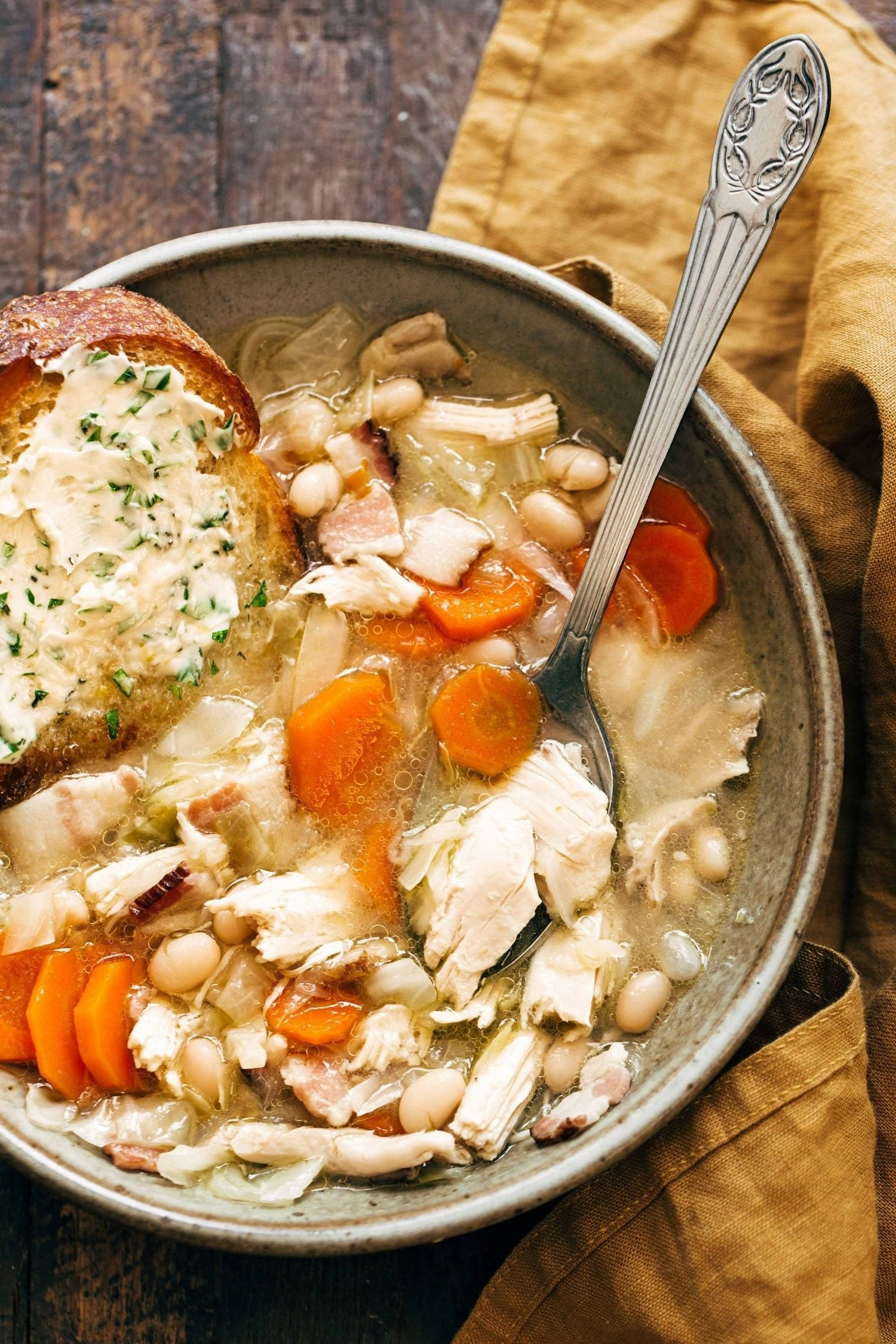
Serve the stew hot, ladling generous portions of chicken, beans, and vegetables into bowls. Pair it with crusty bread to soak up the broth, and you’ve got a meal that feels like a hug from grandma and a high‑five from a chef all at once.
-
That’s it — you did it. But hold on, I've got a few more tricks that'll take this to another level. First, try a final drizzle of extra‑virgin olive oil just before serving; it adds a silky sheen that makes the broth look restaurant‑ready.
Second, if you’re a fan of a little heat, dash in a pinch of smoked paprika or a few dashes of hot sauce right before the vinegar step. The heat will dance with the acidity, creating a flavor fireworks display that’s impossible to resist.
Insider Tricks for Flawless Results
The Temperature Rule Nobody Follows
Never, ever crank the heat to a roar when you’re simmering. Keep it low, around a gentle 180‑190°F (82‑88°C) if you have a thermometer. This low, steady heat prevents the chicken from tightening up and the beans from disintegrating. I once tried a “quick cook” approach and ended up with mushy beans and a dry bird—lesson learned.
Why Your Nose Knows Best
Before you even taste, let your nose do the work. When the broth starts to smell nutty from the beans and aromatic from the herbs, you’re on the right track. If you detect a raw onion scent, it means you haven’t cooked the aromatics long enough, and the final stew will taste sharp.
The 5‑Minute Rest That Changes Everything
After you turn off the heat, let the pot sit, covered, for five minutes. This short rest allows the flavors to settle and the starches from the beans to thicken the broth naturally. Skipping this step is like serving a cake straight from the oven—still good, but not at its peak.
Salt Timing is Everything
Season in layers: a pinch at the start, a little more after the beans have softened, and a final dash after the vinegar. This progressive seasoning ensures every component is properly flavored. If you add all the salt at once, you risk over‑salting the broth early on.
Finishing With Fresh Herbs
Adding parsley at the very end preserves its bright flavor and vivid green color. Toss it in just before serving, and you’ll notice a fresh burst that cuts through the richness. I dare you to taste this and not go back for seconds—those herb notes are addictive.
Creative Twists and Variations
This recipe is a playground. Here are some of my favorite ways to switch things up:
Smoky Chipotle Twist
Swap the red wine vinegar for a tablespoon of chipotle in adobo sauce and add a smoked paprika sprinkle. The stew gains a deep, smoky heat that pairs beautifully with the bacon, turning the dish into a Tex‑Mex comfort classic.
Herbaceous Lemon‑Thyme
Replace the vinegar with fresh lemon juice and double the thyme. The bright citrus notes lift the broth, while the extra thyme adds a piney freshness—perfect for spring evenings when you want something light yet hearty.
Root Vegetable Medley
Introduce parsnips, turnips, and sweet potatoes alongside the carrots. These earthy roots add a subtle sweetness and a richer texture, making the stew feel even more robust on a cold winter night.
Spicy Sausage Upgrade
Instead of bacon, use sliced spicy Italian sausage. The sausage brings a punch of fennel and heat, while still delivering the needed fat for a luscious broth. This version is ideal for a game‑day crowd.
Vegetarian Power‑Stew
Omit the chicken and replace it with extra beans and smoked tofu cubes. Use vegetable broth instead of water, and add a tablespoon of miso paste for umami depth. The result is a plant‑based stew that still feels meaty and satisfying.
Storing and Bringing It Back to Life
Fridge Storage
Cool the stew to room temperature, then transfer it to airtight containers. It will keep fresh for up to four days. When reheating, add a splash of water or broth and stir gently over low heat to revive the silky texture.
Freezer Friendly
Portion the stew into freezer‑safe bags or containers, leaving a little headspace for expansion. It freezes beautifully for up to three months. Thaw overnight in the fridge, then reheat on the stovetop, adding a drizzle of olive oil for extra gloss.
Best Reheating Method
The secret to a perfect reheated stew is low and slow. Place the stew in a saucepan, set the heat to medium‑low, and cover it. Stir occasionally, and if it looks too thick, add a tiny splash of water; the steam will bring the broth back to its original lusciousness.