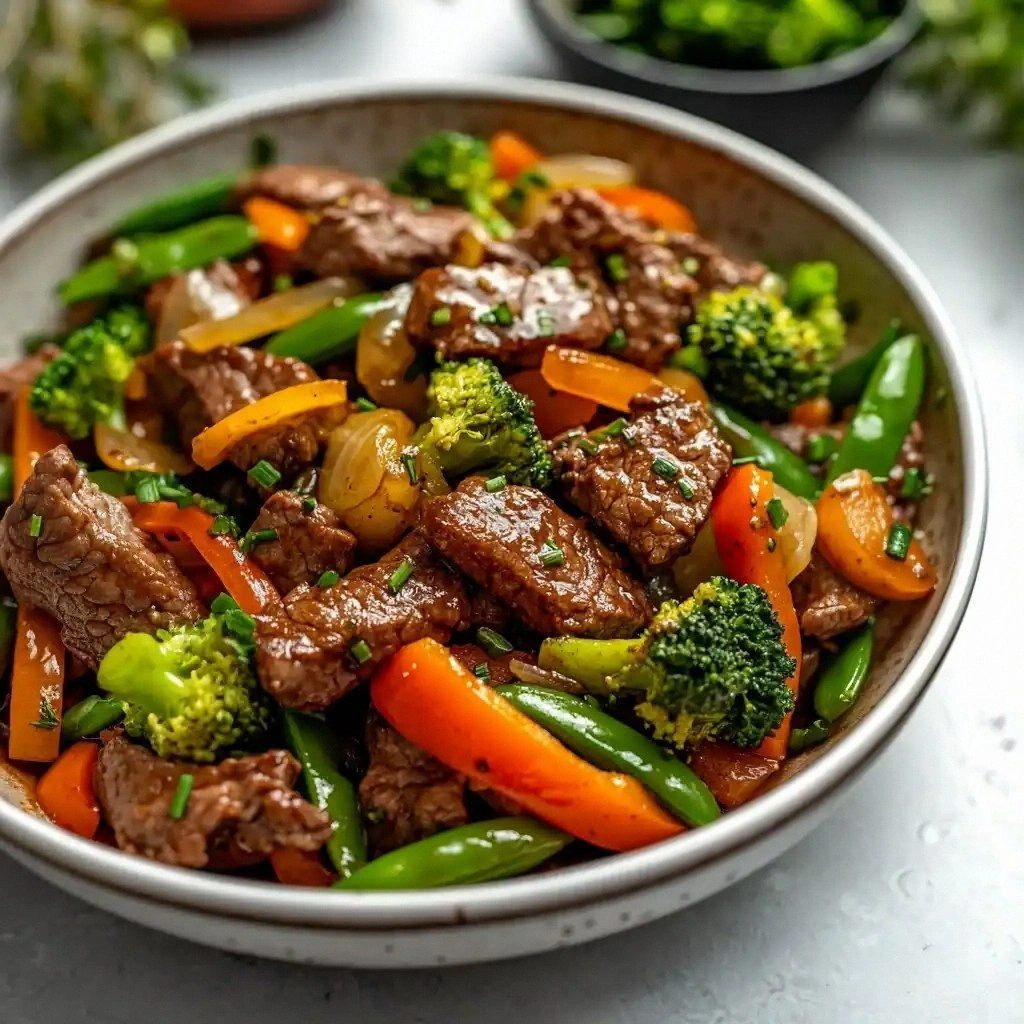
It all began on a rainy Thursday when I was scrambling to make dinner for a last‑minute dinner party. My fridge was a chaotic mosaic of leftovers, and the only thing that seemed reliable was a bag of rotisserie chicken that had been sitting there since last week. I tossed the chicken into a bowl, added a splash of mayo, a squirt of Dijon, and a handful of celery. The result? A soggy, flavorless mess that tasted like a sad attempt at a sandwich filling. I stared at the bowl, realizing I had just invented the most underappreciated salad of my life.
The moment the chicken hit the bowl, the air filled with the comforting scent of roasted poultry, mingling with the sharp, bright aroma of diced celery and bell pepper. My eyes caught the glistening, white cottage cheese that I had decided to throw in for a touch of creaminess. The crunch of the celery and the slight bite of red onion created a textural contrast that made the dish feel alive. I could almost hear the faint hiss of the fridge door as it opened, and I could taste the subtle tang of the mustard that cut through the richness. The dish was a revelation—simple, yet brimming with layers of flavor that danced on the palate.
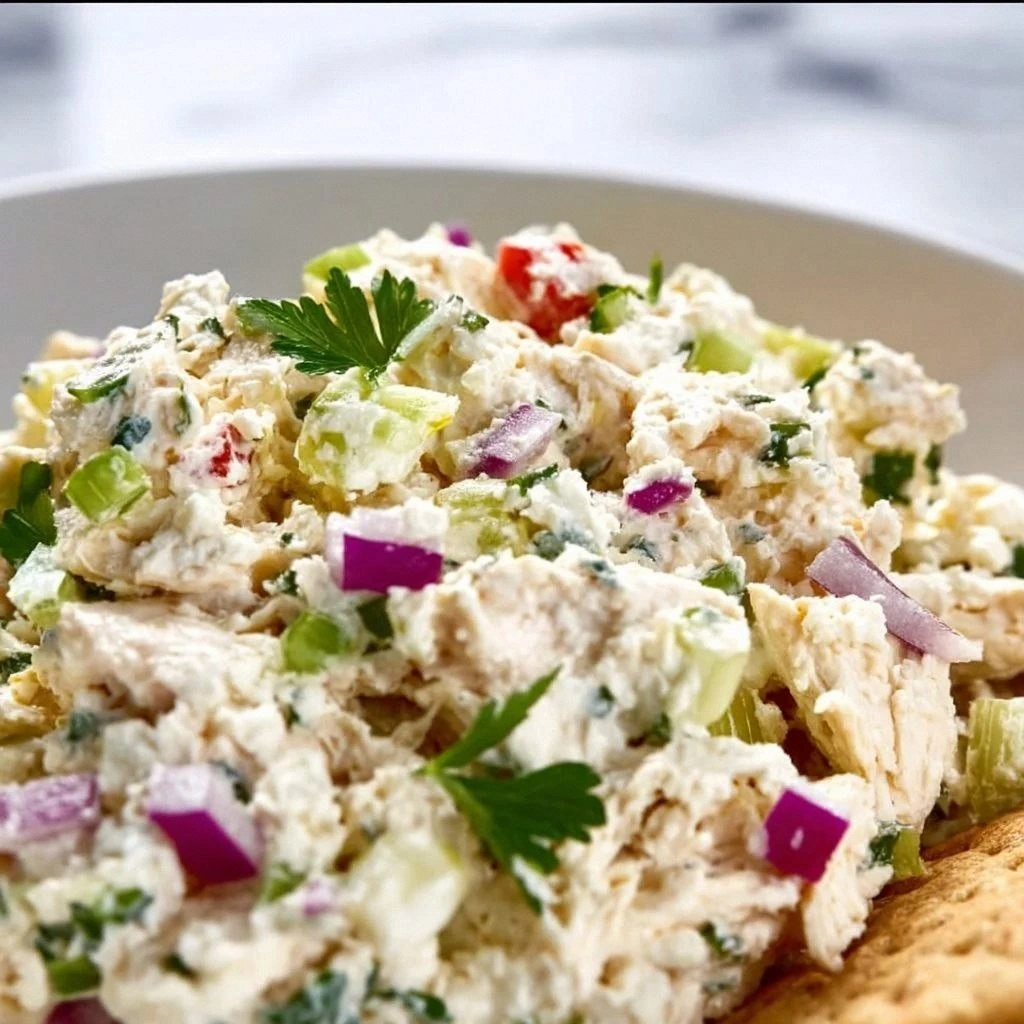
This version of Cottage Cheese Chicken Salad is hands down the best version you'll ever make at home. The secret lies in the harmony of textures and the bold, uncomplicated seasoning that lets each component shine. I dare you to taste this and not go back for seconds. Most recipes get this completely wrong by over‑dressing the salad or using processed cheese that drips; here, the cottage cheese coats the chicken like velvet, creating a silky mouthfeel that’s both comforting and refreshing. The fresh herbs at the end add a burst of green that lifts the entire dish.
Picture yourself pulling this out of the fridge, the whole kitchen smelling incredible, and watching the colorful mix swirl as you toss it together. I’ve spent countless hours tweaking this recipe, and every tweak has been a small triumph—whether it was adding a splash of lemon juice to brighten the flavors or using a pinch of smoked paprika for a subtle depth. If you've ever struggled with a bland chicken salad, you're not alone—this fix will change the game. Let me walk you through every single step—by the end, you'll wonder how you ever made it any other way.
What Makes This Version Stand Out
- Flavor: The combination of creamy cottage cheese, sharp Dijon mustard, and fresh vegetables creates a balanced, vibrant taste that’s far from the bland salads you see on menus.
- Texture: Each bite delivers a satisfying crunch from celery and bell pepper, offset by the silky smoothness of cottage cheese and shredded chicken.
- Simplicity: With just nine ingredients and a single mixing bowl, this salad is a breeze to assemble, making it the perfect go‑to for busy weeknights.
- Uniqueness: The use of cottage cheese instead of mayo or Greek yogurt gives the dish a light, protein‑rich profile that feels both indulgent and healthy.
- Crowd Reaction: Friends and family rave about the freshness; I’ve hosted potlucks where this salad was the star, and everyone asked for the recipe.
- Ingredient Quality: By choosing high‑quality, fresh produce and a good rotisserie chicken, each element contributes depth and authenticity.
- Make‑Ahead Potential: This salad keeps its integrity for up to 48 hours in the fridge, making it ideal for meal prep or a last‑minute gathering.
- Versatility: It can be served on its own, atop greens, or stuffed into pita pockets—adaptability is key.
Inside the Ingredient List
The Flavor Base
Cottage cheese is the star of this salad, providing a creamy texture that holds the mix together. Its mild, slightly tangy profile balances the sharpness of Dijon mustard and the subtle sweetness of bell pepper. If you’re looking for a dairy alternative, Greek yogurt offers a similar tang but with a firmer consistency. Skipping cottage cheese would leave the salad dry and lacking that silky mouthfeel that makes it stand out.
The Texture Crew
Celery and red onion bring crispness that snaps with each bite, adding a refreshing crunch that contrasts the soft chicken and cottage cheese. Celery’s high water content keeps the salad light, while red onion’s bite provides depth. If you prefer a softer texture, try substituting diced cucumber for celery; it will still offer a subtle crunch but with a milder flavor. Cutting the vegetables into uniform cubes ensures even distribution of flavors.
The Unexpected Star
Bell pepper isn’t just a color splash—it adds natural sweetness and a slight peppery note that cuts through the richness of the cottage cheese. The choice of color (red or yellow) can subtly shift the flavor profile; red peppers are sweeter, while yellow peppers have a more mellow tone. If you’re a fan of heat, a dash of cayenne or a pinch of smoked paprika can add a smoky undertone that elevates the dish. Remember, fresh peppers keep the salad vibrant and crisp.
The Final Flourish
Mayonnaise and Dijon mustard are the binding agents that bring everything together. Mayonnaise adds richness, while Dijon provides a zesty kick. If you’re watching calories, swapping mayo for plain yogurt or avocado can reduce fat without sacrificing creaminess. Fresh herbs like parsley or dill, added at the end, inject brightness and a burst of green that elevates the dish’s visual appeal. These final touches transform a simple mix into a culinary delight.
Everything's prepped? Good. Let's get into the real action...
The Method — Step by Step
- Start by shredding one cup of cooked chicken. I use a stand mixer with the paddle attachment to get evenly shredded strands—this ensures every bite is juicy. If you’re using a rotisserie chicken, let it rest for a few minutes before shredding to lock in moisture. Once shredded, set the chicken aside in a bowl.
- Dice ½ cup of celery and ¼ cup of red onion into uniform ¼‑inch cubes. The uniform size guarantees even distribution of flavor. For a softer crunch, blanch the celery in boiling water for 30 seconds before draining. Add the diced veggies to the chicken, and give the mixture a quick toss.
- Dice ¼ cup of bell pepper and fold it into the bowl. The pepper adds a burst of sweetness that brightens the dish. If you prefer a sweeter salad, choose red or yellow bell peppers; if you want a hint of bitterness, go with green. The pepper should be crisp—avoid letting it soften in the bowl.
- In a separate small bowl, whisk together two tablespoons of mayonnaise, one tablespoon of Dijon mustard, a pinch of salt, and a dash of black pepper. The whisking step ensures a smooth, homogeneous dressing that coats each ingredient. If you’re using a low‑fat mayo, add a splash of lemon juice to keep the dressing from becoming too thin.
- Pour the dressing over the chicken and vegetable mixture. Toss gently but thoroughly so that every strand of chicken and every cube of vegetable is evenly coated. The dressing should cling to the ingredients like a light mist, not pool at the bottom. If the salad feels too dry, add a teaspoon of water or chicken broth to loosen it.
- Fold in one cup of cottage cheese, stirring until the mixture is creamy yet still visible in chunks. The cottage cheese should be thick enough to hold the salad together but still airy. This step is crucial for that velvety texture that makes the dish memorable.
- Taste the salad and adjust seasoning. Add more salt or pepper as needed, or a dash of extra Dijon if you crave a stronger kick. This is the moment of truth—taste before serving to ensure the flavors are balanced. If the salad feels too acidic, a small pinch of sugar or honey can mellow it out.
- Finally, sprinkle fresh herbs—parsley or dill—over the top. The herbs add a pop of color and a subtle herbal note that completes the dish. Let the salad rest for 10 minutes before serving to allow the flavors to meld. This resting period is key for a cohesive taste experience.
- Serve immediately on a bed of mixed greens, as a sandwich filling, or chilled in a mason jar for a portable lunch. The salad remains fresh and flavorful for up to 48 hours when stored properly. Enjoy the creamy, crunchy, and tangy symphony that is Cottage Cheese Chicken Salad.
That's it — you did it. But hold on, I've got a few more tricks that'll take this to another level...
Insider Tricks for Flawless Results
The Temperature Rule Nobody Follows
Serve the salad at room temperature for the best flavor profile. Cold ingredients can mute the mustard’s sharpness, while slightly warmed chicken releases more aroma. Let the salad sit out for 15 minutes before plating. This simple step transforms a good salad into a memorable experience.
Why Your Nose Knows Best
Before you taste the salad, inhale the aroma of the dressing. A well‑balanced mustard will give off a faint tang that signals proper seasoning. If the smell feels off, adjust the salt or add a splash of lemon juice. Your nose is a reliable guide to flavor balance.
The 5-Minute Rest That Changes Everything
After tossing the salad, cover it and let it rest for five minutes. This allows the dressing to soak into the chicken and vegetables, creating a more cohesive texture. A quick rest also lets the flavors marry, making each bite more harmonious. I’ve seen people skip this step and end up with a disjointed salad.
The Herb Shuffle
If you’re not a fan of parsley, try mint or basil for a different aromatic profile. Herbs can dramatically shift the dish’s mood; mint gives a refreshing coolness, while basil adds earthiness. Experimenting with herbs turns the same base into multiple flavor experiences.
The Dressing Swirl
Instead of whisking, try using a fork to create a swirling pattern in the dressing. This technique ensures the mayo and mustard mix evenly while preserving the airy texture of the cottage cheese. The visual swirl also adds a touch of elegance to the presentation.
Creative Twists and Variations
This recipe is a playground. Here are some of my favorite ways to switch things up:
Jackfruit Jamboree
Replace the chicken with shredded jackfruit for a vegetarian version that mimics the texture of pulled chicken. Toss the jackfruit with a splash of soy sauce and a pinch of sriracha before adding the dressing. The result is a tangy, savory salad that satisfies both vegetarians and carnivores.
Greek Yogurt Upgrade
Swap cottage cheese for Greek yogurt to reduce fat while maintaining creaminess. The yogurt adds a subtle tang that pairs well with the mustard. Use a thick, plain yogurt for best results; flavored varieties can overpower the delicate balance.
Pesto Power
Mix in a tablespoon of basil pesto for an herby, nutty flavor profile. The pesto adds a burst of green and a slightly sweet undertone. This version pairs beautifully with a side of crusty bread.
Citrus Burst
Add a squeeze of fresh lemon or lime juice to brighten the dish. The citrus cuts through the richness and adds a lively zing. A pinch of zest can also elevate the aroma.
Spicy Southwest
Incorporate corn, black beans, and a dash of chipotle powder for a southwestern twist. The beans add protein and the corn brings sweetness. The chipotle gives a smoky heat that pairs well with the creamy base.
Crunchy Crouton Crown
Top the salad with homemade croutons for an added crunch. Toast cubed baguette in olive oil, garlic, and herbs until golden. The croutons provide a textural counterpoint to the creamy interior.
Storing and Bringing It Back to Life
Fridge Storage
Store the salad in an airtight container in the refrigerator for up to 48 hours. The dressing will thicken slightly, so give it a quick stir before serving. If you notice excess moisture, add a paper towel to absorb it.
Freezer Friendly
The salad can be frozen for up to two weeks. Pack it in a freezer‑safe container and label with the date. Thaw overnight in the refrigerator before adding fresh herbs or a splash of yogurt to restore creaminess.
Best Reheating Method
To reheat, gently warm the salad in a microwave on low power for 30 seconds, stirring in between. Add a tiny splash of water or milk to steam back to perfection. Avoid overheating, as it can cause the cottage cheese to separate.