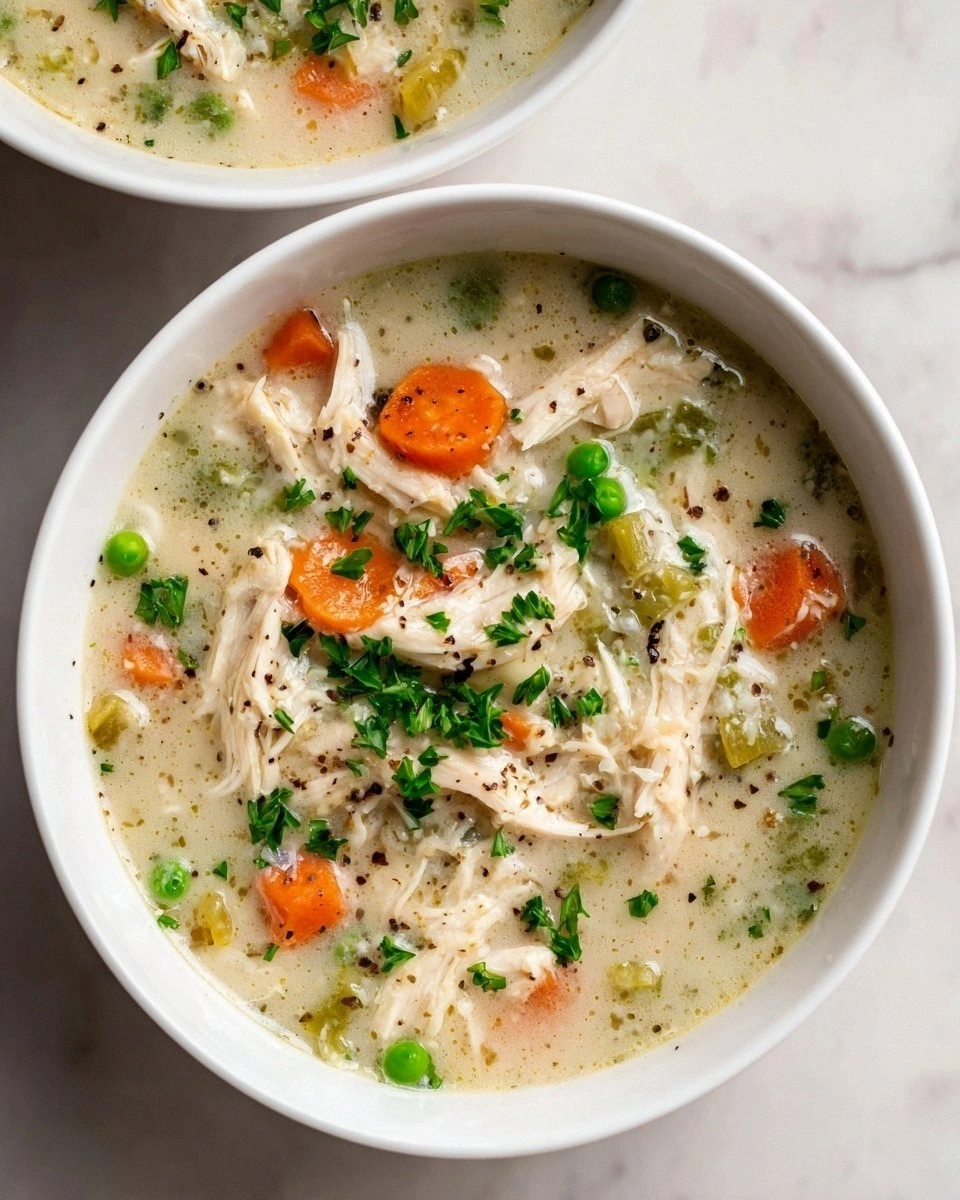
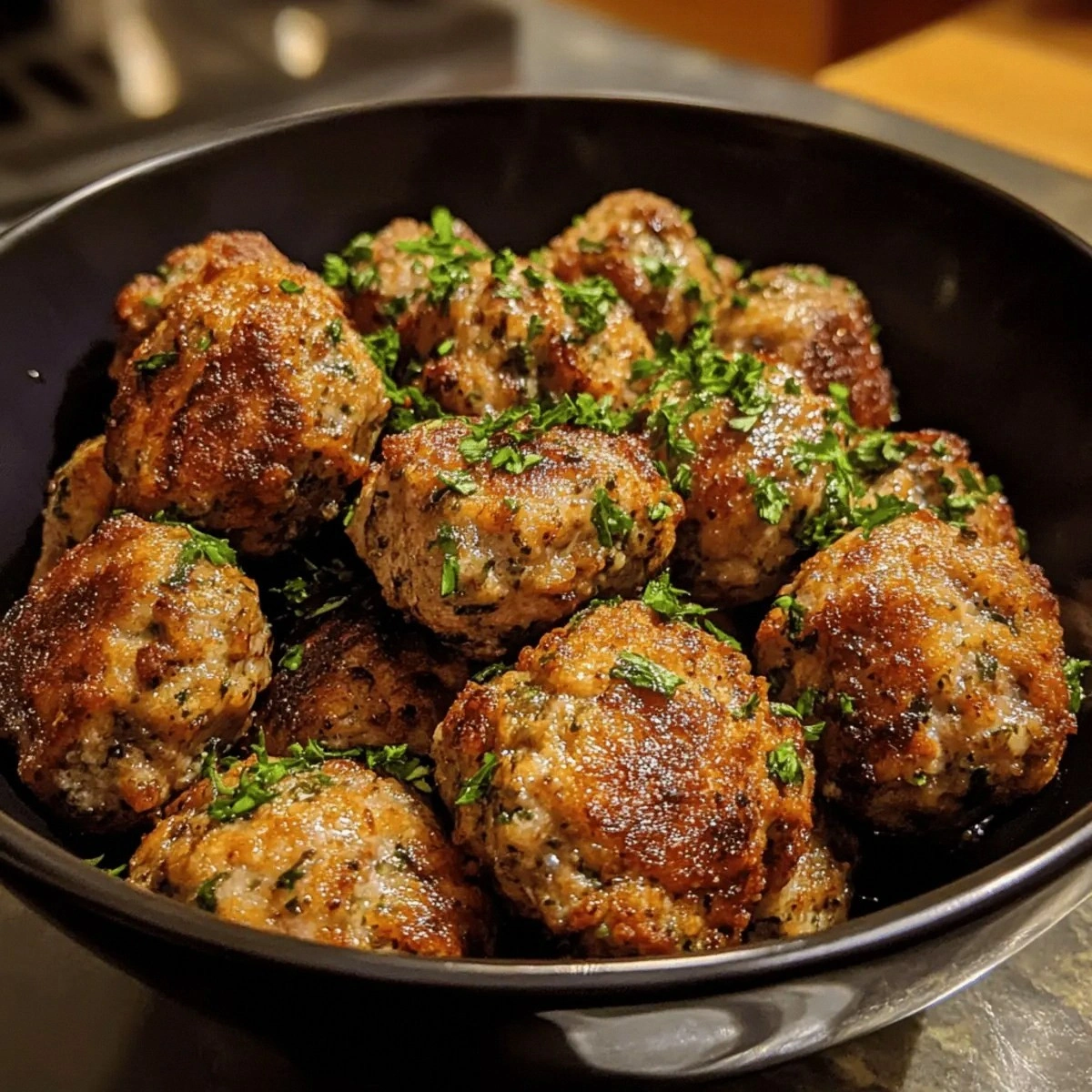
I’m going to start with a confession: I once burned an entire batch of pumpkin because I was too busy scrolling through Instagram memes. The kitchen was a smoky battlefield, the air thick with a bitter char that made me swear off pumpkin forever—until a friend dared me to try something new. She whispered, “Add cinnamon, and you’ll never look at pumpkin the same way again.” I laughed, rolled my eyes, and said, “Sure, why not? I’ve already ruined enough dishes today.” That night, armed with a fresh Jap pumpkin, a daring sprinkle of cinnamon, and a pinch of stubborn optimism, I embarked on a culinary experiment that turned my kitchen into a fragrant wonderland. The moment the pumpkin hit the oven, a sweet, spicy aroma erupted, wrapping the room in a cozy blanket that felt like autumn’s hug on a chilly evening.
Picture this: a gleaming sheet pan loaded with perfectly cubed pumpkin, each piece glistening with olive oil, dusted in a cinnamon-salt combo that looks like powdered gold. As the oven works its magic, the edges start to caramelize, turning a deep amber that shatters under a fork like delicate glass. The interior stays buttery soft, a contrast that makes every bite a textural symphony. And then comes the finish—a dollop of cool Greek yogurt, a splash of lemon, and a sprinkle of pine nuts that crackle like tiny fireworks. This dish isn’t just a side; it’s a showstopper that makes you want to shout, “I dare you to taste this and not go back for seconds!”
What makes this version stand out from every other pumpkin recipe you’ve seen? Most people either drown the pumpkin in sugar or drown themselves in blandness. I’ve cracked the code by balancing sweet, salty, and a hint of heat from a birds‑eye chilli, creating a flavor profile that dances on your palate like a well‑rehearsed tango. The secret weapon? A tiny drizzle of lemon juice that cuts through the richness, while the pine nuts add an unexpected crunch that makes the dish unforgettable. Most recipes get the seasoning wrong—either too sweet or too muted. Here, the cinnamon is bold yet balanced, the salt is just enough to bring out the natural sugars, and the pepper adds that whisper of spice you never saw coming.
And now for the teaser: I’m going to reveal a technique that most home cooks skip—roasting the pumpkin at a high temperature first, then finishing it at a lower heat to lock in moisture while still achieving those caramelized edges. This two‑stage roast is the game‑changer that turns an ordinary pumpkin into a masterpiece. Okay, ready for the game‑changer? Let me walk you through every single step — by the end, you’ll wonder how you ever made it any other way.
What Makes This Version Stand Out
- Flavor Explosion: The cinnamon and lemon create a sweet‑tart duet that sings with every bite, while the chilli adds a subtle heat that lingers just long enough to keep you intrigued.
- Texture Harmony: Crispy, caramelized edges meet buttery interiors, and the pine nuts add a satisfying crunch that prevents the dish from feeling one‑dimensional.
- Simplicity: Only seven core ingredients, all pantry‑friendly, yet the result feels like a dish from a five‑star restaurant.
- Uniqueness: The addition of Greek yogurt as a finishing drizzle is rare in pumpkin recipes, giving a creamy tang that elevates the whole plate.
- Crowd Reaction: Guests often ask for the recipe before the first bite is even finished—talk about a conversation starter!
- Ingredient Quality: Using a Jap pumpkin ensures a naturally sweet, nutty flavor that outshines generic orange pumpkins.
- Cooking Method: The two‑stage roast locks in moisture while creating caramelization—most home cooks never think to do this.
- Make‑Ahead Potential: This dish can be pre‑roasted and stored, then finished with fresh yogurt and herbs right before serving.
Inside the Ingredient List
The Flavor Base
The triumvirate of olive oil, cinnamon, and salt forms the backbone of this dish. Olive oil not only prevents sticking but also carries the aromatic compounds of cinnamon into the pumpkin flesh, ensuring every bite is infused. Cinnamon brings warmth and a hint of sweetness that pairs perfectly with the natural sugars of the Jap pumpkin. Salt amplifies these flavors, drawing out moisture to create that coveted caramelization. If you skip the salt, you’ll end up with a bland, one‑note dish—trust me, I’ve learned that the hard way.
The Texture Crew
Black pepper, pine nuts, and Greek yogurt each play a distinct role. Freshly cracked black pepper adds a subtle peppery bite that balances the sweet cinnamon. Pine nuts, toasted lightly, contribute a buttery crunch that contrasts the soft pumpkin. Greek yogurt, added after roasting, provides a cooling creaminess that cuts through the richness. If you’re allergic to pine nuts, substitute with toasted walnuts or slivered almonds for a similar crunch.
The Unexpected Star
A single birds‑eye chilli might sound intimidating, but it’s the secret spark that elevates the dish from comforting to unforgettable. Its heat is sharp yet fleeting, leaving a lingering warmth that encourages you to reach for another bite. If you prefer milder heat, remove the seeds or use a milder chili like jalapeño. The lemon juice, though only a quarter, brightens the entire plate, preventing the flavors from becoming cloying.
The Final Flourish
Coriander leaves sprinkle on top at the end, offering a fresh, citrusy herbaceous note that lifts the dish. They’re not just a garnish; they add a layer of complexity that makes the palate feel refreshed after each bite. If coriander isn’t your thing, try fresh parsley or mint for a different aromatic profile.
Everything's prepped? Good. Let's get into the real action...

The Method — Step by Step
Preheat your oven to 425°F (220°C). While the oven heats, line a large rimmed baking sheet with parchment paper. This high heat will give the pumpkin those coveted caramelized edges. Pro tip: Let the oven fully preheat; a lukewarm oven will steam the pumpkin instead of roasting it.
Cut the Jap pumpkin into 1‑inch cubes, discarding the skin and seeds. Toss the cubes in a bowl with 3 tbsp olive oil, ensuring each piece is lightly coated. This oil layer is crucial for even browning—without it, the pumpkin will stick and burn.
In a small bowl, whisk together 1 tsp cinnamon, 1/4 tsp salt, and a generous pinch of freshly cracked black pepper. Sprinkle this mixture over the oiled pumpkin cubes, tossing gently to coat. The cinnamon should cling like dust on a dusty road, creating a fragrant blanket over the pumpkin.
Spread the seasoned pumpkin in a single layer on the prepared sheet pan, ensuring the pieces don’t crowd. Overcrowding leads to steaming, not roasting. Slide the pan into the oven and roast for 15 minutes, then give the pumpkin a quick toss to promote even browning.
Reduce the oven temperature to 375°F (190°C) and continue roasting for another 20‑25 minutes, or until the edges are deeply caramelized and a fork slides in with a slight resistance. The scent at this stage is intoxicating—a blend of sweet, spicy, and earthy notes that makes your kitchen feel like a fall market.
While the pumpkin finishes, prepare the yogurt drizzle. In a small bowl, combine 1/2 cup plain Greek yogurt, the juice of 1/4 lemon, and a pinch of salt. Whisk until smooth; the lemon brightens the yogurt, preventing it from feeling heavy.
When the pumpkin is done, transfer it to a serving platter. Drizzle the yogurt mixture over the top, allowing it to pool in the crevices. Sprinkle 1 tbsp toasted pine nuts and 1 tbsp chopped coriander leaves for texture and freshness. Finally, slice the birds‑eye chilli lengthwise, remove seeds if you prefer less heat, and fan the slices over the dish for a subtle spicy aroma.
Give the dish a final toss so every bite gets a coating of yogurt, a sprinkle of nuts, and a dash of coriander. Serve warm, and watch your guests’ eyes widen as the aroma hits them. This is the moment of truth—taste, texture, and aroma all converge in a single, unforgettable forkful.
That's it — you did it. But hold on, I've got a few more tricks that'll take this to another level...
Insider Tricks for Flawless Results
The Temperature Rule Nobody Follows
Most home cooks roast pumpkin at a single temperature, either too low (resulting in soggy pieces) or too high (causing burnt edges). The secret is a two‑stage approach: start hot to sear, then lower the heat to finish cooking through. This method creates a caramelized crust while keeping the interior buttery. I once tried a single 400°F roast and ended up with mushy cubes—lesson learned.
Why Your Nose Knows Best
Your sense of smell is the ultimate timer. When the pumpkin starts to emit a sweet, toasty scent, you’re within minutes of perfect caramelization. If the smell turns smoky, pull it out immediately. Trusting your nose saved me from a batch that turned charcoal.
The 5‑Minute Rest That Changes Everything
After roasting, let the pumpkin rest for five minutes before adding the yogurt. This short pause lets the steam settle, preventing the yogurt from melting too quickly and losing its tang. A friend once skipped this step, and the yogurt turned into a watery sauce—don’t make that mistake.
Toast Those Nuts Like a Pro
A quick toast in a dry skillet unlocks the pine nuts’ buttery flavor and adds a subtle crunch that plain nuts can’t match. Keep the heat medium and shake the pan constantly; burnt nuts bring bitterness that ruins the dish. I once over‑toasted them, and the flavor turned bitter—so watch the clock.
Seasonal Sweetness Boost
If you’re making this in peak pumpkin season, add a drizzle of maple syrup for an extra layer of sweetness that pairs beautifully with cinnamon. The syrup should be added after roasting, just before the yogurt, to avoid burning. This tiny tweak turns a great dish into a festival‑worthy masterpiece.
Creative Twists and Variations
This recipe is a playground. Here are some of my favorite ways to switch things up:
Spicy Harissa Kick
Swap the birds‑eye chilli for a spoonful of harissa paste and add a pinch of smoked paprika. The result is a North‑African inspired dish with deep, smoky heat that pairs beautifully with the sweet pumpkin.
Herbaceous Green
Replace coriander with fresh mint and add a handful of chopped parsley. This brightens the flavor profile, making it perfect for spring gatherings when you want something light yet flavorful.
Cheesy Delight
Stir in ¼ cup crumbled feta just before serving. The salty tang of feta contrasts the sweet pumpkin, creating a Mediterranean twist that’s irresistible.
Nut‑Free Crunch
If you have a nut allergy, substitute pine nuts with toasted pumpkin seeds. They provide a similar crunch and a subtle earthy flavor that complements the dish.
Sweet Dessert Version
Omit the salt and pepper, double the cinnamon, and drizzle with honey instead of yogurt. Serve warm with a scoop of vanilla ice cream for a cozy autumn dessert.
Storing and Bringing It Back to Life
Fridge Storage
Place leftover pumpkin in an airtight container and store in the refrigerator for up to 4 days. Keep the yogurt and nuts separate to maintain texture. When reheating, add a splash of water and stir gently to revive the creamy coating.
Freezer Friendly
Pumpkin freezes well. Spread the roasted cubes on a baking sheet, freeze until solid, then transfer to a zip‑top bag. They’ll keep for up to 3 months. Thaw in the fridge overnight, then reheat in a skillet with a drizzle of olive oil.
Best Reheating Method
For the best texture, reheat in a preheated 350°F oven for 10‑12 minutes, uncovered. Add a teaspoon of water before reheating to create steam, which revives the caramelized edges without drying them out.