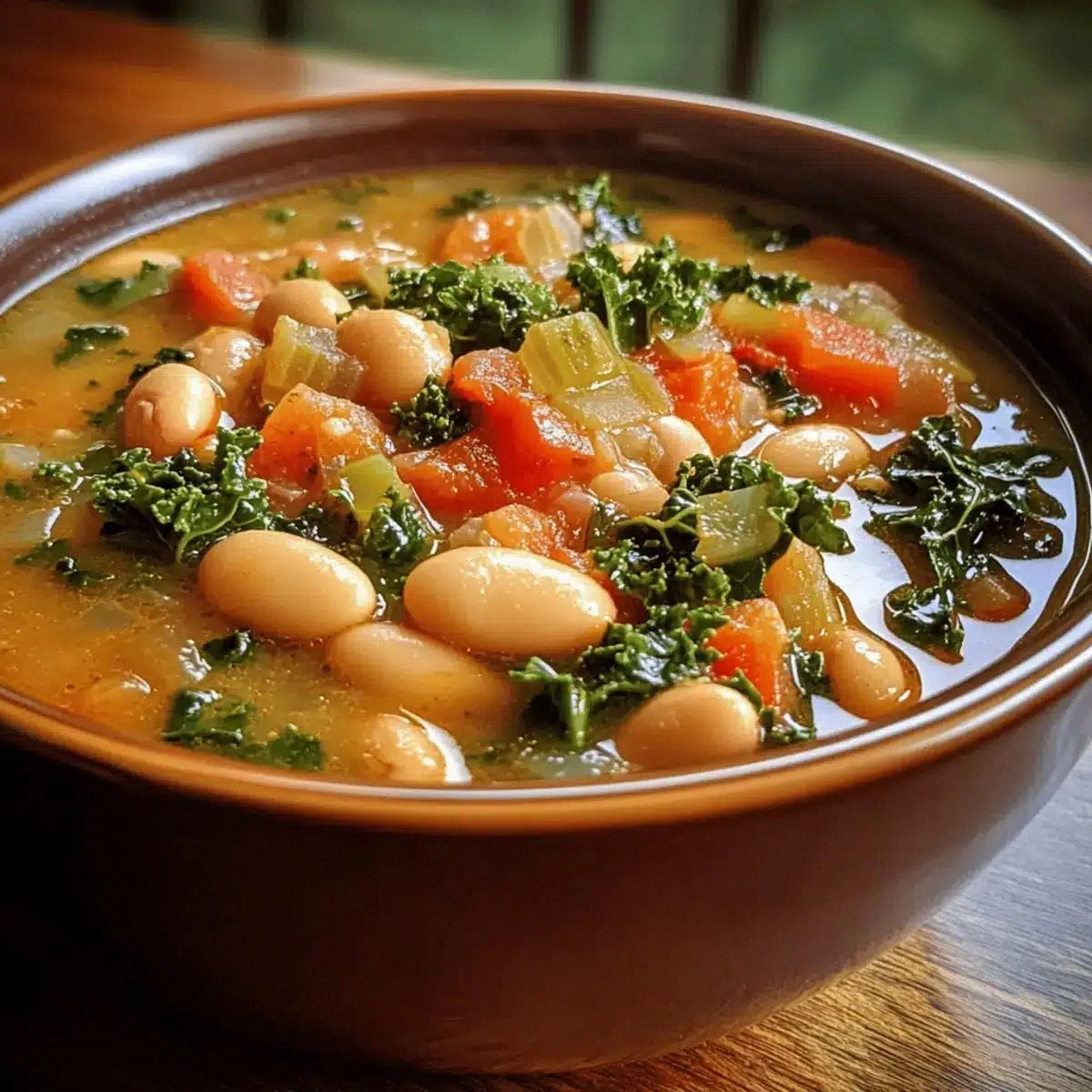
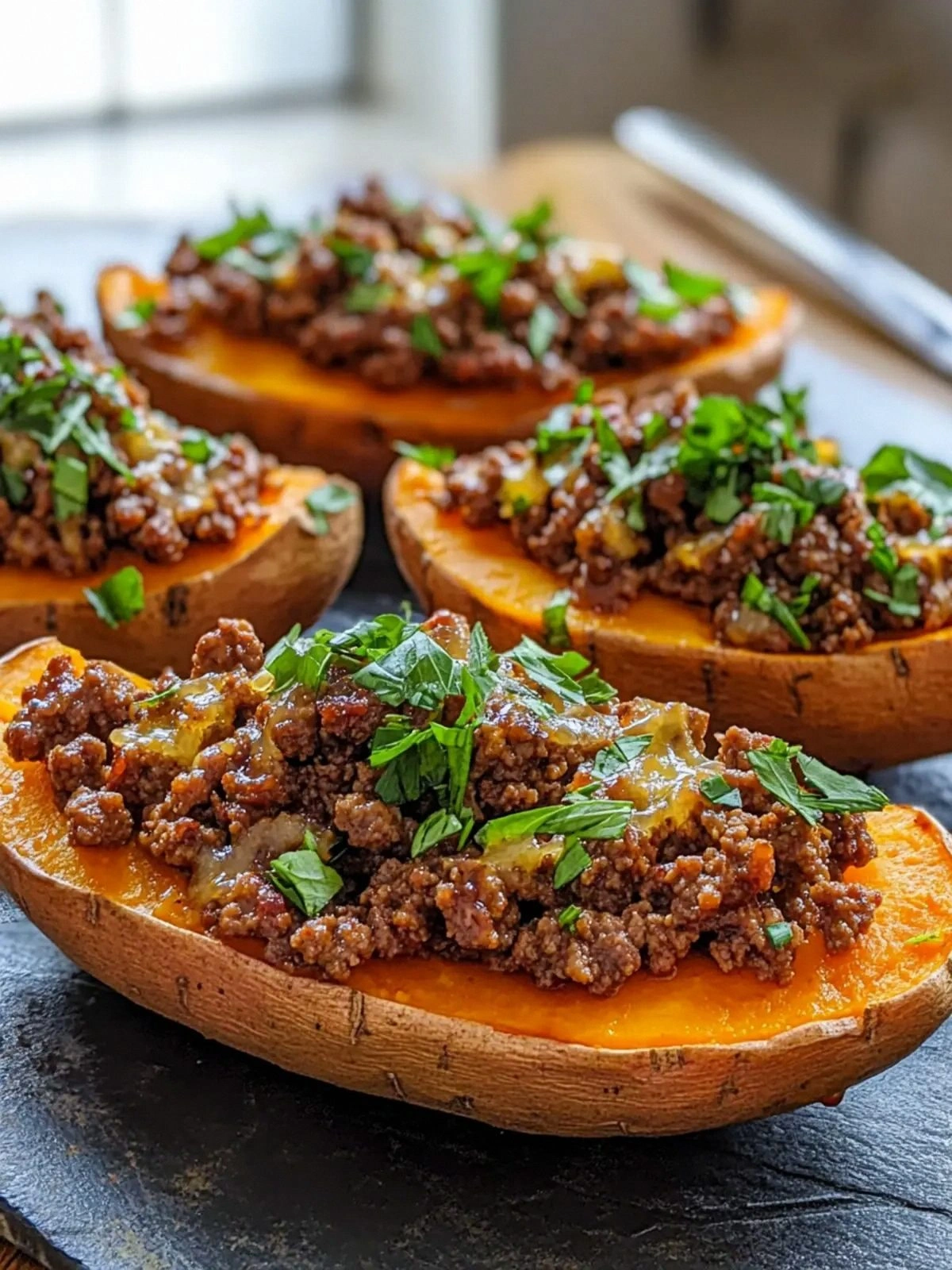
Picture this: a rainy Saturday, the kind that makes you want to curl up with a blanket and a bowl that feels like a hug from the inside. I was halfway through a marathon of Netflix reruns when a sudden craving for something warm, hearty, and ridiculously colorful hit me like a flash of lightning. My pantry was a mishmash of half‑used veggies, a bag of quinoa that had been waiting for its moment, and a bottle of balsamic that smelled like a vineyard in autumn. I thought, “Why not throw everything together and see what happens?” Spoiler alert: the result was a revelation that turned a lazy afternoon into a culinary triumph.
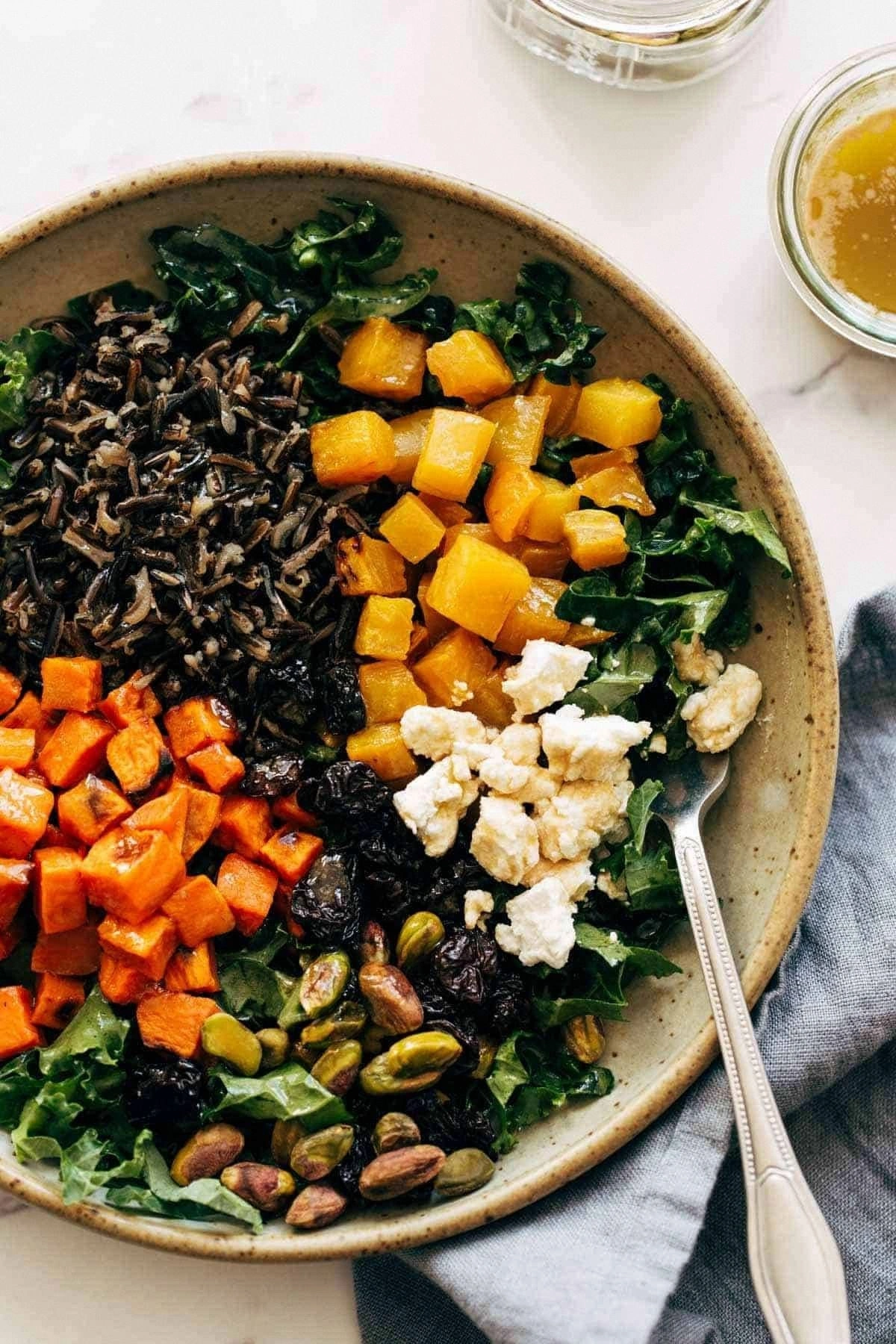
The kitchen instantly filled with the scent of caramelizing carrots and the earthy whisper of roasted broccoli, a perfume so inviting it could have coaxed the neighbor’s cat out of hiding. The oven’s heat sang a low hum, while the stovetop offered a gentle sizzle that felt like a drumroll before the grand finale. When I finally pulled the tray out, the vegetables were glistening with a glossy balsamic glaze, their edges crisped to perfection, each piece boasting a caramel‑brown crown that begged to be devoured. I tossed them into a bowl of fluffy quinoa, added a handful of chickpeas that added a buttery bite, and finished with a drizzle of honey‑kissed dressing that tied everything together like a perfectly tuned orchestra.
Most grain bowls I’ve tried end up feeling flat—either the grains are soggy, the veggies are limp, or the dressing is a watery afterthought. This version, however, flips that script on its head. By roasting the vegetables first, we lock in sweetness and introduce a smoky depth that no stovetop sauté can match. The balsamic reduction acts as a glossy, slightly tangy glaze that clings to each bite, while the honey adds just enough sweetness to balance the acidity. The quinoa stays light and separate, providing a subtle nutty backdrop that lets the veggies shine. And the best part? It’s entirely customizable, making it the perfect canvas for whatever produce you have on hand.
I’m about to spill the beans on a secret technique that most recipes overlook: a quick flash‑roast of the quinoa after it’s cooked, just long enough to give it a toasty edge without drying it out. Trust me, this step turns a humble grain into a flavor‑bomb base that holds up beautifully when reheated. I dare you to taste this and not go back for seconds—because once you experience that perfect blend of textures and flavors, you’ll never settle for a bland bowl again.
Let me walk you through every single step — by the end, you’ll wonder how you ever made it any other way.
What Makes This Version Stand Out
- Flavor Explosion: The caramelized vegetables paired with a balsamic‑honey glaze create a sweet‑tart symphony that dances on the palate, while the quinoa provides a subtle, nutty counterpoint.
- Texture Harmony: Crispy roasted edges, buttery chickpeas, and fluffy grains meet in one bowl, delivering crunch, chew, and softness in each forkful.
- Simplicity Meets Sophistication: With just a handful of pantry staples and a 30‑minute oven session, you achieve a restaurant‑quality dish without any culinary school degree.
- Unique Twist: The flash‑roast of quinoa adds a toasty crunch rarely found in grain bowls, turning the base into a flavor carrier rather than a bland filler.
- Crowd‑Pleaser: Whether you’re feeding vegans, vegetarians, or meat‑loving friends, this bowl satisfies every dietary preference with optional feta or a sprinkle of nuts.
- Ingredient Quality: Fresh, seasonal vegetables bring natural sweetness, while high‑quality balsamic vinegar adds depth and a glossy finish.
- One‑Pan Efficiency: Roast, toss, and serve using just two pans, minimizing cleanup and maximizing kitchen flow.
- Make‑Ahead Magic: The components store beautifully, allowing you to assemble a fresh bowl in minutes for lunch or dinner throughout the week.
Alright, let's break down exactly what goes into this masterpiece...
Inside the Ingredient List
The Flavor Base
At the heart of this bowl lies the balsamic‑honey glaze. Balsamic vinegar, with its deep, woody notes, acts like a dark chocolate coating for the veggies, while a splash of honey or maple syrup introduces a caramel sweetness that balances the acidity. If you’re watching sugar, a tablespoon of agave works just as well. Skipping this component would leave the vegetables tasting flat, as the glaze is responsible for that glossy, mouth‑watering finish that makes each bite feel indulgent.
The Texture Crew
Roasted broccoli, carrots, bell peppers, and zucchini each bring a distinct mouthfeel. Broccoli florets develop crunchy tips that shatter like thin ice, carrots become tender yet retain a subtle snap, peppers turn silky with charred edges, and zucchini adds a buttery softness. Chickpeas, when tossed in the same glaze, become slightly caramelized, offering a nutty bite that contrasts beautifully with the grains. If any of these vegetables are out of season, feel free to swap in sweet potatoes or cauliflower—just adjust the roasting time accordingly.
The Unexpected Star
Quinoa isn’t just a bland carrier; it’s the secret weapon that absorbs the glaze while staying fluffy. By flash‑roasting the cooked quinoa for a minute or two in a hot skillet, you create a toasty crust that prevents the grain from becoming mushy when reheated. This step also adds a subtle smoky aroma that elevates the entire bowl. Using brown rice or farro works, but you’ll lose the quick‑cook convenience and the ability to achieve that light, airy texture.
The Final Flourish
Fresh herbs like parsley or cilantro finish the dish with a bright, herbaceous pop that cuts through the richness of the glaze. A crumble of feta adds a salty, creamy contrast, while a drizzle of extra‑virgin olive oil adds silkiness. These finishing touches are optional but recommended—they’re the confetti on a celebration cake. If you’re dairy‑free, replace feta with toasted pumpkin seeds for crunch and a nutty flavor.
Everything's prepped? Good. Let's get into the real action...
The Method — Step by Step
Preheat your oven to 425°F (220°C). While the oven warms up, line a large rimmed baking sheet with parchment paper. This ensures the veggies won’t stick and makes cleanup a breeze. A hot oven is crucial; it creates that coveted caramelization on the vegetable surfaces. If your oven runs cool, add an extra 5 minutes to the roasting time.
In a large bowl, combine the broccoli florets, carrot chunks, sliced bell peppers, and zucchini cubes. Drizzle with 2 tablespoons of olive oil, 2 tablespoons of balsamic vinegar, and 1 tablespoon of honey. Sprinkle 1 teaspoon of smoked paprika, ½ teaspoon of garlic powder, and a generous pinch of salt and pepper. Toss everything until each piece is glossy and evenly coated. The aroma of the spices should already be teasing your nose—trust that feeling.
Spread the seasoned vegetables in a single layer on the prepared baking sheet. Overcrowding leads to steaming rather than roasting, so use two sheets if needed. Slide the tray into the oven and roast for 20‑25 minutes, stirring halfway through to ensure even browning. You’ll know they’re ready when the edges start pulling away and a caramel‑brown crust forms.
While the veggies roast, cook 2 cups of quinoa according to package instructions (typically 1 part quinoa to 2 parts water). Once the water boils, reduce to a simmer, cover, and let it cook for about 15 minutes until fluffy. After cooking, fluff with a fork and set aside.
Now for the flash‑roast: heat a non‑stick skillet over medium‑high heat, add a splash of olive oil, and spread the cooked quinoa in an even layer. Let it sit undisturbed for 1‑2 minutes until the bottom turns golden and slightly crisp. Toss quickly, then repeat on the other side. This step adds a toasted, nutty flavor that makes the grain stand up to the bold veggies.
When the vegetables are beautifully caramelized, remove them from the oven and let them cool for about 5 minutes. Meanwhile, rinse and drain a 1‑cup can of chickpeas, then toss them into the hot pan with the quinoa for the last minute of cooking. The residual heat will give the chickpeas a light glaze from the remaining balsamic‑honey mixture.
Assemble the bowls: start with a generous scoop of toasted quinoa, top with a mountain of roasted veggies, and sprinkle the honey‑glazed chickpeas over everything. Finish with a handful of fresh parsley, a crumble of feta (if using), and an extra drizzle of olive oil for shine. The final look should be a colorful mosaic that looks as good as it tastes.
Give the bowl a quick toss before digging in, allowing the glaze to coat every bite. The moment the fork meets the bowl, you’ll hear a faint crackle as the quinoa’s crust meets the tender vegetables—a sound that says, “You’ve nailed it.” Serve immediately, or let it cool and store for later. That sizzle when it hits the pan? Absolute perfection.
That's it — you did it. But hold on, I've got a few more tricks that'll take this to another level...
Insider Tricks for Flawless Results
The Temperature Rule Nobody Follows
Most home cooks set the oven to 400°F and call it a day, but raising the temperature to 425°F creates a rapid Maillard reaction, giving the veggies that coveted caramelized edge. The higher heat also shortens cooking time, preserving the bright colors and crispness. If you’re using a convection oven, you can drop the temperature by 25°F and still achieve the same effect. I once tried a lower temperature and ended up with soggy carrots—lesson learned.
Why Your Nose Knows Best
Trust the aroma. When the vegetables start to smell nutty and slightly sweet, they’re near perfection. If you’re unsure, give them a quick sniff; a hint of burnt sugar means they’re ready to pull out. This sensory checkpoint saves you from over‑roasting and ensures each bite has that perfect balance of sweet and savory.
The 5‑Minute Rest That Changes Everything
After roasting, let the veggies rest for five minutes before tossing them with the quinoa. This short pause lets the caramelized sugars settle and prevents the glaze from becoming too runny when mixed. It also allows the steam to escape, keeping the veggies crisp rather than soggy. I used to skip this step and ended up with a soggy bowl—never again.
Seasoning Layers, Not One
Instead of dumping all the salt at once, season at three stages: on the raw veggies, after roasting, and finally with a pinch of flaky sea salt on the assembled bowl. This layered approach builds depth and ensures every bite is seasoned perfectly. Too much salt early on can draw moisture out of the veggies, leading to a less crisp texture.
Use a Hot Pan for the Quinoa Crunch
When flash‑roasting quinoa, the pan must be hot enough that the grains sizzle the moment they hit the surface. If the pan is too cool, the quinoa will steam and become mushy. A quick test: sprinkle a few grains onto the pan; if they dance and pop, you’re good to go. This tip turns a bland base into a crunchy, flavorful foundation.
Creative Twists and Variations
This recipe is a playground. Here are some of my favorite ways to switch things up:
Asian‑Inspired
Swap balsamic for a mixture of soy sauce, rice vinegar, and a dash of sesame oil. Add shredded red cabbage, edamame, and a sprinkle of toasted sesame seeds. The result is a tangy, umami‑rich bowl that pairs well with a side of pickled ginger.
Mexican Fiesta
Replace the quinoa with cilantro‑lime rice, use corn kernels, black beans, and roasted poblano peppers. Finish with a drizzle of chipotle‑lime crema and a handful of crumbled queso fresco. This version brings smoky heat and bright citrus notes to the table.
Autumn Harvest
Incorporate diced sweet potatoes, roasted Brussels sprouts, and a splash of apple cider vinegar in the glaze. Add toasted walnuts and a dollop of goat cheese for creaminess. The sweet‑savory balance is perfect for cooler evenings.
Protein‑Packed
For a heartier meal, add grilled chicken breast strips or pan‑seared tofu cubes. Marinate the protein in a little extra balsamic before cooking to keep flavors cohesive. This boosts the protein content without overwhelming the vegetable medley.
Grain‑Free
Swap quinoa for cauliflower rice, lightly sautéed with a pinch of turmeric for color. The cauliflower absorbs the glaze just as well, keeping the dish low‑carb while still delivering satisfying texture.
Storing and Bringing It Back to Life
Fridge Storage
Allow the cooked components to cool completely, then transfer the quinoa, roasted veggies, and chickpeas into separate airtight containers. Store in the refrigerator for up to four days. When ready to eat, combine the desired portions in a bowl and add a fresh drizzle of olive oil.
Freezer Friendly
Portion the roasted vegetables and quinoa into freezer‑safe bags or containers. Label with the date and freeze for up to three months. The chickpeas hold up best when kept separate and added after reheating to maintain their texture.
Best Reheating Method
For microwave reheating, sprinkle a tiny splash of water over the bowl before heating; this creates steam that revives the veggies’ crispness. For a stovetop finish, reheat the quinoa in a hot skillet with a drizzle of oil, allowing it to regain its toasted edge. The result should be as fresh as the original—no soggy leftovers here.