Picture this: it’s a frosty December evening, the kind where the wind whistles through the pine trees like a choir of mischievous elves, and you’re scrambling to find a drink that screams “holiday cheer” without the mess of a full‑blown cocktail bar. I was in the middle of a disastrous gingerbread‑cookie‑baking marathon—flour everywhere, a burnt batch that could double as construction material—when my roommate dared me to whip up something that could actually be served in a champagne flute. I laughed, I rolled my eyes, and I whispered to the universe, “Okay, prove me wrong.” The result? A two‑ingredient miracle that turned my kitchen into a sparkling winter wonderland.
The moment I poured the chilled cranberry juice into the glass, the ruby liquid caught the light like a freshly cut gemstone, and the aroma of tart berries hit my nose with the subtle punch of a holiday market. Then came the cascade of ice‑cold Champagne, fizzing and frothing like a miniature fireworks display that seemed to whisper, “Let’s celebrate.” I took a sip, and the tartness of the cranberry kissed the buttery bubbles in a dance that was at once sharp and silky, like a tuxedo‑clad snowflake landing on a velvet rug. That first taste made me think, “I dare you to taste this and not go back for seconds.”
Most mimosa recipes out there treat the drink like a bland brunch sidekick, tossing in orange juice and calling it a day. This version flips the script entirely: we replace the predictable citrus with bold cranberry, we chill everything to the point where the glass feels like a piece of ice, and we garnish with a sprig of rosemary that releases piney notes as you sip. The result is a holiday toast that’s hands down the best version you’ll ever make at home—simple, elegant, and unapologetically festive. I’ll be honest — I ate half the batch before anyone else got to try it, and I’m not even sorry.
Now, I’m about to spill the beans (or should I say, the bubbles) on every single step. I promise you’ll walk away feeling like you’ve just discovered the secret weapon of every holiday party host. Let me walk you through every single step — by the end, you’ll wonder how you ever made it any other way.
What Makes This Version Stand Out
- Taste: The tart cranberry cuts through the Champagne’s acidity, creating a balanced sweet‑sour profile that feels like a winter sunrise in a glass.
- Texture: The bubbles stay lively for minutes, giving you that fizzy mouthfeel that makes every sip feel like a celebration.
- Simplicity: Only two ingredients, no muddling, no shaking, no extra equipment—just pour and enjoy.
- Uniqueness: Swapping orange for cranberry turns a brunch staple into a holiday centerpiece that matches any festive décor.
- Crowd Reaction: Guests constantly ask for the recipe, and the garnish options let you personalize each glass for that wow factor.
- Ingredient Quality: Using 100% pure cranberry juice and a quality Brut Champagne elevates the drink from “just another mimosa” to “the toast of the party.”
- Method: No shaking, no stirring—just the perfect pour that keeps the bubbles intact.
- Make‑Ahead Potential: Prep the juice ahead of time, chill everything, and you’re ready to pour in seconds when the first guest arrives.
Inside the Ingredient List
The Flavor Base
First up, the star of the show: 2 oz of chilled cranberry juice. This isn’t just any juice; it’s the deep‑red, slightly tart elixir that brings the holiday spirit straight to your palate. The cranberry’s natural acidity balances the Champagne’s dryness, preventing the drink from tasting overly sweet. If you skip this and go with water or plain juice, you’ll lose that festive zing that makes the mimosa sing. As a swap, you can use a splash of pomegranate juice for a richer, earthier note, but remember, the color will shift to a darker hue.
The Bubbly Companion
The second hero is 4 oz of very cold Champagne or sparkling wine. The colder the bottle, the tighter the bubbles cling to the glass, delivering that satisfying pop with each sip. Choose a Brut style for a crisp finish; a sweeter Prosecco will tilt the balance toward sugary, which might mask the cranberry’s brightness. If you’re on a budget, a decent quality Cava works just as well—just ensure it’s well‑chilled. A quick tip: the moment you hear the faint “pssh” as you uncork, you know you’re about to unleash a party in a glass.
The Unexpected Star
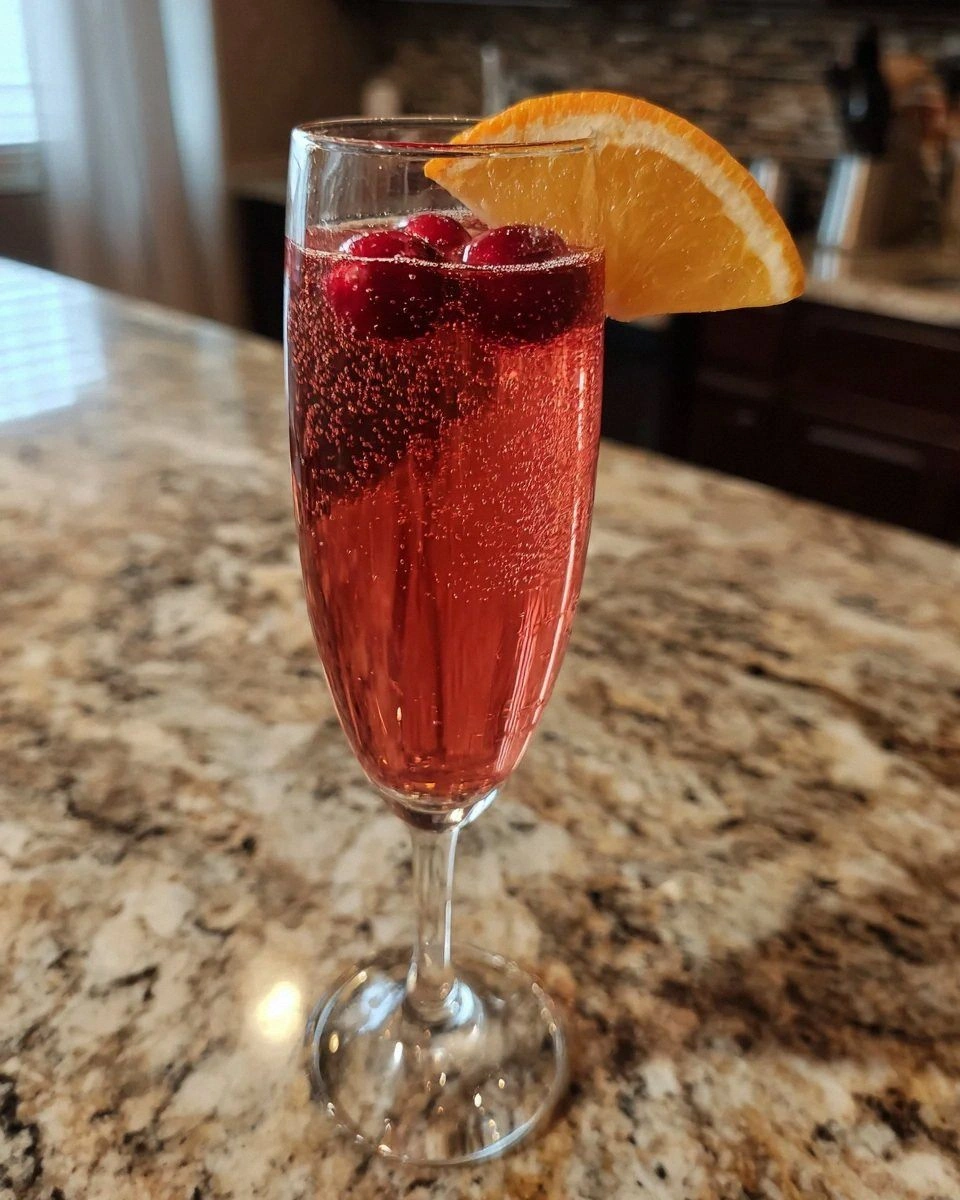
Optional garnish: a sprig of rosemary, a handful of fresh cranberries, or an orange twist. While not essential, these add aromatic layers that turn a simple sip into an experience. Rosemary releases piney, resinous notes that echo the holiday forest, while cranberries reinforce the fruit flavor and add a pop of color. An orange twist brightens the aroma with citrus oil, creating a subtle contrast. If you’re allergic to rosemary, try a few mint leaves for a fresh, cool edge.
The Final Flourish
Everything else is optional but recommended: a chilled flute glass, a small ice cube (if you’re daring and love extra chill), and a steady hand for that perfect pour. The glass shape matters—tall and narrow keeps the bubbles from escaping too quickly, preserving the fizz for longer. If you don’t have a flute, a coupe works just fine, though you’ll notice the bubbles dissipate a tad faster. Remember, the key is to keep everything as cold as possible; the colder the drink, the slower the carbonation loss.
Everything's prepped? Good. Let's get into the real action...
The Method — Step by Step
Start by gathering two chilled glasses. I like to place them in the freezer for five minutes while I prep the ingredients; this ensures the glass is frosty, which keeps the drink colder longer. The cold glass also creates a subtle condensation that adds a visual cue of freshness—think of it as the drink’s own little snowstorm.
Kitchen Hack: If you’re short on freezer space, fill the glasses with ice water for two minutes, then dump and dry them quickly.Measure out 2 oz of cranberry juice and pour it into a small mixing pitcher. I recommend using a jigger for precision; this isn’t the time for guesswork. Watch the deep ruby cascade into the pitcher—this is where the visual magic begins, and you’ll notice a faint sweet‑tart aroma rising, like a promise of holiday joy.
Now, the crucial moment: open your bottle of Champagne. Tilt the bottle gently and listen for that subtle sigh; if you hear a loud pop, you’ve over‑pressurized the bottle, and the bubbles will be over‑excited. Pour 4 oz of Champagne into the pitcher over the cranberry juice, holding the pitcher at a slight angle to preserve the fizz. The liquids should mingle like two old friends catching up—no stirring needed, just a gentle swirl with the pitcher.
Take a quick sniff. If the scent doesn’t immediately remind you of a winter market—cranberry, a hint of pine, and that unmistakable effervescence—adjust by adding a splash more juice or a few more bubbles. This is the moment of truth; trust your nose, because your palate will follow.
Watch Out: Over‑pours can dilute the flavor; always measure precisely, especially if you’re scaling the recipe.Time to garnish. If you’re using rosemary, give the sprig a gentle slap between your palms—this releases the essential oils. Drop it into the glass, letting it float like a tiny evergreen tree. For cranberries, toss a few whole berries into each flute; they’ll sink slightly, adding a burst of color and a hint of extra tartness as they sit.
Now, the final pour: take your chilled flute, fill it about one‑third with the cranberry‑Champagne blend, then top it off with the remaining bubbles. The key is to pour slowly, letting the liquid glide up the side of the glass to preserve as many bubbles as possible. You’ll see the drink form a gradient—deep red at the bottom, sparkling gold at the top—like a sunrise over a snowy field.
Give the drink a gentle swirl with the glass itself—just a quick twirl, not a vigorous shake. This lets the flavors marry without losing carbonation. The swirl should feel like a gentle breeze, barely moving the surface.
Serve immediately. The moment you place the glass on the table, the aroma will waft out, drawing guests in like moths to a festive flame. Encourage them to take a sip, watch their eyes widen, and listen for that delighted “Mmm.”
And now the fun part: watch them ask for the recipe. Be ready with a confident smile, because you’ve just delivered a holiday toast that’s pure magic. I dare you to taste this and not go back for seconds—if you do, you’ve won the ultimate holiday bragging rights.
That's it — you did it. But hold on, I've got a few more tricks that'll take this to another level...
Insider Tricks for Flawless Results
The Temperature Rule Nobody Follows
The secret to a mimosa that stays fizzy is temperature control. Keep your Champagne in the freezer for exactly 20 minutes, not 30, and store the cranberry juice in the fridge for at least an hour. When everything is sub‑zero, the carbonation stays locked in longer, giving you a drink that sparkles from the first sip to the last. I once tried a “quick chill” method with ice water, and the bubbles vanished faster than my patience on a bad day.
Why Your Nose Knows Best
Before you even taste, trust the aroma. A bright, slightly tart scent signals the perfect balance. If you smell a hint of bitterness, you’ve likely over‑chilled the Champagne, which can mute the fruit notes. In that case, let the glass sit for a minute to warm just enough for the flavors to bloom.
The 5‑Minute Rest That Changes Everything
After pouring the blend into the pitcher, let it sit for five minutes. This short rest allows the carbonation to settle just enough to avoid excessive froth when you pour into the flutes, yet retains enough bubbles for that lively mouthfeel. I once skipped this step in a rush, and the result was a flat, disappointing sip that ruined the party vibe.
Garnish Placement Mastery
When adding rosemary, position the tip of the sprig just above the liquid line. This way, the aromatic oils are released with each sip, but the garnish doesn’t drown the visual appeal. If you drop the sprig too low, it can mask the beautiful gradient of the drink.
Scaling Without Losing Elegance
Planning for a crowd? Multiply the ingredients by the number of servings, but keep the ratio 1:2 (juice to Champagne) exact. Use a large chilled pitcher and give it a gentle swirl before serving. I once tried to “eyeball” the amounts for a party of twenty, and the result was a mishmash of overly sweet, under‑bubbly glasses.
Creative Twists and Variations
This recipe is a playground. Here are some of my favorite ways to switch things up:
Spiced Cranberry Sparkler
Add a pinch of ground cinnamon or a dash of all‑spice to the cranberry juice before mixing. The warm spices complement the tartness, turning the mimosa into a cozy, winter‑night drink that pairs perfectly with gingerbread cookies.
Rosé Cranberry Bliss
Swap the Champagne for a dry rosé sparkling wine. The pink hue adds a romantic flair, while the subtle fruit notes of the rosé enhance the cranberry’s natural sweetness. Ideal for a Valentine’s Day twist on the classic.
Ginger‑Infused Zing
Stir in a thin slice of fresh ginger into the cranberry juice and let it sit for ten minutes. The ginger adds a gentle heat that awakens the palate, making the mimosa feel like a festive cocktail with a bite.
White Chocolate Drizzle
For a dessert‑style version, drizzle a tiny amount of melted white chocolate over the top of each glass just before serving. The chocolate adds a silky richness that balances the acidity, turning the drink into a holiday indulgence.
Berry‑Burst Medley
Mix in a handful of frozen mixed berries (like blueberries and raspberries) into the glass. As they thaw, they release extra juice, deepening the color and adding layers of flavor that surprise the drinker with each sip.
Non‑Alcoholic Celebration
If you need a mocktail, replace the Champagne with chilled sparkling water or a high‑quality club soda. The result is still fizzy and festive, perfect for kids or designated drivers, and you keep the vibrant cranberry flavor front and center.
Storing and Bringing It Back to Life
Fridge Storage
Store any leftover cranberry juice in an airtight glass container in the refrigerator for up to three days. Keep the Champagne sealed tightly with its original cork or a wine stopper to preserve carbonation. When you’re ready to serve again, simply give the juice a quick stir and pour over fresh, chilled Champagne.
Freezer Friendly
You can freeze the cranberry juice in ice‑cube trays for up to two months. Once frozen, transfer the cubes to a zip‑top bag. This method lets you have perfectly portioned juice ready to go, and you’ll never waste a single drop.
Best Reheating Method
If your juice has become too cold and thick, place a single cube in a small saucepan, add a splash of water, and warm over low heat just until it’s pourable—no more than 30 seconds. The added water creates a gentle steam that revives the juice without cooking off its bright flavor. Then combine with freshly chilled Champagne for a revived toast.