I was standing in my kitchen, staring at a pile of boiled potatoes that had turned into a soggy, flavorless mess after a last‑minute dinner rush. I stared at the clock, the timer ticking, and thought, “This is going to be a disaster.” Then a memory flashed: a German grandmother’s kitchen, the scent of butter, onions, and sizzling potatoes filling the air. That memory pulled me out of the panic and into a new adventure: a buttery German potato pancake that would change the way I think about comfort food.
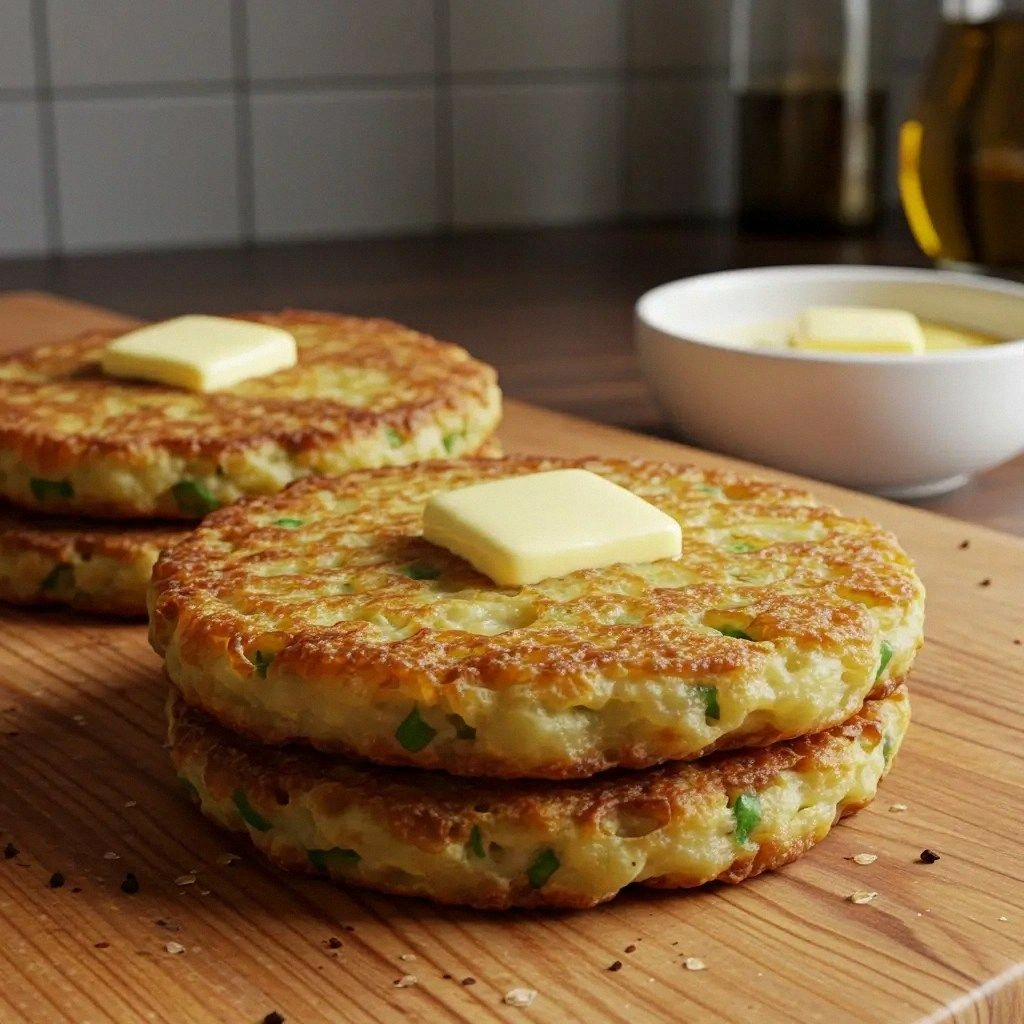
The first bite was a revelation. The exterior was crisp, the inside soft like a cloud, and the butter melted into a silky coating that hugged every bite. The onions added a caramelized sweetness, while the pepper gave a subtle kick that danced on the tongue. The aroma that rose when the pancakes hit the pan was unmistakably homey, like a warm blanket on a cold morning. It was the kind of sensory experience that turns a simple dish into a memory.
What makes this version stand out is that it’s not just a recipe—it’s a declaration. I’m telling you that you can achieve the perfect balance of crunch and tenderness with a few strategic tweaks that most recipes ignore. It’s a dish that feels like a hug, but also daring enough to make you taste it again and again. I dare you to taste this and not go back for seconds. Trust me, once you taste the buttery, caramelized edges, you’ll never settle for a bland alternative.
The secret? A blend of flour and potato starch that gives the pancakes their signature lift, a generous splash of butter that turns each bite into a buttery dream, and a pinch of baking powder that lifts the batter into golden perfection. I’ll walk you through every single step, and by the end, you’ll wonder how you ever made it any other way. Let’s dive in.
What Makes This Version Stand Out
- Texture: The combination of flour and potato starch creates a batter that rises beautifully, giving each pancake a light, airy interior while the edges crisp to a golden crunch.
- Flavor: Caramelized onions bring a natural sweetness that balances the savory butter, and a touch of pepper adds depth without overpowering.
- Simplicity: Only ten ingredients, all found in a typical pantry, make this recipe a quick win for busy evenings.
- Versatility: Serve them for breakfast, brunch, or as a hearty side dish—it’s the Swiss army knife of potato dishes.
- Make‑ahead Potential: The batter can be prepared up to an hour ahead, refrigerated, and cooked when you’re ready.
- Presentation: The golden crust and buttery shine make for a stunning plate that will impress guests.
Alright, let's break down exactly what goes into this masterpiece. And before we get into the nitty‑gritty, here's a quick kitchen hack to keep your pans in top shape.
Inside the Ingredient List
The Grains & Starches
The backbone of our pancakes is the blend of all‑purpose flour and potato starch. Flour provides structure, while potato starch adds a delicate lift that keeps the pancakes light. If you skip potato starch, the pancakes will be denser, but you can still achieve a decent result with a slightly higher flour ratio. A good rule of thumb is to keep the flour at 0.5 cups per 4 servings.
The Protein Power
Eggs are the glue that holds everything together. They give the batter cohesion and help the pancakes rise. If you’re vegan, a flaxseed “egg” or a commercial egg replacer can work, but the texture will differ. The two eggs in this recipe are what give the pancakes that tender, almost custard‑like center.
The Flavor Base
Grated potatoes are the star, but they need a partner. Onions bring sweetness, and a pinch of salt and pepper bring out their natural flavor. If you’re a fan of a smoky note, try adding a teaspoon of smoked paprika. The pepper adds a subtle heat that keeps the dish from feeling flat.
The Final Flourish
Butter is the hero here—both in the batter and in the finishing step. It creates that glossy shine and deep flavor. Oil helps the pancakes cook evenly without burning the butter. A splash of sour cream on top is optional but elevates the dish to a new level of richness.
Everything's prepped? Good. Let's get into the real action.
The Method — Step by Step
- Start by boiling the potatoes in lightly salted water until they’re just tender—about 10 minutes. Drain and let them cool slightly so you can handle them. Grate the potatoes using a coarse grater; you want a bit of texture for crunch. I dare you to taste the raw potato grating before you even add butter—just the earthy flavor will get you hooked.
- In a large bowl, combine the grated potatoes, flour, potato starch, and baking powder. Mix until the dry ingredients are evenly distributed. The batter should be thick but pourable—think of a thick pancake batter that holds its shape when you lift the spoon.
- Add the eggs, grated onion, salt, and pepper to the bowl. Beat everything together until the mixture is smooth and the onions are well incorporated. The onions should be almost invisible in the batter, but their flavor will shine through when cooked.
- Melt the butter in a large skillet over medium heat. Once the butter is foamy, add a tablespoon of oil to help prevent sticking. The butter should not brown; you want a light, golden color. This is the moment of truth—watch the butter sizzle.
- Drop spoonfuls of the batter into the hot skillet. Spread them gently with a spatula to form circles about 4 inches wide. The edges should start to set within 2 minutes, and you’ll hear a satisfying sizzle. Flip each pancake when the underside is golden and the tops begin to set—about 3 minutes total per side.
- Reduce the heat to medium‑low and let the pancakes finish cooking. This slow cooking allows the inside to steam and stay moist. The pancakes should be golden all around and have a slightly crisp exterior.
- Remove the pancakes from the skillet and place them on a paper towel to drain excess fat. This step is crucial—watch out, because if you skip it, the pancakes will stay greasy and lose their crispness.
- Serve hot, with a pat of butter melting over the top and a dollop of sour cream on the side. The butter should cascade into the crevices, turning each bite into a buttery explosion. Finish with a sprinkle of fresh parsley for a pop of color.
That’s it — you did it. But hold on, I've got a few more tricks that'll take this to another level.
Insider Tricks for Flawless Results
The Temperature Rule Nobody Follows
Many cooks use high heat to get a quick sear, but that leads to burnt edges and undercooked centers. I always set the skillet to medium heat and let it preheat for a full minute before adding butter. This ensures even cooking and a beautiful golden crust.
Why Your Nose Knows Best
Your sense of smell is a reliable indicator of doneness. When the pancakes start to smell like toasted butter, you know the edges are crisping up. If the aroma is still raw, give them a few more minutes. Trust your nose, not your watch.
The 5‑Minute Rest That Changes Everything
After cooking, let the pancakes rest on a wire rack for five minutes. This allows the steam to escape, preventing sogginess. I’ve seen pancakes that rest on a plate become soggy because the steam is trapped. The wire rack is the secret to that perfect, airy interior.
The Perfect Butter Ratio
Too much butter can make the pancakes greasy. Use exactly 2 tablespoons for 4 servings, and add a tablespoon of oil to keep the butter from scorching. If you love a buttery taste, you can increase the butter to 3 tablespoons, but you’ll need to lower the heat accordingly.
The Onion Trick
Grated onions release their sweetness when they’re cooked in butter. Let them sauté for a minute before adding the potato mixture; this brings out a caramelized flavor that elevates the dish. A quick sauté also reduces the raw sharpness of the onion.
The Sour Cream Finale
Sour cream doesn’t just add richness; it balances the saltiness and butter with a tangy note. Keep it cold and serve it in a small bowl on the side. I like to drizzle a little honey over the sour cream for a sweet contrast.
Creative Twists and Variations
This recipe is a playground. Here are some of my favorite ways to switch things up:
Cheesy Bavarian
Add 1/2 cup grated Emmental or Gruyère to the batter for a melty, nutty flavor. The cheese melts into the pancake, giving it a creamy center. Serve with a dollop of sour cream and a sprinkle of chives.
Herb‑Infused Delight
Stir in 2 tablespoons chopped fresh dill or rosemary. The herbs add a fragrant, earthy note that complements the butter. This variation is perfect for spring or summer brunches.
Smoky Paprika Pancake
Replace the pepper with smoked paprika and add a pinch of cayenne. The smoky flavor pairs wonderfully with the natural sweetness of the potatoes. Top with a drizzle of smoky barbecue sauce for an extra kick.
Sausage & Onion Stack
Layer thinly sliced cooked sausage between each pancake. The sausage adds protein and a savory depth. This version is great for a hearty dinner or a brunch that feels like a feast.
Crispy Potato Waffles
Use a waffle iron instead of a skillet. The batter will puff up and form crisp, golden waffles. Serve with maple syrup or a sprinkle of powdered sugar for a sweet twist.
Sweet Potato Pancake
Swap regular potatoes for sweet potatoes. The natural sweetness balances the butter, creating a caramelized flavor profile. Finish with a dusting of cinnamon and a splash of maple syrup.
Storing and Bringing It Back to Life
Fridge Storage
Cool the pancakes completely, then store them in an airtight container. They’ll keep for up to 3 days in the refrigerator. When reheating, add a splash of water to the pan to create steam and keep them moist.
Freezer Friendly
Place the cooled pancakes on a baking sheet in a single layer and freeze for 1–2 hours. Once solid, transfer to a freezer bag. They’ll stay fresh for up to 2 months. Reheat in a skillet with a little butter to restore that buttery crust.
Best Reheating Method
The most effective way to reheat is in a skillet over medium heat. Add a tablespoon of butter or oil, then place the pancakes in the pan. Flip once, and they’ll be hot and crisp in about 3 minutes. Avoid microwaving, as it makes the pancakes soggy.