Picture this: you’re standing in your kitchen, the air thick with the scent of smoked paprika and fresh lime, a pan sizzling on the stove, and a friend daring you to try a dish that will make your taste buds do a little dance. I remember the first time I stumbled upon the idea of blackening a salmon fillet and topping it with a silky avocado salsa; the kitchen was a mess of spices, and the fish was a bit too dry until I discovered the secret sauce that turns every bite into a buttery, smoky revelation. That single moment of culinary epiphany has since become my go-to recipe, and I’m thrilled to share every twist, trick, and technique that elevates this dish from simple to spectacular.
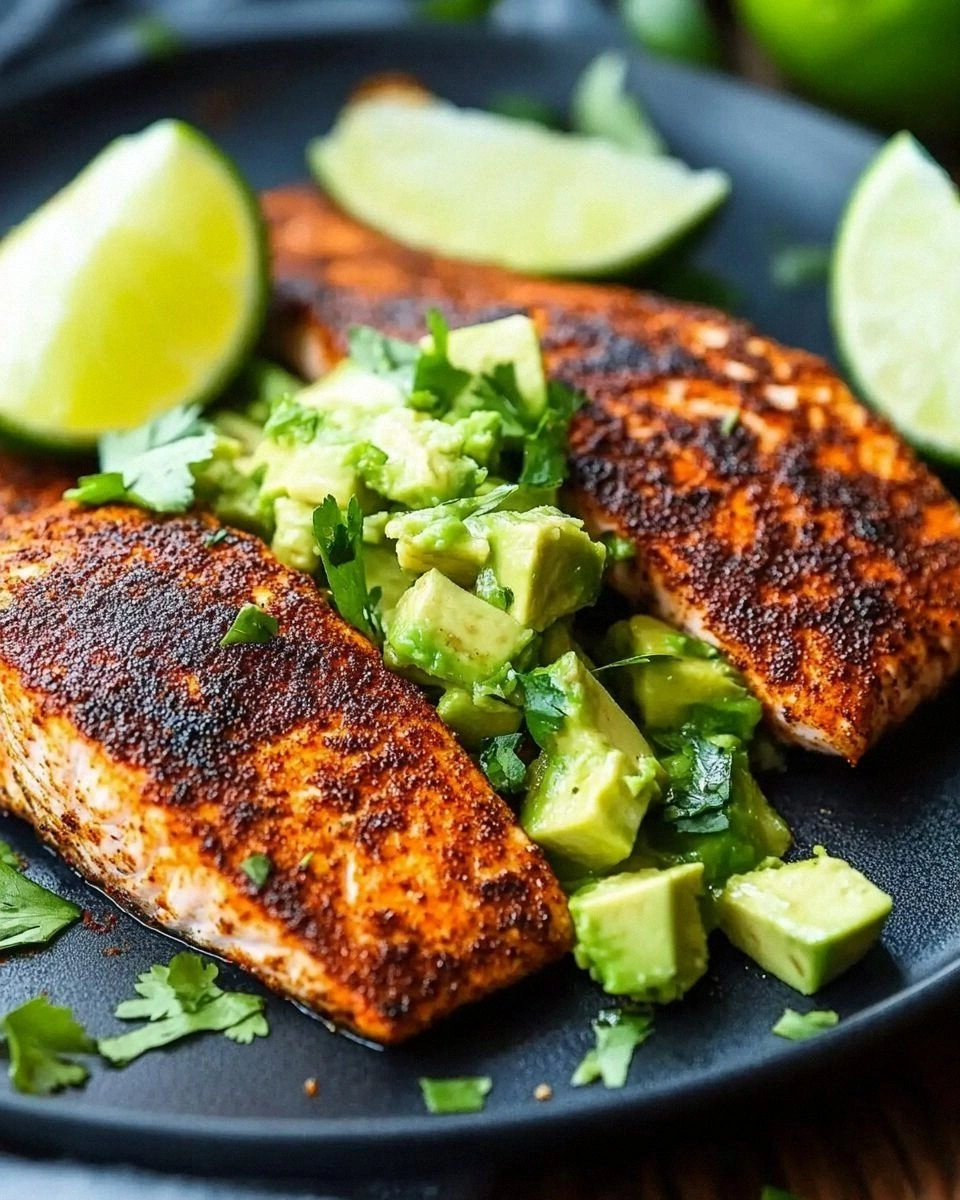
From the very first glance, you can see the salmon’s golden crust forming, the avocado’s bright green flesh cutting a sharp contrast, and the salsa’s bright lime zest glinting like a splash of sunshine. The aroma is an orchestra of smoky paprika, sharp lime, and earthy cilantro, while the sound of the pan crackling is a promise of crisp edges that will shatter like thin ice when you bite. The texture is a harmonious blend: the flaky interior of the fish, the creamy avocado, and the crunchy onion bits that give a satisfying bite. The flavor is a bold, smoky bite that is counterbalanced by the fresh, citrusy zing of lime and the subtle heat from jalapeño. Each element works together to create a dish that is more than the sum of its parts.
What makes this version stand out is that it’s not just blackened salmon with avocado; it’s a carefully orchestrated symphony of flavor and texture that keeps the fish moist, the salsa vibrant, and the whole experience unforgettable. I dare you to taste this and not go back for seconds, because the combination of smoky, spicy, creamy, and zesty will have you reaching for more. If you’ve ever struggled to get the blackening just right, you’re not alone — and I’ve got the fix.
Picture yourself pulling this dish out of the pan, the whole kitchen smelling incredible, and the plate looking like a work of art. The anticipation of that first bite is almost as satisfying as the bite itself. The secret? A perfectly balanced spice rub, a precise searing technique, and a salsa that’s both creamy and crisp. This is hands down the best version you’ll ever make at home.
Let me walk you through every single step — by the end, you’ll wonder how you ever made it any other way. The journey will feel like a playful adventure, with plenty of micro‑challenges, bold claims, and insider secrets along the way.
And before we dive in, let me share a quick kitchen hack that will save you time and keep your fish juicy: use a cast‑iron skillet and preheat it until the oil starts to shimmer but not smoke. This ensures a perfect crust and prevents sticking, giving you a flawless sear every time.
What Makes This Version Stand Out
- Flavor: The spice blend balances smoky paprika with a kick of cayenne, creating a depth that lingers on the palate. The citrusy avocado salsa cuts through the richness, delivering a bright, refreshing counterpoint.
- Texture: The salmon’s crust is crisp yet the interior remains moist and flaky. The avocado salsa offers a creamy mouthfeel with a subtle crunch from diced onion.
- Simplicity: With only a handful of pantry staples, you can whip this up in under 30 minutes. No fancy sauces or complex techniques required.
- Uniqueness: The addition of a lime‑zesty avocado salsa turns an ordinary blackened salmon into a vibrant, multi‑dimensional dish that feels like a tropical getaway.
- Crowd‑Pleaser: Whether it’s a week‑night dinner or a dinner party, the bold flavors and beautiful presentation will impress everyone at the table.
- Ingredient Quality: Fresh, high‑quality salmon and ripe avocados are the foundation. The recipe showcases how the right ingredients elevate the dish.
- Cooking Method: The searing technique locks in juices while creating a caramelized crust that’s both visually appealing and flavorful.
- Make‑Ahead Potential: The salsa can be prepared up to 24 hours ahead, and the salmon can be grilled or pan‑seared just before serving.
Inside the Ingredient List
The Flavor Base
The heart of this dish is the spice rub. Combining paprika, cayenne, garlic powder, onion powder, dried thyme, salt, and black pepper creates a complex, smoky flavor that coats the salmon like a velvet cloak. Skipping any of these will leave the fish feeling flat; the paprika and cayenne give it that signature heat, while the thyme adds an herbal depth that balances the spice. If you’re in a hurry, you can use a pre‑made Cajun seasoning, but the custom blend lets you dial in the exact heat level you desire.
When you mix the spices, use a small bowl and whisk them together until the color is even. The uniformity ensures each fillet receives an even coating, preventing patchy flavor. A pinch of smoked paprika can also be added for an extra layer of smokiness, but it’s optional. This base sets the stage for the rest of the dish, giving the salmon its bold, aromatic personality.
Buying fresh, high‑quality spices is crucial. Look for spices that have a bright, vibrant color and a strong aroma; stale spices will leave your salmon tasting like cardboard. Store them in an airtight container away from light and heat to preserve their potency.
One of the secrets to a great rub is to let the salmon rest after coating. The spices will penetrate the flesh, enhancing the flavor profile. A 10‑minute rest is enough for the flavors to meld without drying out the fish.
The Texture Crew
Avocado is the star that brings creaminess and a buttery texture that contrasts the crisp salmon crust. Choose ripe avocados that yield to gentle pressure but aren’t mushy; they should hold their shape when diced. If you’re not ready to use them right away, keep them in the refrigerator for up to 24 hours, and drizzle a little lime juice to prevent browning.
Red onion adds a subtle crunch and sharp bite that cuts through the richness of the avocado. Dice it finely to distribute its flavor evenly. A jalapeño provides a gentle heat that doesn’t overpower the dish, and cilantro adds a fresh, grassy note that brightens the overall profile.
For the salsa, a splash of extra‑virgin olive oil helps bind the ingredients together, giving the salsa a silky mouthfeel. If you prefer a thicker consistency, you can add a tablespoon of Greek yogurt, which also introduces a tangy element that balances the lime zest.
When preparing the salsa, be careful not to mash the avocado; you want small, bite‑sized cubes that hold their shape. This ensures a pleasant contrast between the creamy avocado and the crunchy onion and jalapeño.
The Unexpected Star
Although avocado is the obvious star, the lime zest is a subtle yet powerful component that adds brightness and depth. The zest contains essential oils that release citrus aroma, amplifying the lime juice’s tanginess. It’s easy to forget, but a teaspoon of zest can transform the salsa from ordinary to extraordinary.
Another surprise is the optional sugar, which balances the acidity of the lime and the heat of the jalapeño. A half teaspoon is enough to bring a gentle sweetness that harmonizes all the flavors without making the dish taste sweet.
Using a pinch of smoked paprika in the salsa adds an extra layer of smoky flavor that ties it back to the blackened salmon, creating a cohesive taste experience.
Remember that small details can elevate the dish: a well‑balanced spice rub, ripe avocado, fresh lime zest, and a touch of sweetness can make the difference between good and unforgettable.
Everything's prepped? Good. Let's get into the real action…
The Method — Step by Step
- First, combine the paprika, cayenne, garlic powder, onion powder, dried thyme, salt, and black pepper in a small bowl. Whisk until the mixture is uniform. Coat each salmon fillet with the rub, pressing gently to ensure it adheres. Let the fillets rest at room temperature for about 10 minutes; this allows the flavors to penetrate the flesh and keeps the fish from drying out during searing.
- Heat a cast‑iron skillet over medium‑high heat until it’s smoking just slightly. Add 2 tablespoons of olive oil and swirl to coat the surface. The oil should shimmer but not burn; this creates an ideal searing surface that locks in juices.
- Place the salmon fillets skin side down into the skillet. Let them cook undisturbed for 3–4 minutes until a golden‑brown crust forms. Flip the fillets carefully and sear the other side for another 3–4 minutes. The internal temperature should reach 125°F for medium‑rare; if you prefer firmer flesh, cook a minute or two longer.
- Remove the salmon from the skillet and transfer it to a plate. Let it rest for 5 minutes; this step is crucial for redistributing the juices throughout the fillet, ensuring each bite stays moist and flavorful.
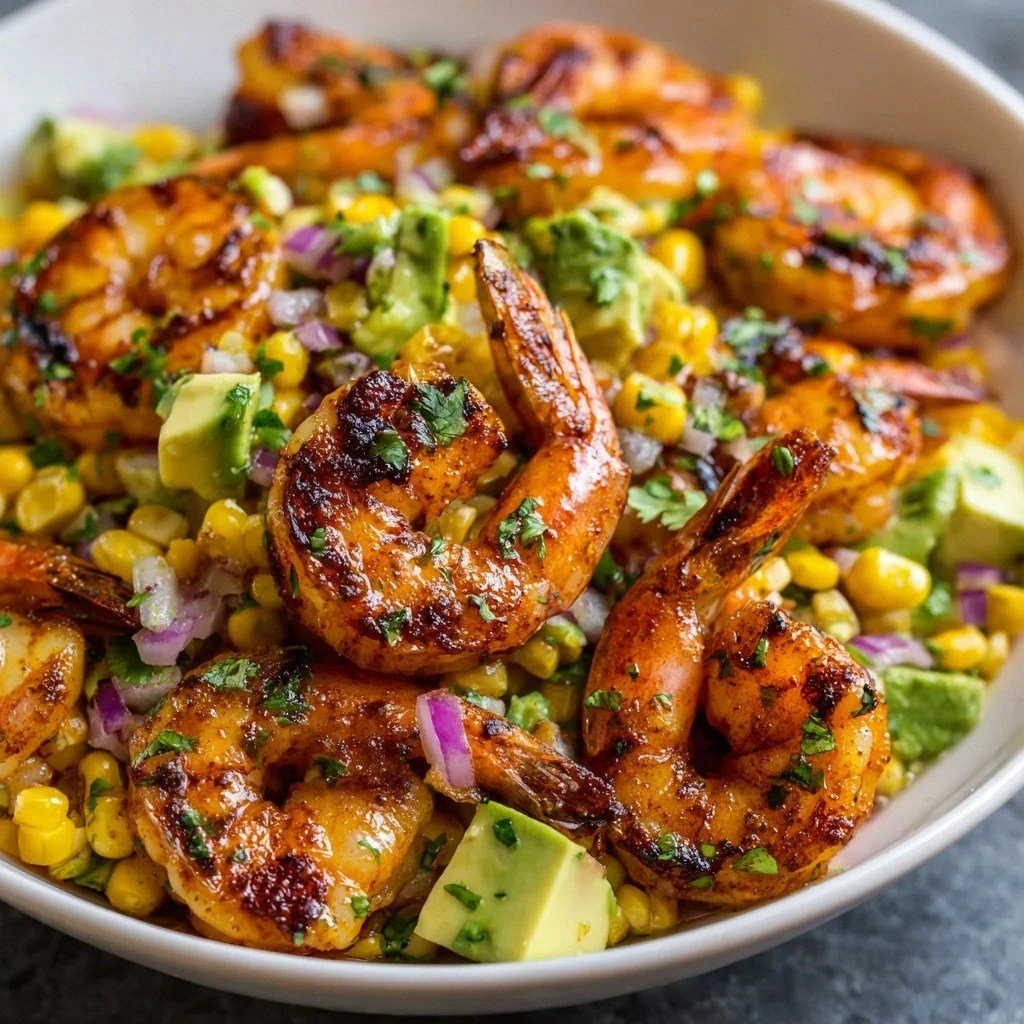
- While the fish rests, prepare the avocado salsa. Dice two ripe avocados into bite‑sized cubes, then gently fold in 1 cup of Greek yogurt, the juice of two limes, 1 teaspoon lime zest, 1 minced jalapeño, 1 finely diced small red onion, and 2 tablespoons chopped cilantro. Add 1 tablespoon of olive oil to bind the mixture, 0.5 teaspoon sugar to balance acidity, and a pinch of smoked paprika for an extra smoky note. Toss everything together until the avocado pieces remain intact.
- Plate the salmon fillets on warmed dishes, then spoon the avocado salsa generously over each fillet. Garnish with extra cilantro leaves and lime wedges for a pop of color and an extra zing.
- Serve immediately with your choice of side—roasted vegetables, quinoa, or a simple green salad. The smoky salmon pairs beautifully with the fresh, creamy salsa, creating a harmony of flavors that will have you reaching for seconds.
- If you want an extra crunch, sprinkle toasted almonds or chopped pecans over the salsa. The nutty flavor adds another layer of complexity that elevates the dish from great to unforgettable.
- Enjoy! Remember the micro‑challenge: taste this and not go back for seconds. Trust me, you’ll find yourself reaching for more while the plate looks like a piece of art.
Insider Tricks for Flawless Results
The Temperature Rule Nobody Follows
Many cooks believe that a higher heat always gives a better crust, but the truth is that a moderate, steady heat allows the spices to caramelize without burning. Preheat your skillet until it’s just below smoking point; this gives you a crisp exterior while keeping the interior tender. I’ve found that a temperature of about 400°F works best for most stovetops. If you’re using a gas stove, let the flame settle on a medium setting before adding the pan.
Why Your Nose Knows Best
As soon as the salmon hits the pan, a subtle aroma of paprika and citrus will rise. This smell is your cue that the crust is forming correctly. If the scent is faint, the heat is too low; if it’s burning, the pan is too hot. Trust your senses—your nose is the best judge of doneness.
The 5‑Minute Rest That Changes Everything
Resting the fish for 5 minutes after searing may seem like a waste of time, but it’s essential. During this period, the juices redistribute, preventing the fillet from drying out. Skipping this step often leads to a dry, over‑cooked texture that ruins the experience.
Keep the Crust Intact
When flipping the salmon, use a thin, wide spatula and lift gently. The crust can break if you press too hard. If you’re a novice, practice flipping a piece of bread first; once you feel confident, you’ll be able to handle the fillets with ease.
Quick Fix for Over‑Cooked Salmon
If you accidentally over‑cook the fish, rescue it by placing the fillets in a bowl of ice water for 30 seconds. This stops the cooking process and helps maintain moisture. Then pat them dry before plating.
Creative Twists and Variations
This recipe is a playground. Here are some of my favorite ways to switch things up:
Citrus‑Infused Blackened Salmon
Swap the lime juice in the salsa for a mix of orange and grapefruit juice. The sweet‑tart citrus pairs beautifully with the smoky salmon, creating a bright, refreshing profile that’s perfect for summer evenings.
Chipotle‑Honey Glaze
Brush the salmon with a thin glaze of honey and chipotle sauce before searing. The smoky sweetness caramelizes on the crust, adding depth and a hint of heat that complements the avocado.
Mediterranean Avocado Spread
Replace the jalapeño with sun‑dried tomatoes and add a splash of feta cheese to the salsa. The salty, tangy flavors echo the Mediterranean vibe, making this version ideal for a light, Mediterranean dinner.
Asian‑Inspired Soy‑Ginger Salsa
Mix soy sauce, grated ginger, and a touch of sesame oil into the avocado salsa. The umami and nutty flavors bring a new dimension to the dish, while the sesame seeds add a satisfying crunch.
Smoky Chipotle Avocado Dip
Blend avocado, chipotle peppers, lime juice, and a splash of coconut milk into a silky dip. Serve the salmon over the dip for a creamy, smoky experience that’s almost dessert‑like.
Coconut‑Curry Avocado Sauce
Add a tablespoon of curry powder and a splash of coconut milk to the salsa. The warm spices and creamy coconut create a tropical twist that pairs wonderfully with the blackened fish.
Storing and Bringing It Back to Life
Fridge Storage
Store any leftover salmon and salsa separately in airtight containers. The fish will keep for up to 2 days, while the salsa stays fresh for 24 hours. Keep them in the coldest part of the fridge to maintain freshness.
Freezer Friendly
For longer storage, freeze the salmon fillets in a single layer on a parchment‑lined tray. Once frozen, transfer to a freezer bag and label with the date. The salmon can be kept for up to 3 months. The salsa should not be frozen; instead, make it fresh when you’re ready to serve.
Best Reheating Method
To reheat the salmon, place it in a preheated oven at 350°F for 8–10 minutes. If you prefer a skillet, heat a small amount of oil over medium heat and warm the fillet for 2–3 minutes on each side. Add a tiny splash of water before reheating; this steams the fish back to perfection, keeping it moist and juicy.