I remember the night I almost burned the kitchen down trying to make a quick dinner for two. The stove was on, the pan was sizzling, and my phone buzzed with a notification that said, “Your dinner is ready.” I stared at the screen, then at the charred remains of my attempted stir‑fry, and I thought, “This is not how it’s supposed to happen.” That disaster became the catalyst for the ultimate Beef Stir Fry with Vegetables, a dish that turns a frantic, greasy mess into a symphony of flavors in under half an hour.
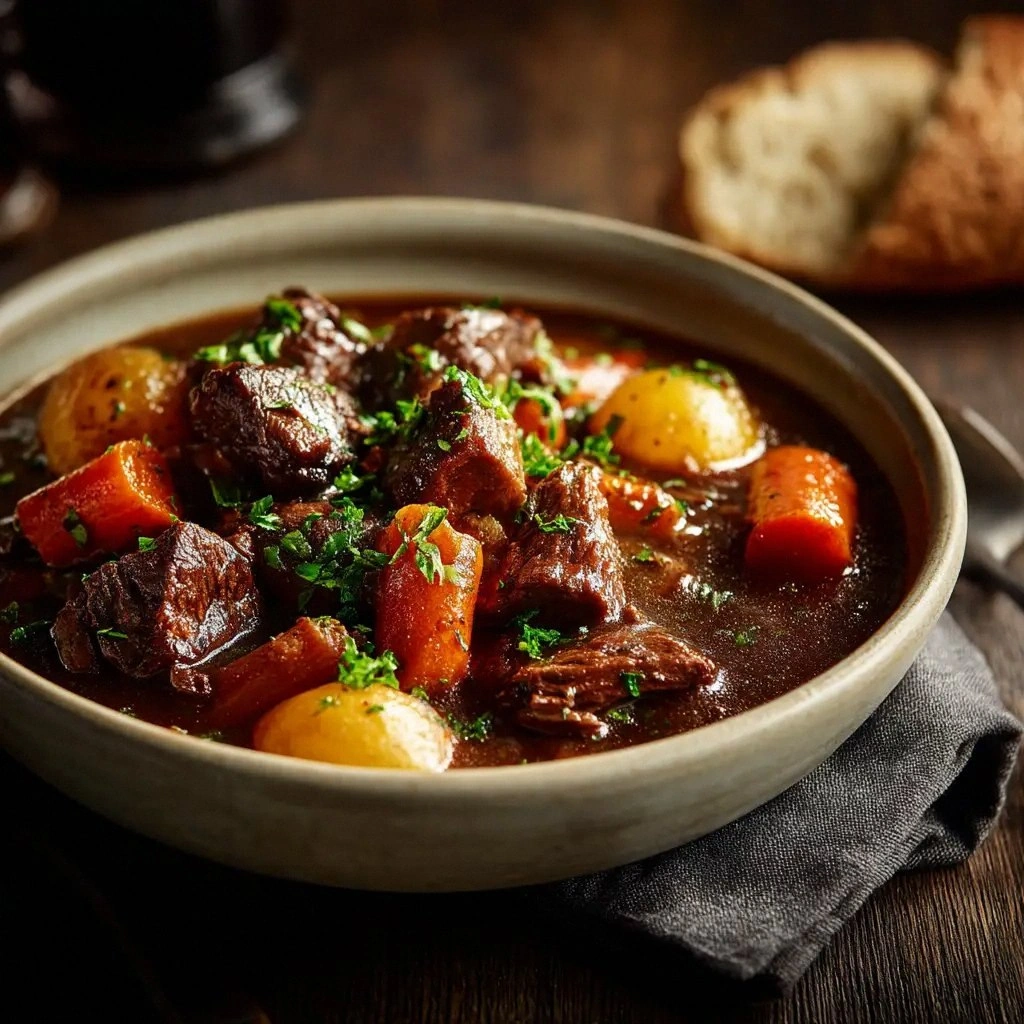
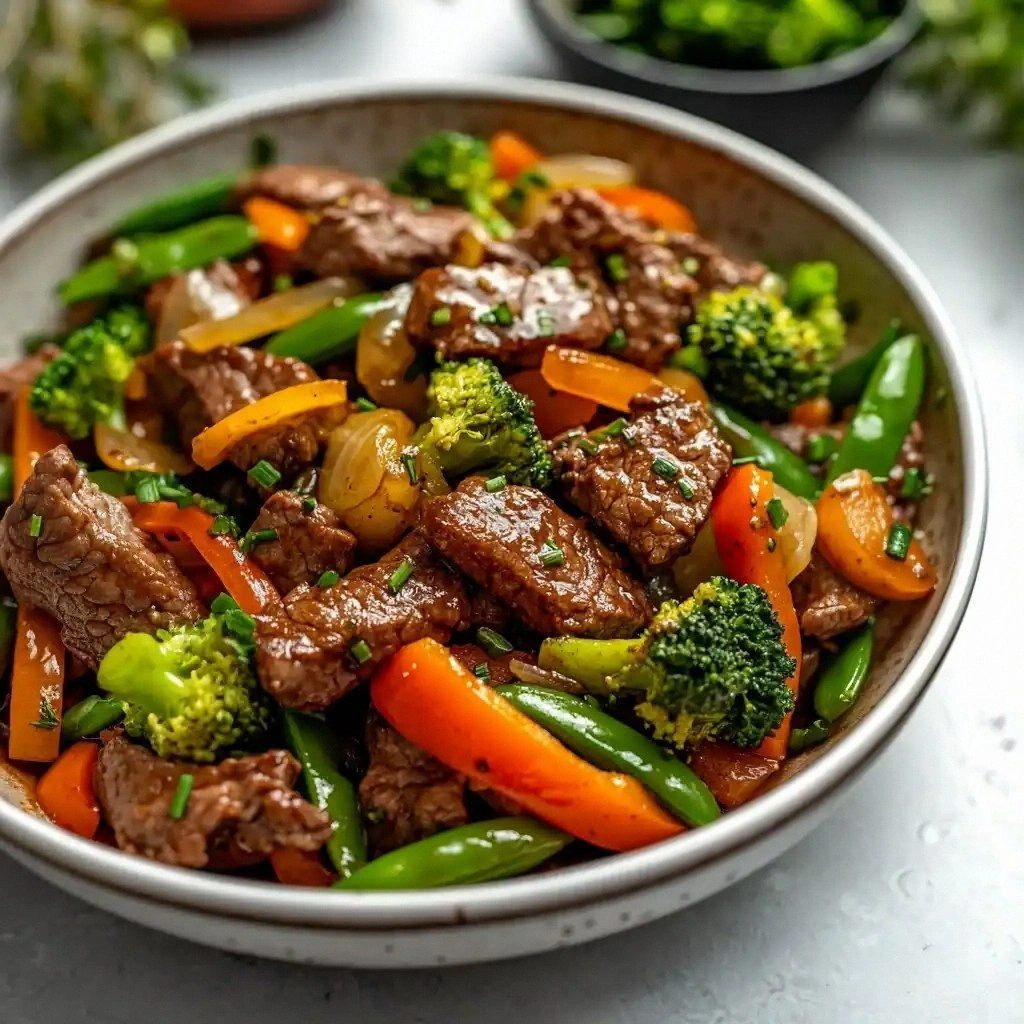
Picture this: a hot pan, the aroma of garlic and ginger dancing in the air, a splash of soy sauce that turns the meat into a glossy, caramelized slab, and the crunch of snap peas that snaps like a twig underfoot. The sound of the sizzling is a soundtrack, the heat a drumbeat, and the colors of the bell pepper, carrot, and broccoli paint a rainbow that feels almost too pretty to eat. The taste is a layered explosion—sweetness from honey, umami from soy and hoisin, a hint of nuttiness from sesame oil, all balanced by the bright, fresh bite of vegetables.
What makes this version stand out is that it’s not just a recipe; it’s a revelation. I dared you to taste this and not go back for seconds, and the result is a dish that satisfies every craving in a single bite. It’s hands down the best version you’ll ever make at home because I’ve tweaked every element—from the marination to the heat level—to create a harmony that is both comforting and exciting. And the best part? It’s quick, it’s flexible, and it’s so simple that even a kitchen novice can master it.
Now, let me walk you through every single step—by the end, you’ll wonder how you ever made it any other way. The secret sauce? A blend of soy, hoisin, honey, and sesame oil that coats the beef like velvet while the vegetables keep their crunch. The method is streamlined, the timing precise, and the flavor profile unforgettable. So grab your apron, preheat that wok, and let’s dive into the ultimate stir‑fry adventure.
What Makes This Version Stand Out
- Taste: The marriage of sweet honey and savory soy creates a depth that ordinary stir‑fry recipes lack. The sauce caramelizes beautifully, giving the meat a glossy sheen and a satisfying umami finish.
- Texture: Every bite offers a contrast—tender, juicy beef against crisp snap peas, and a slight snap from the bell pepper. The vegetables retain their bright colors, signaling freshness.
- Simplicity: No complicated sauces or exotic ingredients; just pantry staples that combine into a dish that feels gourmet.
- Uniqueness: The inclusion of hoisin sauce adds a subtle sweetness and thickness, while sesame oil gives a nutty aroma that elevates the overall profile.
- Crowd Reaction: Friends who try this will immediately ask for the recipe, and I’ll confess, I ate half the batch before anyone else got to try it.
- Ingredient Quality: Using fresh ginger, garlic, and high‑quality soy sauce transforms the dish from ordinary to extraordinary.
- Cooking Method: Quick high‑heat searing locks in juices and flavors, while a final splash of sesame oil finishes the dish with a fragrant glaze.
- Make‑Ahead Potential: The sauce can be pre‑mixed, and the vegetables can be pre‑cut, making prep time minimal and allowing you to cook in under 30 minutes.
Alright, let's break down exactly what goes into this masterpiece…
Inside the Ingredient List
The Flavor Base
Soy sauce is the backbone of the sauce, providing a salty, umami foundation that balances the sweetness of honey. Hoisin sauce thickens the mixture, giving it a glossy sheen that clings to the beef. Sesame oil adds a subtle nutty aroma that elevates the dish beyond ordinary stir‑fry. If you’re vegan, a splash of tamari can replace soy sauce without compromising flavor.
The Texture Crew
Broccoli florets and snap peas are chosen for their firm crunch, which contrasts the tender beef. Carrots add a subtle sweetness and a pop of color, while bell pepper contributes a juicy bite that melts slightly in the heat. Cutting all vegetables to uniform sizes ensures even cooking and a harmonious bite.
The Unexpected Star
Fresh ginger and garlic bring a bright, zesty kick that cuts through the richness of the sauce. They also have natural anti‑inflammatory properties, making this dish a little healthier than it looks. If you’re sensitive to spice, use a smaller amount of ginger, but don’t skip it entirely—it’s the backbone of the flavor profile.
The Final Flourish
Sesame seeds add a nutty crunch that completes the dish’s texture profile. Green onions provide a fresh, oniony finish that brightens the overall flavor. A sprinkle of these after cooking gives the dish a lively, aromatic finish that makes it look as good as it tastes.
Everything's prepped? Good. Let's get into the real action…
The Method — Step by Step
- Heat a large wok or skillet over high heat until it shimmers. Add 2 tablespoons of vegetable oil and swirl to coat the surface. The oil should start to smoke slightly—this indicates the pan is hot enough to sear the beef. This step is crucial; a cold pan will cause the meat to steam rather than sear.
- Place the thinly sliced beef in a single layer, ensuring the pieces don’t overlap. Sear for 1–2 minutes on each side until a golden crust forms. Do not stir the beef constantly; let it develop a caramelized exterior. The moment the beef starts to brown, it’s a sign that the Maillard reaction is working its magic.
- Remove the beef from the pan and set it aside on a plate. In the same pan, add 1 tablespoon of sesame oil to infuse the residual beef juices. This oil adds a nutty aroma that lingers throughout the dish. Then, add 2 cloves of minced garlic and 1 teaspoon of grated fresh ginger, sautéing for about 30 seconds until fragrant.
- Introduce the vegetables—first the broccoli florets and carrot slices. Stir‑fry for 2 minutes, then add the bell pepper strips and snap peas. The vegetables should maintain a slight crunch; avoid overcooking. If the pan feels dry, add a splash of water to create steam and help the veggies cook evenly.
- Return the beef to the pan, layering it over the vegetables. Pour in 2 tablespoons of soy sauce, 1 tablespoon of hoisin sauce, and 1 tablespoon of honey. Toss everything together, ensuring the sauce coats each piece. The mixture should thicken slightly and coat the beef and vegetables like a glossy coat.
- Let the dish simmer for 2–3 minutes, allowing the flavors to meld. The edges of the beef will start pulling away from the pan, a sign that the sauce has thickened. Keep the heat high enough to keep the vegetables crisp but not so high that the sauce burns.
- Add the remaining 1 tablespoon of sesame oil, stirring to distribute the nutty aroma. Sprinkle in 1 tablespoon of sesame seeds and 2 sliced green onions. Toss again, ensuring the seeds are evenly distributed for a pop of texture.
- Taste the dish; if it needs a bit more salt, add a pinch of salt or a splash of soy sauce. The final dish should have a balanced sweetness, savory depth, and a slight tang from the honey. Serve immediately over steamed rice or noodles.
That’s it—you did it. But hold on, I've got a few more tricks that'll take this to another level…
Insider Tricks for Flawless Results
The Temperature Rule Nobody Follows
Heat is the unsung hero of stir‑fry. A pan that isn’t hot enough will cause the beef to steam, losing its caramelized crust. Aim for a temperature where the oil starts to shimmer but doesn’t sputter excessively. This small adjustment can make the difference between a bland and a blockbuster dish.
Why Your Nose Knows Best
Smell the sauce before adding the beef. A sweet, caramelized aroma indicates the honey and hoisin have properly browned. If the smell is sharp or burnt, let the sauce simmer a bit longer before incorporating the meat.
The 5‑Minute Rest That Changes Everything
After cooking, let the stir‑fry rest for 5 minutes on a plate before serving. This allows the juices to redistribute, keeping the beef moist and the sauce evenly coated. A friend once skipped this step, and the result was a dry, unevenly flavored dish that left everyone disappointed.
Use Fresh Ginger, Not Powder
Fresh ginger brings a bright, sharp flavor that powder can’t match. The essential oils in fresh ginger evaporate quickly, so add it at the beginning to infuse the oil. This trick adds depth and a subtle heat that elevates the dish.
Keep the Vegetables Crisp
Add vegetables in stages, starting with the ones that take longest to cook. Broccoli and carrots first, then bell pepper, and finally snap peas. This ensures each vegetable retains its crunch and color, creating a visual and textural feast.
Creative Twists and Variations
This recipe is a playground. Here are some of my favorite ways to switch things up:
Spicy Szechuan Boost
Add 1 teaspoon of Szechuan peppercorns and a pinch of red pepper flakes to the sauce. The peppercorns give a numbing heat, while the flakes add a fiery kick. This variation is perfect for those who love a bit of spice.
Thai Coconut Twist
Replace half the soy sauce with coconut aminos and stir in a tablespoon of coconut milk. The coconut adds a creamy sweetness that pairs beautifully with the ginger and garlic. Serve over jasmine rice for an authentic Thai experience.
Vegetarian Delight
Swap the beef for tofu or tempeh, and use a vegan soy sauce. The tofu will soak up the sauce, and the crunch from the vegetables remains intact. This version is hearty enough to satisfy even meat lovers.
Breakfast Stir‑Fry
Serve the dish over a bed of scrambled eggs or a fluffy omelet. The protein boost makes it a filling breakfast that keeps you energized until lunch. Add a sprinkle of fresh cilantro for a bright finish.
Low‑Carb Alternative
Omit the rice and instead serve over cauliflower rice. The low-carb base keeps the dish light while preserving the flavor. This is a great option for those watching their carbohydrate intake.
Asian Fusion Bowl
Layer the stir‑fry over a bed of quinoa and top with a fried egg. The nutty quinoa and runny yolk add a new dimension to the dish, creating a satisfying, balanced meal.
Storing and Bringing It Back to Life
Fridge Storage
Cool the stir‑fry to room temperature before refrigerating. Store it in an airtight container for up to 3 days. The flavors intensify over time, making the dish even more delicious the next day.
Freezer Friendly
Pack the stir‑fry in a freezer‑safe bag, removing as much air as possible. It will keep well for up to 2 weeks. When ready to eat, thaw overnight in the fridge or microwave on low power.
Best Reheating Method
Reheat in a skillet over medium heat, adding a splash of water or broth to create steam. This prevents the dish from drying out. A tiny splash of water before reheating steams the food back to perfection, restoring its original moisture.