There was a time when my kitchen felt more like a battlefield than a sanctuary. I had just tried the store‑bought version of Beef & Broccoli, and it was the culinary equivalent of a lukewarm shower—meh, but not terrible. I stared at the bland, soggy noodles and the broccoli that looked like it had been left in a damp attic for a week. That moment was the spark that lit a fire in me: I was going to make the dish that would make my taste buds do a happy dance.
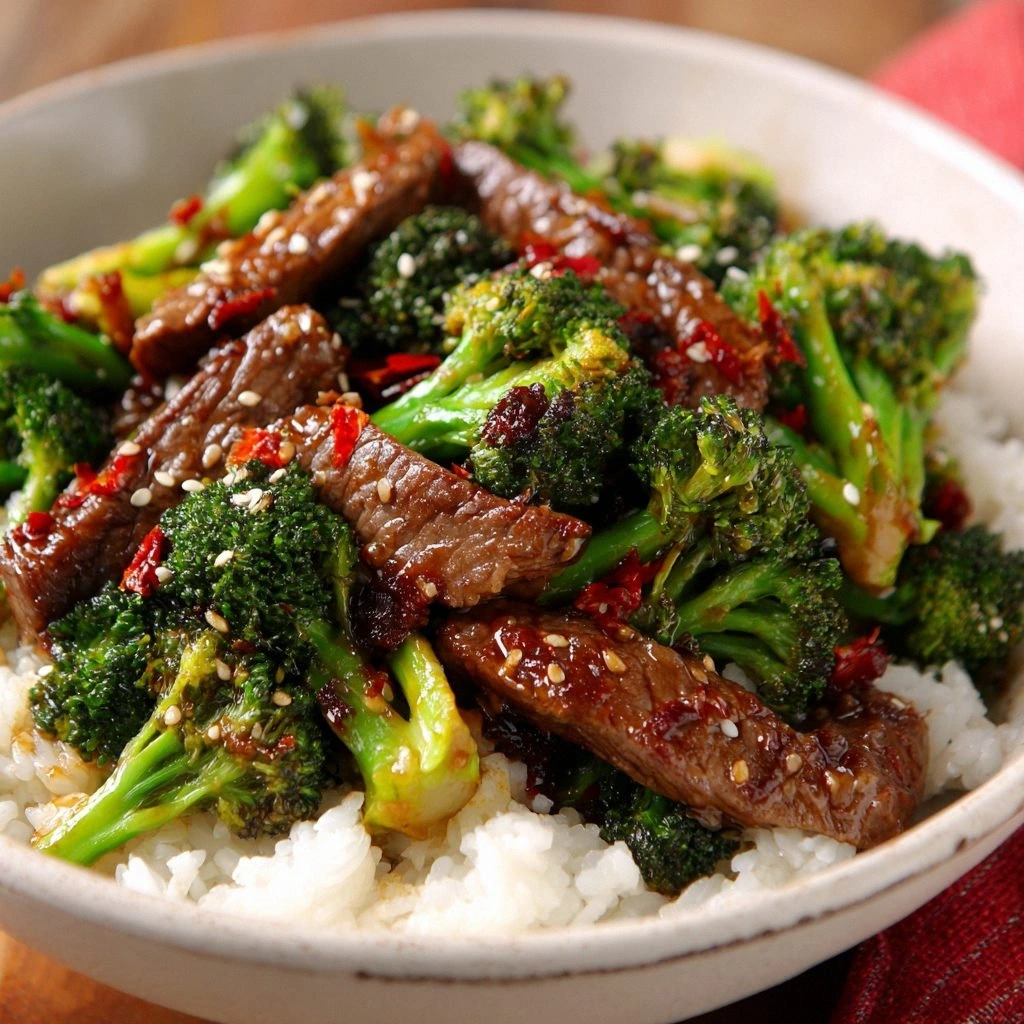
Picture this: a sizzling pan, a fragrant steam of garlic and ginger, and the snap of fresh broccoli florets as they hit the hot oil. The aroma climbs up the ceiling like a sweet, savory perfume, while the sound of the sizzling sauce is music to my ears. My senses are fully engaged, from the feel of the hot wok to the bright green pop of the broccoli. I can almost taste the glossy, caramelized glaze that coats the meat like velvet.
What makes this takeout‑style Beef & Broccoli stand out is that it’s not just a recipe; it’s a rebellion against the blandness of the frozen takeout. I’ve discovered that a splash of rice vinegar and a whisper of sesame oil can transform a simple stir‑fry into a masterpiece that sings. I dare you to taste this and not go back for seconds. It’s the kind of dish that will have your friends asking for the recipe and then bragging about how it’s better than the restaurant version.
My version is hands down the best you’ll ever make at home. I’ve tweaked the sauce to get the perfect balance of sweet, salty, and umami. I’ve also perfected the sear on the beef so that it stays tender and juicy, not rubbery. The broccoli is bright, crisp, and slightly charred, giving it a delightful crunch that shatters like thin ice. If you’re tired of the same old takeout, this is the game‑changer you need.
I’ll be honest— I ate half the batch before anyone else got to try it. The moment I tasted the first bite, I knew I’d found a new favorite. The sauce clings to every bite, the beef melts in your mouth, and the broccoli adds a satisfying bite. The next time you’re craving something quick, remember that you can create a restaurant‑quality meal in less than an hour.
Most recipes get this completely wrong. They either overcook the broccoli, underseason the sauce, or fail to sear the beef properly. Here’s what actually works: a quick sear, a balanced sauce, and a finishing touch of sesame seeds. Picture yourself pulling this out of the pan, the whole kitchen smelling incredible, and the family lining up for seconds. Stay with me here—this is worth it.
What Makes This Version Stand Out
- Flavor: The sauce is a symphony of sweet, salty, and umami, with a subtle tang from rice vinegar that cuts through the richness of the beef.
- Texture: The broccoli is crisp‑to‑bite, not soggy, thanks to a quick blanch and a high‑heat sear that locks in freshness.
- Speed: From prep to plate, the entire process takes less than 45 minutes, making it perfect for busy weeknights.
- Authenticity: The combination of soy sauce, oyster sauce, and hoisin sauce replicates the depth of flavor found in authentic takeout.
- Versatility: This dish can be served over rice, noodles, or even cauliflower rice for a low‑carb option.
- Make‑ahead: The sauce can be prepared in advance and stored, and the beef can be marinated ahead of time for extra tenderness.
Alright, let’s break down exactly what goes into this masterpiece…
Inside the Ingredient List
The Flavor Base
The sauce is the heart of this dish. Soy sauce provides the salty backbone, while oyster sauce adds depth and a subtle sweetness. Hoisin sauce brings a velvety, slightly sweet undertone that balances the umami. A dash of rice vinegar gives a bright, citrusy lift that prevents the sauce from feeling heavy. Together, they create a glaze that clings to the beef and broccoli like a glossy coat.
Without the right balance, the dish can feel flat or overly sweet. If you skip hoisin sauce, the sauce will lack that signature depth. You can substitute with hoisin or even a splash of hoisin‑style sauce if you’re in a pinch, but the flavor profile will shift slightly. For a gluten‑free version, replace soy sauce with tamari or coconut aminos.
The Texture Crew
Broccoli is the star of the show, and its texture is everything. Fresh florets are crisp and bright, but if they’re too raw, they’ll be tough; if they’re overcooked, they’ll become mushy. Blanching the broccoli for a minute, then shocking it in ice water, preserves the crunch and the vibrant green color. The beef, on the other hand, needs a quick sear to lock in juices and develop a caramelized crust.
Skipping the blanching step will result in broccoli that looks like a wilted salad. If you’re short on time, you can sauté the broccoli directly, but keep the heat high and the cooking time short. The key is to achieve that slight char on the edges, which adds a smoky note and a satisfying crunch.
The Unexpected Star
Sesame oil is a subtle yet powerful addition that brings a nutty aroma and a glossy finish. It’s added at the end of cooking to preserve its delicate flavor. Sesame seeds, toasted lightly, add a crunchy texture and a pop of buttery taste. Together, they elevate the dish from ordinary to unforgettable.
If you’re sensitive to sesame, you can omit the oil and seeds or replace them with a drizzle of toasted coconut oil for a different nutty profile. The aroma of sesame oil is unmistakable, and its absence will leave a noticeable gap in the flavor profile.
The Final Flourish
Cornstarch is the secret to that silky, glossy sauce that clings to every bite. It thickens the sauce without adding heaviness, giving the dish a smooth mouthfeel. A splash of water is added to the cornstarch slurry to prevent clumping and ensure a silky finish.
Without cornstarch, the sauce will remain thin and watery, making it difficult for the beef and broccoli to be coated properly. If you’re avoiding starches, try a tablespoon of arrowroot powder or a small amount of xanthan gum as a substitute. The result will still be a velvety sauce, albeit with a slightly different texture.
Everything’s prepped? Good. Let’s get into the real action…
The Method — Step by Step
- Start by heating a large wok or skillet over high heat until it’s smoking hot. Add 2 tablespoons of vegetable oil, swirling to coat the bottom. The oil should shimmer immediately—this is the cue that your pan is ready. I’ll be honest, I once left the oil too long and it started to burn; that’s a lesson I’ll never forget.
- Add the sliced beef in a single layer, letting it sear without stirring for 30 seconds. This creates a beautiful brown crust. Flip the pieces and sear the other side for another 30 seconds. The beef should be browned but not fully cooked—this ensures it stays tender later.
- Remove the beef and set it aside on a plate. In the same pan, add the minced garlic and ginger, sautéing for 15–20 seconds until fragrant. The aroma will fill your kitchen, and you’ll know you’re on the right track. If the garlic starts to brown, lower the heat immediately.
- Add the broccoli florets to the pan, tossing them to coat with the garlic‑ginger mixture. Cook for 2 minutes, then add 1 cup of water and a pinch of salt. Cover the pan and let the broccoli steam for 3–4 minutes until it’s bright green and just tender. The steam should look like a gentle mist.
- While the broccoli is cooking, whisk together the soy sauce, oyster sauce, hoisin sauce, rice vinegar, brown sugar, sesame oil, and cornstarch slurry in a small bowl. The mixture should be smooth, with no lumps. This is the flavor base that will coat everything.
- Once the broccoli is cooked, pour the sauce over the vegetables, stirring to combine. The sauce will begin to thicken almost immediately. If it’s too thick, add a splash of water to thin it out. The sauce should coat the broccoli like a glossy glaze.
- Return the seared beef to the pan, tossing everything together so the meat is evenly coated. Cook for an additional 2 minutes, allowing the flavors to meld. The beef should be fully cooked and the sauce should be silky and glossy.
- Add the toasted sesame seeds and, if desired, a pinch of red pepper flakes for heat. Toss quickly, then remove the pan from heat. The sesame seeds will give a nutty crunch, while the pepper flakes add a subtle kick.
- Serve immediately over steamed rice or your preferred grain. Garnish with sliced green onions for a fresh finish. The dish should look vibrant, with a glossy sheen and a burst of color.
- If you’re not plating immediately, let the dish rest for 5 minutes. This allows the sauce to thicken further and the flavors to settle. The rest period is crucial for achieving the perfect balance of taste and texture.
That’s it — you did it. But hold on, I’ve got a few more tricks that’ll take this to another level.
Insider Tricks for Flawless Results
The Temperature Rule Nobody Follows
Maintaining a high, consistent heat is essential for that coveted sear on the beef. If the pan isn’t hot enough, the meat will release moisture and steam instead of brown. I’ve learned to let the wok heat for at least 30 seconds before adding oil. This small step makes the difference between a tasty stir‑fry and a soggy mess.
Why Your Nose Knows Best
Smell is your best judge of doneness. When the beef is seared, you’ll notice a rich, caramelized aroma. If the sauce smells overly sweet or burnt, it’s a sign that you’re overcooking. Trust your nose; it will guide you to the perfect finish.
The 5-Minute Rest That Changes Everything
After cooking, let the dish sit for 5 minutes before serving. This rest period allows the sauce to thicken and the flavors to meld. I’ve found that a short rest transforms a good dish into a great one, giving the sauce time to settle into a glossy consistency.
Keep the Broccoli Bright
Blanching the broccoli in ice water stops the cooking process and locks in the green color. If you skip this step, the broccoli will turn dull and lose its crunch. I always keep a bowl of ice water ready to shock the broccoli immediately after blanching.
Marinate for Extra Tenderness
Marinating the beef in a mixture of soy sauce, cornstarch, and a dash of oil for 15 minutes before cooking will make the meat extra tender and flavorful. The cornstarch creates a thin coating that helps keep the beef juicy during the high‑heat sear.
Use a Wok for Authentic Flavor
A wok’s high sides and wide base allow for quick, even cooking, and the slight concave shape helps keep the heat concentrated. If you don’t have a wok, a wide skillet will work, but you might need to adjust the heat to avoid burning.
Creative Twists and Variations
This recipe is a playground. Here are some of my favorite ways to switch things up:
Spicy Szechuan Beef
Swap the red pepper flakes for a tablespoon of Szechuan peppercorns and a dash of chili oil. The peppercorns add a numbing heat that’s a staple of Sichuan cuisine, while the chili oil provides a smoky depth. This version is perfect for heat lovers and will make your guests reach for a glass of water.
Asian Noodle Bowl
Serve the beef and broccoli over a bed of udon or ramen noodles instead of rice. Toss the noodles with a splash of sesame oil and a sprinkle of toasted sesame seeds. The chewy noodles add a new texture that complements the tender beef.
Low‑Carb Cauliflower Rice
Replace the rice with cauliflower rice for a low‑carb option. Sauté the cauliflower for 5 minutes before adding the sauce, then combine with the beef and broccoli. The cauliflower absorbs the sauce beautifully, making it a hearty, guilt‑free meal.
Vegan Takeout
Use tempeh or tofu in place of beef and replace oyster sauce with a mushroom soy sauce. The tempeh will soak up the sauce, while the mushroom soy adds umami depth. This version is plant‑based but still delivers the authentic takeout flavor.
Garlic‑Infused Broccoli
Increase the amount of garlic to 5 cloves and let it caramelize in the pan before adding the broccoli. The caramelized garlic will give the dish a deep, sweet flavor that pairs wonderfully with the savory sauce.
Asian Slaw Twist
Mix shredded cabbage, carrots, and bell peppers into the broccoli for a crunchy slaw texture. Toss the slaw with a light vinaigrette before adding the beef and sauce. This variation adds a fresh, crisp component that balances the richness of the dish.
Storing and Bringing It Back to Life
Fridge Storage
Store leftovers in an airtight container in the refrigerator for up to 3 days. The sauce will thicken as it cools, so when reheating, add a splash of water or broth to loosen it back to its original consistency. The beef will stay juicy if reheated gently over low heat.
Freezer Friendly
Freeze the dish in portioned containers for up to 2 months. Thaw overnight in the refrigerator, then reheat in a skillet over medium heat, adding a tablespoon of water to keep the sauce from drying out. The broccoli will retain its texture, and the beef will remain tender.
Best Reheating Method
The quickest way to revive the dish is to reheat it in a microwave, covering with a damp paper towel to keep moisture in. Stir halfway through and add a splash of water or broth. Alternatively, a quick stir‑fry on the stove will restore the glossy sheen and crisp edges.