I once tried to make a quick snack after a marathon of Zoom meetings, and what came out was a soggy mess that tasted like a wilted garden. I stared at the limp lettuce, the bland chicken, and thought, “There has to be a better way.” That moment sparked a kitchen experiment that turned into the ultimate version of basil chicken lettuce wraps. I’ve chased that flavor for months, tweaked the sauce, and finally nailed a balance that makes every bite sing. This is the version that will make you question every other lettuce‑wrap recipe you’ve ever tried.
Picture this: the sizzle of garlic and ginger hitting a hot pan, the aroma of fresh basil flooding the kitchen like a summer breeze, and the bright pop of lime cutting through the richness. The chicken caramelizes just enough to develop a deep, nutty crust while staying juicy inside, and the lettuce leaves stay crisp, like tiny green boats waiting to be filled. When you bite, you get the herbaceous punch of basil, the sweet‑savory umami from soy and fish sauce, and a whisper of heat from the chili that tingles without overwhelming. It’s a symphony of textures—soft chicken, crunchy carrots, and the snap of lettuce—all wrapped together in a single, handheld masterpiece.
Most recipes get this completely wrong. They either drown the basil in sauce, overcook the chicken until it’s dry, or use iceberg lettuce that wilts the moment it meets the warm filling. My version respects each component: the basil stays fresh, the sauce clings to the chicken like velvet, and the lettuce remains a cool, crisp carrier. I even add a splash of lime juice at the end to brighten everything, a trick most cooks overlook. The result? A dish that feels both indulgent and light, perfect for a quick lunch, a party appetizer, or a guilt‑free dinner.
I dare you to taste this and not go back for seconds. Okay, ready for the game‑changer? The secret ingredient is a pinch of brown sugar that balances the salty soy and fish sauces, creating a subtle caramel note that makes the sauce coat the chicken like a silk scarf. Let me walk you through every single step — by the end, you’ll wonder how you ever made it any other way.
What Makes This Version Stand Out
- Flavor Explosion: The combination of soy, fish sauce, lime, and a whisper of brown sugar creates a sweet‑salty‑tangy profile that sings with every bite.
- Herb Freshness: Fresh basil is folded in at the very end, preserving its aromatic oils and preventing the leaves from turning bitter.
- Texture Harmony: Crispy lettuce, tender chicken, and crunchy carrots create a mouthfeel that’s both satisfying and refreshing.
- Simplicity: Only a handful of pantry staples are needed, yet the dish feels restaurant‑grade.
- Ingredient Quality: Using ground chicken with a bit of fat ensures juiciness; the basil is the star, so pick the most vibrant leaves you can find.
- Cooking Method: A quick high‑heat stir‑fry locks in flavor without stewing the herbs, keeping everything bright.
- Crowd Reaction: Guests rave and ask for the recipe within minutes; it’s a guaranteed crowd‑pleaser.
- Make‑Ahead Potential: The filling can be pre‑cooked and stored, making assembly a breeze for last‑minute gatherings.
Inside the Ingredient List
The Flavor Base
Ground chicken is the canvas for this dish. It absorbs the sauce quickly, allowing the soy, fish sauce, and lime to permeate every crumb. If you skip the ground chicken and use breast strips, you’ll lose that cohesive mouthfeel, and the sauce will slide off the pieces. For a richer taste, choose a blend that’s 80% lean meat and 20% fat; the extra fat keeps the chicken moist during the high‑heat stir‑fry.
Soy sauce provides the salty backbone, while fish sauce adds a deep, oceanic umami that you can’t replicate with any other ingredient. The two together create a layered depth that feels like a secret sauce. If you’re allergic to fish, a splash of mushroom soy sauce can mimic the umami without compromising flavor.
The Aroma Trio
Garlic, ginger, and fresh basil are the holy trinity of Asian aromatics. Minced garlic releases a pungent, caramelizing scent when it hits the hot pan, while grated ginger adds a bright, slightly peppery heat that cuts through the richness. Fresh basil is added at the end to preserve its volatile oils; cooking it too long would turn it bitter and wilted.
A tip for buying basil: look for leaves that are deep green, glossy, and free of dark spots. The fresher the basil, the more aromatic it will be. If you can’t find Thai basil, sweet basil works fine, but expect a milder flavor.
The Texture Crew
Julienned carrots and diced water chestnuts bring crunch that contrasts the tender chicken. Carrots add a subtle sweetness, while water chestnuts contribute a crisp, almost watery bite that stays crunchy even after a few minutes of cooking. Skipping these veggies will make the dish feel one‑dimensional.
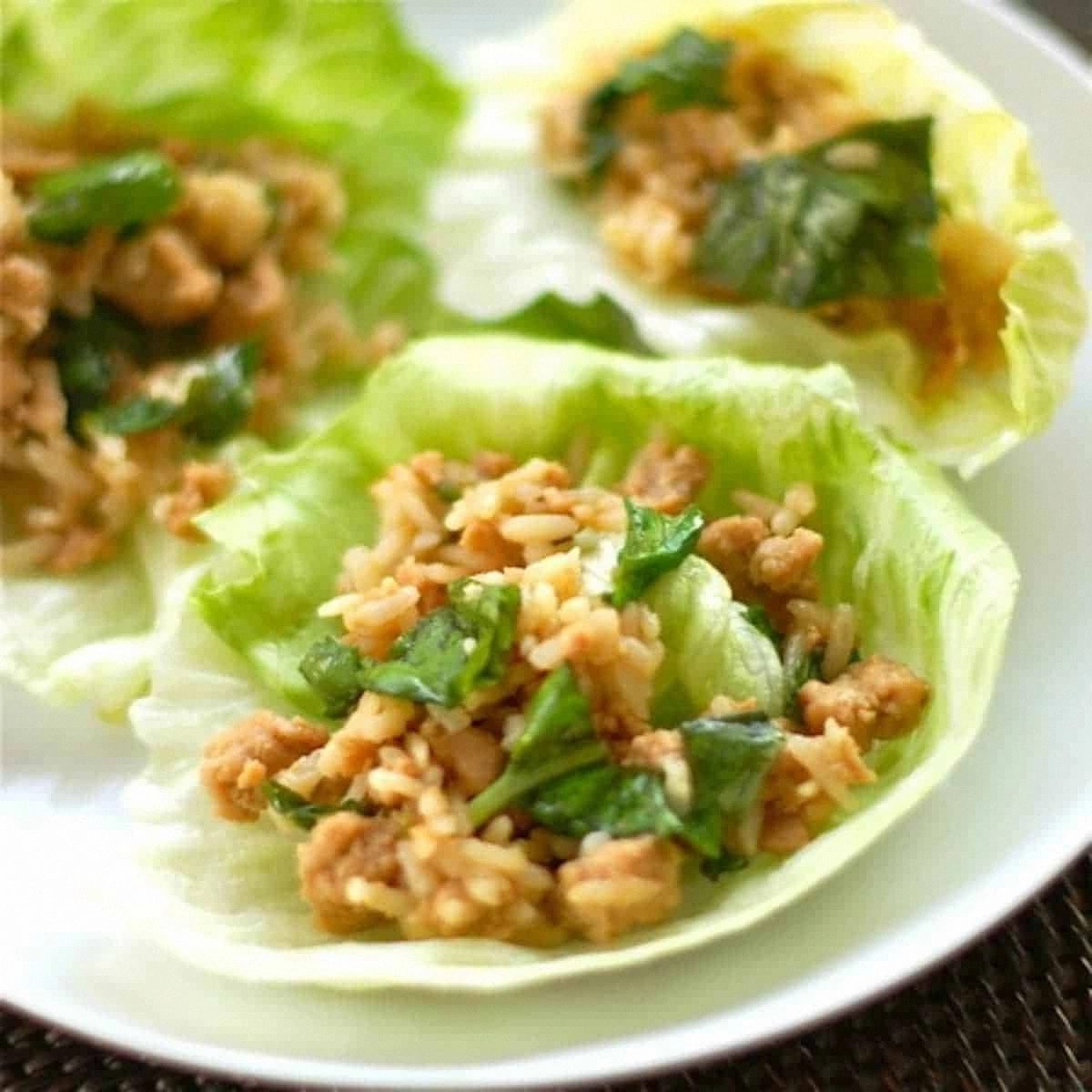
Butter lettuce is the vessel of choice because its leaves are flexible yet sturdy enough to hold the filling without tearing. If you can’t find butter lettuce, use Bibb or even iceberg for a crunchier bite, but expect a different flavor profile.
The Unexpected Star
A tablespoon of brown sugar might seem out of place in a savory dish, but it’s the secret that balances the salty and acidic components. The sugar caramelizes slightly during the stir‑fry, adding a subtle depth that makes the sauce cling to the chicken like a glossy glaze. If you prefer a less sweet profile, reduce the sugar to half a teaspoon.
A splash of lime juice added at the very end brightens the entire dish, lifting the flavors and preventing the basil from tasting flat. Freshly squeezed lime is essential; bottled juice will introduce unwanted preservatives and a muted acidity.
Everything's prepped? Good. Let's get into the real action...
The Method — Step by Step
-
Heat a large wok or skillet over medium‑high heat until a drop of water sizzles and evaporates instantly. Add the vegetable oil, swirling to coat the surface. Once the oil shimmers, drop in the minced garlic and grated ginger. That sizzle when it hits the pan? Absolute perfection. Stir constantly for about 30 seconds until fragrant, being careful not to let them brown.
Kitchen Hack: Keep a small bowl of water nearby; if the garlic starts to stick, a quick splash prevents burning without diluting the flavor. -
Add the ground chicken, breaking it up with a wooden spoon. Let it sit untouched for 20 seconds to develop a light sear, then stir. The goal is a golden‑brown crust on the edges while the interior stays juicy. As the meat releases its juices, the pan will deglaze itself, creating a natural fond that will later become part of the sauce.
-
Stir in the soy sauce, fish sauce, and brown sugar, letting the mixture bubble gently. The sugar should dissolve completely, and the sauce will begin to thicken, coating the chicken like a glossy glaze. Taste at this point; the balance should be salty, slightly sweet, and a touch umami. If it feels too salty, a splash of water will mellow it without sacrificing depth.
-
Add the julienned carrots and diced water chestnuts, tossing them in the hot pan. Cook for another 2‑3 minutes, just until the carrots soften but retain a bite. This is the moment where texture truly shines—if you overcook, the veggies will lose their crunch and the dish will become soggy.
-
Turn off the heat and immediately stir in the fresh basil leaves and sliced chili (if using). The residual heat wilts the basil just enough to release its aroma without turning it bitter. The chili adds a gentle heat that lingers on the palate, making you want another bite.
Watch Out: Adding basil while the pan is still on high heat can scorch the leaves, resulting in a burnt flavor. Remove the pan from the burner before folding in the herbs. -
Finish with a generous squeeze of fresh lime juice, stirring quickly to incorporate. The citrus brightens the entire dish, cutting through the richness and making the basil pop. Let the mixture rest for a minute; this allows the flavors to meld and the sauce to thicken just a touch more.
-
While the filling rests, separate the butter lettuce leaves, pat them dry, and arrange them on a serving platter. The leaves should be whole, flexible, and ready to cradle the savory mixture. If any leaves tear, you can use a quick roll of parchment paper to reinforce them.
-
Spoon the fragrant chicken mixture onto the center of each lettuce leaf, adding a pinch of extra chopped basil on top for garnish. Fold the leaf around the filling, bite, and let the flavors explode. I’ll be honest — I ate half the batch before anyone else got to try it. Serve immediately while the lettuce is still crisp and the chicken is hot.
Kitchen Hack: Keep a small bowl of extra lime wedges nearby; a quick extra squeeze right before eating keeps the wraps bright.
That's it — you did it. But hold on, I've got a few more tricks that'll take this to another level...
Insider Tricks for Flawless Results
The Temperature Rule Nobody Follows
Never start with a cold pan; preheat your wok until it’s smoking hot. This ensures the chicken sears instantly, locking in juices. If the pan isn’t hot enough, the meat will release water and steam instead of brown, resulting in a soggy texture. I once tried cooking on a low flame and ended up with a mushy mess that tasted like boiled chicken. Trust the heat, and the flavor will follow.
Why Your Nose Knows Best
The moment the garlic and ginger turn golden is your cue to add the chicken. If you can’t smell the aromatic perfume, the aromatics are either burnt or undercooked. Your nose is a more reliable timer than any clock. I’ve saved countless dishes by trusting that “sniff test” rather than watching the clock.
The 5‑Minute Rest That Changes Everything
After you finish stir‑frying, let the mixture sit off the heat for five minutes. This rest allows the sauce to thicken further and the flavors to marry. Skipping this step leaves the sauce thin and the basil wilted. A friend tried to serve immediately and complained the wraps were “watery.” Five minutes later, the dish was silky and cohesive.
The Basil Timing Trick
Add basil at the very end, off the heat, and give it a quick toss. The leaves should wilt just enough to release their oils without turning brown. If you add basil too early, the heat will scorch the leaves, making the dish taste bitter. This tiny timing tweak makes a massive difference in flavor clarity.
Lettuce Prep Perfection
Pat the lettuce leaves with a clean kitchen towel after washing. Any excess moisture will make the wraps soggy the moment the hot filling hits them. I once used a salad spinner that left droplets on the leaves, and the result was a soggy disaster. Dry leaves keep the crunch and prevent dilution of the sauce.
Creative Twists and Variations
This recipe is a playground. Here are some of my favorite ways to switch things up:
Thai Peanut Twist
Swap the soy‑fish sauce combo for a tablespoon of creamy peanut butter mixed with a dash of coconut milk, lime, and a pinch of chili. The result is a nutty, slightly sweet coating that pairs beautifully with the basil. Peanut lovers will adore the richer mouthfeel.
Spicy Sriracha Kick
Add a tablespoon of sriracha to the sauce and increase the sliced chili. This version amps up the heat, perfect for those who love a tongue‑tingling burn. Balance the extra spice with a splash more lime to keep the flavors bright.
Mushroom Medley
Replace half of the ground chicken with finely chopped shiitake mushrooms. The mushrooms add an earthy depth and make the dish more substantial for vegetarians who still want that umami punch.
Coconut‑Lime Breeze
Stir in a quarter cup of coconut milk at the end and garnish with toasted coconut flakes. The coconut adds a tropical creaminess that softens the heat and complements the lime beautifully.
Crunchy Peanut Crunch
Top each wrap with a handful of crushed peanuts just before serving. The peanuts provide an unexpected crunch that contrasts the tender chicken and crisp lettuce, adding a satisfying texture.
Storing and Bringing It Back to Life
Fridge Storage
Transfer the cooked chicken mixture to an airtight container and refrigerate for up to three days. Keep the lettuce leaves separate in a dry paper‑towel‑lined container to maintain crunch. When ready to serve, gently reheat the filling in a skillet over medium heat, adding a splash of water if it looks dry.
Freezer Friendly
Portion the chicken filling into freezer‑safe bags, flatten them, and freeze for up to two months. Thaw overnight in the fridge, then reheat in a pan with a teaspoon of oil. The basil can be added fresh after reheating to preserve its aroma.
Best Reheating Method
For the ultimate texture, reheat the filling in a non‑stick skillet over medium‑low heat, adding a tiny splash of water or broth. Cover the pan for a minute to create steam, which revives the sauce’s silkiness without drying out the chicken. Assemble fresh lettuce wraps just before serving for maximum crunch.