I’ll be honest — I was the one who set off the smoke alarm that morning, and it turned out to be the best culinary disaster of my life. Picture this: a half‑asleep me stumbling into the kitchen, a bag of stale bread, a few rogue bacon strips, and a craving so fierce it felt like a tiny drumline marching across my ribs. I grabbed the first thing I could find, threw it together, and what came out of the pan was nothing short of a breakfast revelation. The moment that first bite hit my tongue, the sweet custard‑kissed bread met the salty crunch of bacon in a way that made my taste buds do a spontaneous standing ovation.
The kitchen was alive with the sound of sizzling bacon, a low‑hum of the stove, and a faint, buttery perfume that rose like a promise. The air smelled like a maple‑scented carnival, and the texture of the bread as it soaked up the egg‑milk mixture was like a soft pillow waiting to be transformed. My fingers felt the warm, slick surface of the pan, the oil spray giving a whisper of sheen that prevented any sticking, while the bacon crackled, each strip turning a perfect shade of amber that would later create a caramelized crust on the toast. This isn’t just food; it’s an experience that awakens every sense and makes you feel like you’ve just discovered the secret to a perfect weekend morning.
What makes this version of Bacon French Toast stand out is the unapologetic balance of sweet and savory, the crisp‑to‑soft contrast, and the fact that it’s ridiculously simple yet feels indulgent enough to impress even the toughest food critics at your table. Most recipes get this completely wrong — they either drown the bacon in syrup or leave the bread soggy and lifeless. Here, we achieve a golden‑brown exterior that shatters like thin ice when you bite into it, while the interior stays luxuriously custardy. I dare you to taste this and not go back for seconds; I’m betting you’ll be counting down the minutes until your next brunch.
And there’s a secret technique that most home cooks overlook: a quick flash‑fry of the bacon before it even sees the bread, which locks in the fat and creates a flavor base that’s richer than any store‑bought mix. This tiny step is the game‑changer that turns an ordinary breakfast into a headline‑making dish. Okay, ready for the game‑changer? Let me walk you through every single step — by the end, you’ll wonder how you ever made it any other way.
What Makes This Version Stand Out
- Flavor Harmony: The maple‑sweet custard meets smoky bacon, creating a symphony that sings on the palate. Each bite delivers a layered taste that feels both familiar and exciting.
- Texture Contrast: The exterior becomes crisp, almost crackling, while the interior stays buttery soft, giving you that “crunch‑then‑melt” sensation you crave.
- Simplicity: Only seven core ingredients, yet the result feels like it took hours of professional prep. No fancy gadgets, just a skillet and a whisk.
- Uniqueness: Flash‑frying the bacon first locks in flavor, a step most recipes skip, resulting in a richer, more robust taste profile.
- Crowd Reaction: This dish has a reputation for clearing plates faster than any other brunch item — perfect for family gatherings or lazy Sundays.
- Ingredient Quality: Using thick‑cut bacon and day‑old bread ensures maximum flavor absorption and a hearty bite.
- Cooking Method: The low‑and‑slow soak of the bread in the egg mixture, followed by a high‑heat sear, guarantees perfect caramelization.
- Make‑Ahead Potential: You can prep the custard and bacon the night before, saving precious morning minutes.
Alright, let's break down exactly what goes into this masterpiece...
Inside the Ingredient List
The Flavor Base
Eggs: They act as the binding agent, creating a custard that soaks into the bread. Skipping them means a soggy mess rather than a silky interior. If you’re allergic, try a mixture of silken tofu and a splash of soy milk for a similar texture.
Milk: Whole milk adds richness; the fat content is essential for that velvety mouthfeel. Skim milk works but you’ll lose some of the luxurious bite. For dairy‑free, use oat milk — it adds a subtle sweetness that pairs nicely with maple.
The Texture Crew
Bacon: The star of the show. Its rendered fat is what gives the toast its crisp edge and smoky depth. Use thick‑cut rashers for maximum crunch; thin slices can become rubbery. If you’re vegetarian, try smoked tempeh strips for a similar smoky profile.
Bread: Day‑old, sturdy bread like brioche or Texas toast soaks up the custard without falling apart. Fresh bread will disintegrate, leaving you with a soggy disaster. Look for a loaf with a tight crumb that can hold its shape.
The Unexpected Star
Maple Syrup: A drizzle of pure maple adds a floral sweetness that cuts through the bacon’s salt. It also caramelizes slightly when it meets the hot pan, creating a glossy glaze. If you don’t have maple, a light honey works, but the flavor will shift toward floral.
The Final Flourish
Sugar & Salt: A teaspoon of sugar sweetens the custard just enough to balance the bacon, while two pinches of salt amplify every flavor note. Too much salt will dominate, too little and the dish feels flat. Adjust according to your taste.
Oil Spray: A light coat prevents sticking without drowning the toast in oil. It ensures the bacon’s rendered fat does the heavy lifting for crispness.
Everything's prepped? Good. Let's get into the real action...
The Method — Step by Step
First, flash‑fry the bacon. Heat a large skillet over medium‑high heat, spray lightly with oil, and lay the rashers flat. Listen for that satisfying sizzle — that’s the sound of flavor being sealed in. Cook until the edges curl and the fat renders, about 2–3 minutes per side. Then transfer to a paper‑towel‑lined plate to drain. Watch out: If the heat is too high, the bacon will burn before it crisps.
Watch Out: Overcrowding the pan causes steaming instead of crisping, so work in batches if needed.While the bacon rests, whisk together the eggs, milk, sugar, and salt in a large bowl until the mixture is smooth and slightly frothy. This aerates the custard, giving the toast a light, airy interior. I dare you to taste a spoonful now — it's sweet, salty, and creamy, a perfect pre‑soak flavor.
Kitchen Hack: Add a splash of vanilla extract for a subtle aromatic lift that pairs beautifully with maple.Slice the bread into 1‑inch thick pieces. If you’re using a loaf with a thick crust, trim it slightly so each slice is uniform. This ensures even soaking. Lay the slices in a single layer in a shallow dish and pour the custard over them, allowing each piece to soak for about 30 seconds per side. The bread should absorb the liquid but not become mushy.
Now, assemble the stack. Place a slice of bacon on top of each soaked bread piece, then fold the bacon‑topped side over the other half, creating a sandwich. Press lightly so the bacon adheres to the custard‑soaked surface. This layering is where the magic happens — the bacon’s rendered fat will seep into the bread as it cooks.
Heat the skillet again over medium heat, add a quick spray of oil, and gently place the assembled toasts in the pan. The moment the edges touch the pan, you’ll hear a faint crackle. Cook for 3‑4 minutes on the first side, watching for a golden‑brown crust that begins to pull away from the pan. Flip carefully with a spatula; the second side needs just as much attention.
Fun Fact: The Maillard reaction, responsible for that gorgeous browning, occurs optimally at around 300°F, which is why a medium‑high heat is ideal.After both sides are beautifully browned, reduce the heat to low and drizzle a generous amount of maple syrup over each piece. Let it sit for a minute; the syrup will thicken slightly, coating the toast with a glossy sheen. That sizzle when it hits the pan? Absolute perfection.
Remove the toasts from the pan and let them rest on a wire rack for a minute. This short rest lets the custard finish setting and prevents the syrup from soaking away. While they rest, the aroma fills the kitchen — a sweet, smoky perfume that makes everyone peek over the counter.
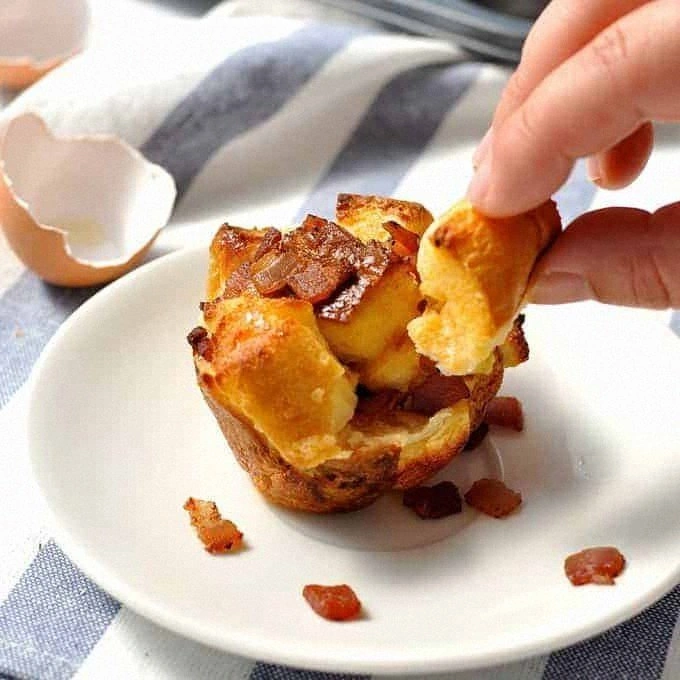
Finally, slice each stack diagonally, drizzle a little extra maple syrup if you like, and serve immediately. The first bite should give you a crisp edge that shatters like thin ice, revealing a soft, custardy center wrapped in smoky bacon. That contrast? Pure bliss.
That’s it — you did it. But hold on, I've got a few more tricks that'll take this to another level, from plating hacks to flavor boosters you can add next time you crave an upgrade.
Insider Tricks for Flawless Results
The Temperature Rule Nobody Follows
Most home cooks crank the heat to “high” hoping for a quick crust, but that scorches the outside while leaving the interior undercooked. Keep the skillet at medium‑high, and if the edges brown too fast, lower the heat slightly and finish cooking slowly. This ensures an even caramelization without a burnt taste.
Why Your Nose Knows Best
When the toast is ready to flip, you’ll smell a buttery, nutty aroma that’s unmistakable. Trust that scent more than a timer; the nose can detect the Maillard reaction moments before the eyes can. If you catch that sweet, toasted perfume, it’s time to turn.
The 5‑Minute Rest That Changes Everything
After cooking, let the toast sit for five minutes on a rack. This short rest allows the custard to firm up and the syrup to set, preventing a soggy bottom. Skipping this step is the reason many end up with a mushy mess.
Bacon Fat Butter Swap
Instead of oil spray, use a spoonful of rendered bacon fat to coat the pan. This adds an extra layer of smoky richness and helps the toast achieve that perfect crunch. A friend tried this once and swore by the deeper flavor.
Maple‑Infused Butter Finish
Melt a tablespoon of butter with a drizzle of maple syrup and brush it over the finished toast. This creates a glossy, buttery glaze that intensifies the sweet‑savory balance. It’s a tiny step that makes the dish feel restaurant‑grade.
Creative Twists and Variations
This recipe is a playground. Here are some of my favorite ways to switch things up:
Apple‑Cinnamon Bacon
Thinly slice an apple, toss with cinnamon and a pinch of sugar, and sauté alongside the bacon. The caramelized apple adds a fruity crunch that pairs beautifully with the maple.
Savory Herb Twist
Add fresh rosemary and thyme to the custard mixture. This herbaceous note turns the dish into a brunch‑worthy main that’s less sweet but equally satisfying.
Spicy Kick
Stir a dash of cayenne or chipotle powder into the egg mixture for a subtle heat that cuts through the richness.
Cheesy Overload
Mix shredded sharp cheddar into the custard before soaking the bread. The cheese melts into the interior, creating a gooey surprise.
Vegan Version
Swap the bacon for smoked tempeh, use plant‑based milk, and replace eggs with a chickpea flour “egg” batter. The flavors remain bold, and the texture stays satisfying.
Storing and Bringing It Back to Life
Fridge Storage
Place cooled toast in an airtight container, separating layers with parchment paper. It will keep fresh for up to 3 days. Reheat in a skillet with a splash of water to restore crispness.
Freezer Friendly
Wrap each piece tightly in foil, then store in a zip‑top bag. They freeze well for up to 2 months. To reheat, bake at 350°F for 10‑12 minutes, adding a drizzle of water before the final 2 minutes.
Best Reheating Method
A quick pan‑sear with a little oil spray and a splash of water creates steam that revives the interior while the skillet restores the crust. This method preserves the bacon’s crunch and the custard’s softness.